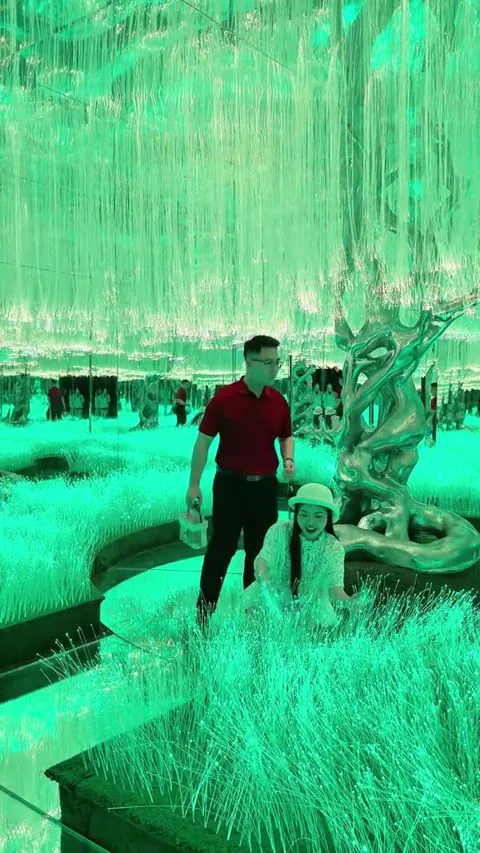
Immersive 3D Technology: The Future of Visual Engagement

Immersive 3D is redefining the way people interact with digital content by transforming passive viewing into unforgettable, multi-sensory experiences. From museums and entertainment venues to retail spaces and corporate events, businesses are embracing immersive 3D technology to captivate audiences and strengthen brand engagement.
By combining stunning visuals, interactive storytelling, and cutting-edge innovation, immersive environments create deeper emotional connections than traditional displays ever could. In this article, we’ll explore how immersive 3D works, the technologies behind it, its real-world applications, and why it represents the future of visual engagement.
In this guide
What Is Immersive 3D Technology?
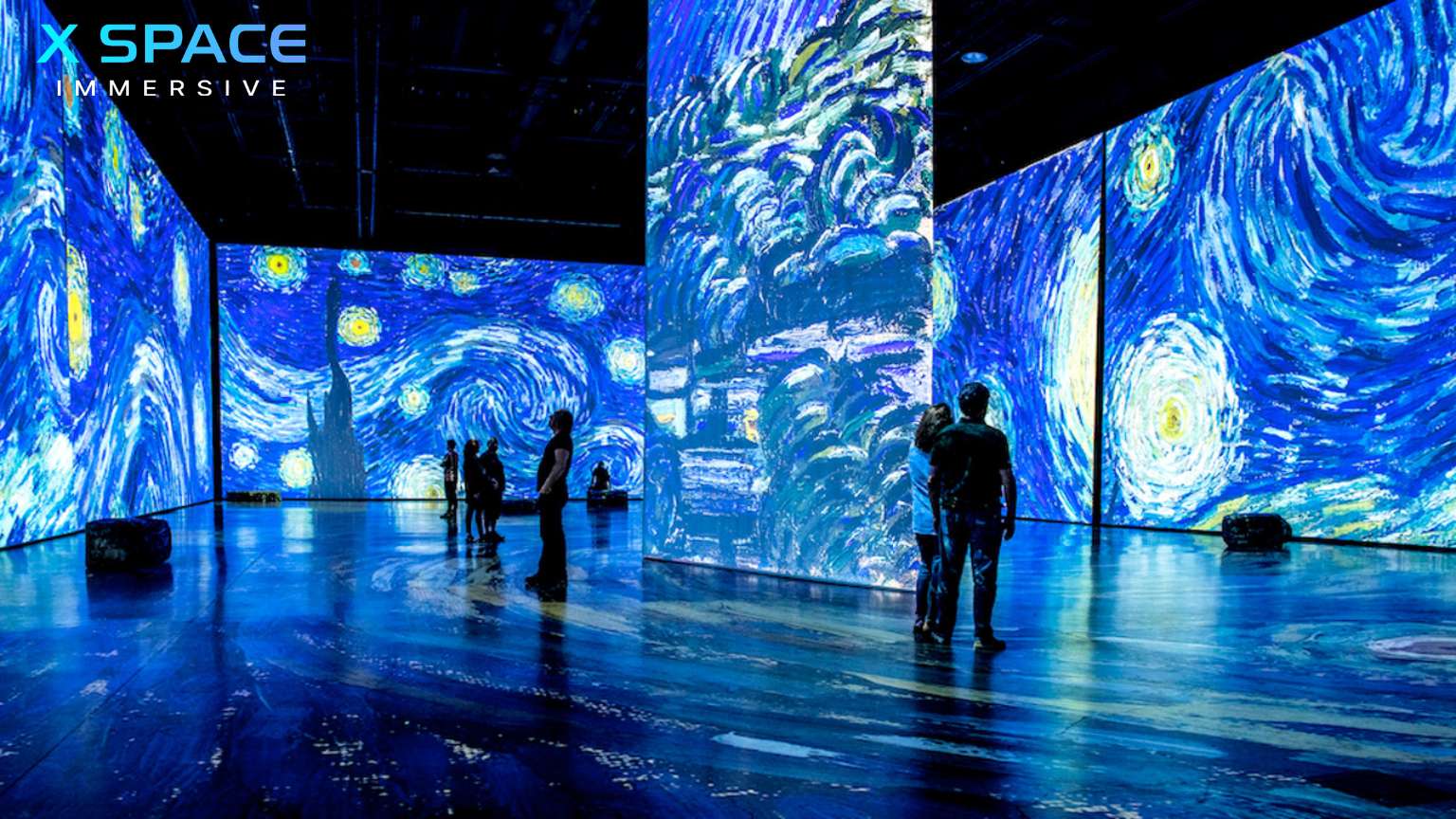
what-is-immersive-3d-technology
Understanding the Meaning of Immersive 3D
Immersive 3D refers to a technology-driven experience that surrounds users with realistic digital content, making them feel as though they are physically present inside a virtual or enhanced environment. Unlike conventional 3D graphics displayed on a single screen, immersive environments combine multiple sensory elements—including visuals, sound, movement, lighting, and interactivity—to create a convincing sense of presence.
Rather than asking viewers to passively consume information, immersive experiences invite them to participate. Every movement, perspective, or interaction can influence what they see, hear, or discover next. This level of engagement transforms storytelling into a personal journey.
The concept extends beyond entertainment. Today, immersive 3D technology is widely adopted in:
- Interactive museums and digital exhibitions
- Retail showrooms
- Corporate events
- Educational environments
- Tourism experiences
- Healthcare simulation
- Architectural visualization
- Brand activations
The goal is simple: create experiences that audiences remember long after they leave the space.
Immersive 3D vs Traditional 3D
Although both technologies use three-dimensional graphics, they deliver completely different user experiences.
Traditional 3D focuses on presenting depth through a monitor, cinema screen, or mobile device. The viewer remains outside the content, observing from a fixed perspective.
An immersive 3D environment removes that separation. Instead of looking at a scene, users feel surrounded by it. Digital content reacts to their movements, creating the illusion that they have entered another world.
Key differences include:
- Traditional 3D emphasizes visual realism.
- Immersive 3D emphasizes participation and presence.
- Traditional media communicates information.
- Immersive experiences encourage exploration and emotional connection.
This evolution is why organizations increasingly invest in immersive environments rather than traditional digital displays.
How Immersive 3D Technology Creates a Sense of Presence
One of the defining characteristics of immersive experience technology is its ability to convince the brain that a digital environment feels real.
This sensation, often called “presence,” occurs when multiple technologies work together seamlessly.
High-Resolution Visuals
Detailed 3D graphics create believable environments with realistic textures, lighting, and movement. Whether visitors are walking through an underwater world or exploring a futuristic city, visual quality plays a critical role in maintaining immersion.
Spatial Audio
Sound dramatically enhances realism. Instead of hearing audio from a single direction, users experience dynamic soundscapes that change according to their position within the environment.
Imagine hearing birds chirping overhead, footsteps approaching from behind, or waves crashing beside you. These subtle cues reinforce the illusion of being physically present.
Motion Tracking
Many immersive installations monitor visitor movement using cameras or motion sensors. As participants walk or gesture, digital content responds instantly.
This responsiveness makes the environment feel alive rather than pre-recorded.
Interactive Storytelling
Unlike traditional videos, immersive experiences allow visitors to influence their journey.
Touching an object, stepping into a projected area, or making a gesture can trigger animations, sounds, or new scenes.
The result is an experience that feels personal instead of passive.
How Does a 3D Immersive Experience Work?
The Core Components Behind a 3D Immersive Experience
Creating an outstanding 3D immersive experience requires the seamless integration of creative content and advanced technology.
Although every installation is different, most immersive environments share several essential components.
Digital 3D Content
Every experience begins with high-quality digital assets.
Designers build environments using advanced 3D software, producing realistic landscapes, architectural models, abstract artwork, animated characters, or interactive visual effects.
The quality of these digital assets directly influences how believable the experience feels.
Display Systems
Depending on the project’s objectives, content can be presented through various display technologies, including:
- Large-scale projection systems
- LED display walls
- Curved panoramic screens
- Transparent displays
- Immersive room installations
- Mixed reality devices
The chosen display system determines how audiences interact with the environment.
Motion Detection
Many experiences integrate AI-powered cameras, LiDAR sensors, or infrared tracking systems.
These technologies recognize visitor positions and gestures in real time, allowing digital elements to react naturally.
For example, flowers may bloom beneath someone’s footsteps, stars may follow a visitor’s movement, or virtual animals may respond to human interaction.
Such responsiveness significantly increases engagement.
Spatial Audio Systems
Professional immersive environments use surround-sound technology to synchronize audio with visual content.
Rather than acting as background music, sound becomes part of the storytelling experience.
Combined with lighting effects, it creates emotional depth that static presentations rarely achieve.
From Digital Content to Real-Time Interaction
One of the greatest strengths of immersive experience technology is its ability to transform static digital assets into living environments.
The process typically follows several stages.
First, artists and designers develop a compelling narrative. Every immersive project begins with a story rather than technology alone.
Next, 3D artists create detailed digital environments using animation, visual effects, and spatial design techniques.
Engineers then integrate projection systems, sensors, and interactive software capable of processing visitor actions in real time.
Finally, everything is synchronized into one cohesive experience.
As visitors enter the space, sensors continuously monitor their movements. The system instantly processes these inputs and updates visuals, audio, lighting, or interactive effects without noticeable delay.
This seamless communication between hardware, software, and creative content is what distinguishes a true immersive 3D installation from a traditional multimedia presentation.
Instead of watching technology in action, audiences become active participants within it.
And that transformation—from observer to explorer—is exactly why immersive experiences are reshaping the future of visual engagement.
Key Types of Immersive Experience Technology
As demand for engaging digital environments continues to grow, organizations are adopting different forms of immersive experience technology to create memorable interactions. While all immersive solutions share the goal of enhancing user engagement, each technology offers unique capabilities and is designed for different environments, budgets, and audience expectations.
Understanding these technologies helps businesses choose the most effective solution for exhibitions, entertainment venues, museums, retail spaces, and corporate events.
Virtual Reality (VR) and Augmented Reality (AR)
Virtual Reality (VR) is one of the most recognizable forms of immersive technology. By wearing a VR headset, users are transported into a fully digital environment where they can explore virtual worlds, interact with objects, and experience scenarios that would be impossible in real life.
Because VR blocks out the physical environment, it provides one of the highest levels of immersion available today. It is widely used in gaming, education, healthcare training, architecture, and industrial simulation.
Augmented Reality (AR), on the other hand, enhances the real world instead of replacing it. Digital information, animations, or 3D models are layered onto the user’s physical surroundings through smartphones, tablets, or AR glasses.
Retail brands use AR to let customers visualize furniture in their homes before purchasing. Museums use it to bring historical artifacts to life. Educational institutions use it to make complex concepts easier to understand through interactive visualization.
Although both technologies offer immersive experiences, they serve different purposes. VR creates an entirely virtual environment, while AR enriches the real world with digital content.
Mixed Reality and Interactive Environments
Mixed Reality (MR) combines the strengths of both VR and AR, allowing digital objects to exist and interact naturally within physical spaces.
Unlike AR, where virtual elements simply appear on top of reality, MR enables users to move around digital objects, interact with them from multiple angles, and even manipulate them using hand gestures or controllers.
This technology is increasingly used for engineering design, collaborative planning, medical visualization, and advanced training environments.
Interactive environments represent another rapidly growing branch of immersive experience technology. Instead of relying on wearable devices, these installations use projection systems, motion sensors, cameras, and artificial intelligence to transform physical spaces into responsive digital environments.
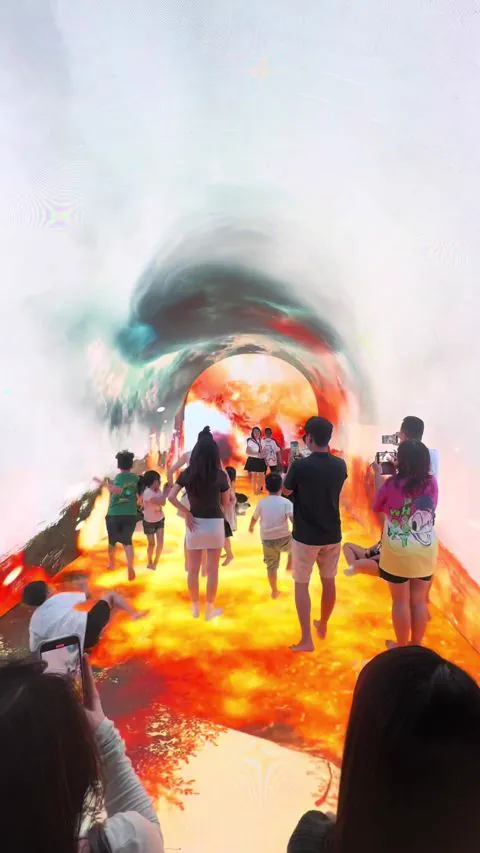
Visitors become active participants as walls react to movement, floors generate animations beneath their feet, and digital content evolves based on user interaction.
This device-free approach has become especially popular because it allows groups of visitors to enjoy the experience together without learning complicated controls or wearing specialized equipment.
Choosing the Right Immersive Experience Technology
Selecting the right immersive solution depends on several important factors.
Audience Expectations
A family-friendly attraction may prioritize intuitive interaction and shared experiences, while a technical training program may require highly detailed simulations.
Understanding who will use the experience helps determine the most appropriate technology.
Available Space
Large venues can accommodate expansive projection systems or immersive rooms, whereas smaller environments may benefit from compact interactive displays or AR installations.
The physical environment plays a significant role in determining the overall design.
Level of Interaction
Some experiences focus primarily on visual storytelling, while others encourage active participation through gestures, movement, or object manipulation.
Businesses should define the desired level of audience engagement before investing in technology.
Budget and Maintenance
Hardware requirements, software development, content creation, and ongoing maintenance all contribute to project costs.
A scalable solution often provides better long-term value than investing solely in the latest technology.
Ultimately, the most successful immersive projects prioritize meaningful experiences over technical complexity.
Immersive Room Technology: Turning Spaces Into Digital Worlds
Among today’s most exciting innovations, immersive room technology has emerged as one of the most effective ways to transform ordinary spaces into extraordinary digital environments.
Instead of placing digital content on a single screen, immersive rooms surround visitors with synchronized projections across walls, floors, and sometimes ceilings. The result is a seamless visual landscape that completely changes the perception of physical space.
Whether visitors are walking through a glowing forest, standing beneath the ocean, or exploring a futuristic city, the environment responds with breathtaking realism.
Unlike VR experiences that isolate individuals behind headsets, immersive rooms encourage social participation, making them ideal for exhibitions, museums, experiential marketing, and public attractions.
What Is an Immersive Room?
An immersive room is a specially designed environment where multiple projection systems, synchronized audio, lighting effects, and interactive technologies work together to create a fully enveloping experience.
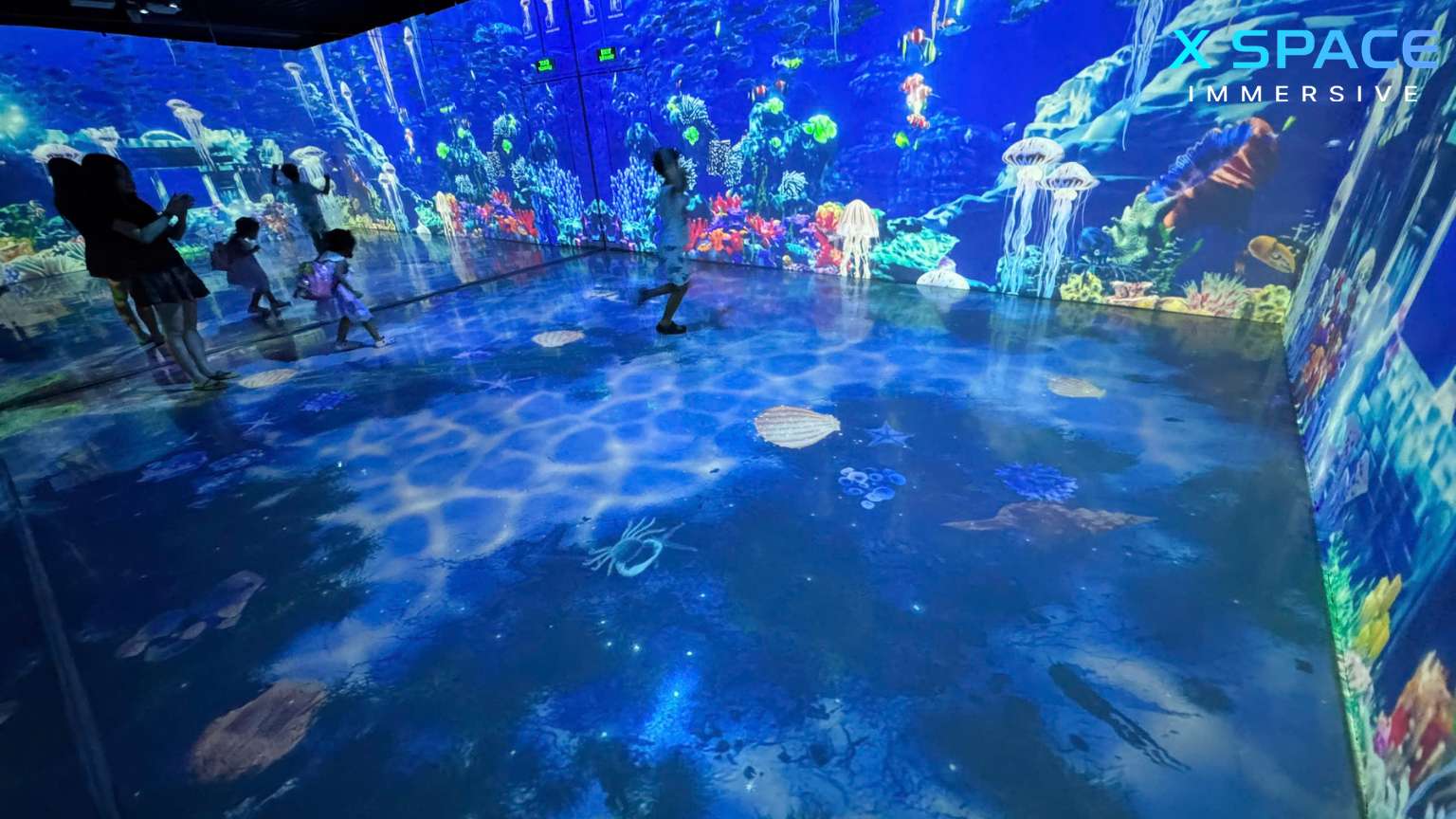
What Is an Immersive Room?
Rather than observing content from a distance, visitors become part of the digital environment itself.
Every wall becomes a storytelling canvas.
The floor transforms into an interactive surface.
Sound travels naturally throughout the room.
Lighting adapts to each scene.
Together, these elements create an emotional experience that traditional displays cannot replicate.
Technologies Behind Immersive Room Technology
Building an immersive room requires the seamless integration of creative design and advanced engineering.
Multi-Projector Systems
Multiple high-resolution projectors work together to create one continuous image across several surfaces.
Specialized software automatically blends the projected images so visitors perceive a single uninterrupted environment.
Motion Tracking
Infrared cameras and AI-powered sensors monitor visitor movement in real time.
As people walk through the space, digital elements respond instantly.
Leaves scatter beneath footsteps.
Water ripples across the floor.
Animals approach curious visitors.
This responsiveness makes the environment feel alive.
Spatial Audio
Directional speakers create realistic soundscapes that change according to the visitor’s location.
Instead of hearing generic background music, audiences experience immersive storytelling through sound.
Content Management Software
Powerful media servers synchronize animations, audio, lighting, and interactive effects to ensure every element operates perfectly together.
Why Immersive Rooms Are Becoming So Popular
Businesses increasingly choose immersive room technology because it delivers exceptional engagement without requiring visitors to wear specialized equipment.
It offers several advantages:
- Encourages group participation.
- Suitable for visitors of all ages.
- Supports educational and commercial storytelling.
- Creates highly shareable social media content.
- Provides flexible content updates for seasonal campaigns or new exhibitions.
For brands, immersive rooms represent more than an attraction—they become memorable experiences that strengthen emotional connections with audiences.
The Role of Immersive Projection Technology
Projection has evolved far beyond traditional presentations.
Today, immersive projection technology enables designers to transform nearly any surface into an interactive storytelling platform.
Instead of projecting onto a flat screen, images can wrap around architecture, floors, sculptures, and even moving objects.
This flexibility has made projection one of the most versatile technologies in immersive entertainment.
How Immersive Projection Technology Works
An immersive projection system combines multiple projectors, media servers, calibration software, and high-performance graphics processing to create synchronized visuals across complex environments.
Each projector contributes a portion of the overall image.
Advanced edge-blending software removes visible seams between projections, creating one seamless visual experience.
Projection mapping software then adjusts every pixel to match the exact geometry of walls, buildings, or objects.
The result is a digital canvas that appears perfectly integrated with the physical environment.
Projection Mapping and 360-Degree Visual Experiences
Projection mapping has become one of the defining features of modern immersive installations.
Rather than displaying rectangular videos, designers shape animations around architectural structures and physical objects.
Buildings appear to move.
Historical monuments tell stories.
Museum artifacts become animated.
Entire rooms transform into dynamic digital landscapes.
When combined with floor projections and panoramic walls, projection mapping creates true 360-degree immersive environments where audiences feel surrounded by living content.
Benefits of Immersive Projection Technology
Compared with conventional display technologies, immersive projection technology offers significant creative flexibility.
Organizations can rapidly update content without rebuilding physical exhibits.
Large audiences can experience the installation simultaneously.
Projection systems adapt to virtually any architectural environment.
Most importantly, projection creates emotional storytelling opportunities that traditional displays simply cannot match.
Whether launching a new product, presenting scientific discoveries, or creating unforgettable entertainment experiences, immersive projection continues to redefine how stories are experienced rather than merely viewed.
Benefits of Immersive 3D for Businesses and Audiences
As digital experiences become more sophisticated, organizations are looking beyond traditional marketing methods to build meaningful relationships with their audiences. This is where immersive 3D delivers exceptional value. More than a visual upgrade, it transforms the way people interact with content by making experiences memorable, interactive, and emotionally engaging.
Whether used in a museum, retail showroom, exhibition, or corporate event, immersive 3D technology helps businesses communicate complex ideas in ways that are easier to understand and far more enjoyable to experience.
Higher Audience Engagement
One of the biggest advantages of immersive experience technology is its ability to hold attention for longer periods.
Traditional presentations often rely on passive observation, where viewers simply watch information being displayed. Immersive environments encourage active participation instead. Visitors walk through digital landscapes, interact with animated content, and influence what happens around them through movement or touch.
This shift from passive viewing to active participation naturally increases engagement.
For businesses, longer engagement often translates into stronger brand awareness, higher visitor satisfaction, and greater opportunities to communicate key messages.
For audiences, the experience feels less like consuming information and more like discovering it.
Stronger Brand Differentiation
In competitive industries, memorable experiences can become a powerful differentiator.
Consumers are constantly exposed to advertising across multiple channels. Standing out requires more than attractive visuals—it requires creating moments that people remember.
By integrating immersive room technology, interactive storytelling, or immersive projection technology, organizations can present products, services, or ideas in a way that feels innovative and emotionally compelling.
Visitors are more likely to associate these unique experiences with creativity, quality, and technological leadership.
Even after leaving the venue, many participants continue sharing photos and videos online, extending the brand’s reach organically through social media.
Better Storytelling and Information Retention
People naturally remember experiences better than presentations.
Immersive environments combine visuals, sound, motion, and interaction into a single narrative that stimulates multiple senses simultaneously. This multi-sensory approach helps audiences process and retain information more effectively than text or static images alone.
Educational institutions use immersive environments to explain scientific concepts.
Museums recreate historical events through digital storytelling.
Companies visualize complex manufacturing processes for customers.
Architects guide clients through future buildings before construction begins.
Instead of explaining ideas, organizations allow people to experience them firsthand.
Challenges When Developing an Immersive 3D Experience
Although immersive technology offers significant advantages, creating a successful installation involves careful planning. Every project must balance creativity, technology, user experience, and long-term maintenance.
Understanding these challenges early helps organizations maximize the return on their investment.
Technology and Infrastructure Requirements
Building an immersive environment requires much more than installing projectors or digital displays.
Successful projects depend on the seamless integration of hardware, software, networking, lighting, audio systems, and interactive sensors.
Depending on the project’s scale, developers may need:
- High-resolution projection systems
- Powerful media servers
- Motion-tracking cameras
- Spatial audio equipment
- Interactive control systems
- High-performance graphics processing
- Reliable networking infrastructure
The physical venue also plays an important role.
Ceiling height, wall surfaces, lighting conditions, acoustics, and visitor flow all influence the final experience.
Careful planning during the design stage helps avoid costly adjustments after installation.
Content Quality and User Experience
Technology alone does not create an unforgettable experience.
The real value of immersive 3D technology lies in the quality of its content.
An immersive installation should tell a coherent story with clear objectives and intuitive interactions.
Visual effects should support the narrative rather than distract from it.
Animations should feel natural.
Audio should reinforce emotional moments.
Interactive elements should respond instantly without confusing users.
A beautifully designed experience always prioritizes the visitor rather than showcasing technology for its own sake.
When content, interaction, and storytelling work together, audiences remain engaged from beginning to end.
Budget, Maintenance, and Scalability
Immersive projects often require significant upfront investment.
Beyond hardware and software, organizations must also consider:
- Creative content production
- System integration
- Installation costs
- Technical support
- Software updates
- Equipment maintenance
- Future content expansion
Fortunately, modern immersive projection technology allows businesses to refresh experiences without replacing physical infrastructure.
New digital content can often be deployed quickly, enabling seasonal exhibitions, product launches, or marketing campaigns while maximizing the value of existing equipment.
Planning for scalability from the beginning ensures the installation remains relevant as technology and audience expectations continue to evolve.
How to Choose the Right Immersive 3D Solution
Every immersive project has different objectives. A museum exhibition requires different features than a retail activation or a corporate event.
Selecting the right solution begins with understanding both business goals and audience needs.
Define Your Goals and Target Audience
Before selecting hardware or software, organizations should answer several important questions:
- What experience do we want visitors to have?
- Are we educating, entertaining, or promoting a product?
- Who is our primary audience?
- How long will visitors interact with the installation?
Clear objectives help shape every design decision, from content creation to technology selection.
For example, a science center may focus on educational interaction, while a luxury retail brand may prioritize emotional storytelling and premium visual quality.
Evaluate Space, Content, and Interaction
No immersive technology fits every environment.
A compact retail store may benefit from interactive displays or localized projection mapping, while a large exhibition hall can support expansive immersive room technology with panoramic visuals and synchronized audio.
Organizations should evaluate:
- Available floor space
- Ceiling height
- Lighting conditions
- Visitor capacity
- Accessibility requirements
- Desired interaction level
Choosing technology that complements the physical environment creates a smoother and more enjoyable visitor experience.
Measure the Success of an Immersive Experience
Like any business investment, immersive experiences should be evaluated using measurable outcomes.
Useful performance indicators include:
- Visitor dwell time
- Audience engagement
- Repeat visits
- Social media shares
- Customer feedback
- Lead generation
- Sales conversions
- Brand recall
Collecting and analyzing this data helps organizations continuously improve future experiences while demonstrating the return on investment.
Success is no longer measured solely by attendance—it is measured by how deeply audiences connect with the experience.
The Future of Immersive 3D Technology
Innovation within immersive 3D continues to accelerate as artificial intelligence, real-time rendering, and spatial computing become more advanced.
Future immersive environments will be smarter, more personalized, and increasingly responsive to individual users.
AI-Powered and Personalized Experiences
Artificial intelligence is transforming how immersive environments respond to visitors.
Instead of presenting identical content to everyone, AI can analyze user behavior and adapt experiences in real time.
Imagine an exhibition where artwork changes based on visitor interests or a product showcase that automatically recommends personalized content.
This level of personalization creates stronger emotional connections while making every visit unique.
As AI continues to evolve, immersive experience technology will become increasingly intelligent and adaptive.
More Realistic, Accessible, and Connected Environments
Advances in graphics processing, projection systems, and cloud computing are making immersive experiences more realistic than ever before.
Higher resolutions.
Brighter projections.
More accurate motion tracking.
Lower system latency.
At the same time, costs continue to decrease, making immersive technology accessible to a broader range of organizations.
Museums, schools, local attractions, retail stores, and cultural institutions can now adopt solutions that were once reserved for major entertainment companies.
The Convergence of Projection, Holograms, and Spatial Computing
The future of immersive experiences will not rely on a single technology.
Instead, it will combine multiple innovations into one seamless ecosystem.
Imagine entering an environment where immersive projection technology transforms the surrounding architecture, immersive holographic technology introduces lifelike three-dimensional digital characters, and spatial computing enables every interaction to respond naturally to your movement.
Rather than existing as separate tools, these technologies will work together to create intelligent environments capable of adapting in real time.
As these systems continue to converge, the distinction between physical and digital spaces will become increasingly blurred.
For businesses, this means richer storytelling opportunities, deeper customer engagement, and new ways to communicate ideas that were previously impossible through conventional media.
For audiences, it means stepping into experiences that feel less like technology demonstrations and more like living stories—where every interaction is personal, meaningful, and unforgettable.
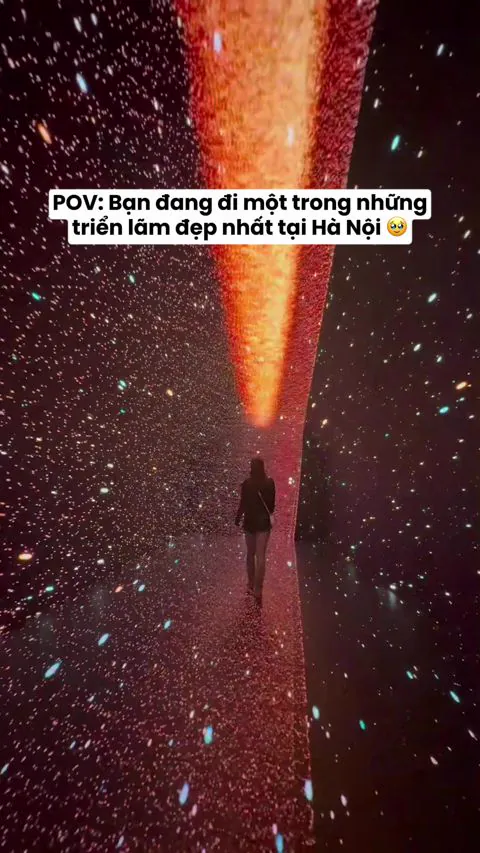
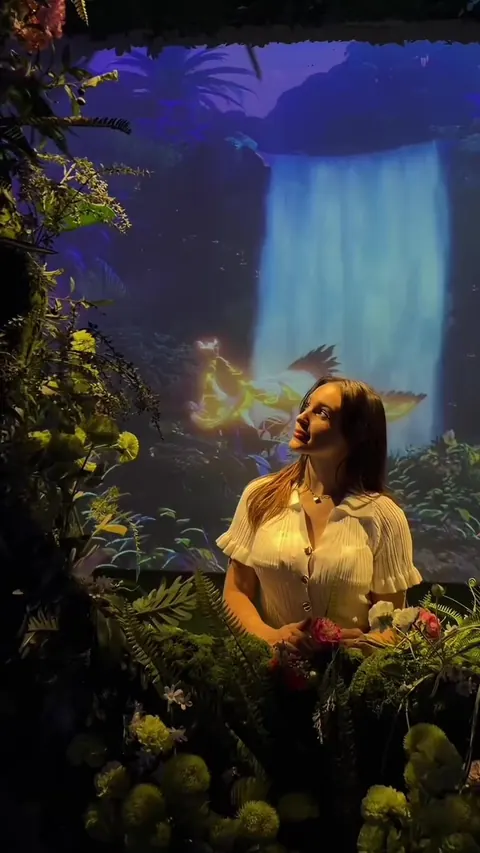
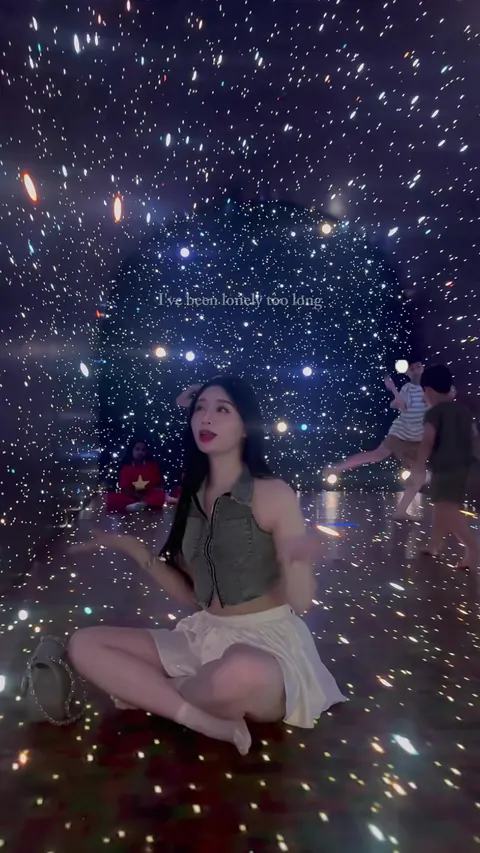
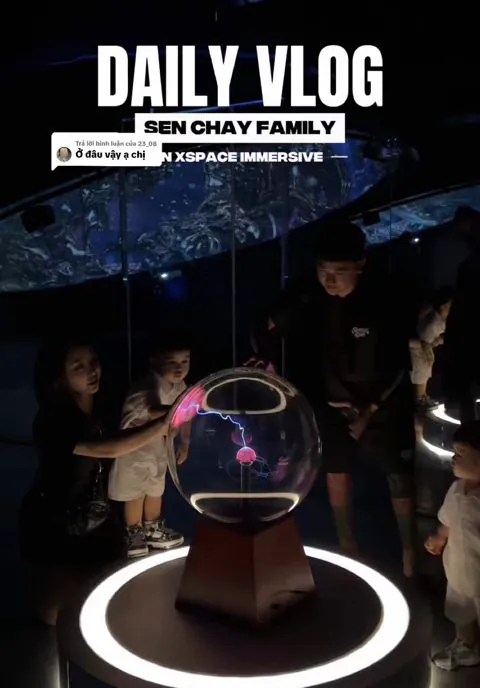
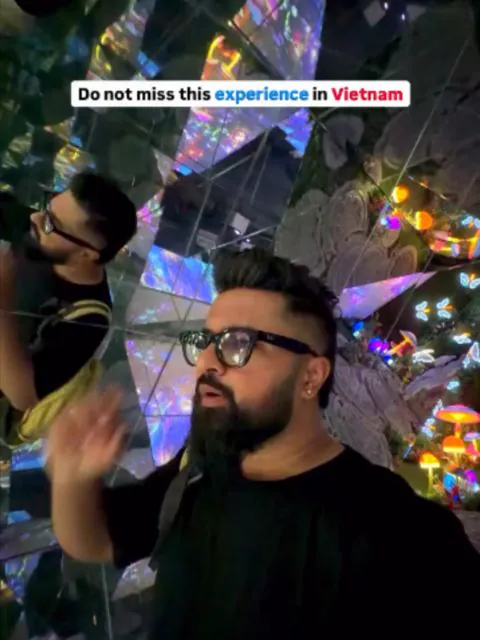
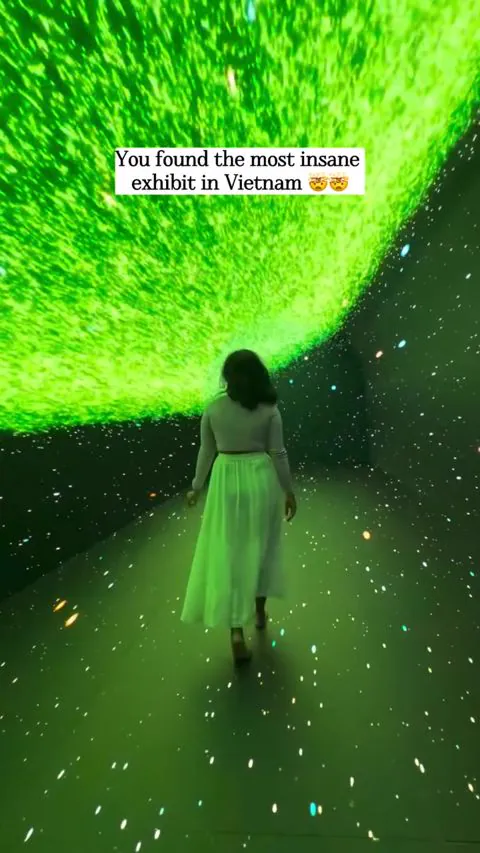
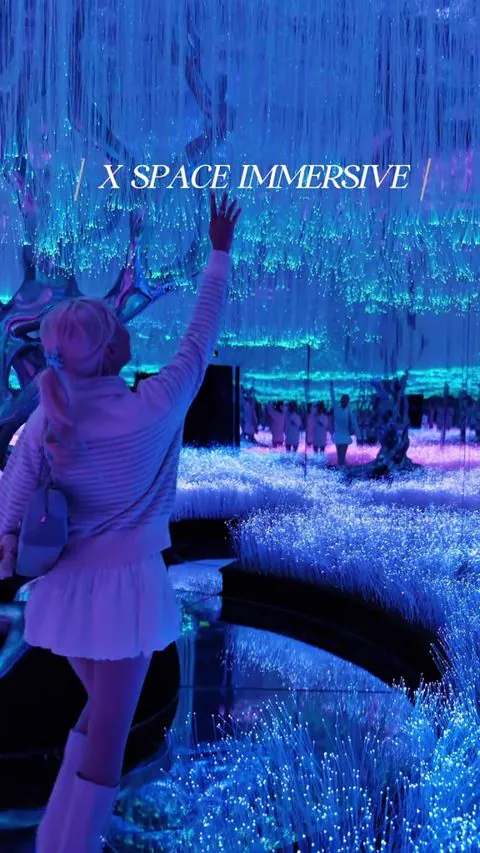
Experience X Space Immersive
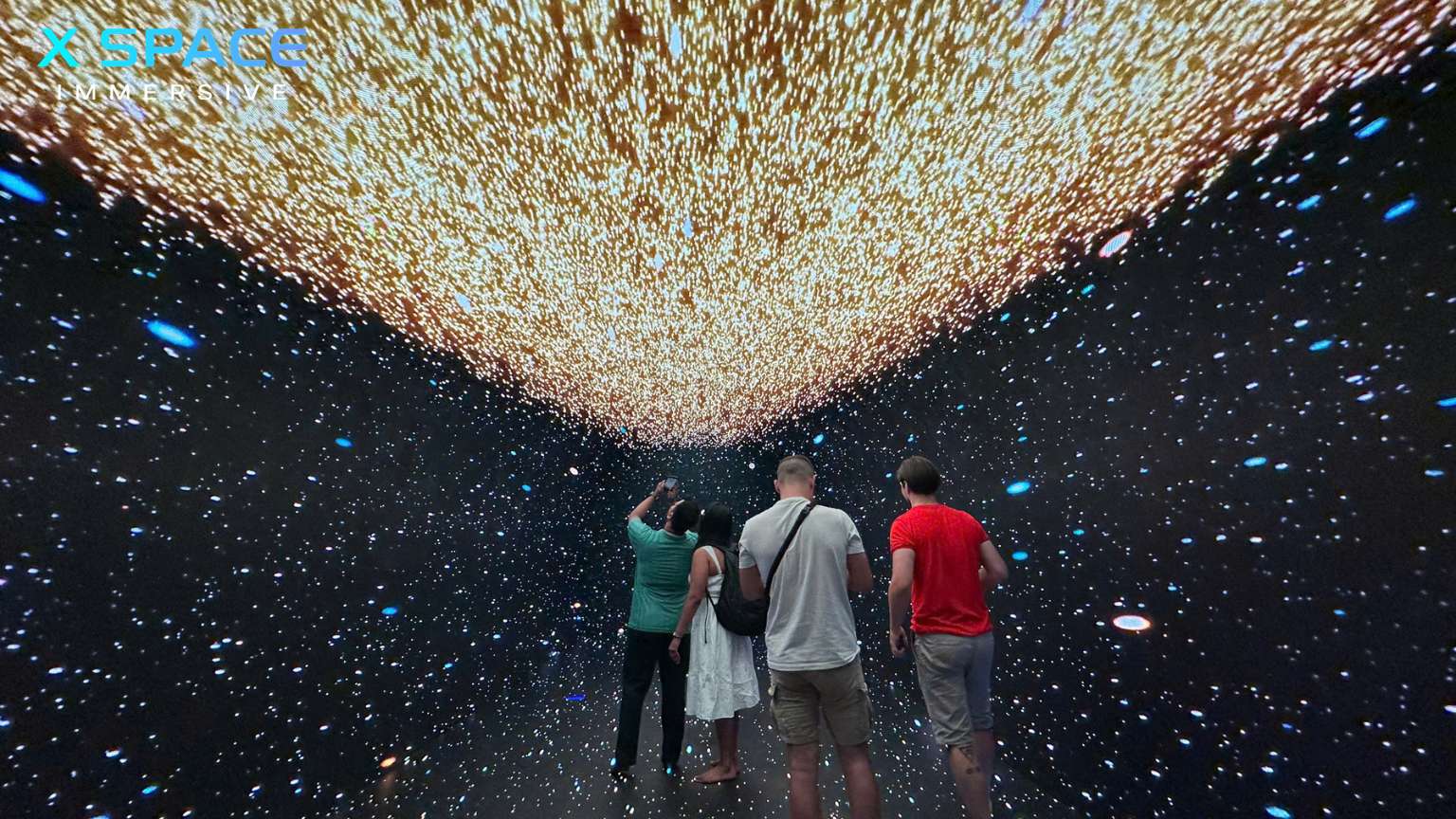
Experience X Space Immersive in Hanoi on a rainy day
Reading about immersive 3D is one thing—experiencing it firsthand is something entirely different.
At X Space Immersive, technology and creativity come together to create a destination where visitors don’t simply observe digital content—they become part of it. Every installation is carefully designed to stimulate the senses through breathtaking visuals, spatial audio, interactive storytelling, and innovative digital environments that transform ordinary spaces into extraordinary experiences.
Whether you’re visiting with family, exploring with friends, organizing a corporate event, or searching for fresh creative inspiration, X Space Immersive offers an unforgettable journey that goes far beyond traditional exhibitions.
Why Visit X Space Immersive?
Every immersive environment is designed around one simple goal: creating memorable moments that inspire curiosity and emotional connection.
Visitors can expect:
- Large-scale immersive visual environments
- Interactive digital art installations
- Multi-sensory storytelling experiences
- Innovative immersive projection technology
- Creative spaces designed for photography and social sharing
- Experiences suitable for visitors of all ages
Rather than following a fixed route, guests are encouraged to explore each space at their own pace, discovering new perspectives and interactive moments throughout the journey.
Every visit feels unique because immersive environments naturally invite exploration.
Where Art Meets Technology
Modern immersive experiences are no longer defined by screens alone.
At X Space Immersive, advanced immersive room technology combines synchronized projection, dynamic lighting, spatial audio, and interactive media to create environments that respond to both movement and imagination.
These experiences demonstrate how immersive 3D technology can transform storytelling into something audiences can physically explore.
Instead of watching digital content, visitors step inside it.
This seamless integration of technology and creativity creates powerful emotional engagement while showcasing the future of experiential entertainment.
Perfect for Every Occasion
Immersive environments appeal to a wide variety of audiences.
X Space Immersive is an ideal destination for:
- Families looking for engaging weekend activities
- Couples seeking memorable date experiences
- Tourists exploring modern digital attractions
- Schools organizing educational field trips
- Corporate teams hosting events or team-building activities
- Brands planning immersive product launches
- Content creators searching for visually inspiring locations
The flexibility of immersive environments makes every visit enjoyable regardless of age or background.
Experience the Future of Visual Engagement
As digital storytelling continues to evolve, immersive experiences are becoming one of the most effective ways to educate, entertain, and inspire.
From interactive exhibitions and artistic installations to innovative business presentations, immersive 3D is changing how people connect with information and with one another.
If you’re ready to discover what the future of visual engagement looks like, there’s no better place to begin than X Space Immersive.
Step inside.
Explore every corner.
Interact with breathtaking digital worlds.
Experience stories that surround you from every direction.
Because the future isn’t just something you watch.
It’s something you experience.
Frequently Asked Questions (FAQ)
What is immersive 3D?
Immersive 3D is a technology-driven experience that combines three-dimensional visuals, spatial audio, interactive elements, and real-time responsiveness to create the feeling of being fully surrounded by digital content. Unlike traditional 3D displays, immersive environments encourage users to actively participate rather than simply observe.
What is the difference between immersive 3D and virtual reality?
While both technologies create engaging digital experiences, they differ in how users interact with them.
Virtual Reality (VR) typically requires a headset that completely replaces the physical world with a virtual one. Immersive 3D, on the other hand, often uses projection systems, interactive displays, or immersive room technology to transform physical spaces without requiring wearable devices, allowing multiple people to enjoy the experience together.
Where is immersive 3D technology used?
Today, immersive 3D technology is used across many industries, including:
- Museums and cultural exhibitions
- Digital art installations
- Retail and experiential marketing
- Education and professional training
- Architecture and real estate
- Tourism attractions
- Corporate events
- Entertainment venues
Its flexibility makes it suitable for both educational and commercial applications.
How does immersive projection technology work?
Immersive projection technology uses multiple synchronized projectors, media servers, and projection mapping software to display high-resolution visuals across walls, floors, ceilings, or architectural structures. The result is a seamless environment where digital content surrounds visitors and creates an engaging multi-sensory experience.
What is immersive room technology?
Immersive room technology transforms an enclosed space into an interactive digital environment using synchronized projections, motion sensors, spatial audio, and real-time content management systems. Visitors can move freely within the room while the digital environment responds dynamically to their actions.
Is immersive 3D suitable for businesses?
Absolutely. Businesses increasingly use immersive experience technology to create memorable customer experiences, launch products, showcase innovations, strengthen brand engagement, and host immersive corporate events. These experiences often generate higher audience interaction, stronger emotional connections, and greater social media visibility compared with traditional presentations.
Conclusion
As technology continues to evolve, immersive 3D is reshaping the future of visual engagement by transforming the way people connect with digital content. From interactive storytelling to innovative brand experiences, immersive solutions create deeper emotional connections and lasting impressions. Whether for entertainment, education, or business, embracing immersive 3D is a powerful step toward delivering more engaging and memorable experiences.
Was this article helpful?
Thanks for your feedback!