Things to Do in Hanoi Vietnam: 25 Must-See Attractions & Tips

Looking for the best things to do in Hanoi Vietnam? From the lively streets of the Old Quarter and peaceful lakeside temples to flavorful local dishes and immersive modern experiences, Hanoi offers something memorable around every corner. This guide highlights 25 must-see attractions, practical travel tips, and unique activities to help you experience the very best of Vietnam’s captivating capital.
In this guide
Why Hanoi Should Be on Your Vietnam Travel Itinerary
Hanoi is one of those rare cities where history is not hidden behind museum glass. It lives in the names of old streets, in family-run food stalls, in pagodas surrounded by modern buildings and in lakeside routines repeated every morning.
The city has more than a thousand years of history and reflects a distinctive blend of Vietnamese traditions, Chinese cultural influences and French colonial architecture. Its heritage can be seen in places such as the Temple of Literature, the Imperial Citadel of Thang Long, the Old Quarter and the tree-lined boulevards of Ba Dinh.
Hanoi is also wonderfully flexible. History lovers can spend days exploring monuments and museums. Food-focused travelers can plan an entire trip around phở, bún chả, bánh cuốn and egg coffee. Couples can enjoy peaceful evenings by West Lake, while families can mix educational attractions with puppet shows, workshops and immersive experiences.
Most importantly, Hanoi rewards curiosity. Step away from the main road, follow the smell of grilled pork into a small alley, or sit beside a lake with nowhere else to be. Those unplanned moments often become the most meaningful memories.
25 Best Things to Do in Hanoi Vietnam
1. Walk Around Hoan Kiem Lake
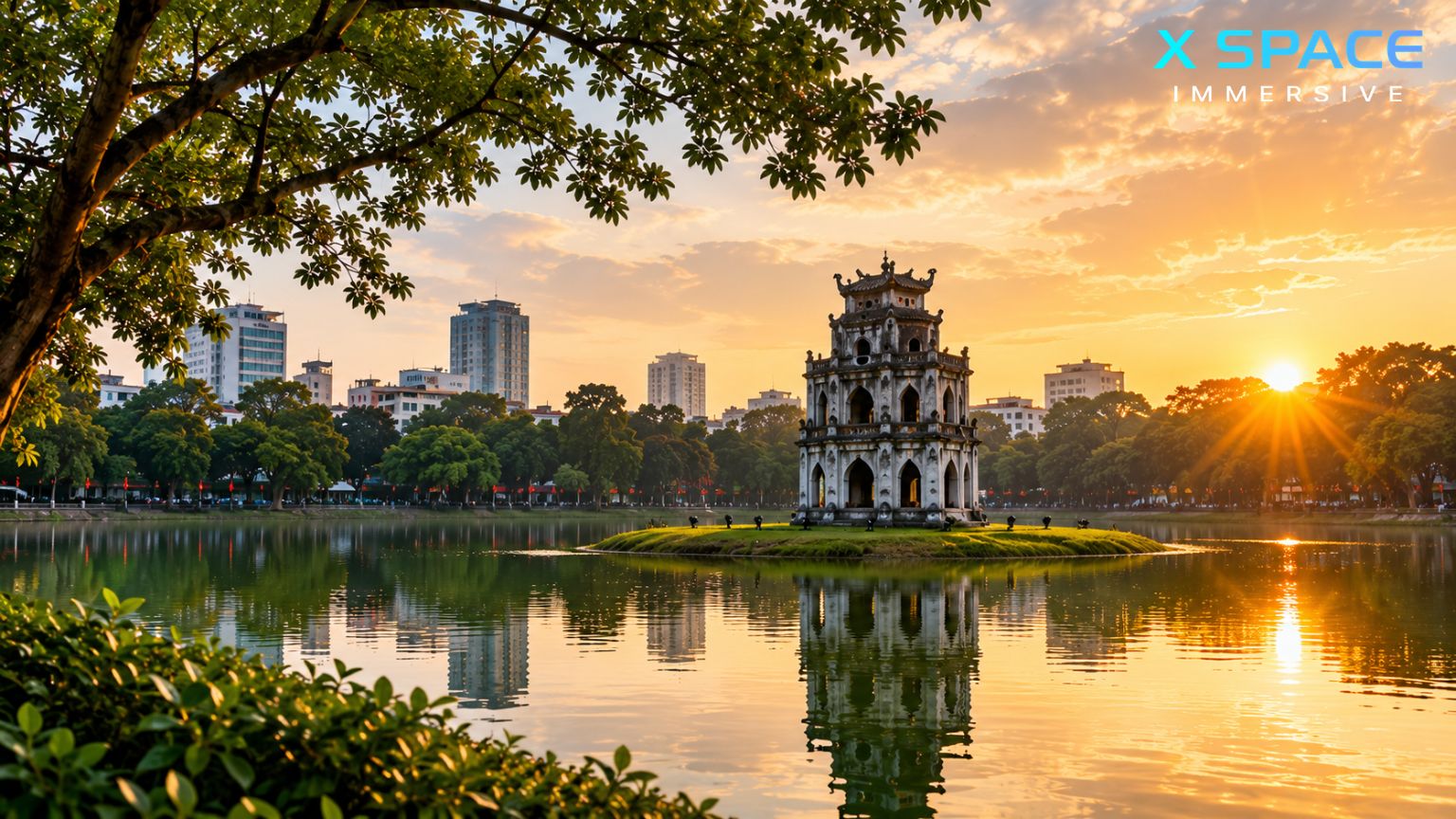
Hoan Kiem Lake in Hanoi Vietnam with Turtle Tower at sunrise
Hoan Kiem Lake is the natural starting point for exploring central Hanoi. The water, trees and shaded paths create a gentle pause between the busy Old Quarter and the elegant streets south of the lake.
Begin early in the morning to see local residents exercising, walking, stretching and chatting beside the water. In the evening, return when the lights appear around Turtle Tower and the surrounding streets feel livelier.
On pedestrian-street days, the area becomes a shared public space filled with families, performers and informal games. It is one of the easiest places to observe the warm, social rhythm of Hanoi.
2. Visit Ngoc Son Temple
A bright red bridge leads from the lakeside to Ngoc Son Temple, located on a small island in Hoan Kiem Lake. The short walk across The Huc Bridge feels like a transition from the energetic city into a more contemplative space.
Inside, visitors can admire traditional decorative details and learn about figures connected to Vietnamese history and spiritual life. The temple is compact, so it fits easily into a walking tour of the Old Quarter.
Dress respectfully, speak quietly and allow around 30 minutes for the visit. Current opening times and admission policies should be checked before arrival, particularly during public holidays.
3. Explore Hanoi Old Quarter
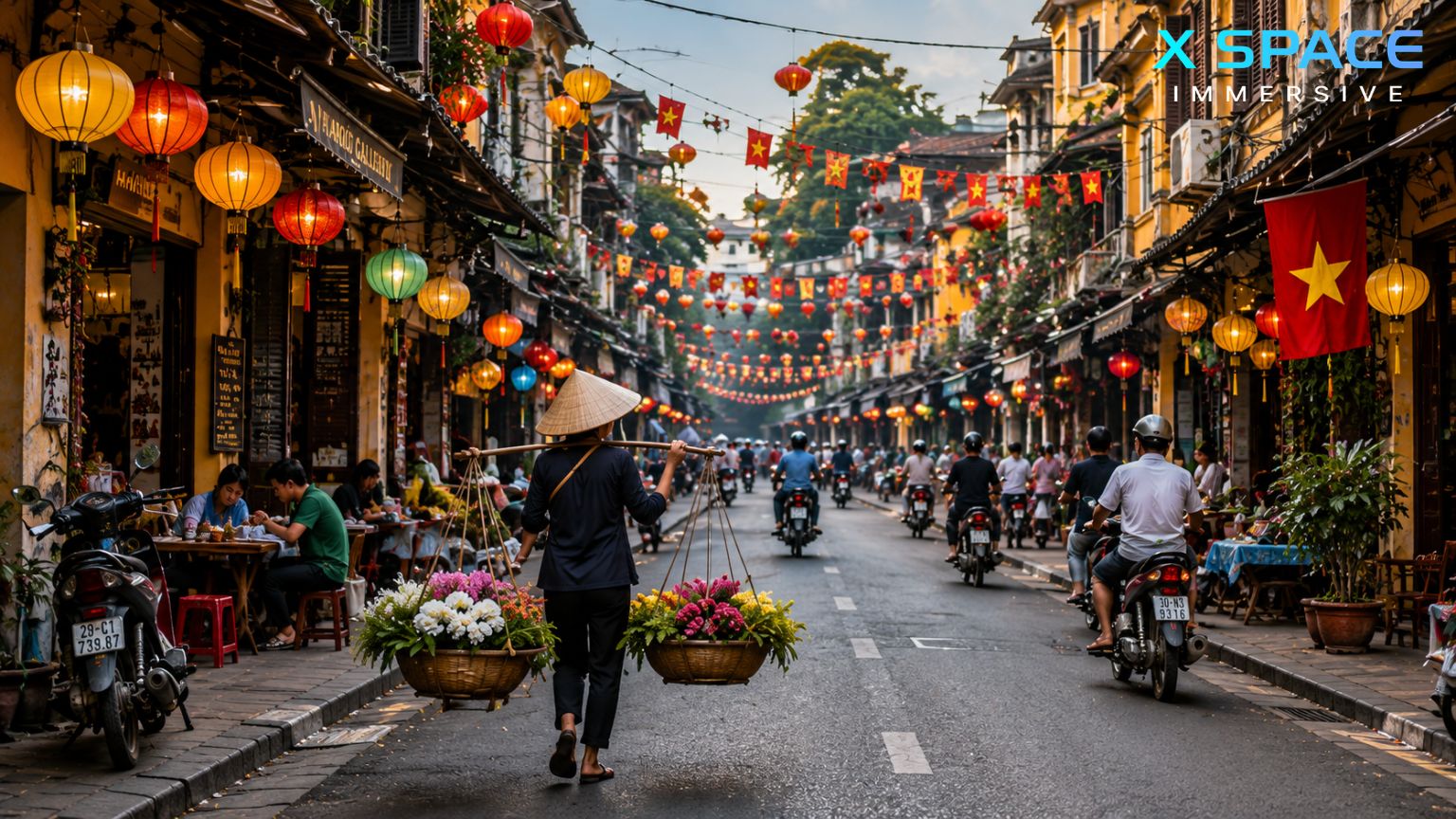
Hanoi Old Quarter street with colorful lanterns, local shops and vibrant daily life
No list of things to do in Hanoi would be complete without the Old Quarter. Its streets are packed with narrow houses, food stalls, cafés, shops, temples and small businesses that often seem to spill directly onto the pavement.
Historically, many streets were associated with particular crafts or goods, and several street names still reflect those trading traditions. Although the neighborhood has changed, its dense layout and commercial energy remain central to Hanoi’s identity.
Do not rush through it. Walk without a strict route, but keep a map available because the streets can become confusing. Look beyond the shopfronts for hidden courtyards, communal houses and upper-floor balconies.
This is the classic thing to do in Hanoi for first-time visitors, but it remains rewarding even after several visits.
4. Try Hanoi Street Food
Food is one of the most enjoyable ways to understand Hanoi. Meals are often simple in appearance but carefully balanced through herbs, broth, texture, acidity and seasoning.
Start with a bowl of phở, then try bún chả with grilled pork, noodles, herbs and dipping sauce. Add bánh cuốn, sticky rice, crab noodle soup or a crispy snack from a street vendor. Hanoi is also known for dishes such as chả cá and many regional noodle preparations.
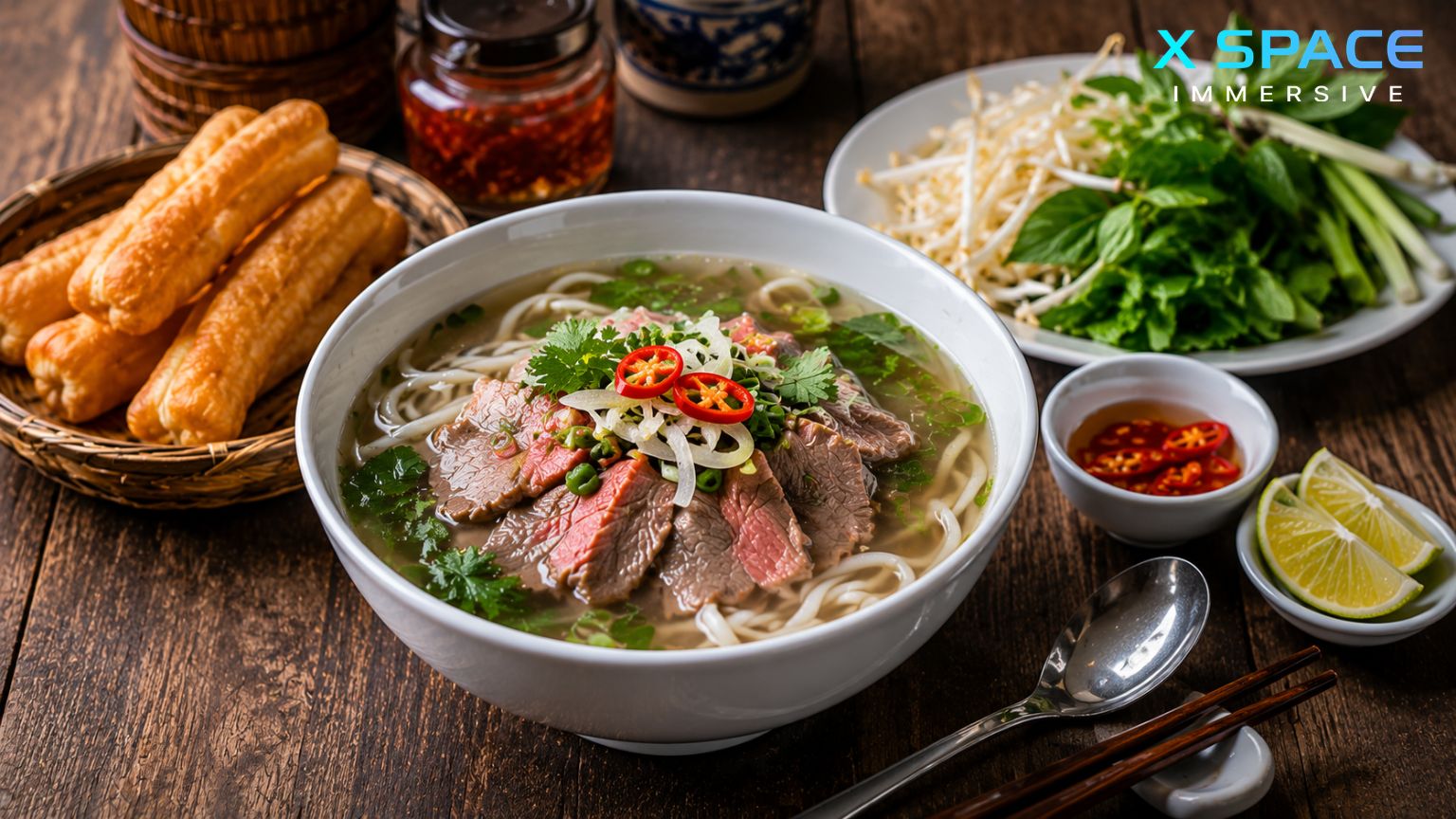
Traditional Hanoi street food featuring Vietnamese beef pho with fresh herbs and local ingredients
A guided food tour can be helpful on your first evening. Local guides explain how to combine ingredients, where dishes originated and how to find places you might otherwise walk past.
Choose busy stalls with steady customer turnover, and carry small notes for easier payment.
5. Drink Traditional Egg Coffee
Egg coffee sounds unusual until the first sip. A rich mixture of whipped egg yolk, sugar and condensed milk forms a creamy layer above strong Vietnamese coffee.
The drink is closer to a dessert than an ordinary cup of coffee. Some cafés serve it warm in a bowl of hot water, while others offer chilled versions.
Enjoy it slowly in one of the Old Quarter’s tucked-away cafés. The experience is not only about the flavor; it is also about climbing a narrow staircase, finding a small balcony and watching the city move below.
6. Visit the Temple of Literature
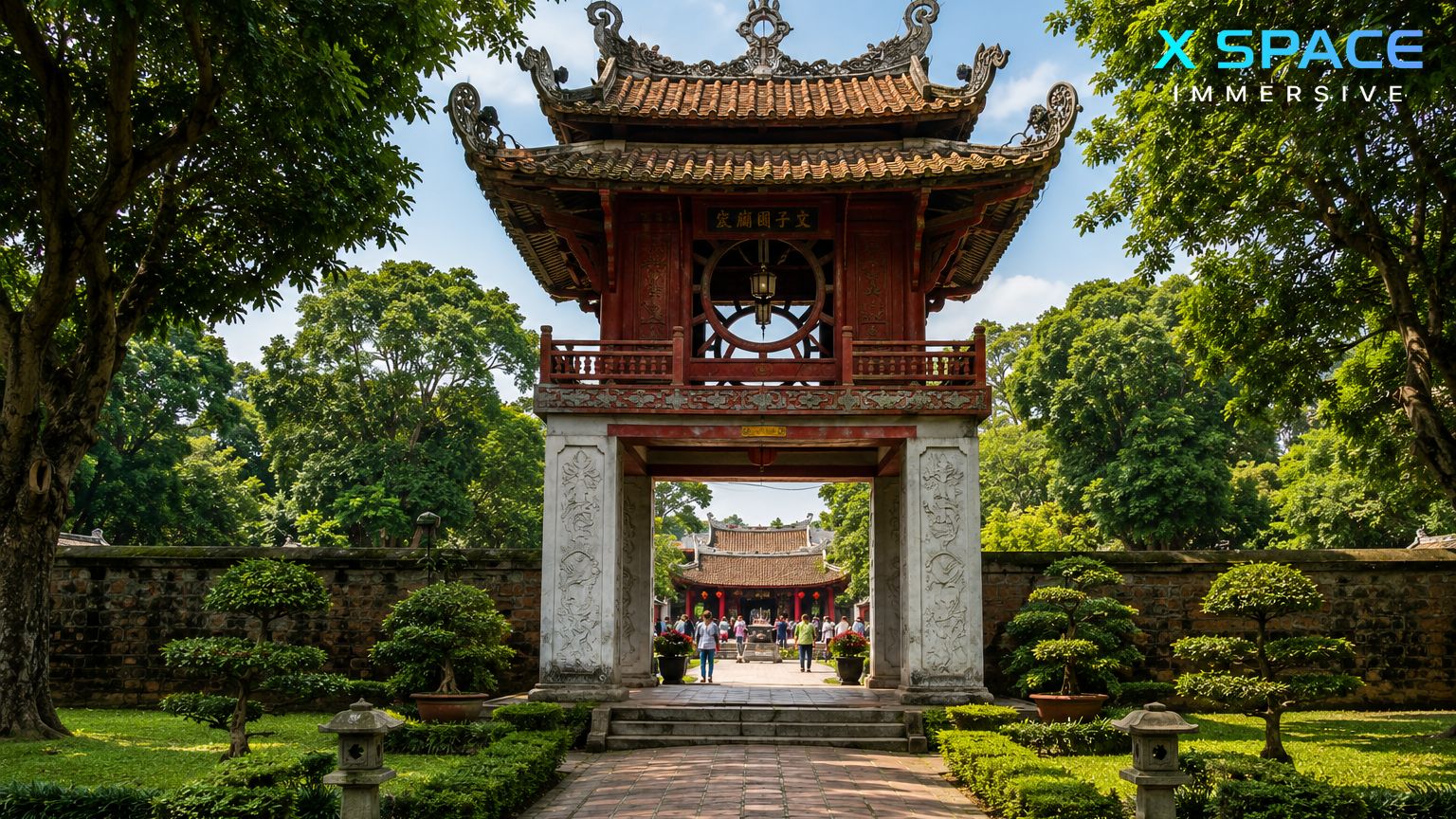
Temple of Literature in Hanoi Vietnam with traditional Vietnamese architecture and peaceful gardens
Founded in the 11th century, the Temple of Literature is associated with Confucian scholarship and Vietnam’s historic tradition of education. It is one of Hanoi’s most important heritage attractions and lies only a short distance from the Old Quarter.
The complex unfolds through a series of gates, courtyards, gardens and ceremonial spaces. Its stone stelae, pavilions and mature trees create a calm atmosphere that feels far removed from the traffic outside.
Visit in the morning for softer light and fewer tour groups. Allow at least an hour, especially when using an audio guide or reading the exhibitions.
7. Discover the Ho Chi Minh Mausoleum Complex
The Ba Dinh area offers insight into Vietnam’s modern political history. Its best-known landmark is the Ho Chi Minh Mausoleum, surrounded by broad ceremonial spaces and several related sites.
Depending on access and opening arrangements, visitors may also explore the Presidential Palace grounds, Ho Chi Minh’s Stilt House and nearby gardens. Security and clothing rules can be stricter here than at ordinary tourist attractions.
Wear clothing that covers your shoulders and knees, avoid loud conversation and check official visitor information before traveling to the complex. Opening schedules may change for maintenance, ceremonies or national events.
8. See the One Pillar Pagoda
Near the mausoleum complex, the One Pillar Pagoda is one of Hanoi’s most recognizable religious structures. The small wooden pagoda appears to rise above a pond on a single central support, creating an image often compared to a lotus flower.
The visit itself is brief, but the building carries strong symbolic value and is easy to combine with other Ba Dinh attractions.
Pause to observe the structure from different angles rather than treating it as a quick photo stop. As at any active spiritual site, behave respectfully and avoid blocking worshippers.
9. Learn History at Hoa Lo Prison Relic
Hoa Lo Prison Relic offers a serious and often emotional introduction to periods of colonial rule, imprisonment and war.
The exhibitions use photographs, artifacts, reconstructed spaces and personal accounts to present different chapters of the site’s history. It is one of the attractions most frequently highlighted by visitors interested in Hanoi’s past.
Give yourself enough time to read the displays rather than moving quickly between rooms. An audio guide can add useful context. Because some content may be intense, families should consider whether it is suitable for younger children.
10. Admire St. Joseph’s Cathedral
With its neo-Gothic façade and tall towers, St. Joseph’s Cathedral creates a striking contrast with the surrounding cafés, shops and tightly packed streets.
The square in front of the cathedral is a popular meeting place. Young residents gather nearby for coffee, tea and conversation, especially in the late afternoon and evening.
Visit during daylight to appreciate the architecture, then return after dark when the area becomes more atmospheric. Access to the interior may depend on services and church activities, so visitors should enter quietly and respectfully.
11. Watch a Traditional Water Puppet Show

Traditional water puppet show performance in Hanoi Vietnam with colorful wooden puppets
Water puppetry is one of Hanoi’s most accessible traditional cultural performances. Wooden puppets appear to move across the surface of a pool while musicians and singers provide live accompaniment.
Stories often draw from village life, folklore and agricultural traditions. Even without understanding every word, international visitors can follow the humor, movement and visual storytelling.
A performance is a convenient thing to do in Hanoi Vietnam for families, couples and travelers with limited time. Book ahead during busy travel periods and arrive early enough to find your seat without disturbing the performance.
12. Visit the Vietnam Museum of Ethnology
The Vietnam Museum of Ethnology introduces visitors to the traditions, clothing, tools, architecture and daily life of Vietnam’s many ethnic communities.
Its combination of indoor exhibitions and outdoor architectural displays makes it particularly engaging. Full-scale or reconstructed traditional houses allow visitors to explore cultural practices in a more tangible way.
Set aside at least two hours. The museum is outside the Old Quarter, so combine the visit with another attraction in the same part of the city rather than making several separate trips across Hanoi.
13. Explore the Imperial Citadel of Thang Long
The Imperial Citadel of Thang Long reflects Hanoi’s long history as a center of political power. Archaeological remains, gates, historic buildings and underground spaces reveal how different eras overlap within the same complex.
This is not an attraction to rush. Some of its significance becomes clearer when you read the background information or join a guided tour.
Wear comfortable shoes and bring water in warm weather, as parts of the site involve outdoor walking. Travelers interested in history should reserve at least 90 minutes.
14. Walk Along Phan Dinh Phung Street
Phan Dinh Phung Street offers a softer, more spacious side of Hanoi. Tall trees shade the road, while historic villas, walls and government buildings create an elegant backdrop.
It is especially photogenic when leaves change, flowers bloom or sunlight filters through the canopy. Early morning is the best time for a peaceful walk and cleaner photographs.
Combine the street with nearby attractions in Ba Dinh, such as the Imperial Citadel or Cua Bac Church.
15. Visit Tran Quoc Pagoda
Standing beside West Lake, Tran Quoc Pagoda is among Hanoi’s most visually memorable spiritual sites. Its red tower, temple roofs and waterside setting create a serene composition, particularly around sunset.
Because it remains an active religious location, visitors should dress modestly and avoid intrusive photography. Some parts may be closed during ceremonies.
Arrive before sunset to explore quietly, then continue walking along the lake as the sky changes color.
16. Watch the Sunset at West Lake
West Lake feels more open and relaxed than the dense center of Hanoi. Its shoreline is lined with cafés, restaurants, residential streets, temples and quiet corners where residents gather at the end of the day.
Rent a bicycle, take a gentle walk or find a café facing west. The lake is large, so choose one section rather than attempting to explore the entire shoreline at once.
For couples, this is one of the most romantic things to do in Hanoi. For solo travelers, it is a welcome opportunity to pause after a busy sightseeing schedule.
17. Explore Quang Ba Flower Market
Quang Ba Flower Market is at its most active long before many travelers wake up. Vendors unload roses, lilies, chrysanthemums and seasonal flowers under artificial lights, creating a colorful scene in the early hours.
The experience offers a glimpse into the supply network behind Hanoi’s flower shops and street sellers. It feels completely different from a daytime tourist market.
Arrive early, stay aware of moving carts and motorbikes, and always ask before taking close-up photographs of vendors.
18. Shop at Dong Xuan Market
Dong Xuan Market is a vast trading space near the northern edge of the Old Quarter. Its indoor and surrounding outdoor areas sell clothing, household goods, accessories, souvenirs and food.
It is more valuable as a cultural and sensory experience than as a polished shopping destination. Walk slowly, observe how goods are traded and explore the food lanes nearby.
Prices may not always be fixed. Ask politely, compare before purchasing and keep personal belongings secure in crowded areas.
19. Approach Hanoi Train Street Responsibly
Hanoi Train Street became internationally famous for the extraordinary closeness between the railway line, residential buildings and cafés. However, access and operations have repeatedly been affected by safety concerns and local regulations.
Recent reporting indicates that authorities have continued considering changes to train operations and management of the area. Travelers should therefore avoid relying on old online schedules or assuming unrestricted access.
Never enter a restricted railway section, follow instructions from local authorities and do not stand on the tracks for photographs. A memorable travel experience is never worth creating danger for yourself, residents or railway staff.
20. Join a Vietnamese Cooking Class
A cooking class turns Hanoi’s food culture into a hands-on experience. Many programs begin at a local market, where participants learn about herbs, vegetables, sauces and everyday ingredients.
Back in the kitchen, you might prepare spring rolls, noodle dishes, dipping sauces or a complete family-style meal. Classes are usually suitable for beginners and are a natural way to meet other travelers.
Mention allergies and dietary requirements before booking. Choose a small-group class when possible, as it allows more interaction with the instructor.
21. Take a Cyclo Ride Through the City
A cyclo ride offers a low-speed view of Hanoi’s streets. From the passenger seat, you can notice shop signs, balconies, food stalls and street life that may blur past from a car.
The Old Quarter and French Quarter are the most atmospheric areas for a short ride. Agree on the price, route and total duration before starting to prevent misunderstandings.
Avoid rush hour, when heavy traffic can make the journey less comfortable. A 30- to 60-minute ride is usually enough to enjoy the experience.
22. Experience Hanoi’s Nightlife
Hanoi changes after sunset. Street-food stalls grow busier, cafés fill with conversation, and rooftop venues offer views over the city’s glowing streets.
Ta Hien is known for a lively social atmosphere, but nightlife in Hanoi extends far beyond one street. You can find cocktail bars, live music, jazz, craft drinks, late-night food and quiet lakeside venues.
Choose an area that suits your travel style. Solo visitors may prefer a guided evening food tour, while couples may enjoy a rooftop dinner or an intimate performance.
23. Visit Bat Trang Ceramic Village
Bat Trang is a traditional ceramic village on the outskirts of Hanoi. Workshops and stores display bowls, vases, decorative objects and everyday household items in a wide range of styles.
The highlight for many visitors is trying to shape or decorate a ceramic piece. The process is often imperfect, which makes the final object feel more personal.
Plan half a day, particularly if you want to join a workshop. Ask how fragile purchases will be packed before carrying them through the rest of your trip.
24. Take a Day Trip to Ninh Binh
Ninh Binh is one of the most popular day trips from Hanoi, known for limestone landscapes, rivers, caves, temples and countryside scenery.
A typical itinerary may include a boat journey at Trang An or Tam Coc, a historic site such as Hoa Lu and a viewpoint around Hang Mua. The day can be long, so avoid packing too many separate attractions into one trip.
An organized tour is convenient, while independent travel offers greater flexibility. Staying overnight provides a slower and more peaceful experience than returning to Hanoi on the same day.
25. Explore Duong Lam Ancient Village
Duong Lam offers an introduction to traditional village architecture and rural life within reach of Hanoi. Old houses, communal spaces, narrow lanes and local specialties create a strong contrast with the capital’s urban center.
Walk respectfully, remembering that many historic buildings are still private homes. A local guide can explain family traditions, construction materials and the role of communal buildings.
This is an excellent choice for travelers who have already seen Hanoi’s major landmarks and want a quieter cultural experience.
Best Free Things to Do in Hanoi
Hanoi can be deeply rewarding even on a limited budget. Many of its most memorable experiences happen in public spaces rather than ticketed attractions.
Walk around Hoan Kiem Lake at sunrise, explore the Old Quarter’s narrow lanes, admire the cathedral from its square or watch the sunset beside West Lake. On suitable evenings, browse local markets and observe street-food culture without needing to order a full meal at every stop.
Other free things to do in Hanoi Vietnam include photographing colonial architecture from public streets, relaxing in city parks and visiting neighborhood markets. Some temples and cultural sites may also offer free access to public areas, although policies can change.
The key is to slow down. Hanoi’s daily life—morning exercise, tea stalls, flower sellers and family gatherings—is an attraction in itself.
Unique and Non-Touristy Things to Do in Hanoi
Once you have seen the main landmarks, give yourself time to experience ordinary Hanoi.
Wake early and visit a neighborhood wet market. Drink iced tea at a pavement stall. Explore a residential area with old apartment blocks, or choose a café hidden inside a heritage building. Attend a craft workshop, browse a small contemporary gallery or try a dish that rarely appears on international “must-eat” lists.
You can also spend an afternoon following a theme rather than a famous route. Search for traditional doors, old shop signs, quiet pagodas or examples of French-Vietnamese architecture.
The best non-touristy experiences come from curiosity combined with respect. Avoid treating residential areas as staged attractions, ask permission before photographing people and support small local businesses when using their spaces.
Things to Do in Hanoi for Different Types of Travelers
Things to Do in Hanoi for First-Time Visitors
First-time visitors should prioritize experiences that reveal different sides of the city. Begin with Hoan Kiem Lake and the Old Quarter, then visit the Temple of Literature or Imperial Citadel for historical context.
Add at least one food experience, such as a street-food tour or cooking class, and one performance or museum. This combination provides a balanced introduction without turning your trip into a race between attractions.
Things to Do in Hanoi for Couples
Couples can walk around West Lake at sunset, share egg coffee in a hidden café or book a rooftop dinner overlooking the city.
For a more personal day, combine a ceramic workshop with a quiet meal or plan a photography walk through the French Quarter. Evening performances and immersive art experiences also work well when you want something more memorable than a standard restaurant reservation.
Things to Do in Hanoi with Kids
Families can consider water puppetry, the Museum of Ethnology, ceramic painting and interactive cultural activities.
Balance museums with open spaces around lakes and parks. Hanoi’s traffic can be tiring for young children, so avoid scheduling too many locations in one day. Use reliable transport between districts and take regular breaks.
Things to Do in Hanoi at Night
After dark, join a food tour, explore a night market, listen to live music or enjoy the lights around Hoan Kiem Lake.
Some cultural attractions periodically offer evening programs, but schedules can vary. Verify availability before building your itinerary around a particular night tour.
For a modern alternative, consider an immersive visual experience where art, technology, sound and storytelling create a completely different way to spend an evening in Hanoi.
What to Do in Hanoi Vietnam in 1, 2 or 3 Days
Hanoi One-Day Itinerary
Start early at the Ho Chi Minh Mausoleum area, then continue to the Temple of Literature. Have lunch at a local restaurant before exploring the Old Quarter on foot.
In the late afternoon, visit Ngoc Son Temple and walk around Hoan Kiem Lake. Finish with street food and a water puppet performance.
This schedule is busy but introduces the city’s history, food and street life.
Hanoi Two-Day Itinerary
Follow the one-day route at a gentler pace on your first day.
On day two, visit the Imperial Citadel or Museum of Ethnology, then spend the late afternoon around Tran Quoc Pagoda and West Lake. End with live music, a creative performance or an immersive evening experience.
Hanoi Three-Day Itinerary
Use the first two days to explore central Hanoi and its major cultural attractions.
On day three, choose a day trip according to your interests. Visit Ninh Binh for dramatic scenery, Bat Trang for crafts or Duong Lam for village architecture.
Travelers wondering what to do in Hanoi Vietnam for three days should resist the temptation to see everything. A thoughtful selection creates a richer experience than a tightly packed checklist.
Best Time to Visit Hanoi
Hanoi has distinct seasonal changes, and each period creates a different atmosphere.
Spring can bring mild temperatures, humidity and occasional rain. Summer is hot and often humid, making early starts and indoor breaks important. Autumn is widely appreciated for more comfortable walking weather, while winter can feel cool, grey and surprisingly chilly.
Pack layers during the cooler months and breathable clothing during summer. A light rain jacket or compact umbrella is useful for much of the year.
Weather patterns vary, so check a reliable forecast shortly before your visit rather than relying only on general seasonal descriptions.
Essential Hanoi Travel Tips for First-Time Visitors
Crossing the road may initially feel intimidating. Move steadily and predictably, use pedestrian crossings where available and avoid sudden changes of direction.
For transport, ride-hailing services can make prices and destinations clearer. When using taxis or cyclos, confirm the expected fare or use an official meter.
Carry some cash because small stalls may not accept international cards. Keep valuable belongings secure in crowded areas and avoid placing your phone loosely near the edge of the road.
Dress modestly when visiting temples, pagodas, mausoleums and religious buildings. Speak softly, follow signs and never interrupt ceremonies for photographs.
Finally, do not overplan. Traffic, weather and unexpected discoveries can change your schedule. Leave room to sit, wander and enjoy Hanoi without constantly checking the time.
Where to Stay in Hanoi for Easy Sightseeing
Hanoi Old Quarter
The Old Quarter is ideal for travelers who want to be surrounded by food, shopping and street life. Many central attractions are within walking distance, although noise can be an issue on busy streets.
Choose a room away from the main road when you prefer a quieter night.
Hoan Kiem District
The wider Hoan Kiem area offers excellent access to the lake, Old Quarter, French Quarter and central cultural venues.
It is one of the most convenient choices for a first visit because it reduces the amount of daily transport you need.
West Lake
West Lake suits travelers who prefer larger spaces, international dining and a calmer residential atmosphere.
It is farther from some central attractions, but the lakeside environment can be refreshing during a longer stay.
Ba Dinh District
Ba Dinh is a practical base for history lovers. The mausoleum complex, Imperial Citadel and several museums are nearby.
The district generally feels less tourist-heavy at night than the Old Quarter, making it suitable for travelers who value quieter surroundings.
FAQ About Things to Do in Hanoi
What are the best things to do in Hanoi Vietnam?
The essential experiences include exploring the Old Quarter, walking around Hoan Kiem Lake, trying Hanoi street food, visiting the Temple of Literature, seeing the Imperial Citadel, watching a water puppet show and enjoying sunset at West Lake.
Your ideal list should combine major landmarks with food and everyday local experiences.
How many days should I spend in Hanoi?
Two or three full days are enough for the main attractions. Four or five days allow you to explore more slowly, visit additional museums and take a day trip to Ninh Binh, Bat Trang or Duong Lam.
Is Hanoi expensive for tourists?
Hanoi can suit a wide range of budgets. Street food, local cafés and public transport can be inexpensive, while boutique hotels, private tours and fine dining provide more premium options.
Your total cost will depend more on accommodation and organized activities than on everyday meals.
Is Hanoi safe for solo travelers?
Hanoi is generally approachable for solo visitors, but normal urban precautions remain important. Protect your belongings, use reliable transport, avoid poorly lit unfamiliar areas late at night and stay alert around traffic.
Solo food tours and workshops are also easy ways to meet people.
What is the best thing to do in Hanoi for first-time visitors?
Exploring the Old Quarter and Hoan Kiem Lake is the best introduction. Together, they offer street food, historic architecture, religious sites, shopping and daily local life within a compact area.
Are there free things to do in Hanoi?
Yes. Walking around the lakes, exploring the Old Quarter, visiting public squares, browsing neighborhood markets and admiring historic buildings from the street are among the best free activities.
Is “things yo do in hanoi” the same as “things to do in Hanoi”?
Yes. “Things yo do in Hanoi” is a common typing error for “things to do in Hanoi.” Both searches usually reflect the same intention: finding attractions, activities and travel experiences in Vietnam’s capital.
Experience X Space Immersive: A New Way to Discover Hanoi

Visitors enjoying X Space Immersive digital art experience in Hanoi
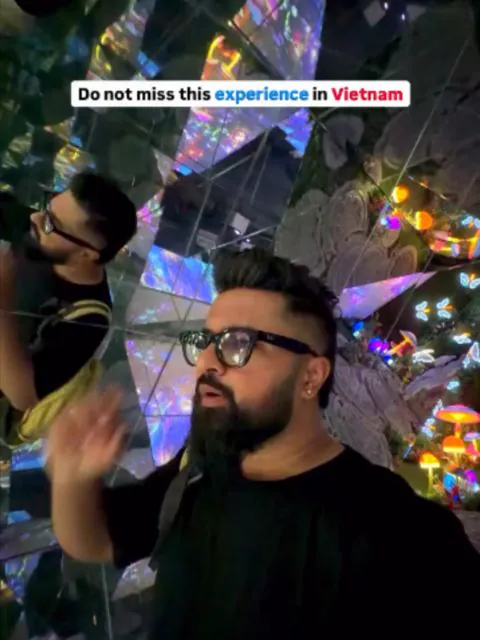
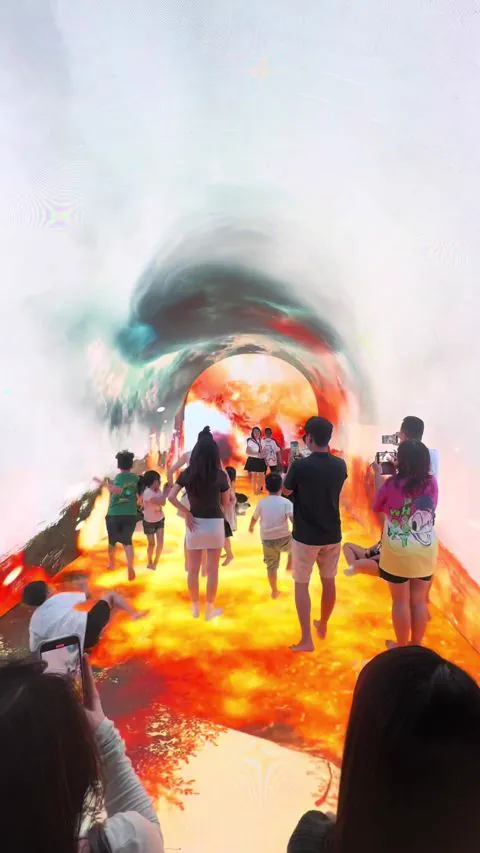
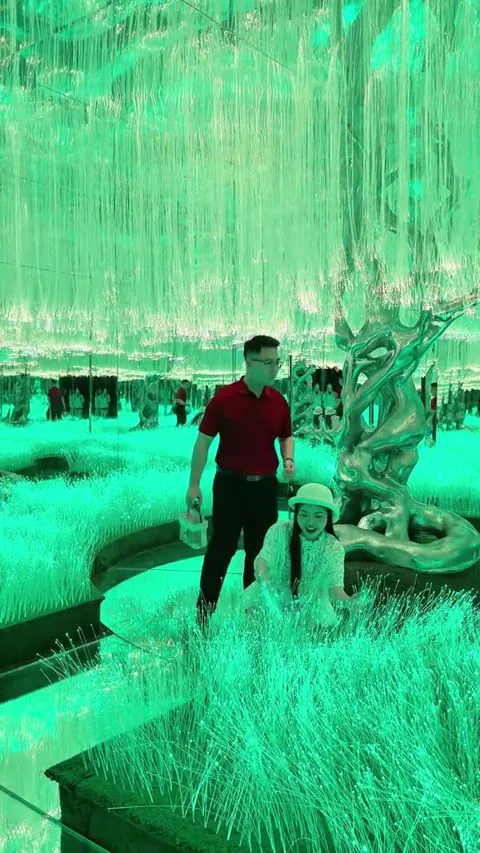
After temples, markets and historic streets, end your Hanoi journey with something contemporary. Experience X Space Immersive offers an opportunity to move beyond conventional sightseeing and step into an environment shaped by visuals, sound, light and spatial storytelling.
An immersive experience can be especially appealing after several days of traditional attractions. Instead of observing exhibits from a distance, visitors become part of the atmosphere. Changing projections, layered audio and carefully designed environments can encourage you to slow down, look more closely and experience a story through multiple senses.
It is a fitting choice for couples looking for an unusual date, families seeking an engaging indoor activity, groups of friends wanting creative photographs and international travelers interested in Hanoi’s evolving entertainment scene.
Consider adding Experience X Space Immersive to a late-afternoon or evening itinerary. Spend the morning discovering the capital’s heritage, enjoy lunch in the Old Quarter, rest at a café and then transition into a modern, technology-led experience.
Because ticket availability, program content, address details and operating schedules may change, confirm all practical information directly through the venue’s official booking channel before visiting. This also helps you choose the most suitable session and understand any age, photography or arrival requirements.
Hanoi’s beauty lies in its contrasts: old and new, quiet and chaotic, intimate and monumental. An immersive experience provides a contemporary final chapter to that story.
Book your Experience X Space Immersive journey and discover a different side of Hanoi—one where art, imagination and technology transform the way you see the city.
Conclusion
From ancient temples and historic streets to street food, traditional performances, and creative attractions, Hanoi is a city full of unforgettable contrasts. Whether you are visiting for one day or an entire week, these things to do in Hanoi Vietnam will help you discover the capital’s culture, flavors, and everyday charm. Complete your journey with Experience X Space Immersive and explore a fresh, imaginative side of Hanoi through art, technology, light, and sound.
Was this article helpful?
Thanks for your feedback!