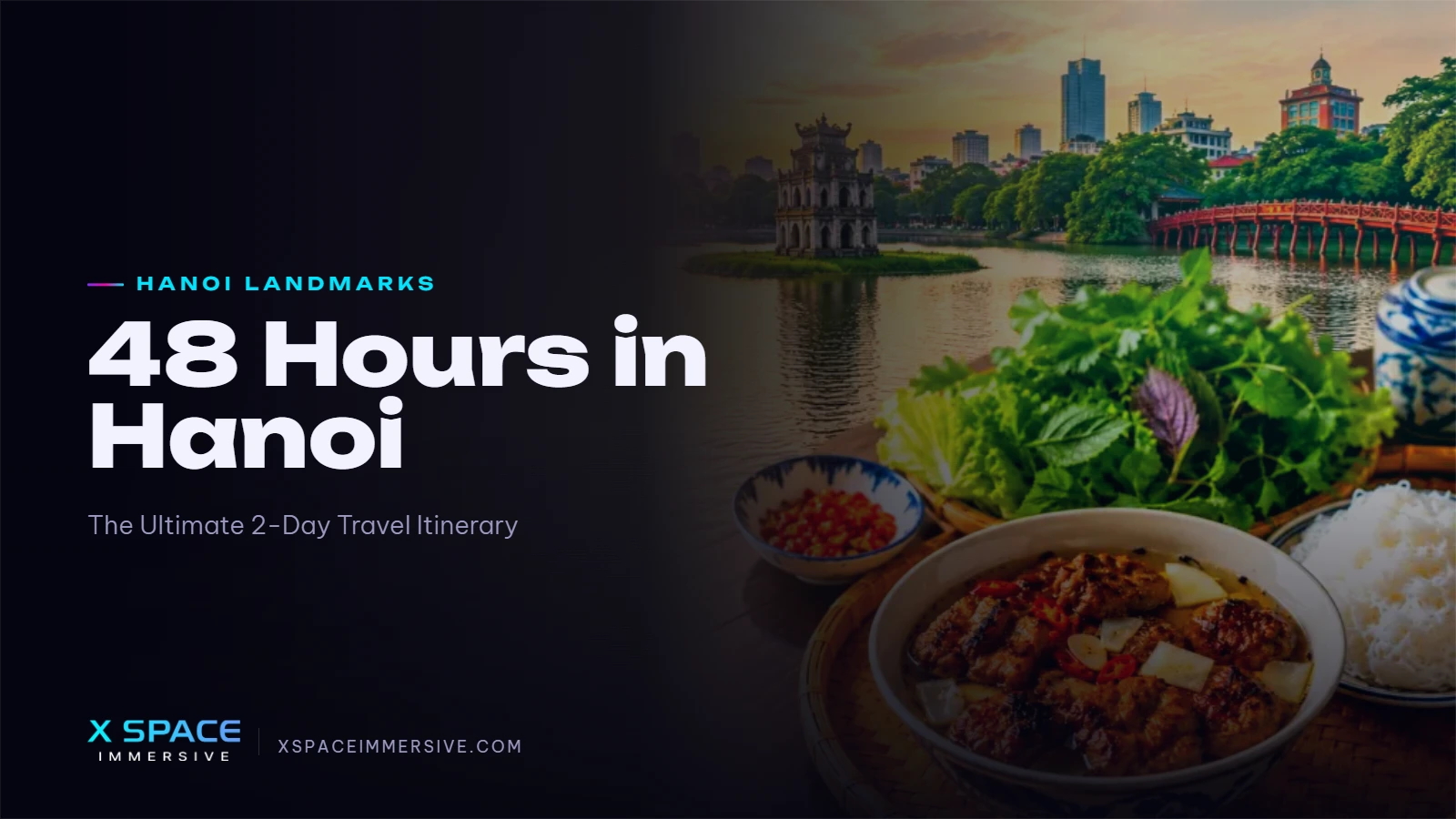
Ngoc Son Temple: A Complete Travel Guide to Hanoi’s Iconic Site

Ngoc Son Temple is one of Hanoi’s most iconic landmarks, where centuries of history, spiritual traditions, and breathtaking scenery come together in the heart of Hoan Kiem Lake. Connected to the shore by the vibrant red The Huc Bridge, this historic temple has long been a symbol of Vietnamese culture and the legendary tale of the Returned Sword. Whether you’re interested in local history, traditional architecture, or simply looking for one of the most picturesque places in the capital, Ngoc Son Temple offers an unforgettable experience. In this guide, you’ll discover everything you need to know before visiting, including its fascinating history, must-see highlights, practical travel tips, and the best ways to explore this timeless attraction in Hanoi.
In this guide
What Is Ngoc Son Temple?
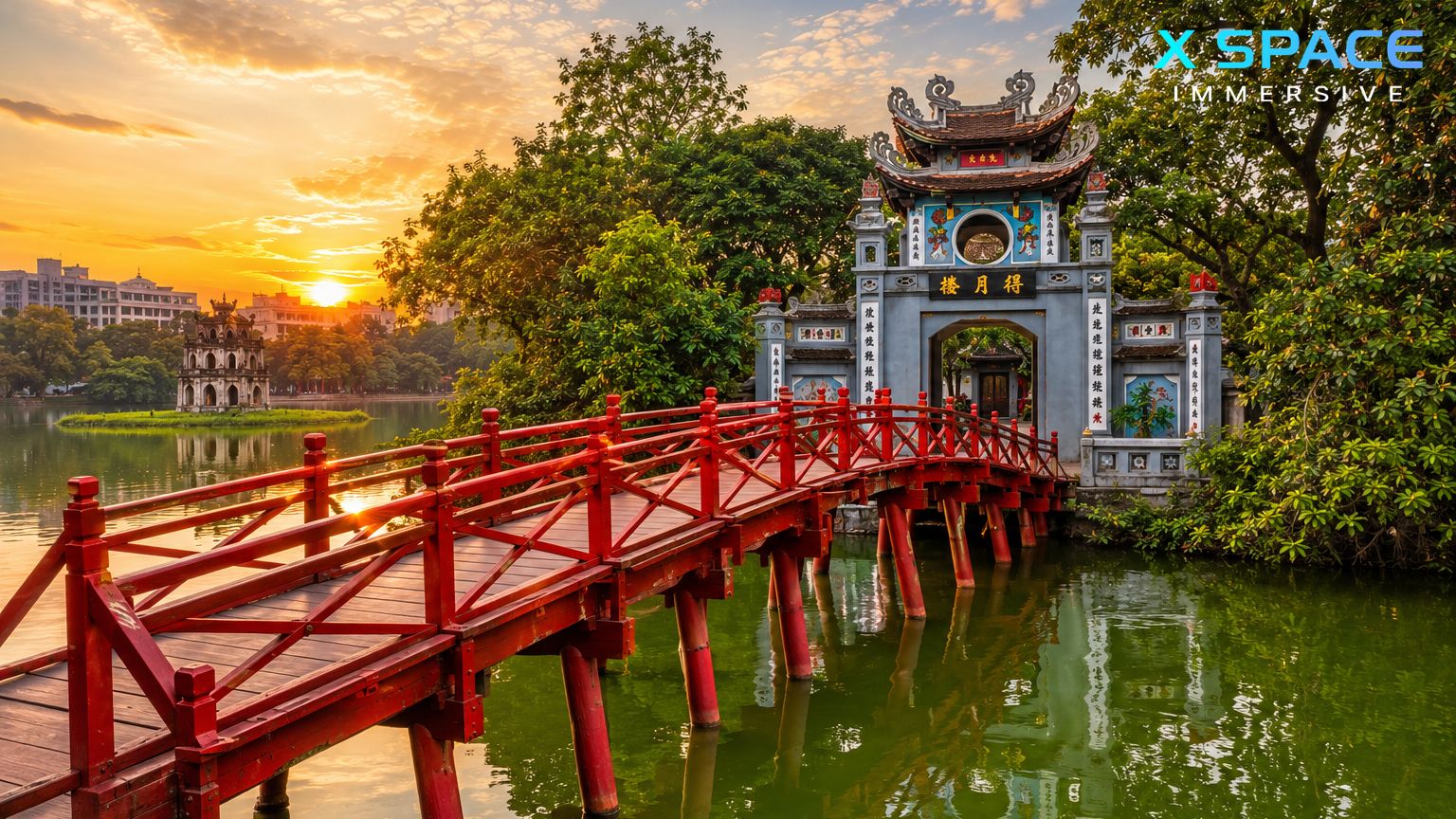
The Huc Bridge leading to Ngoc Son Temple on Hoan Kiem Lake in Hanoi, Vietnam
At first glance, Ngoc Son Temple appears as a peaceful sanctuary floating above the emerald waters of Hoan Kiem Lake. Yet behind its picturesque setting lies centuries of history, folklore, and cultural significance that have made it one of Vietnam’s most treasured landmarks.
Unlike many temples that honor a single religious figure, Den Ngoc Son Temple reflects the harmony of multiple Vietnamese beliefs. It pays tribute to revered historical figures, celebrates Confucian ideals, and preserves local legends that continue to shape Hanoi’s identity today. This unique blend of spirituality, history, and architecture makes the temple far more than a sightseeing destination—it is a living symbol of Vietnamese culture.
Whether you’re passionate about history, architecture, photography, or simply seeking a peaceful escape in the city center, Ngoc Son Temple offers an experience that resonates with every type of traveler.
The Meaning Behind Den Ngoc Son Temple
The name “Ngoc Son” translates to “Jade Mountain,” referring to the small island in the northern part of Hoan Kiem Lake where the temple stands. In Vietnamese, the site is commonly known as Den Ngoc Son Temple, with “Đền” meaning temple.
Originally established during the 19th century under the Nguyen Dynasty, the temple was built to honor General Tran Hung Dao, one of Vietnam’s greatest military heroes. Celebrated for leading successful campaigns against Mongol invasions in the 13th century, Tran Hung Dao remains a national icon whose wisdom, courage, and patriotism continue to inspire generations.
The temple also venerates:
- Van Xuong De Quan, the Taoist deity of literature and education.
- Scholar Nguyen Van Sieu, who renovated the temple and designed many of its distinctive architectural features.
- Lao Tzu, representing Taoist philosophy.
- Traditional Vietnamese spiritual beliefs that emphasize harmony between humanity and nature.
This combination of religious traditions reflects Vietnam’s long-standing philosophy of coexistence, where Confucianism, Taoism, Buddhism, and folk beliefs complement rather than compete with one another.
Today, locals visit Den Ngoc Son Temple to pray for academic success, wisdom, health, prosperity, and family happiness, while international visitors admire its remarkable cultural heritage.
Why Ngoc Son Temple Is One of Hanoi’s Top Attractions
Few places capture the spirit of Hanoi as beautifully as Ngoc Son Temple.
Its appeal goes beyond impressive architecture or scenic lake views. Instead, it tells the story of a city where ancient legends continue to influence modern life.
Several factors make the temple one of Hanoi’s must-visit destinations:
A Symbol of Vietnamese Identity
For centuries, Ngoc Son Temple has represented patriotism, scholarship, and spiritual harmony. Every structure within the temple carries symbolic meaning, reminding visitors of Vietnam’s enduring respect for knowledge, loyalty, and national pride.
The Centerpiece of Hoan Kiem Lake
Positioned on Jade Island and connected by the iconic The Huc Bridge, the temple serves as the visual focal point of Hoan Kiem Lake. Whether viewed at sunrise, sunset, or after dark when the bridge glows crimson under soft lighting, the scenery remains unforgettable.
Rich Historical Legacy
Unlike modern tourist attractions, every corner of the temple tells a story—from the legendary sword of Emperor Le Loi to the preserved giant turtle that once inhabited Hoan Kiem Lake.
A Peaceful Escape
Despite being surrounded by Hanoi’s energetic streets, crossing the bridge into the temple instantly creates a sense of calm. The sound of traffic fades, replaced by rustling trees, temple bells, and gentle ripples across the lake.
This peaceful atmosphere explains why both locals and travelers return time and again.
The History of Ngoc Son Temple
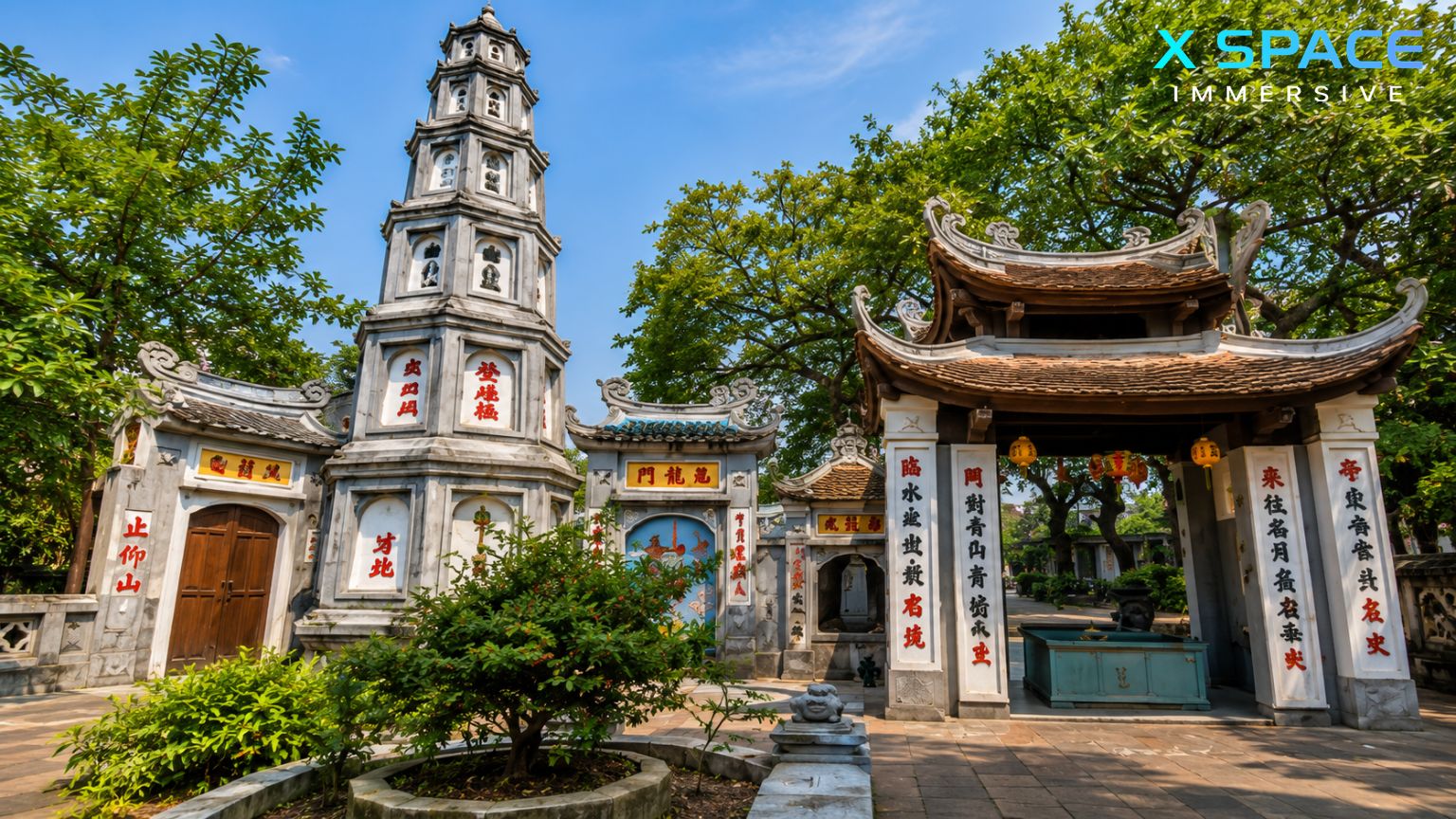
Traditional architecture of Ngoc Son Temple in Hanoi featuring Pen Tower and temple entrance
The story of Ngoc Son Temple is inseparable from the history of Hanoi itself.
Long before tourists filled the pathways around Hoan Kiem Lake, the island served as a sacred place where scholars, monks, and officials sought peace, inspiration, and spiritual guidance.
Over the centuries, the temple evolved into one of Vietnam’s most recognizable cultural landmarks.
From Jade Island to Sacred Temple
The origins of Ngoc Son Temple date back to the early 19th century.
Originally, a small pagoda occupied Jade Island. During the reign of Emperor Tu Duc, scholar Nguyen Van Sieu transformed the site into an elegant temple complex dedicated to scholarship, patriotism, and moral values.
Nguyen Van Sieu’s renovation extended far beyond restoring the buildings.
He carefully designed symbolic structures that visitors still admire today, including:
- The Huc Bridge
- Pen Tower (Thap But)
- Ink Slab Pavilion (Dai Nghien)
- Moon Viewing Pavilion
- Temple Gate
- Traditional courtyards
Every architectural feature communicates a deeper philosophical message.
For example, the Pen Tower and Ink Slab celebrate learning and intellectual achievement, emphasizing the importance of education in Vietnamese society.
Meanwhile, the bridge symbolizes crossing from the ordinary world into a sacred realm of reflection and wisdom.
Thanks to these thoughtful additions, Ngoc Son Temple Hanoi Vietnam became not only a place of worship but also a masterpiece of symbolic architecture.
The Legend of Hoan Kiem Lake and Ngoc Son Temple
No visit to Ngoc Son Temple is complete without understanding the legendary story that made Hoan Kiem Lake famous.
According to Vietnamese folklore, during the 15th century, Emperor Le Loi received a magical sword from the Dragon King while leading the resistance against Chinese Ming invaders.
The enchanted weapon granted extraordinary strength, helping him secure Vietnam’s independence after years of conflict.
Several years later, while boating on the lake, a giant golden turtle emerged from the water and asked the emperor to return the sacred sword to its divine owner.
Recognizing the turtle as a heavenly messenger, Le Loi respectfully surrendered the weapon.
The turtle disappeared beneath the lake carrying the sword.
From that moment, the lake became known as Hoan Kiem Lake, meaning “Lake of the Returned Sword.”
This timeless legend remains deeply connected to Hoan Kiem Lake and Ngoc Son Temple, reinforcing themes of courage, gratitude, justice, and peace.
Today, many visitors still hope to catch a glimpse of the lake’s legendary giant turtles, although only preserved specimens remain inside the temple as reminders of this extraordinary tale.
The story continues to inspire Vietnamese literature, art, education, and national identity, making Hoan Kiem Lake much more than a beautiful urban landmark.
Where Is Ngoc Son Temple?
One of the reasons Hanoi Ngoc Son Temple is so popular is its incredibly convenient location.
Situated on a small island in the northern section of Hoan Kiem Lake, the temple lies in the very heart of Hanoi’s historic center. From here, visitors can easily explore many of the city’s most iconic attractions on foot.
Address: Hoan Kiem Lake, Dinh Tien Hoang Street, Hoan Kiem District, Hanoi, Vietnam.
Its central location makes the temple an ideal starting point for discovering Hanoi’s cultural heritage. Within just a few minutes’ walk, you’ll find the bustling Old Quarter, St. Joseph’s Cathedral, traditional coffee shops, local street food vendors, and vibrant weekend walking streets.
For first-time visitors, Hanoi Ngoc Son Temple is often the easiest cultural landmark to include in a city itinerary because it connects naturally with many other attractions nearby.
How to Get to Ngoc Son Temple in Hanoi
Reaching Ngoc Son Temple in Hanoi is simple thanks to its central position.
Walking
If you’re staying in the Old Quarter, walking is the best option. Most hotels are located within a 5–15 minute stroll, allowing you to experience Hanoi’s lively streets before arriving at the peaceful lake.
Taxi or Ride-Hailing Apps
Traditional taxis and ride-hailing services such as Grab are convenient choices for travelers staying farther away. Simply set your destination to Hoan Kiem Lake or Ngoc Son Temple.
Public Bus
Several Hanoi bus routes stop near Hoan Kiem Lake, making public transportation an affordable option for budget-conscious travelers.
Cyclo Experience
For a more traditional journey, consider taking a cyclo ride through the Old Quarter. This leisurely mode of transport offers a nostalgic glimpse into Hanoi’s historic streets before arriving at the temple.
No matter how you choose to travel, the final approach is always on foot. Visitors cross the famous The Huc Bridge, whose vivid red color symbolizes good fortune and the rising sun. This short walk across the lake creates a memorable transition from the city’s bustling energy to the temple’s serene atmosphere.
Exploring Hoan Kiem Lake & Ngoc Son Temple
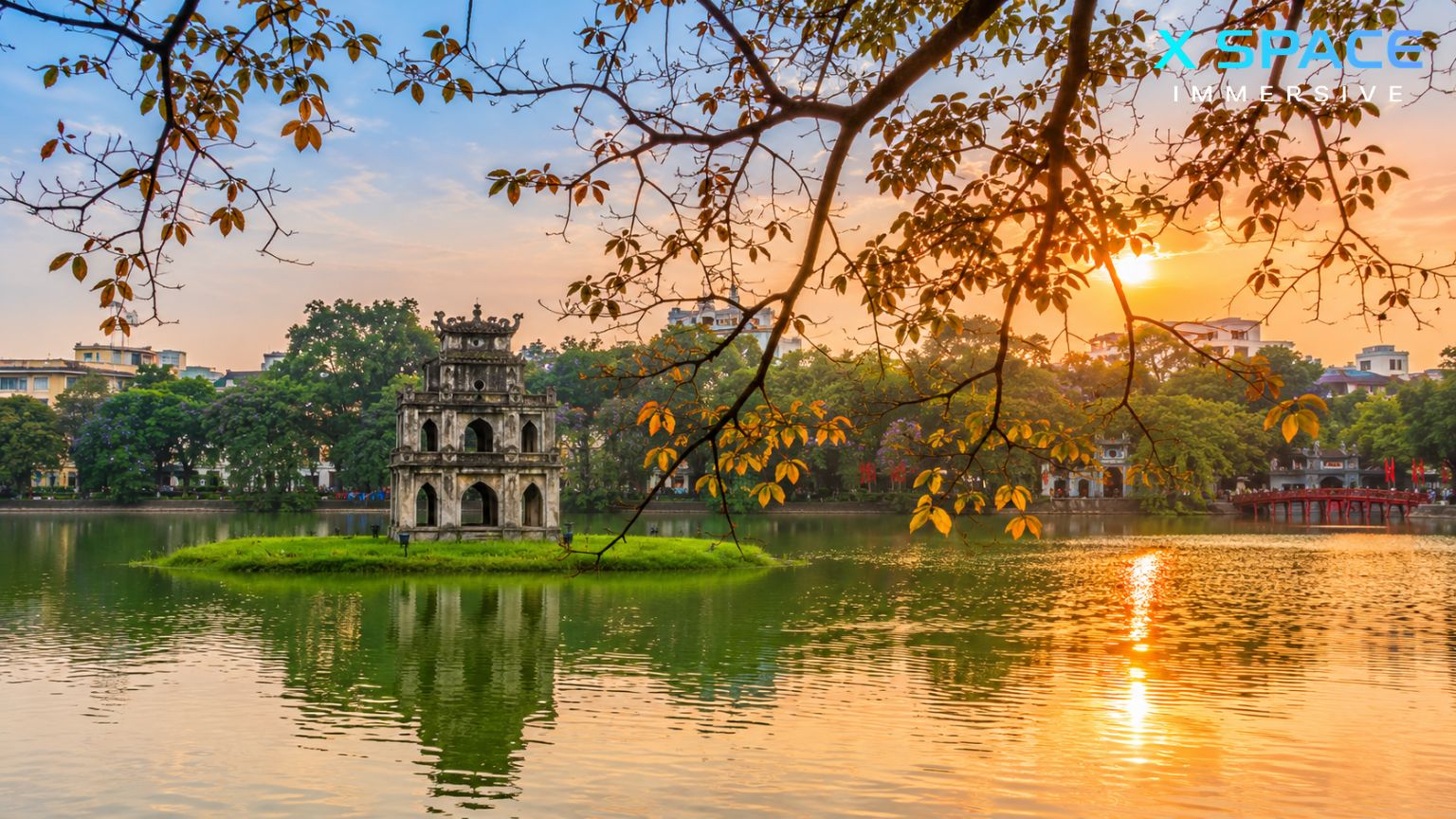
Sunset view of Hoan Kiem Lake with Turtle Tower and Ngoc Son Temple in Hanoi
The experience of visiting Hoan Kiem Lake & Ngoc Son Temple begins long before stepping inside the sanctuary. The surrounding landscape is an integral part of the journey, blending nature, history, and urban life into one of Hanoi’s most beloved public spaces.
Locals gather here at sunrise for tai chi, joggers circle the lake in the early morning, couples enjoy quiet evening walks, and families come together during weekends and festivals. This vibrant yet peaceful environment gives visitors a genuine sense of Hanoi’s daily rhythm.
At the heart of it all stands Ngoc Son Temple, gracefully connected to the shore by the striking red The Huc Bridge, whose name means “Morning Sunlight Bridge.” More than a beautiful entrance, the bridge symbolizes hope, enlightenment, and the transition from the ordinary world into a sacred place of reflection.
As you cross onto Jade Island, you’ll notice how the atmosphere changes. The sounds of traffic fade behind you, replaced by rustling leaves, gentle lake breezes, and the quiet footsteps of fellow visitors. Towering ancient trees provide shade over winding paths, while traditional gates, pavilions, and carefully landscaped gardens invite you to slow down and appreciate the harmony between architecture and nature.
Beyond the temple itself, Hoan Kiem Lake offers countless scenic viewpoints. From the shoreline, you can admire the iconic Turtle Tower rising from a nearby islet, watch the reflections of historic buildings shimmer across the water, or simply pause on a lakeside bench to take in one of Hanoi’s most timeless panoramas.
Whether you’re visiting for its legendary history, spiritual significance, or picturesque setting, Hoan Kiem Lake & Ngoc Son Temple captures the essence of Hanoi in a way few places can—making it not just a destination, but an experience that lingers long after your visit ends.
Architecture of Ngoc Son Temple
One of the most remarkable features of Ngoc Son Temple is its harmonious blend of traditional Vietnamese architecture, symbolic design, and natural surroundings. Unlike grand imperial palaces or towering pagodas, the temple impresses visitors with its refined elegance and thoughtful layout. Every bridge, pavilion, gate, and courtyard was carefully designed to reflect the philosophy of balance between humans, nature, and spirituality.
As you make your way across Jade Island, you’ll notice that each structure tells a story. Rather than serving as simple decorative elements, these architectural landmarks symbolize knowledge, prosperity, enlightenment, and respect for Vietnam’s cultural heritage.
Traditional Vietnamese Architecture
Built primarily in the Nguyen Dynasty style, Ngoc Son Temple showcases the beauty of traditional Vietnamese craftsmanship. Curved tiled roofs, intricately carved wooden beams, lacquered altars, and delicate calligraphy create an atmosphere that feels both peaceful and timeless.
Natural materials such as wood and stone dominate the temple complex, allowing it to blend seamlessly with the surrounding lake and centuries-old trees. Bright red columns, golden decorative motifs, and handcrafted sculptures add warmth and elegance without overwhelming the tranquil setting.
Unlike many Buddhist temples in Vietnam, Ngoc Son Temple combines elements of Confucianism, Taoism, and Vietnamese folk beliefs. This unique combination is reflected in both the architecture and the symbolism found throughout the complex, making every corner meaningful rather than purely ornamental.
The Huc Bridge – The Iconic Entrance
No visit to Ngoc Son Temple in Hanoi is complete without crossing The Huc Bridge, one of the city’s most recognizable landmarks.
Painted in brilliant red, the wooden bridge stretches gracefully across the emerald waters of Hoan Kiem Lake, connecting the lakeshore to Jade Island. Its vibrant color symbolizes good fortune, happiness, and the rising sun in Vietnamese culture.
The name “The Huc” translates to “Morning Sunlight” or “Place Where the Morning Sun Rests,” representing hope, new beginnings, and enlightenment.
Beyond its symbolic meaning, the bridge offers one of the best viewpoints in Hanoi. Visitors often pause midway to admire panoramic views of Hoan Kiem Lake, Turtle Tower, and the surrounding city skyline. Early in the morning, soft golden light creates a magical atmosphere, while the illuminated bridge at night provides one of Hanoi’s most photogenic scenes.
Pen Tower (Thap But)
Standing proudly near the entrance to the temple complex, Pen Tower (Thap But) immediately captures visitors’ attention.
Constructed by scholar Nguyen Van Sieu, the five-story stone tower resembles a giant writing brush pointing toward the sky. Inscribed with Chinese characters meaning “Writing on the Blue Sky,” it symbolizes wisdom, education, and the pursuit of knowledge.
The tower reflects the deep respect Vietnamese society has long held for scholarship and learning. Rather than celebrating military power or wealth, Pen Tower reminds visitors that intellectual achievement and moral integrity are among life’s greatest virtues.
Today, it remains one of the most photographed architectural features surrounding Ngoc Son Temple.
Dai Nghien – The Ink Slab Pavilion
Facing Pen Tower is another symbolic masterpiece: Dai Nghien, or the Ink Slab Pavilion.
Supported by three stone frogs, the massive ink slab represents diligence, perseverance, and academic success. According to Vietnamese tradition, students and scholars often visited the temple before important examinations to pray for wisdom and favorable results.
Together, Pen Tower and Dai Nghien create a powerful visual metaphor:
- The pen represents knowledge.
- The ink symbolizes learning.
- The temple embodies moral cultivation.
These elements perfectly express the Confucian ideals that have influenced Vietnamese education for centuries.
The Temple Interior
Inside Ngoc Son Temple, visitors discover a calm and sacred atmosphere filled with intricate wooden carvings, ornate altars, antique bronze incense burners, and colorful ceremonial decorations.
The temple is divided into several worship spaces, each dedicated to respected historical and spiritual figures.
Soft natural lighting filters through traditional wooden windows, while the scent of incense creates an atmosphere of quiet reflection. Every decorative detail—from gilded calligraphy panels to handcrafted dragons—demonstrates the remarkable artistry of Vietnamese craftsmen.
Although modest in size, the temple’s thoughtful design encourages visitors to move slowly, appreciate each architectural detail, and experience a sense of peace rarely found in the center of a busy capital city.
What to See Inside Ngoc Son Temple
While the exterior of Ngoc Son Temple is undeniably beautiful, the treasures inside reveal the site’s true historical and cultural significance. Each room contains artifacts, shrines, and ceremonial objects that tell the story of Vietnam’s intellectual traditions, religious beliefs, and legendary past.
The Main Worship Hall
At the heart of the temple lies the Main Worship Hall, where visitors can admire beautifully decorated altars dedicated to General Tran Hung Dao, the national hero who defended Vietnam against Mongol invasions during the 13th century.
The hall also honors Van Xuong De Quan, the Taoist deity associated with literature, examinations, and wisdom. Many students and families continue to visit this sacred space to pray for academic achievement and success.
Rich lacquer work, gilded carvings, and traditional incense offerings create a serene atmosphere that reflects the temple’s enduring spiritual importance.
The Preserved Giant Turtle
One of the most fascinating exhibits inside Ngoc Son Temple is the preserved giant turtle displayed in a glass case.
Measuring over two meters in length, this rare specimen is believed to have once lived in Hoan Kiem Lake and is closely associated with the famous Legend of the Returned Sword.
For many visitors, seeing the turtle provides a tangible connection to the centuries-old folklore that defines Hanoi’s identity. It serves as a powerful reminder of the relationship between history, mythology, and cultural memory.
Ancient Artifacts
Throughout the temple, visitors can explore an impressive collection of historical relics, including:
- Traditional bronze bells
- Ceremonial weapons
- Antique incense burners
- Wooden plaques with Chinese calligraphy
- Ancient religious manuscripts
- Decorative lacquerware
These artifacts provide valuable insight into Vietnamese spiritual practices and artistic traditions dating back hundreds of years.
Gardens and Courtyard
Stepping outside, visitors enter peaceful gardens shaded by mature banyan trees and flowering plants.
Stone pathways wind through carefully landscaped courtyards where benches invite quiet contemplation. From here, visitors enjoy beautiful views across Hoan Kiem Lake while listening to birdsong and the gentle rustling of leaves.
This tranquil outdoor environment perfectly complements the spiritual atmosphere inside the temple.
Ngoc Son Temple Entrance Fee, Opening Hours & Visitor Information
Planning ahead will help you enjoy a smooth and memorable visit. Fortunately, Ngoc Son Temple is one of Hanoi’s most accessible attractions, with affordable admission and convenient opening hours.
Ngoc Son Temple Entrance Fee
The Ngoc Son Temple entrance fee is reasonably priced, making it an excellent cultural experience for travelers of every budget.
Current admission prices are approximately:
- Adults: 50,000 VND per person
- Children: Reduced rates may apply depending on age and local regulations.
Ticket prices are subject to change, so it’s always a good idea to check the latest information before your visit.
Despite its modest cost, admission includes access to one of Hanoi’s most significant historical landmarks and offers exceptional value for anyone interested in Vietnamese culture and history.
Ngoc Son Temple Opening Hours
The Ngoc Son Temple opening hours generally allow visitors to explore the site every day of the week.
Opening Hours:
- Daily: 8:00 AM – 6:00 PM
Morning visits are ideal for avoiding crowds and enjoying cooler temperatures, while late afternoon provides beautiful natural lighting for photography.
If you’re hoping to experience the peaceful atmosphere at its best, consider arriving shortly after opening, when the temple is quieter and Hoan Kiem Lake is filled with locals practicing tai chi or enjoying a leisurely walk.
Visitor Information
Before entering the temple, keep these practical tips in mind:
- Purchase tickets at the entrance near The Huc Bridge.
- Cash is recommended, although digital payment options may occasionally be available.
- Allow 45–90 minutes to fully explore the temple and surrounding island.
- The pathways are generally easy to navigate, though some steps may present challenges for visitors with limited mobility.
- Weekdays are typically less crowded than weekends and public holidays.
Ngoc Son Temple Dress Code & Visitor Etiquette
As an active place of worship, visitors are expected to show respect for local customs and traditions.
Following the Ngoc Son Temple dress code not only demonstrates cultural awareness but also helps preserve the temple’s sacred atmosphere.
Appropriate Clothing
Visitors should wear modest attire that covers the shoulders and knees.
Recommended clothing includes:
- T-shirts or shirts with sleeves
- Long skirts or trousers
- Comfortable walking shoes
- Light clothing suitable for Hanoi’s climate
Avoid:
- Sleeveless tops
- Very short shorts
- Swimwear
- Clothing with offensive images or slogans
Temple Etiquette
Respectful behavior is just as important as appropriate clothing.
Visitors should:
- Speak quietly.
- Avoid touching sacred objects.
- Follow photography restrictions where indicated.
- Remove hats when entering worship areas if requested.
- Allow worshippers priority when ceremonies are taking place.
Showing consideration helps maintain the peaceful atmosphere that makes Ngoc Son Temple such a meaningful destination.
Best Time to Visit Ngoc Son Temple
Although Ngoc Son Temple is open year-round, some seasons and times of day offer a particularly memorable experience.
Early Morning
The calm waters of Hoan Kiem Lake, cool temperatures, and soft sunrise light make morning one of the best times to visit. You’ll also have the chance to observe locals practicing tai chi, jogging, or enjoying the peaceful surroundings.
Late Afternoon
Golden-hour sunlight creates stunning reflections on the lake, making this an ideal time for sightseeing and photography.
Autumn (September–November)
Many travelers consider autumn the most pleasant season in Hanoi. Comfortable weather, lower humidity, and clear skies make exploring Hoan Kiem Lake and Ngoc Son Temple especially enjoyable.
Photography Guide: Best Ngoc Son Temple Photos
For photography enthusiasts, Ngoc Son Temple offers endless opportunities to capture Hanoi’s timeless beauty.
Best Spots for Ngoc Son Temple Photos
Don’t miss these iconic viewpoints:
- The Huc Bridge framed against the emerald lake.
- Pen Tower near the temple entrance.
- Turtle Tower viewed from the island.
- The temple courtyard surrounded by ancient trees.
- Reflections of the bridge on Hoan Kiem Lake at sunrise or sunset.
These locations consistently produce some of the most striking Ngoc Son Temple photos, whether you’re using a smartphone or a professional camera.
Photography Tips
- Visit early to avoid crowds.
- Use natural morning or late-afternoon light.
- Respect worship areas where photography may be restricted.
- Bring a wide-angle lens if using a camera to capture both the temple and surrounding lake.
With its elegant architecture, rich symbolism, and idyllic lakeside setting, Ngoc Son Temple remains one of the most photogenic cultural landmarks in Vietnam.
Nearby Attractions to Combine With Your Visit
One of the greatest advantages of visiting Ngoc Son Temple is its prime location in the heart of Hanoi. After exploring the temple and strolling around Hoan Kiem Lake, you can easily continue your journey on foot to discover some of the capital’s most famous cultural landmarks, historic streets, and culinary hotspots.
Whether you have just a few hours or an entire day, these nearby attractions will help you experience the very best of Hanoi.
Hanoi Old Quarter
Just a few minutes from Ngoc Son Temple, the Hanoi Old Quarter is the city’s cultural and commercial heart. Its maze of narrow streets dates back hundreds of years, with each lane traditionally dedicated to a particular craft or trade.
Today, the Old Quarter is a lively blend of history and modern life. Visitors can browse boutique shops, sip Vietnamese egg coffee in hidden cafés, sample authentic street food, or simply wander through its charming colonial streets.
Highlights include:
- Traditional souvenir shops
- Local fashion boutiques
- Hidden coffee houses
- Authentic Vietnamese street food
- Historic tube houses
- Weekend Night Market
Walking through the Old Quarter after visiting the temple offers a deeper appreciation of Hanoi’s unique character
St. Joseph’s Cathedral
Approximately ten minutes on foot from Hoan Kiem Lake stands St. Joseph’s Cathedral, one of Hanoi’s oldest and most beautiful churches.
Inspired by Neo-Gothic architecture, its towering façade, stained-glass windows, and peaceful courtyard provide a striking contrast to the traditional Vietnamese architecture of Ngoc Son Temple.
The surrounding area is also known for its cafés, bakeries, and lively atmosphere, making it an excellent place to relax after sightseeing.
Hanoi Opera House
Located about a 20-minute walk away, the Hanoi Opera House is another architectural masterpiece worth visiting.
Built during the French colonial period, the elegant building hosts classical concerts, ballet performances, and cultural events throughout the year.
Even if you don’t attend a performance, the impressive exterior and nearby French Quarter offer wonderful opportunities for photography and leisurely exploration.
Thang Long Water Puppet Theatre
Just across from Hoan Kiem Lake, the Thang Long Water Puppet Theatre introduces visitors to one of Vietnam’s most distinctive performing arts.
Using beautifully handcrafted wooden puppets, musicians and performers recreate traditional legends, rural life, and historical stories upon a water stage.
Watching a performance is an ideal way to continue learning about Vietnamese culture after exploring Ngoc Son Temple.
Weekend Walking Street
If you’re visiting Hanoi between Friday evening and Sunday night, don’t miss the city’s vibrant Weekend Walking Street surrounding Hoan Kiem Lake.
As traffic disappears, the area transforms into a lively public space filled with:
- Traditional music performances
- Folk games
- Street artists
- Local food vendors
- Handmade crafts
- Family-friendly activities
The festive atmosphere perfectly complements the peaceful beauty of Hoan Kiem Lake and Ngoc Son Temple, creating one of Hanoi’s most memorable weekend experiences.
Suggested Itinerary Around Hoan Kiem Lake and Ngoc Son Temple
Because many of Hanoi’s top attractions are located within walking distance, it’s easy to build a rewarding itinerary around Hoan Kiem Lake and Ngoc Son Temple.
One-Hour Visit
Ideal for travelers with limited time.
Suggested route:
- Walk around Hoan Kiem Lake.
- Cross The Huc Bridge.
- Explore Ngoc Son Temple.
- Visit the preserved giant turtle.
- Take photos of Turtle Tower.
- Enjoy Vietnamese coffee overlooking the lake.
Half-Day Cultural Tour
Perfect for first-time visitors.
Recommended schedule:
8:00 AM — Explore Hoan Kiem Lake
8:30 AM — Visit Ngoc Son Temple
10:00 AM — Discover the Old Quarter
11:30 AM — Enjoy Hanoi’s famous pho or bun cha
12:30 PM — Visit St. Joseph’s Cathedral
Full-Day Hanoi Heritage Experience
Morning
- Hoan Kiem Lake
- Ngoc Son Temple
- Old Quarter
Afternoon
- Hoa Lo Prison Museum
- Hanoi Opera House
- French Quarter
Evening
- Water Puppet Show
- Dinner featuring traditional Vietnamese cuisine
- Night walk around Hoan Kiem Lake
This itinerary offers an excellent balance of history, architecture, food, and local culture.
Practical Travel Tips for First-Time Visitors
A little preparation can make your visit to Ngoc Son Temple even more enjoyable.
Currency & Payment
Vietnamese Dong (VND) is the local currency.
While many cafés and restaurants accept credit cards or digital payments, carrying some cash is useful for purchasing entrance tickets, souvenirs, or snacks from local vendors.
Weather
Hanoi experiences four distinct seasons.
Light clothing is recommended during summer, while autumn and spring provide the most comfortable weather for sightseeing.
During winter mornings, bringing a light jacket is advisable.
Safety
Hoan Kiem Lake is generally considered one of Hanoi’s safest tourist areas.
However, visitors should still:
- Keep personal belongings secure.
- Stay aware in crowded places.
- Use licensed taxis or reputable ride-hailing apps.
- Drink bottled water when necessary.
What to Bring
Packing a few essentials will make your visit more comfortable.
Recommended items include:
- Comfortable walking shoes
- Drinking water
- Sunglasses
- Sunscreen
- Portable umbrella
- Camera or smartphone
- Small amount of cash
Local Food Nearby
After exploring Ngoc Son Temple, reward yourself with some of Hanoi’s signature dishes.
Popular nearby options include:
- Pho Bo (Vietnamese Beef Noodle Soup)
- Bun Cha
- Banh Mi
- Egg Coffee
- Fresh Spring Rolls
- Che (Vietnamese Sweet Dessert)
Many excellent local restaurants can be found within a five-minute walk of Hoan Kiem Lake.
Ngoc Son Temple Reviews: Is It Worth Visiting?
Among both international travelers and local visitors, Ngoc Son Temple reviews are consistently positive—and for good reason.
Rather than being simply another historic attraction, the temple offers a complete cultural experience that combines mythology, architecture, spirituality, and some of the finest scenery in Hanoi.
What Visitors Love
Many visitors praise:
- The iconic red The Huc Bridge
- Peaceful atmosphere in the city center
- Rich historical background
- Beautiful lake views
- Affordable admission
- Easy access from the Old Quarter
- Excellent photography opportunities
For many travelers, the temple becomes one of the highlights of their Hanoi itinerary.
Things to Keep in Mind
Like any popular attraction, Ngoc Son Temple can become crowded during weekends, national holidays, and peak tourist seasons.
To enjoy a quieter experience, consider visiting early in the morning or later in the afternoon on weekdays.
Is Ngoc Son Temple Worth Visiting?
Absolutely.
Whether you’re passionate about Vietnamese history, fascinated by local legends, interested in architecture, or simply looking for a peaceful place to escape the city’s busy streets, Ngoc Son Temple offers exceptional value.
Its convenient location, affordable ticket price, and cultural significance make it one of the destinations that should not be missed during a visit to Hanoi.
FAQ About Ngoc Son Temple
Where is Ngoc Son Temple located?
Ngoc Son Temple is situated on Jade Island in Hoan Kiem Lake, Hoan Kiem District, Hanoi, Vietnam. It is connected to the lakeshore by the iconic red The Huc Bridge.
What is the Ngoc Son Temple entrance fee?
The standard Ngoc Son Temple entrance fee is approximately 50,000 VND for adults, although ticket prices may change over time.
What are the Ngoc Son Temple opening hours?
The temple is generally open daily from 8:00 AM to 6:00 PM, making it easy to visit throughout the week.
Is there a Ngoc Son Temple dress code?
Yes. Visitors should wear respectful clothing that covers the shoulders and knees, as the temple remains an active place of worship.
Can visitors take Ngoc Son Temple photos?
Yes. Photography is permitted in most outdoor areas, including The Huc Bridge and the temple gardens. However, visitors should respect any restrictions inside worship spaces.
How long should I spend at Ngoc Son Temple?
Most visitors spend 45 to 90 minutes exploring the temple, admiring its architecture, and enjoying the peaceful surroundings of Hoan Kiem Lake.
When is the best time to visit?
Early morning and late afternoon offer cooler temperatures, softer lighting, and fewer crowds, making these times ideal for sightseeing and photography.
Is Ngoc Son Temple suitable for families?
Yes. Families with children, couples, solo travelers, and senior visitors can all enjoy the temple’s accessible location, scenic environment, and educational value.
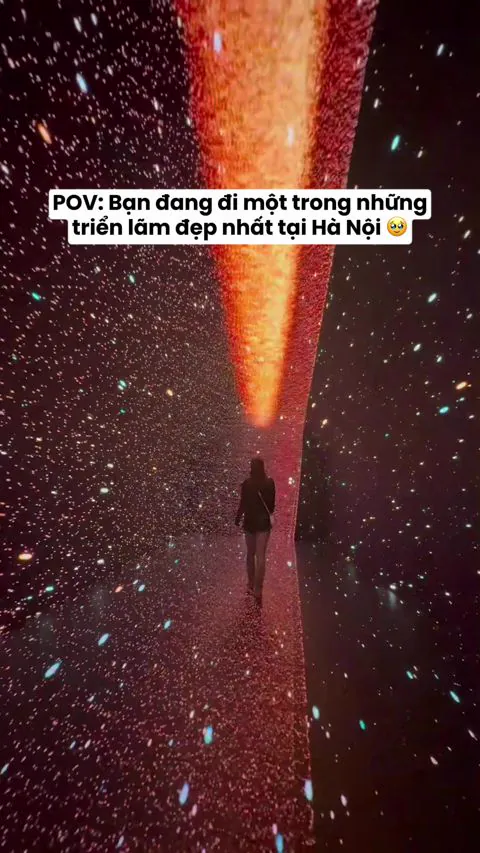
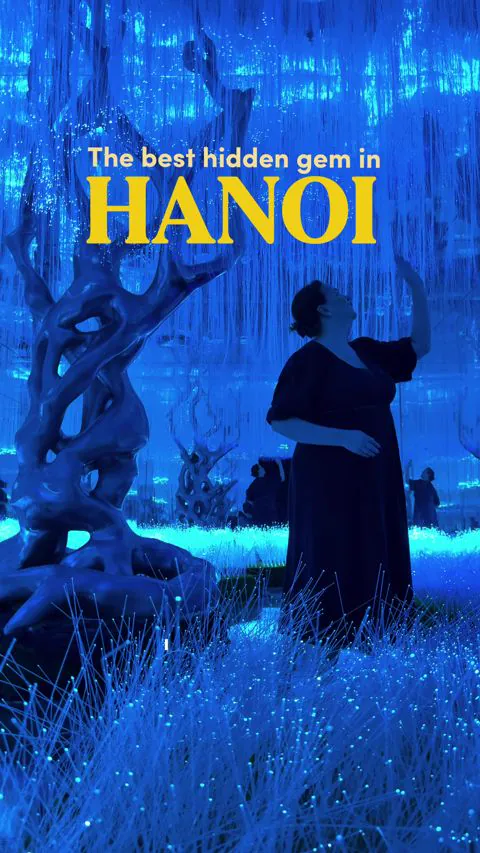
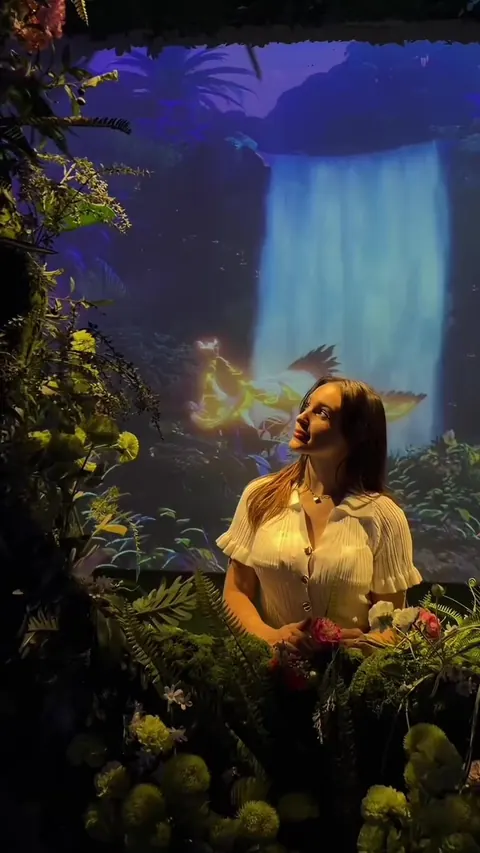
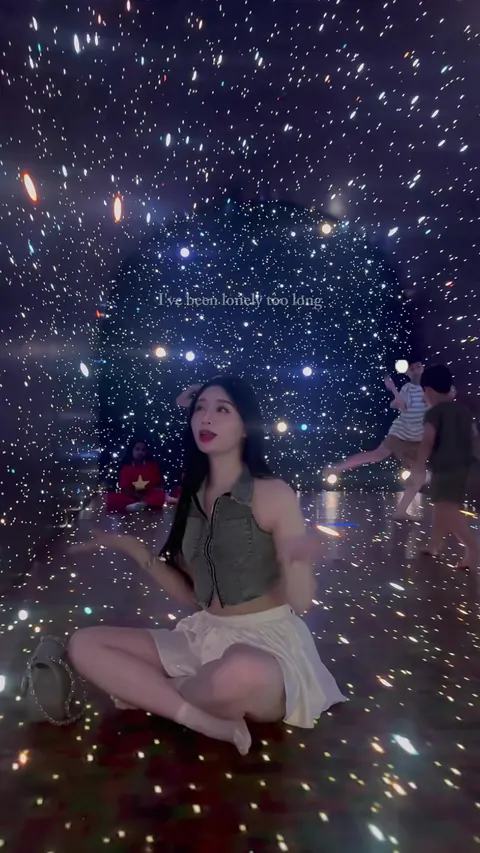
Experience X Space Immersive

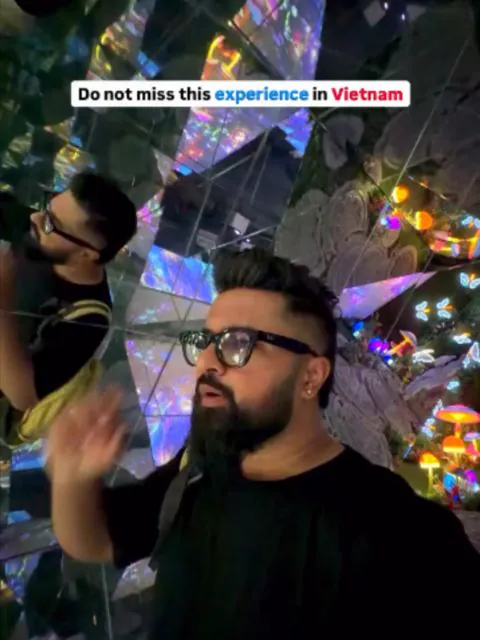
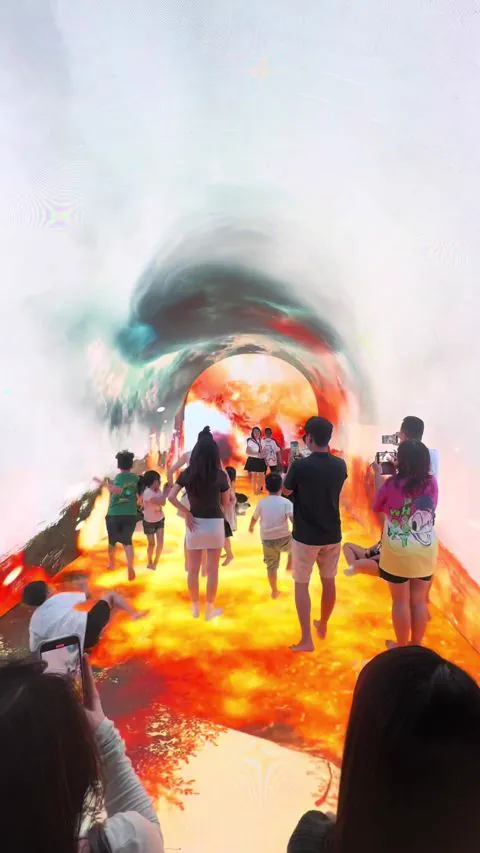
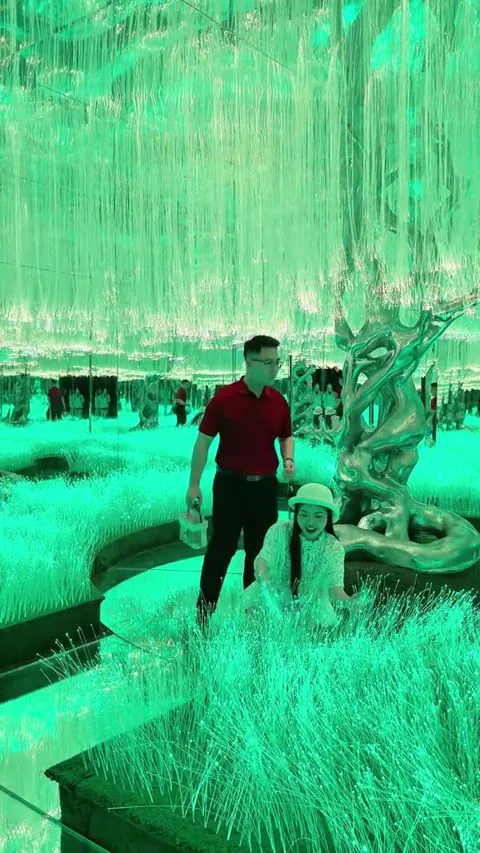
Visitors enjoying immersive digital art experience at X Space Hanoi
Exploring Ngoc Son Temple offers a meaningful journey into Vietnam’s history, legends, and spiritual traditions. Yet every destination has stories that extend beyond what can be seen with the naked eye. To deepen your understanding of Hanoi’s rich cultural heritage, consider continuing your adventure at Experience X Space Immersive.
Designed to blend cutting-edge technology with captivating storytelling, this immersive attraction transforms history into a multi-sensory experience. Through interactive digital installations, projection mapping, and engaging visual narratives, visitors can explore the evolution of Hanoi from fresh and unexpected perspectives.
After discovering the legendary tale of Hoan Kiem Lake and Ngoc Son Temple, Experience X Space Immersive provides an inspiring opportunity to connect the city’s ancient heritage with modern creativity. It’s an ideal next stop for families, couples, solo travelers, and anyone eager to experience Hanoi beyond traditional sightseeing.
Whether you’re tracing centuries-old legends or embracing innovative cultural experiences, combining Hoan Kiem Lake & Ngoc Son Temple with Experience X Space Immersive creates a richer, more memorable journey through the heart of Vietnam’s capital.
Conclusion
A visit to Ngoc Son Temple is more than a stop at one of Hanoi’s most famous landmarks—it’s an opportunity to immerse yourself in the stories, traditions, and timeless beauty that define Vietnam’s capital. From crossing the iconic The Huc Bridge to exploring sacred halls, admiring centuries-old architecture, and uncovering the legend of the Returned Sword, every moment reveals another layer of Hanoi’s rich cultural identity.
Whether you’re planning your first trip or returning to rediscover the city, Ngoc Son Temple remains an essential destination that seamlessly blends history, spirituality, and scenic charm. Pair your visit with a walk around Hoan Kiem Lake, nearby cultural attractions, and the innovative Experience X Space Immersive, and you’ll leave with a deeper appreciation of both Hanoi’s past and its vibrant future.
Was this article helpful?
Thanks for your feedback!