Thanh Chuong Viet Palace: Discover Hanoi’s Timeless Cultural Gem
Beyond Hanoi’s buzzing streets, lively cafés, and iconic landmarks lies a quieter side of Vietnam – one shaped by old wooden houses, weathered roof tiles, peaceful courtyards, traditional art, and stories passed down through generations. Thanh Chuong Viet Palace is a place where that world feels beautifully close.
Known locally as Viet Phu Thanh Chuong Palace (Việt Phủ Thành Chương), this remarkable cultural space in Soc Son offers visitors an opportunity to step away from the pace of central Hanoi and discover a setting deeply inspired by Vietnamese architecture, art, heritage, and traditional ways of life.
It is not the kind of attraction you rush through simply to tick another landmark off your Hanoi itinerary. The pleasure of visiting comes from slowing down: walking beneath old roofs, noticing carved wooden details, wandering beside ponds and gardens, and allowing the atmosphere to tell its own story.
For travelers who want to understand Vietnam beyond its famous sights, Thanh Chuong Viet Palace can be one of the most memorable cultural experiences around Hanoi.
Here is what makes it special, what to discover during your visit, and how you can continue your journey from traditional Vietnamese heritage into the contemporary world of immersive digital art.
In this guide
What Is Thanh Chuong Viet Palace?
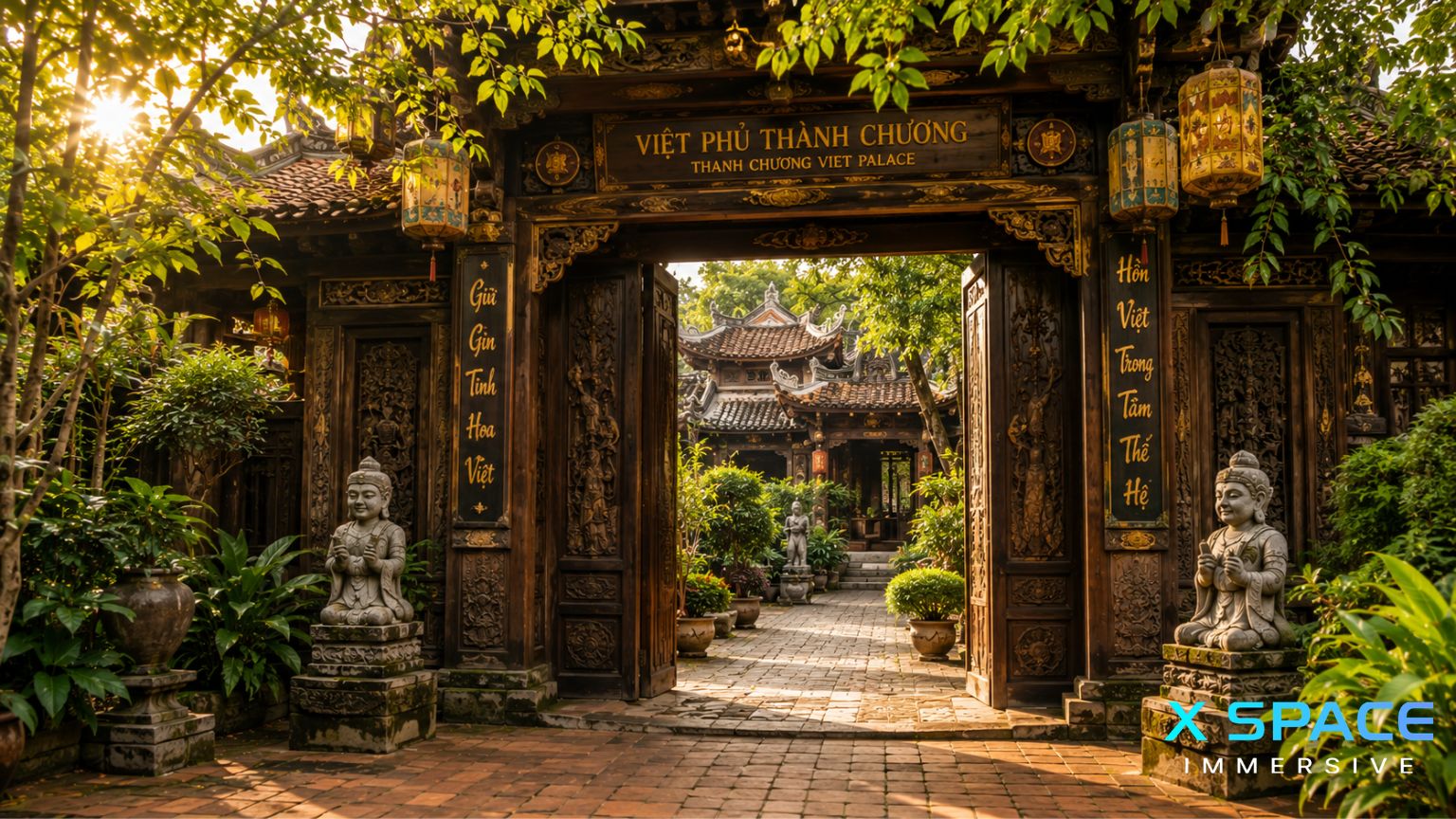
Entrance to Thanh Chuong Viet Palace, also known as Viet Phu Thanh Chuong Palace near Hanoi
Thanh Chuong Viet Palace is a cultural and architectural complex associated with Vietnamese painter Thanh Chuong. Rather than presenting Vietnamese heritage through the conventional layout of a modern museum, the palace creates an environment where architecture, artworks, objects, gardens, courtyards, and nature exist together.
Its Vietnamese name, Việt Phủ Thành Chương, is also commonly rendered in English as Viet Phu Thanh Chuong Palace.
From the moment you enter, the atmosphere feels distinctly different from central Hanoi. Traditional structures, tiled roofs, wooden details, statues, greenery, water, and carefully arranged spaces invite visitors to explore slowly.
This sense of immersion is central to the experience.
Instead of simply looking at individual artifacts behind glass, you move through a broader cultural landscape. Architecture becomes part of the exhibition. Gardens become part of the composition. Light, shadow, weathered materials, and quiet corners all contribute to the mood.
For international travelers, this makes Thanh Chuong Viet Palace an accessible introduction to the aesthetics of traditional Vietnamese culture.
The Story Behind Viet Phu Thanh Chuong Palace
The identity of Viet Phu Thanh Chuong Palace is closely connected with painter Thanh Chuong and his passion for Vietnamese art and cultural heritage.
The complex reflects an artist’s perspective rather than feeling like a straightforward reconstruction of a single historical period. Different architectural forms, artistic elements, traditional objects, and natural features are brought together to create a personal interpretation of Vietnamese cultural identity.
That distinction matters.
When visiting, it is better to approach the palace not simply as an ancient monument frozen in one moment of history, but as a cultural space shaped by preservation, collection, artistic vision, and appreciation for the Vietnamese past.
The result is intimate and atmospheric.
A wooden doorway may draw your attention before an artwork does. A moss-covered surface may feel as expressive as a sculpture. A quiet courtyard can become one of the most memorable parts of the visit.
It is this relationship between art and environment that gives the palace much of its charm.
Artist Thanh Chuong’s Vision for Vietnamese Heritage
Painter Thanh Chuong is central to understanding the character of the palace.
His artistic perspective can be felt throughout the complex, where traditional Vietnamese visual language is not treated as something distant or purely historical. Instead, cultural elements are assembled into a living environment.
This makes a visit particularly interesting for art lovers.
You are not only observing Vietnamese heritage; you are also seeing how an artist interprets, arranges, and gives new context to it.
That personal layer helps distinguish Thanh Chuong Viet Palace from many conventional museums and heritage attractions.
Why Thanh Chuong Viet Palace Is a Cultural Gem Near Hanoi
Hanoi has no shortage of cultural attractions.
Temples, museums, colonial buildings, historic streets, traditional neighborhoods, and contemporary creative spaces can fill several days of exploration.
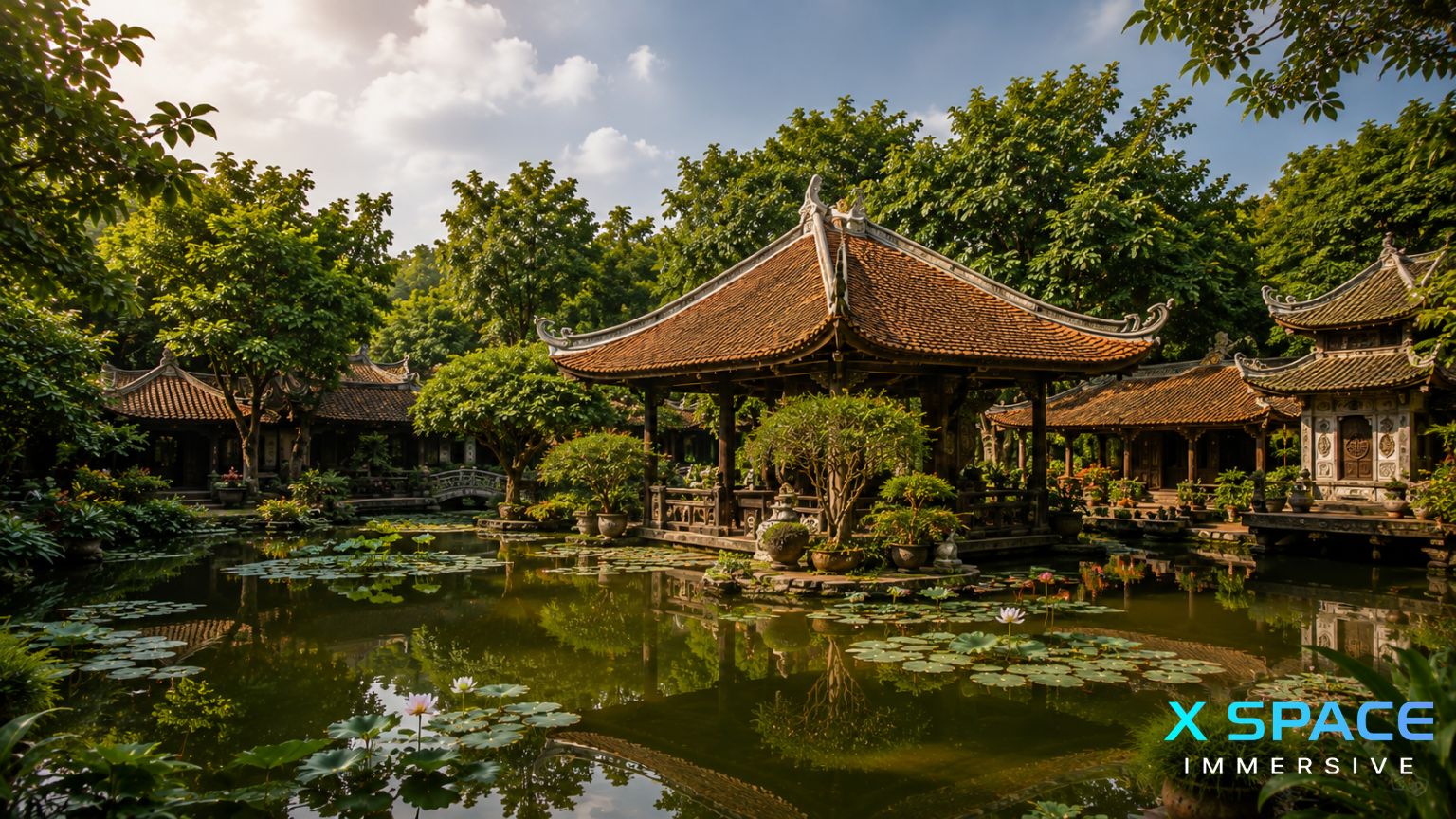
Traditional Vietnamese pavilions and lotus pond at Thanh Chuong Viet Palace near Hanoi
Yet Thanh Chuong Viet Palace offers something different: space.
Here, the experience is less about moving quickly from one famous object to another and more about atmosphere.
The slower rhythm gives you time to notice details.
A Living Celebration of Traditional Vietnamese Culture
Traditional Vietnamese culture reveals itself in many forms throughout the palace.
Architecture is perhaps the most immediately visible, but the experience goes beyond buildings. Decorative details, artworks, sculptures, objects, gardens, and the relationship between indoor and outdoor spaces all contribute to a broader cultural picture.
For visitors unfamiliar with Vietnamese heritage, the palace can help make abstract ideas more tangible.
You can observe how wooden structures interact with courtyards, how roofs shape the silhouette of traditional buildings, how nature is integrated into the environment, and how artistic objects feel different when displayed within architecture inspired by the culture that produced them.
Rather than receiving Vietnamese culture as a list of historical facts, you experience it spatially.
Art, Heritage, and Nature in One Remarkable Space
One of the most appealing characteristics of Viet Phu Thanh Chuong Palace is the balance between human craftsmanship and nature.
Greenery softens architectural lines. Water creates reflections. Old materials change character depending on the light. Courtyards provide pauses between enclosed spaces.
Nothing needs to shout for your attention.
This quiet relationship makes the palace particularly rewarding for travelers who enjoy photography, architecture, art, gardens, and slow travel.
It also means that two people can leave with completely different favorite memories.
One visitor might remember a traditional house. Another might be fascinated by an artwork. Someone else may simply remember sitting quietly beside the water.
What Makes the Palace Different From Typical Hanoi Attractions?
Many of Hanoi’s most famous landmarks sit within busy urban neighborhoods. Their energy is part of their appeal.
Thanh Chuong Viet Palace provides a contrast.
Located away from the dense center of Hanoi, it offers a more contemplative cultural excursion. That makes the journey itself feel like a transition—from traffic, shops, and city streets toward a quieter landscape.
This contrast is one reason the palace works well as part of a broader Hanoi itinerary.
After exploring the Old Quarter and major central attractions, a visit here can reveal another side of the capital region.
Architecture and Art Inside Thanh Chuong Viet Palace
If there is one reason to avoid rushing through Thanh Chuong Viet Palace, it is the architecture.
Look beyond the overall silhouette of each building and pay attention to smaller details: doors, beams, rooflines, textures, carved surfaces, courtyards, steps, and the way structures frame surrounding nature.
These details create much of the palace’s visual richness.
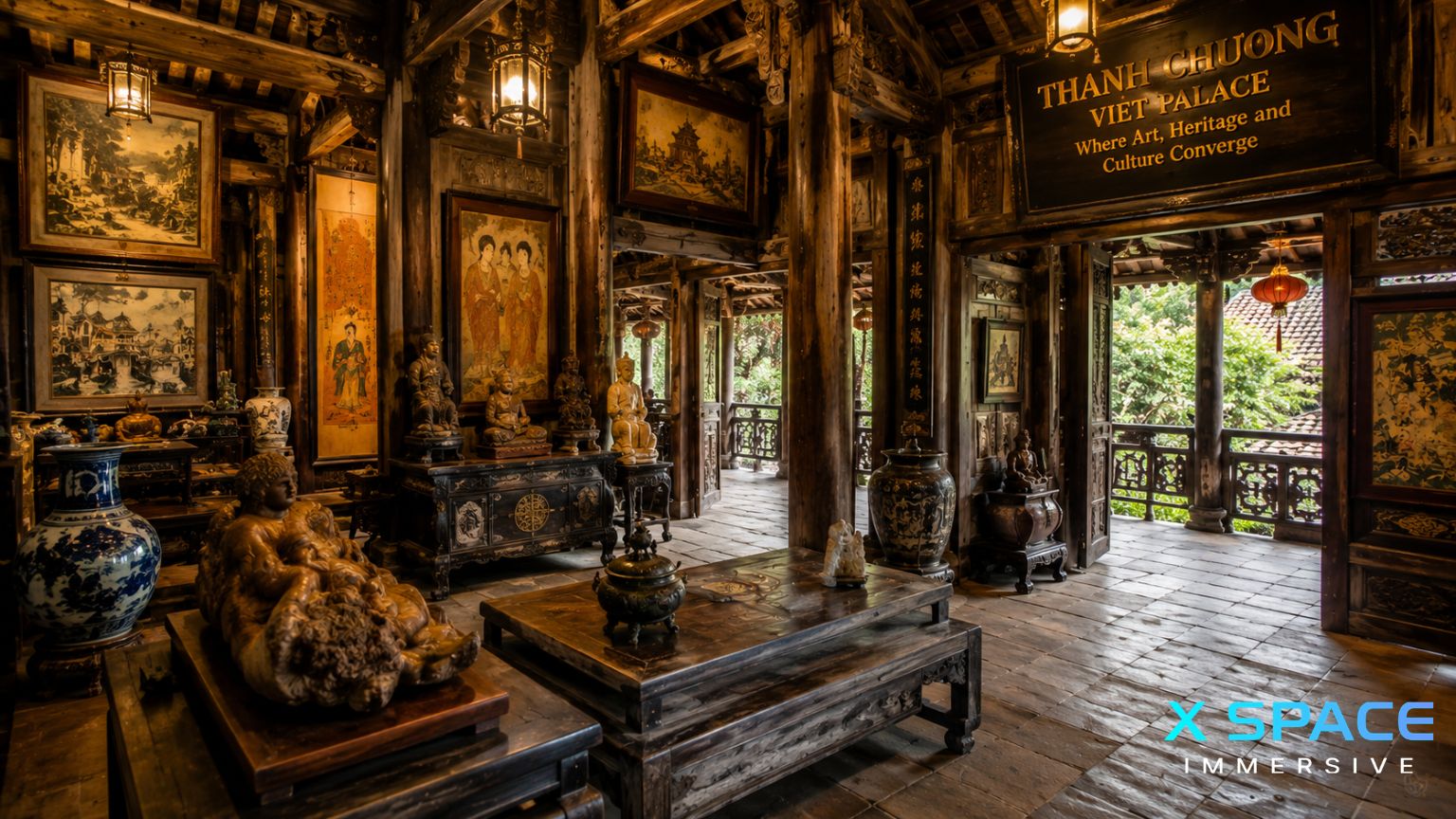
Traditional wooden architecture, artworks and cultural artifacts inside Thanh Chuong Viet Palace
Traditional Vietnamese Houses and Historic Architecture
Traditional houses are among the defining elements of the complex.
For international visitors accustomed to seeing Vietnamese architecture primarily through temples and pagodas, these structures can broaden the picture of traditional design.
Wood is particularly important to the atmosphere.
Its texture and age bring warmth to interior spaces, while traditional roof forms create distinctive lines against the sky and surrounding greenery.
Architecture here is not isolated from the landscape. Doors open toward gardens. Courtyards connect different areas. Roofs appear between trees. Pathways gradually reveal new structures.
As you walk, the palace unfolds rather than presenting itself all at once.
Sculptures, Artworks, and Cultural Objects
Art is another essential layer of the experience.
Paintings and other artistic or cultural objects appear within spaces that already have strong visual identities of their own.
This creates an interesting dialogue.
You may find yourself looking first at an object, then at the wall behind it, then at the wooden architecture surrounding the room. The setting influences how the artwork is perceived.
For travelers interested in Vietnamese art, this is one of the palace’s greatest strengths.
The experience encourages observation rather than consumption.
Take your time.
Sometimes the smallest detail becomes the one you remember most.
Gardens, Ponds, and Vietnamese Landscape Aesthetics
The outdoor areas are not simply gaps between buildings.
They are part of the experience.
Plants, ponds, stone surfaces, pathways, courtyards, and architectural elements work together to create changing perspectives as you move through the complex.
Water is especially effective.
Reflections can transform a simple view of a building or tree, while the presence of ponds contributes to the sense of calm that many visitors associate with the palace.
If possible, leave enough time to wander without following an overly rigid route.
Some of the best moments at Thanh Chuong Viet Palace happen when you stop trying to “see everything” and simply explore.
Top Things to See and Do at Thanh Chuong Viet Palace
Although the palace rewards unstructured wandering, several experiences deserve particular attention.
Explore Traditional Vietnamese Houses
Start with the architecture.
Walk slowly through and around the traditional structures, noticing how their interiors connect with courtyards and gardens.
Instead of focusing only on getting wide photographs of each building, look for smaller visual stories: an old doorway, the texture of timber, light entering a dark interior, or a roof framed by leaves.
These details often capture the character of Thanh Chuong Viet Palace better than a single panoramic view.
Discover Thanh Chuong’s Artistic World
The palace is inseparable from Thanh Chuong’s identity as an artist.
Give yourself time to look at the artworks and understand how they relate to the surrounding architecture and objects.
Even if you arrive primarily because you are interested in Vietnamese heritage, the artistic dimension can change how you interpret the entire complex.
The palace becomes not only a place preserving cultural references but also a creative statement about them.
Walk Through Peaceful Gardens and Courtyards
Not every meaningful travel experience needs a dramatic centerpiece.
Sometimes it is enough to find a quiet courtyard and stay there for a few minutes.
The gardens and outdoor spaces at Viet Phu Thanh Chuong Palace provide exactly these moments.
Walk slowly, listen to the surrounding sounds, notice the reflections on water, and let the architecture appear gradually between trees and pathways.
This is where the palace’s slower pace becomes part of its appeal.
Find Your Favorite Photography Spots
For photographers and content creators, the palace offers plenty of visual variety.
Traditional wooden structures, tiled roofs, gates, ponds, statues, foliage, corridors, and courtyards can all create striking compositions.
Instead of searching only for the most recognizable Instagram angle, experiment with layers.
Frame architecture through a doorway. Use reflections in water. Photograph details rather than entire structures. Look for the contrast between dark wooden interiors and bright gardens.
Morning and softer natural light can be especially attractive for capturing texture and atmosphere.
Remember, however, that this is first and foremost a cultural space. Photography should never come at the expense of respecting the environment or other visitors.
Thanh Chuong Viet Palace Visitor Guide
A little planning will make your trip significantly easier, especially because the palace is outside central Hanoi.
Where Is Thanh Chuong Viet Palace?
Thanh Chuong Viet Palace is located in the Soc Son area of Hanoi, away from the city’s main tourist center.
That distance is part of its charm.
Unlike attractions you can casually walk to from the Old Quarter, visiting the palace feels more like a dedicated cultural excursion.
Depending on where you are staying and current traffic conditions, journey times can vary, so leave some flexibility in your schedule.
Private cars, taxis, ride-hailing services, or arranged transportation are generally more convenient choices for international travelers unfamiliar with the area.
When planning your return journey, consider Hanoi traffic—particularly if you have another reservation or activity scheduled afterward.
Thanh Chuong Viet Palace Opening Hours
According to the current official Việt Phủ Thành Chương website, the palace is open from 9:00 AM to 5:00 PM, Monday through Sunday, including holidays and Tet.
Opening hours and visitor policies can change, so checking the official information shortly before your visit is always sensible.
Arriving earlier in the day can also give you more freedom to explore without watching the clock.
How Much Time Should You Spend at the Palace?
There is no perfect amount of time for everyone.
If you mainly want to see the architecture, walk around, and take a few photographs, a shorter visit may be sufficient.
Art lovers, photographers, architecture enthusiasts, and slow travelers will probably want longer.
A good strategy is to avoid scheduling your visit too tightly.
The palace works best when you have enough time to pause.
Best Time to Visit Thanh Chuong Viet Palace
Morning is an attractive option, particularly if you prefer a quieter start and softer natural light.
Weather also matters because much of the pleasure comes from moving between indoor and outdoor spaces.
During warmer periods, lightweight clothing and water can make exploring more comfortable. On rainy days, the traditional architecture can take on an atmospheric quality, although outdoor pathways may require additional care.
Before traveling from central Hanoi, check the weather and current opening information.
Tips for the Best Thanh Chuong Viet Palace Experience
A few simple choices can make the experience more enjoyable.
Wear Comfortable Clothing and Shoes
Expect to walk.
Comfortable shoes are more useful than dressing purely for photographs, especially if you want to explore the entire complex.
Choose clothing appropriate for the weather and remember that you are visiting a place centered on Vietnamese cultural heritage.
A respectful, comfortable outfit is ideal.
Slow Down
This may be the most important tip.
Do not approach Thanh Chuong Viet Palace as a checklist.
If you rush from building to building searching only for the “top attractions,” you may miss what makes the place special.
Look at the details.
Notice how light falls across old wood. Watch reflections change in a pond. Stand in a courtyard without immediately reaching for your phone.
The palace rewards attention.
Consider Using the Official Audio Guide
The official Việt Phủ Thành Chương website currently highlights an automatic narration program designed to help visitors understand the site in greater depth, including expert information and perspectives associated with artist Thanh Chuong.
For travelers interested in the meaning behind what they are seeing, this can add valuable context.
Who Will Enjoy Viet Phu Thanh Chuong Palace Most?
The palace has broad appeal, but it is particularly suitable for:
- Art and architecture lovers
- Cultural travelers
- Photographers and visual storytellers
- Couples looking for a quieter Hanoi excursion
- Visitors interested in traditional Vietnamese aesthetics
- Travelers who have already explored Hanoi’s major landmarks
- Anyone interested in discovering a less hectic side of the city
Families can also enjoy the visit, particularly when children are curious about architecture, art, and outdoor spaces.
Is Thanh Chuong Viet Palace Worth Visiting?
For travelers interested in culture, art, architecture, and photography, yes—Thanh Chuong Viet Palace is worth considering.
Its appeal is not based on spectacle.
It comes from atmosphere.
The palace allows visitors to experience Vietnamese cultural references in an environment where architecture, artworks, objects, landscape, and artistic vision interact.
That makes it especially valuable if your Hanoi itinerary has already introduced you to the capital’s more famous attractions.
Who Should Add It to Their Hanoi Itinerary?
If your ideal trip consists entirely of busy markets, nightlife, street food, and central landmarks, traveling outside the city center specifically for a cultural complex may not be your highest priority.
But if you want to see another side of Hanoi, the journey makes much more sense.
It can be particularly rewarding on a longer stay when you have already visited places such as Hoan Kiem Lake, the Old Quarter, major museums, and historic temples.
Thanh Chuong Viet Palace gives you room to slow down.
And sometimes that change of rhythm becomes one of the highlights of a trip.
How It Fits Into a Hanoi Cultural Journey
Hanoi is fascinating because its culture is not confined to the past.
History exists beside contemporary life.
Traditional craft exists beside digital creativity. Ancient architecture exists beside modern design. Quiet temples coexist with experimental galleries and technology-driven experiences.
This makes Thanh Chuong Viet Palace an excellent starting point for a wider exploration of Vietnamese creativity.
At the palace, you encounter heritage through physical materials: timber, tiles, stone, paint, sculpture, gardens, water, and traditional architecture.
Then, back in central Hanoi, you can encounter an entirely different artistic language—one built from light, projection, sound, digital imagery, interaction, and immersive technology.
That contrast leads naturally to the next experience.
From Timeless Heritage to Digital Art: Experience X Space Immersive
After wandering through traditional architecture and artistic heritage at Thanh Chuong Viet Palace, imagine stepping into a completely different environment.
The wooden beams disappear.
In their place are LED displays, projections, mirrors, digital landscapes, light, sound, and moving imagery.
Welcome to X Space Immersive.
Located at Vincom Mega Mall Royal City in Hanoi, X Space Immersive presents a contemporary form of experiential art built around digital technology and multi-sensory environments.
If Thanh Chuong Viet Palace invites you to look backward into Vietnamese cultural memory, X Space encourages you to explore how technology is changing the way people experience visual creativity today.
The two places are very different—and that is exactly why experiencing both can be interesting.
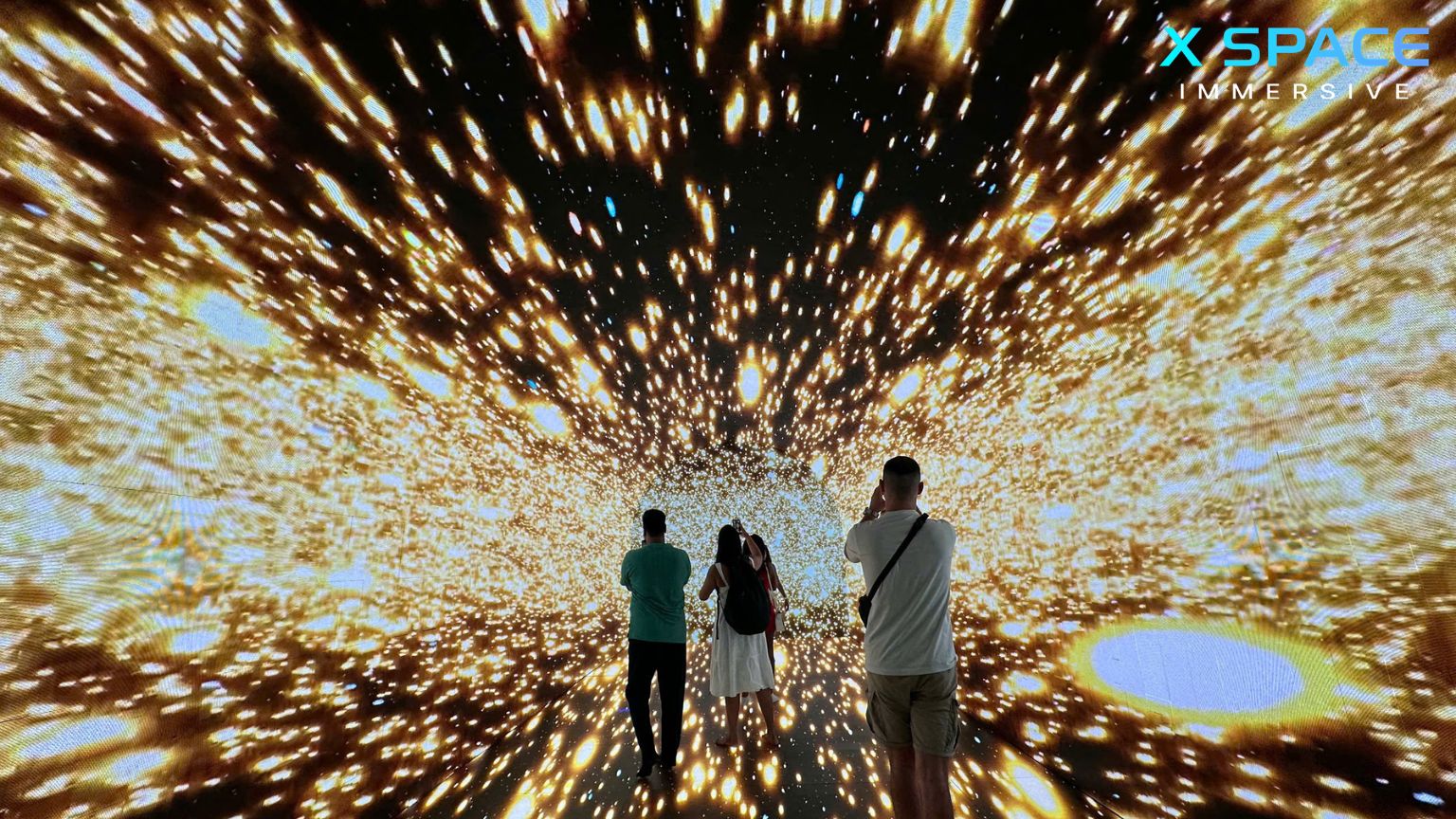
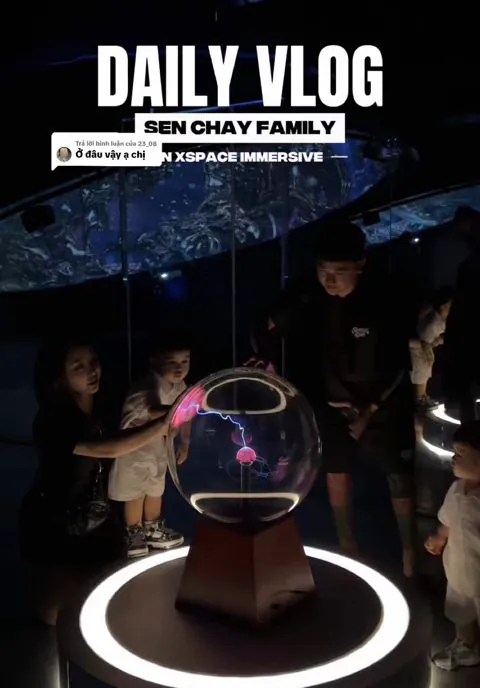
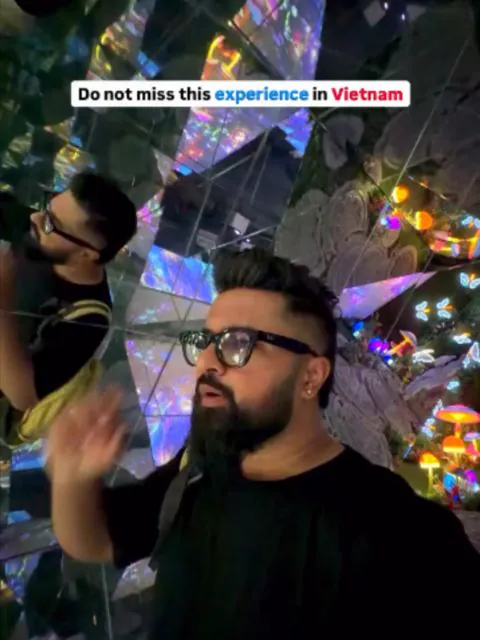
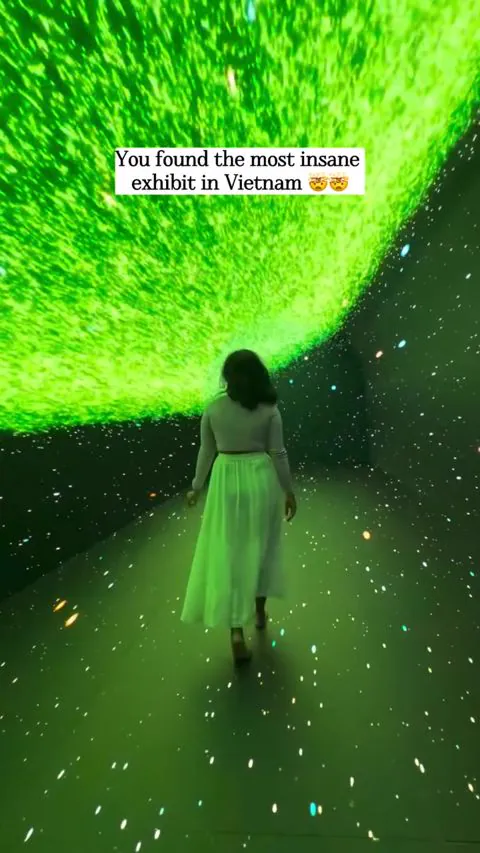
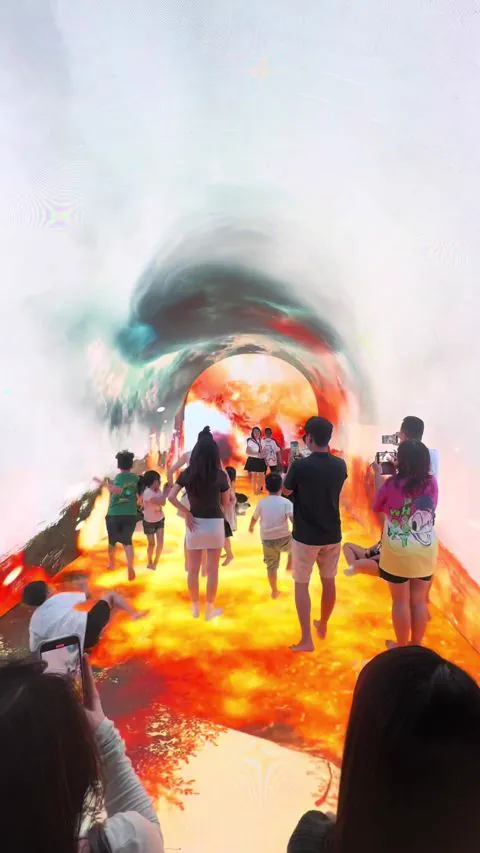
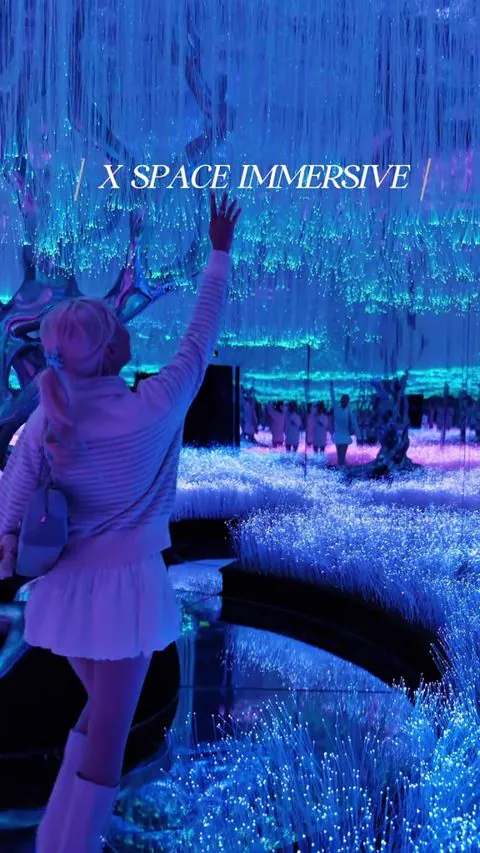
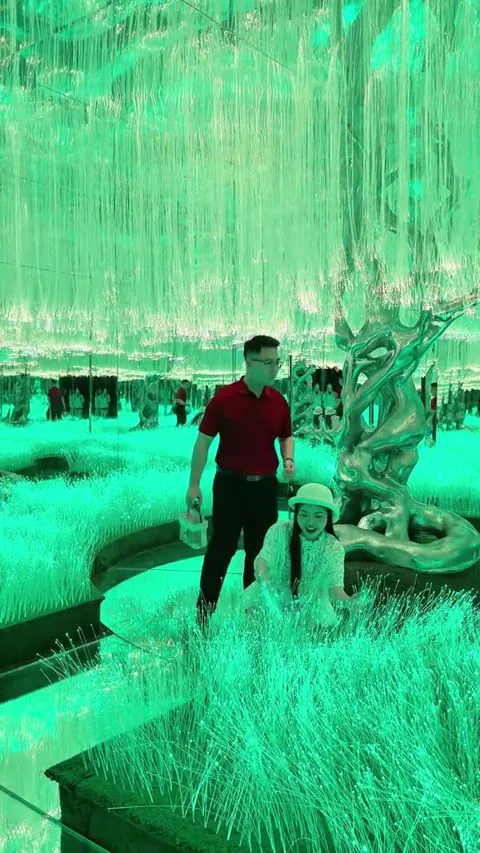
Visitors enjoying the X Space Immersive experience in Hanoi
What Is X Space Immersive?
X Space Immersive is an immersive digital-art attraction in Hanoi where visitors move through a collection of themed environments.
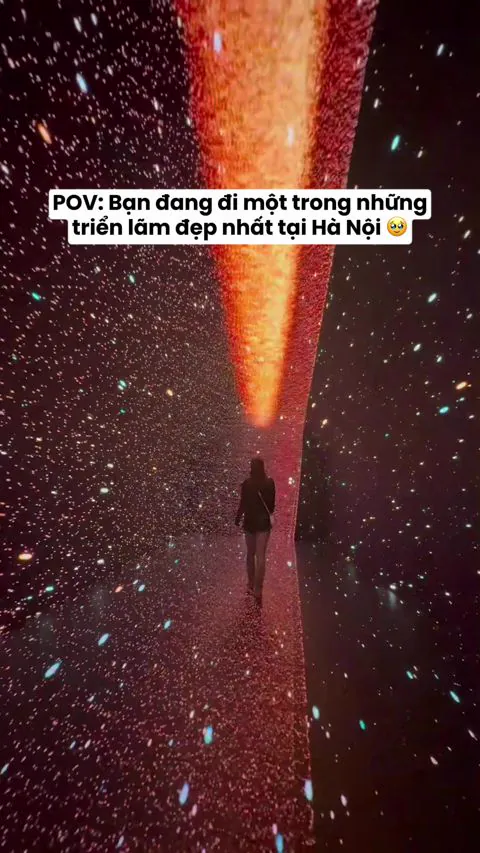
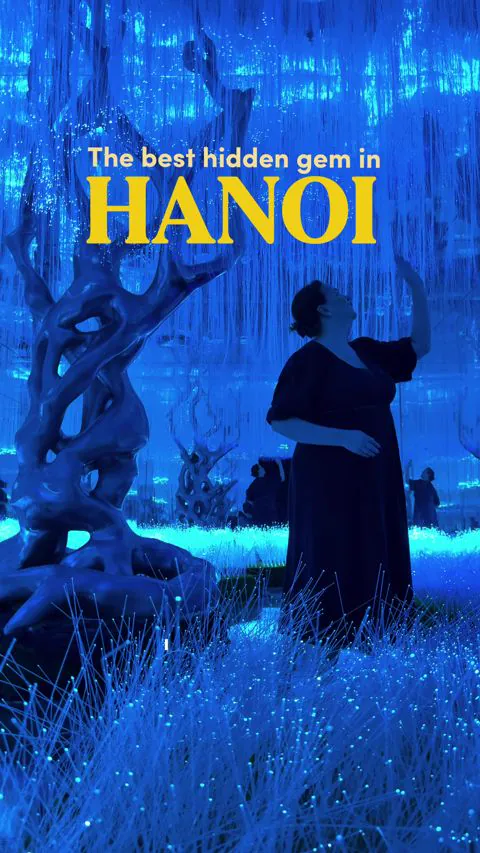
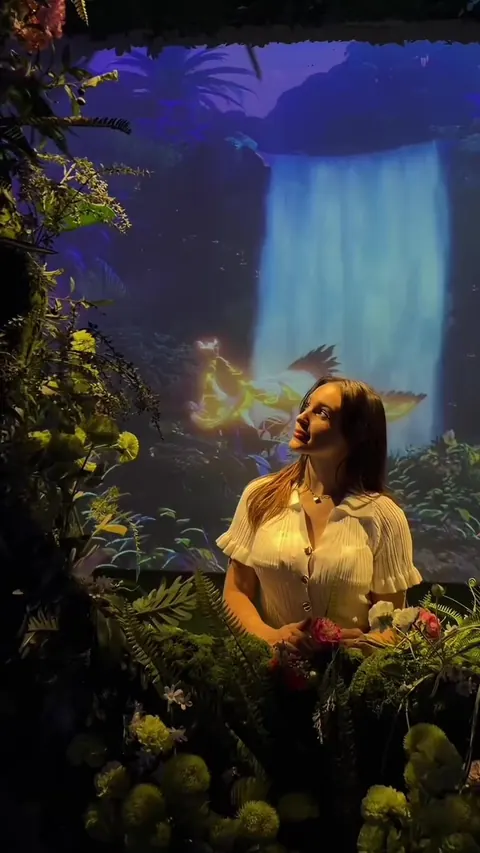
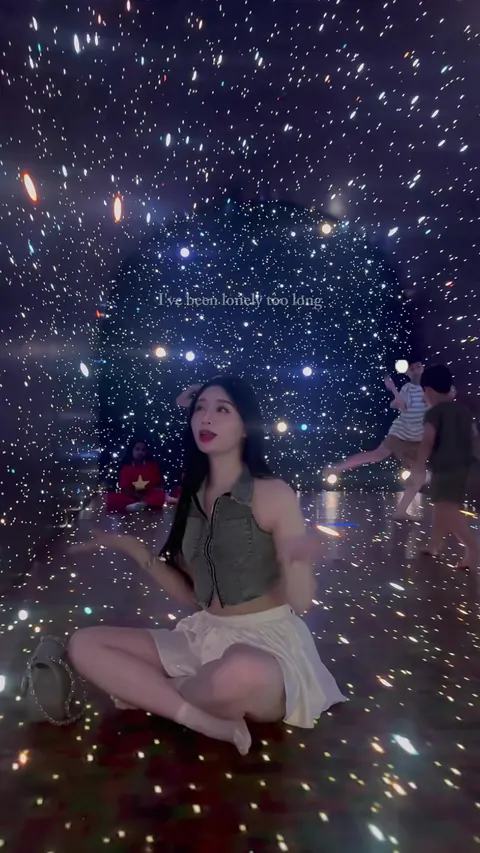
According to its official website, the experience includes eight experience rooms and features such as an immersive LED tunnel, Neon Art Room, immersive dome experiences, digital nature environments, underwater imagery, mirror effects, Wonderland, Space Dome, and Light Forest.
Technology including 3D mapping, interactive effects, immersive projection, mirrors, LED displays, light, and sound helps transform the visitor from a passive observer into someone surrounded by the artwork.
Instead of standing in front of a conventional framed image, you can walk through light.
Instead of viewing a landscape from a distance, you can find yourself visually surrounded by one.
That shift is what makes immersive art so approachable, especially for families, couples, young travelers, photographers, and anyone looking for a visually engaging indoor experience in Hanoi.
Step Into Eight Immersive Experience Rooms
Each environment at X Space is designed to create a different mood.
A glowing forest can feel dreamlike. An underwater environment can surround visitors with digital marine life. A dome projection can expand the field of vision until the boundary between screen and room becomes less obvious.
The Full LED Tunnel surrounds visitors with moving imagery, while the Neon Art Room plays with vibrant light and color.
The Immersive Dome Story uses 3D dome projection to create visual worlds around the audience.
Elsewhere, experiences such as Enchanted Jungle, Deep Ocean, Magic Tunnel, Wonderland, Space Dome, and Light Forest shift between nature, fantasy, illusion, and cosmic imagery.
This variety means the attraction is not centered on one single installation.
The journey is the experience.
Planning Your X Space Immersive Visit
X Space Immersive is located at B2-R1-06, 07, 08, Vincom Mega Mall Royal City, 72A Nguyen Trai Street, Thanh Xuan Ward, Hanoi.
According to the current official website, opening hours are 10:00 AM–10:00 PM Monday to Friday and 9:30 AM–10:00 PM on weekends and public holidays.
The official site currently lists two main experiences.
The Standard Experience provides access to Rooms 1–7 and has an indicated duration of around 60 minutes.
The VIP Experience provides access to all eight rooms and has an indicated duration of around 80 minutes.
Because prices, packages, and promotional offers can change, checking the official X Space Immersive website before booking is recommended.
Why Combine Thanh Chuong Viet Palace With X Space Immersive?
Because together, they tell a much bigger story about art.
Start your cultural exploration at Thanh Chuong Viet Palace, surrounded by architecture, craftsmanship, objects, paintings, and landscapes inspired by Vietnamese heritage.
There, art feels rooted in memory and material.
Then return to the city and enter X Space Immersive, where creative expression is translated through light, projection, interaction, sound, and digital technology.
One experience connects you with tradition.
The other explores new possibilities.
One asks you to notice the beauty of what has endured.
The other invites you to imagine what comes next.
And somewhere between the two lies one of the most interesting ways to experience Hanoi – not simply as a city preserving its past, but as a place where heritage and contemporary creativity continue to exist side by side.
So, after stepping into Vietnam’s timeless cultural world at Thanh Chuong Viet Palace, let your journey continue.
Experience X Space Immersive and discover another dimension of art in Hanoi – where light, technology, sound, and imagination transform the way you see, feel, and interact with the world around you.
Was this article helpful?
Thanks for your feedback!