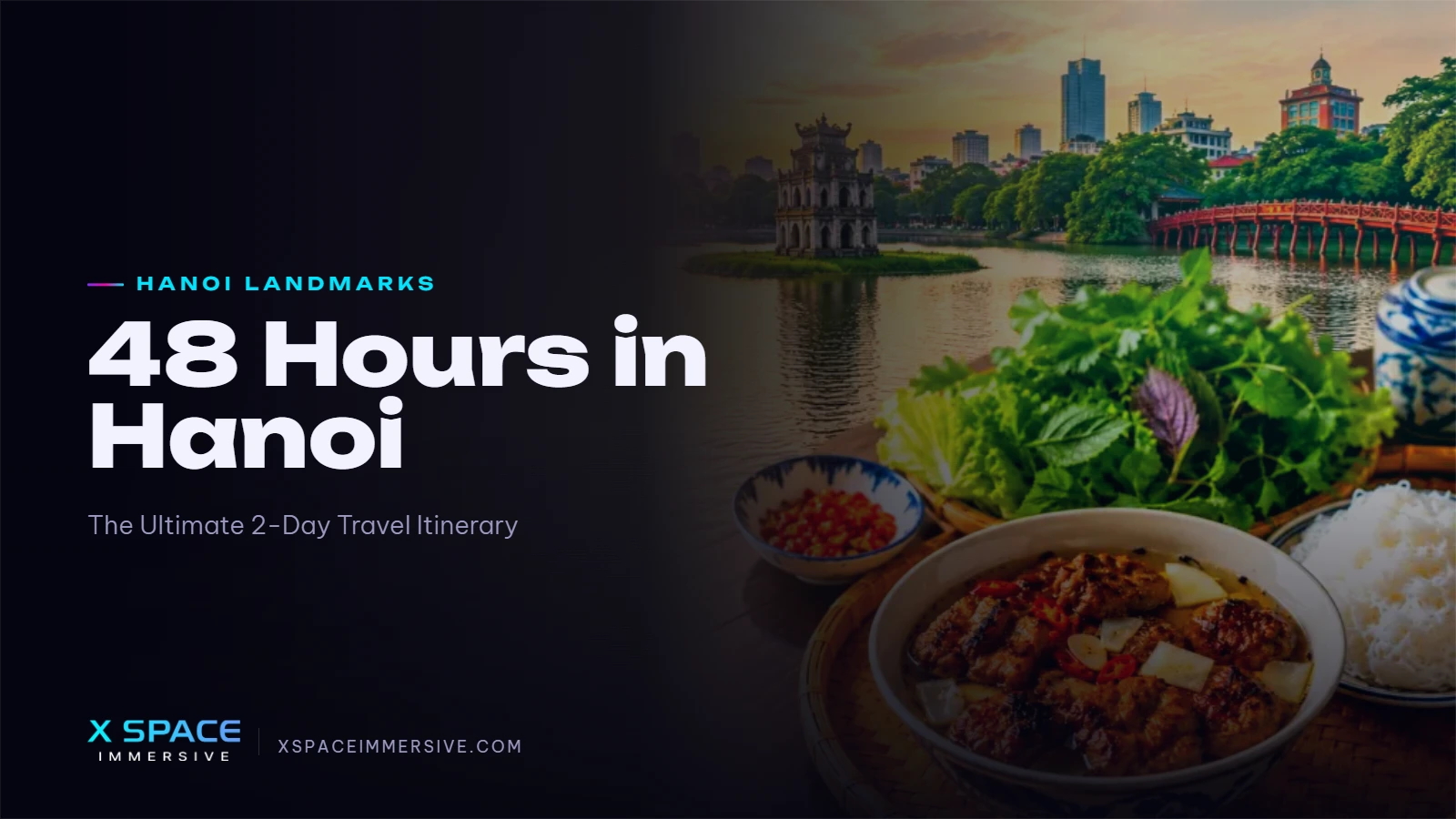
Best Food in Hanoi Old Quarter: 15 Must-Try Local Dishes

Looking for the best food in Hanoi Old Quarter? You’re in the right place. From steaming bowls of Pho and smoky Bun Cha to crispy Banh Mi and authentic local desserts, Hanoi’s historic Old Quarter is a paradise for food lovers. Whether you’re visiting for the first time or returning to explore hidden culinary gems, this guide will introduce 15 must-try local dishes, the best places to eat, and insider tips to help you experience Hanoi’s vibrant street food culture like a local.
In this guide
Why Hanoi Old Quarter Is Famous for Street Food
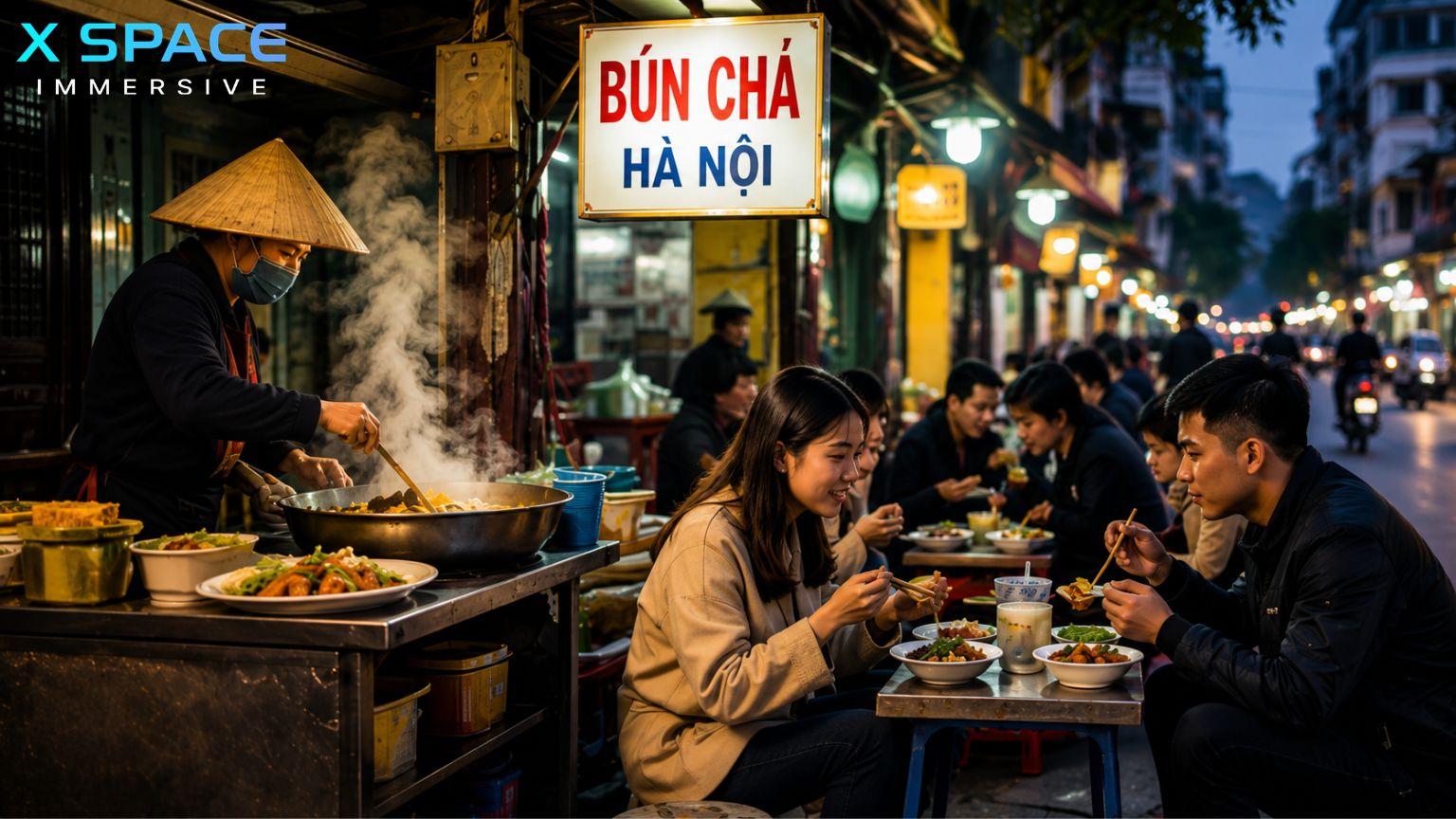
Hanoi Old Quarter street food with locals enjoying bun cha at a traditional street stall
A Culinary Heritage Passed Down Through Generations
The Old Quarter has been the commercial center of Hanoi for over a thousand years. Traditionally, each street specialized in a particular craft or trade, and many families also developed signature recipes that became local favorites. Today, those culinary traditions continue to thrive in small kitchens and roadside stalls where recipes are often passed down through several generations.
Unlike modern restaurants that frequently reinvent their menus, many street vendors in Hanoi have spent decades perfecting just one dish. Some even sell only a single specialty every day, allowing them to focus entirely on quality and consistency. This dedication is one of the reasons why travelers from around the world consider the Old Quarter the birthplace of Vietnam’s finest street food.
Walking through these historic streets isn’t simply about finding something to eat—it’s about experiencing the city’s living history through its cuisine.
Why Travelers Love Hanoi Old Quarter Food
One of the biggest reasons visitors fall in love with Hanoi Old Quarter food is its incredible balance of flavors.
Vietnamese cuisine is famous for combining sweet, salty, sour, spicy, and umami in every meal. Fresh herbs brighten rich broths, lime juice adds refreshing acidity, while fish sauce provides unmistakable depth.
Another reason is accessibility.
Unlike many famous food destinations around the world, excellent meals in Hanoi remain remarkably affordable. A satisfying breakfast can cost just a few dollars, allowing visitors to sample multiple dishes throughout the day without exceeding their travel budget.
Beyond affordability, every meal feels personal. Many vendors remember regular customers, prepare dishes directly in front of guests, and happily explain ingredients despite language differences. These authentic interactions transform an ordinary meal into a memorable cultural experience.
The Best Time to Explore Hanoi Old Quarter Street Food
Although delicious food is available throughout the day, timing can significantly enhance your culinary adventure.
Early Morning (6:00 AM – 9:00 AM)
Morning is the perfect time to enjoy traditional breakfasts such as Pho Bo, Xoi, or Banh Cuon. Local markets are bustling with activity, ingredients are incredibly fresh, and you’ll experience Hanoi as residents begin their daily routines.
Lunch (11:30 AM – 1:30 PM)
Many of Hanoi’s most famous Bun Cha restaurants are busiest during lunchtime. This is when charcoal grills fill the air with irresistible aromas, attracting both office workers and curious travelers.
Evening (5:30 PM – 9:00 PM)
Evenings are arguably the most exciting time for street food Hanoi Old Quarter experiences. Streets become vibrant with food stalls serving grilled meats, desserts, fresh fruit, and local snacks. Weekend walking streets create an energetic atmosphere where food, music, and culture come together.
15 Best Food in Hanoi Old Quarter You Must Try
The heart of every Hanoi food journey lies in discovering iconic local dishes. While hundreds of specialties are available throughout the city, these classics consistently represent the very best food in Hanoi Old Quarter. Each one reflects a unique aspect of Vietnamese culinary culture and deserves a place on every visitor’s itinerary.
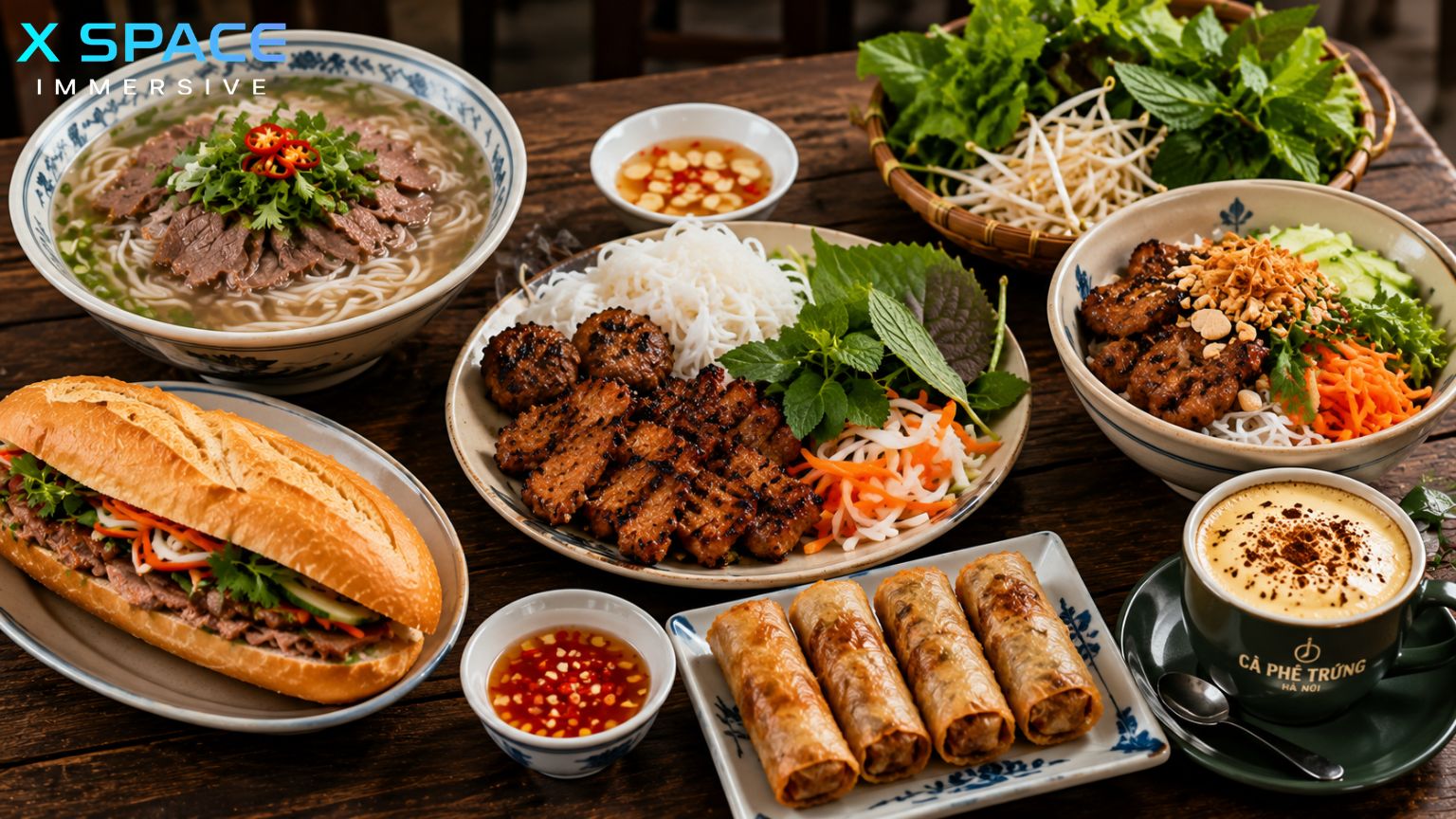
Best food in Hanoi Old Quarter including pho, bun cha, banh mi, fried spring rolls and egg coffee
Pho Bo (Vietnamese Beef Noodle Soup)
No list of food in Hanoi Old Quarter would be complete without Pho Bo.
Widely recognized as Vietnam’s national dish, Pho Bo consists of silky rice noodles served in a crystal-clear beef broth that has been slowly simmered for many hours using beef bones, cinnamon, star anise, ginger, and cloves.
Thin slices of beef gently cook in the steaming broth just before serving, creating an incredibly tender texture. Fresh herbs, lime wedges, chili, and garlic vinegar allow diners to customize every bowl according to their taste.
What makes Hanoi’s Pho Bo special is its elegant simplicity. Compared to southern variations, the northern style focuses more on the natural sweetness of the broth rather than an abundance of herbs or sauces.
Average price: 50,000–80,000 VND
Local tip: Visit early in the morning when the broth is freshly prepared and local residents gather for breakfast.
Bun Cha
If Pho represents Hanoi’s mornings, Bun Cha defines its afternoons.
This iconic dish combines smoky charcoal-grilled pork patties and marinated pork belly served in a warm bowl of sweet-savory dipping sauce. Fresh vermicelli noodles, baskets of aromatic herbs, green papaya pickles, and garlic complete the meal.
Unlike noodle soups, Bun Cha is highly interactive. Diners dip noodles, herbs, and grilled pork into the flavorful broth before every bite, creating endless combinations of textures and flavors.
The secret lies in the grilling process. The aroma of caramelized pork over charcoal fills the streets long before lunchtime, making it almost impossible to resist.
After former U.S. President Barack Obama famously enjoyed Bun Cha during his visit to Hanoi, the dish became internationally recognized. Yet despite its popularity, the most authentic versions are still found in humble family-run eateries tucked inside the Old Quarter.
Average price: 60,000–90,000 VND
Local tip: Arrive before noon to avoid long queues at the most popular restaurants.
Banh Mi
Although Banh Mi can be found throughout Vietnam, enjoying one in Hanoi offers a distinctive experience.
Vietnam’s famous baguette reflects the country’s French colonial history while showcasing unmistakably Vietnamese flavors. The bread is light and crispy on the outside while remaining soft inside.
Traditional fillings may include grilled pork, pâté, Vietnamese sausage, roasted chicken, fried eggs, fresh cucumber, cilantro, pickled carrots, daikon, and spicy chili sauce.
What makes Banh Mi particularly appealing is its convenience. Whether you’re exploring Hoan Kiem Lake, wandering hidden alleys, or heading toward the night market, it’s the perfect meal to enjoy on the go.
Every vendor has their own signature recipe, making each sandwich a unique culinary discovery.
Average price: 30,000–50,000 VND
Local tip: Don’t hesitate to try smaller family-owned stalls with long lines of local customers—they’re often the best indicators of exceptional quality.
Bun Rieu
For travelers seeking flavors beyond Pho, Bun Rieu offers an unforgettable alternative.
This vibrant noodle soup features a rich tomato-based broth filled with freshwater crab paste, tofu, tomatoes, vermicelli noodles, and fragrant herbs. Depending on the vendor, you may also find pork, blood pudding, snails, or beef.
The broth delivers a remarkable balance of sweetness, acidity, and umami, making it one of Hanoi’s most distinctive comfort foods.
Unlike heavier soups, Bun Rieu feels surprisingly refreshing thanks to fresh herbs and tomatoes, making it particularly enjoyable during warmer months.
Average price: 45,000–70,000 VND
Local tip: Add a squeeze of lime and fresh chili to enhance the soup’s vibrant flavors.
Cha Ca
Among all traditional dishes in Hanoi, few possess as much history as Cha Ca.
Originating over a century ago, this celebrated specialty features turmeric-marinated fish grilled until perfectly golden before being finished at the table with generous amounts of fresh dill and spring onions.
Served alongside rice noodles, roasted peanuts, shrimp paste, herbs, and chili, every bite delivers an exciting contrast between crispy fish, fragrant herbs, creamy peanuts, and bold dipping sauce.
Preparing Cha Ca is almost theatrical. The sizzling pan arrives at your table, allowing diners to watch the ingredients finish cooking before assembling each bite themselves.
It is not only a meal but also an immersive dining experience deeply rooted in Hanoi’s culinary identity.
Average price: 150,000–250,000 VND per person
Local tip: If you’re trying shrimp paste for the first time, mix it with lime juice and chili to create a smoother, more balanced flavor.
Continue Exploring the Best Food in Hanoi Old Quarter
After enjoying Hanoi’s iconic classics like Pho Bo, Bun Cha, and Cha Ca, it’s time to discover the rest of the city’s incredible culinary treasures. These dishes may not always receive as much international attention, but they are everyday favorites among locals and an essential part of the best food in Hanoi Old Quarter experience.
Banh Cuon (Steamed Rice Rolls)
Delicate, silky, and surprisingly satisfying, Banh Cuon is one of Hanoi’s most beloved breakfast dishes.
Made from a thin sheet of freshly steamed rice batter, each roll is carefully filled with seasoned minced pork, wood ear mushrooms, and shallots before being folded by hand. The rice rolls are served with crispy fried shallots, fresh herbs, Vietnamese pork sausage (cha lua), and a light fish sauce dipping sauce.
Watching vendors prepare Banh Cuon is almost as enjoyable as eating it. Skilled cooks stretch the rice batter over steaming cloth, creating paper-thin sheets within seconds before expertly rolling each portion.
The soft texture, fragrant filling, and refreshing herbs make Banh Cuon a perfect option for travelers looking for a lighter meal.
Average price: 40,000–60,000 VND
Local tip: Pair it with a glass of hot Vietnamese green tea for a traditional Hanoi breakfast.
Xoi (Vietnamese Sticky Rice)
Sticky rice has been part of Vietnamese cuisine for centuries, and Hanoi offers some of the country’s finest variations.
Unlike plain steamed rice, Xoi is cooked until rich and chewy before being topped with ingredients such as shredded chicken, Chinese sausage, braised pork, mung bean paste, fried shallots, roasted peanuts, or even savory pâté.
For locals, Xoi is more than just breakfast—it’s comfort food that provides lasting energy throughout the day.
Sweet versions featuring coconut, sesame, or black beans are also popular for dessert or afternoon snacks.
Its versatility and affordability make Xoi one of the hidden gems of food in Hanoi Old Quarter.
Average price: 25,000–50,000 VND
Local tip: Visit early in the morning when vendors prepare fresh batches using traditional bamboo steamers.
Nem Ran (Vietnamese Fried Spring Rolls)
Known internationally as Vietnamese spring rolls, Nem Ran is one of Hanoi’s most celebrated family dishes.
Each roll contains a flavorful mixture of minced pork, mushrooms, glass noodles, carrots, onions, and aromatic seasonings wrapped in delicate rice paper before being fried until perfectly crisp.
The contrast between the crunchy exterior and juicy filling makes every bite incredibly satisfying.
Nem Ran is traditionally served with lettuce, herbs, and sweet fish sauce. Wrapping each crispy roll inside fresh vegetables creates the perfect balance of richness and freshness.
Although commonly enjoyed during holidays and family celebrations, excellent versions are available throughout the Old Quarter.
Average price: 50,000–80,000 VND
Local tip: Wrap each spring roll with fresh herbs before dipping it into fish sauce for the authentic local experience.
Banh Goi (Vietnamese Pillow Cake)
Often overlooked by international visitors, Banh Goi is one of Hanoi’s favorite afternoon snacks.
Its golden, crispy pastry resembles a small pillow, giving the dish its name. Inside, you’ll find minced pork, vermicelli noodles, mushrooms, quail eggs, and black pepper wrapped in thin dough before deep frying.
Served with sweet-and-sour fish sauce and a generous plate of fresh herbs, Banh Goi offers a wonderful combination of crispy, savory, and refreshing flavors.
It is especially popular during cooler months when freshly fried pastries become even more irresistible.
Average price: 35,000–60,000 VND
Local tip: Eat it immediately after serving to enjoy the perfectly crispy crust.
Egg Coffee (Ca Phe Trung)
No culinary journey through Hanoi is complete without trying its world-famous Egg Coffee.
Invented in Hanoi during the 1940s, this unique beverage was created when fresh milk became scarce. Local baristas whisked egg yolks with sugar and condensed milk to create a rich, velvety foam that sits on top of strong Vietnamese coffee.
The result surprises many first-time visitors.
Rather than tasting like eggs, the creamy topping resembles a delicate custard with hints of vanilla and caramel, perfectly complementing the bold coffee beneath.
Many historic cafés in the Old Quarter continue preparing Egg Coffee using traditional family recipes that have remained unchanged for generations.
Average price: 40,000–70,000 VND
Local tip: Stir gently before drinking so the creamy foam blends with the coffee.
Che (Vietnamese Sweet Desserts)
After enjoying several savory dishes, locals often cool down with a colorful bowl of Che.
Che is not one dessert but a collection of sweet treats made with beans, sticky rice, coconut milk, lotus seeds, jelly, fruits, tapioca pearls, and crushed ice.
Every shop offers its own combination, meaning no two bowls are exactly alike.
Some varieties are served warm during winter, while others are refreshingly cold for Hanoi’s summer afternoons.
Che perfectly reflects Vietnam’s love for balancing textures and flavors in every meal.
Average price: 25,000–50,000 VND
Local tip: Don’t hesitate to ask vendors for their most popular combination if it’s your first visit.
Banh Xeo (Vietnamese Crispy Pancake)
Although often associated with southern Vietnam, delicious versions of Banh Xeo can also be found in Hanoi.
These crispy turmeric pancakes are filled with shrimp, pork, bean sprouts, and onions before being folded into a golden half-moon shape.
Instead of eating them alone, locals wrap pieces of pancake inside lettuce leaves with fresh herbs before dipping everything into fish sauce.
The combination of crispy pancake, juicy filling, crunchy vegetables, and aromatic herbs creates one of Vietnam’s most enjoyable dining experiences.
Average price: 60,000–100,000 VND
Local tip: Use plenty of herbs—the freshness is what makes Banh Xeo so memorable.
Grilled Pork Skewers (Thit Nuong)
As evening approaches, the aroma of charcoal fills the streets of Hanoi.
One irresistible snack you’ll encounter is Thit Nuong, or grilled pork skewers.
Marinated with garlic, lemongrass, honey, fish sauce, and black pepper, the pork is grilled over hot charcoal until beautifully caramelized.
The smoky aroma attracts locals and tourists alike, making it one of the highlights of street food Hanoi Old Quarter after sunset.
Some vendors serve skewers individually, while others pair them with sticky rice, fresh vegetables, or vermicelli noodles.
Average price: 30,000–70,000 VND
Local tip: Visit the Old Quarter after 6 PM when most street grills begin operating.
Sticky Rice Ice Cream (Kem Xoi)
For something truly unique, try Kem Xoi.
This creative dessert combines fragrant sticky rice with creamy coconut ice cream, toasted coconut flakes, roasted peanuts, and shredded coconut.
The contrast between warm sticky rice and cold ice cream creates an unexpectedly delightful texture.
Although modern in presentation, Kem Xoi still uses traditional Vietnamese ingredients that locals have loved for generations.
It’s the perfect treat after spending hours exploring Hanoi’s bustling streets.
Average price: 35,000–60,000 VND
Local tip: Enjoy it immediately after serving before the ice cream melts into the sticky rice.
Fresh Tropical Fruits
Sometimes the simplest foods are the most refreshing.
Throughout the Old Quarter, fruit vendors display colorful selections of mangoes, dragon fruit, watermelon, jackfruit, pineapple, guava, pomelo, and seasonal specialties.
Many stalls prepare mixed fruit cups topped with chili salt, offering the perfect balance between sweetness, acidity, and a subtle spicy kick.
Fresh fruit provides a welcome break between heavier meals while showcasing Vietnam’s incredible agricultural diversity.
Average price: 20,000–50,000 VND
Local tip: Seasonal fruits usually offer the freshest flavor and best value.
A Culinary Journey Worth Every Bite
Exploring the best food in Hanoi Old Quarter is about much more than checking dishes off a list. Every bowl, every skewer, and every cup of coffee reflects generations of culinary tradition, local craftsmanship, and the vibrant rhythm of daily life in Vietnam’s capital.
From comforting breakfasts like Banh Cuon and Xoi to indulgent desserts such as Egg Coffee and Kem Xoi, each specialty reveals a different side of Hanoi Old Quarter food. Together, these 15 must-try dishes create a complete food adventure that captures the authentic spirit of Hanoi.
In the next section, you’ll discover where to eat in Hanoi Old Quarter, including the best food streets, hidden local restaurants, practical dining tips, and walking routes that will help you enjoy the city’s unforgettable street food scene like a true local.
Where to Eat in Hanoi Old Quarter Like a Local
Finding the best food in Hanoi Old Quarter is not just about choosing the right dish—it’s also about knowing where locals actually eat. While famous restaurants are worth visiting, some of the most memorable meals are hidden in narrow alleyways, family-run eateries, and small street stalls that have served the same recipes for decades.
If you want an authentic culinary experience, don’t be afraid to step away from the busiest tourist streets. Follow the crowds of local diners, look for restaurants with simple menus, and remember that the best places are often the busiest.
Best Street Food Stalls
One of the greatest joys of exploring Hanoi Old Quarter street food is discovering tiny vendors that specialize in a single dish. Rather than offering dozens of menu items, these stalls focus on perfecting one recipe, often passed down through generations.
Some of the most popular street food specialties include:
- Fresh Pho served from sunrise
- Charcoal-grilled Bun Cha at lunchtime
- Crispy Banh Mi throughout the day
- Egg Coffee in historic cafés
- Fresh tropical fruits and Che desserts during the afternoon
- Grilled pork skewers and local snacks after sunset
A good rule of thumb is simple: if you see a long line of local customers, you’re probably in the right place.
Hidden Local Restaurants
While many visitors stick to restaurants listed in travel guides, locals often prefer smaller eateries tucked inside quiet alleys.
These hidden gems usually offer:
- Family recipes that have remained unchanged for decades
- Fresher ingredients sourced daily
- More affordable prices
- Authentic flavors with fewer tourists
- Warm, personal hospitality
Don’t judge a restaurant by its appearance. In Hanoi, some of the city’s best meals are served in modest dining rooms with plastic stools and handwritten menus.
Popular Food Streets
Several streets in the Old Quarter have become famous for their incredible variety of local dishes.
Ta Hien Street
Known as Hanoi’s “Beer Street,” Ta Hien comes alive in the evening with grilled seafood, fried snacks, local beer, and lively nightlife. It’s an excellent place to enjoy casual street food while soaking up the energetic atmosphere.
Hang Buom Street
This historic street offers everything from grilled meats and noodle dishes to sweet desserts and local beverages. During weekends, it becomes even more vibrant thanks to the nearby night market.
Tong Duy Tan Food Street
Although technically located just outside the Old Quarter, Tong Duy Tan is one of Hanoi’s most famous food streets. It’s particularly popular for late-night dining, offering Pho, Bun, grilled dishes, and local specialties until midnight or later.
Dong Xuan Market Area
Surrounding Dong Xuan Market, visitors can sample a wide variety of affordable snacks, fresh seafood, desserts, and traditional Vietnamese street food throughout the day.
Together, these streets represent some of the best places to experience authentic street food Hanoi Old Quarter.
Night Food Markets Worth Visiting
As the sun sets, Hanoi transforms into one of Southeast Asia’s most exciting street food destinations.
Weekend night markets create an unforgettable atmosphere where food stalls, live performances, local crafts, and cultural experiences blend together.
Popular foods available include:
- Grilled squid
- Vietnamese sausages
- Sticky rice snacks
- Bubble waffles
- Fresh sugarcane juice
- Tropical fruit cups
- Egg Coffee
- Sweet desserts
Walking through these bustling markets allows visitors to taste multiple dishes in one evening while enjoying Hanoi’s vibrant nightlife.
Street Food Hanoi Old Quarter Travel Tips
Trying street food for the first time can feel overwhelming, especially if you’re unfamiliar with Vietnamese dining customs. These practical tips will help you enjoy your culinary adventure safely and confidently.
Bring Cash
Although many cafés and restaurants now accept digital payments, small family-run vendors often prefer cash.
Carrying smaller Vietnamese Dong notes also makes transactions easier and faster.
Choose Busy Vendors
One of the easiest ways to identify quality street food is by observing where locals eat.
Busy stalls generally indicate:
- Fresh ingredients
- High food turnover
- Trusted recipes
- Consistent quality
Avoid empty restaurants during peak meal times.
Eat During Local Meal Hours
Freshness matters.
Many dishes are prepared daily and may sell out quickly.
Recommended dining times:
- Breakfast: 6:00 AM – 9:00 AM
- Lunch: 11:30 AM – 1:30 PM
- Dinner: 6:00 PM – 8:30 PM
Visiting during these hours ensures the best flavors and widest selection.
Don’t Skip the Herbs
Fresh herbs are an essential part of Vietnamese cuisine.
Mint, cilantro, perilla, basil, lettuce, and Vietnamese balm help balance rich flavors while adding freshness and aroma.
Even if you’re unfamiliar with certain herbs, it’s worth trying them—they completely transform many traditional dishes.
Be Open to New Flavors
Vietnamese cuisine often combines ingredients that may seem unusual to international visitors.
Shrimp paste, fermented sauces, century-old cooking techniques, and regional herbs all contribute to Hanoi’s unique culinary identity.
Approach each dish with curiosity rather than comparison, and you’ll likely discover unexpected favorites.
Hanoi Old Quarter Food Map for First-Time Visitors
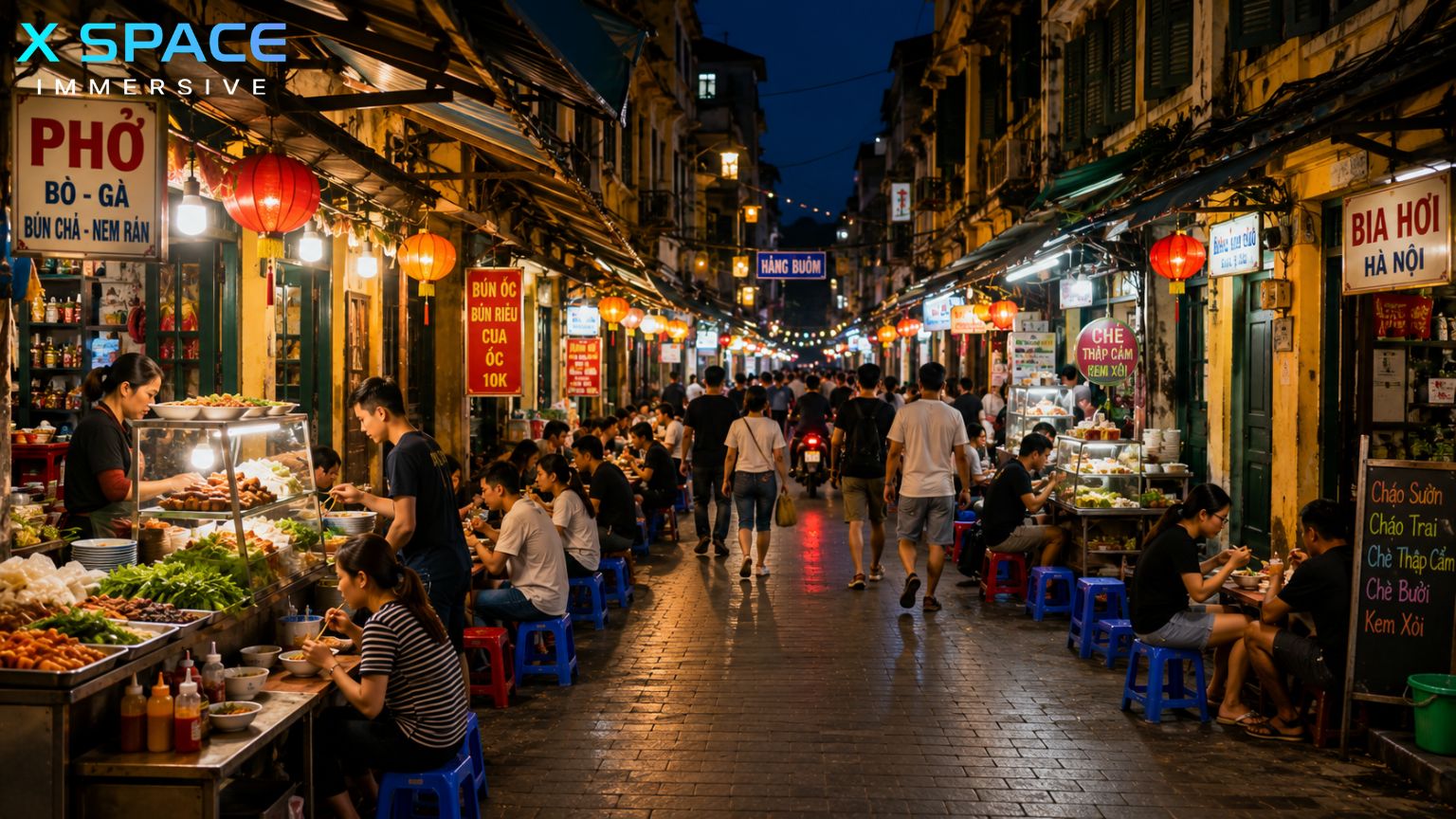
Where to eat in Hanoi Old Quarter with authentic local restaurants and vibrant street food vendors
If you only have one day in Hanoi, planning your meals strategically allows you to sample a wide variety of dishes without feeling rushed.
Here’s a suggested self-guided food itinerary.
Morning Food Route
Start your day with a traditional Hanoi breakfast.
Suggested menu:
- Pho Bo
- Banh Cuon
- Vietnamese coffee
After breakfast, take a leisurely walk around Hoan Kiem Lake before exploring nearby streets.
Midday Food Tour
Continue your culinary adventure with Hanoi’s most iconic lunch dishes.
Recommended stops:
- Bun Cha
- Nem Ran
- Fresh fruit juice
This is also an excellent time to visit local markets and discover hidden family restaurants.
Afternoon Snack Break
As temperatures rise, cool down with:
- Egg Coffee
- Che desserts
- Tropical fruits
- Banh Goi
Take time to explore boutique shops, historical architecture, and traditional craft streets while enjoying lighter snacks.
Evening Street Food Route
Evening is when the Old Quarter truly comes alive.
Perfect dinner menu:
- Cha Ca
- Grilled pork skewers
- Banh Xeo
- Sticky Rice Ice Cream
Finish your evening by strolling through the weekend night market or relaxing with a locally brewed craft beer.
Experience X Space Immersive After Exploring the Best Food in Hanoi Old Quarter

Visitors exploring X Space Immersive digital art exhibition in Hanoi
After spending the day tasting the best food in Hanoi Old Quarter, why not experience another side of Hanoi that blends creativity, culture, and technology?
While the Old Quarter introduces visitors to Vietnam through its unforgettable flavors, Experience X Space Immersive offers a completely different journey—one where digital art, immersive storytelling, and interactive technology bring Vietnamese culture to life in an inspiring new way. It is an ideal destination for travelers looking to complement their culinary adventure with a modern cultural experience.
Whether you’re visiting with friends, family, or as a solo traveler, X Space Immersive provides a refreshing change of pace after navigating Hanoi’s lively streets and bustling food markets.
Continue Your Hanoi Journey Beyond Street Food
Hanoi is a city of contrasts. One moment you’re sitting on a tiny plastic stool enjoying a bowl of Pho that’s been perfected over generations. The next, you can step into an immersive exhibition where light, sound, and digital projections transform the way you experience Vietnamese stories.
This unique combination of tradition and innovation is what makes Hanoi one of Asia’s most fascinating travel destinations.
After exploring the vibrant Hanoi Old Quarter street food scene, visiting an immersive art space offers an opportunity to slow down, relax, and appreciate Vietnam from an entirely new perspective.
Discover Vietnam Through Immersive Digital Art
Unlike traditional museums, immersive exhibitions encourage visitors to become part of the experience.
Large-scale digital projections, synchronized soundscapes, interactive installations, and dynamic visual storytelling create an environment where every room feels different.
Depending on the exhibition, visitors may discover:
- Interactive digital art installations
- Multi-sensory storytelling experiences
- Contemporary interpretations of Vietnamese culture
- Stunning projection mapping displays
- Creative spaces perfect for photography
- Family-friendly interactive exhibits
For travelers who have already explored Hanoi’s historic architecture and sampled its famous cuisine, an immersive exhibition provides a memorable way to experience the city’s growing creative scene.
Why Visit X Space Immersive After Your Food Tour?
Adding X Space Immersive to your itinerary offers several advantages.
A Comfortable Break
After walking through the bustling streets of the Old Quarter, an indoor immersive experience provides a relaxing environment to recharge while continuing your cultural exploration.
A Different Perspective on Vietnam
Street food introduces visitors to Vietnam through taste.
Immersive art introduces visitors through storytelling, innovation, music, light, and visual creativity.
Together, they create a more complete understanding of Hanoi’s rich cultural identity.
Perfect for Every Traveler
Whether you’re traveling as a couple, with children, or with a group of friends, interactive exhibitions offer something enjoyable for every age.
They’re also an excellent option during rainy days or the hottest hours of the afternoon.
Incredible Photo Opportunities
The combination of digital projections and artistic lighting creates spectacular backgrounds for memorable travel photos.
Many visitors choose to visit after sunset, combining dinner in the Old Quarter with an evening immersive experience.
Plan Your Visit to X Space Immersive
To make the most of your day in Hanoi, consider this simple itinerary:
Morning
- Enjoy Pho Bo or Banh Cuon for breakfast.
- Explore Hoan Kiem Lake and nearby historic streets.
Afternoon
- Visit local cafés for Egg Coffee.
- Continue discovering hidden food alleys and traditional markets.
Evening
- Savor Bun Cha, Cha Ca, or grilled street food.
- Finish your day with an unforgettable visit to Experience X Space Immersive.
Combining Hanoi’s world-famous cuisine with a cutting-edge immersive attraction creates a travel experience that balances history, gastronomy, and contemporary creativity.
Frequently Asked Questions (FAQ)
What is the best food in Hanoi Old Quarter?
Some of the most iconic dishes include Pho Bo, Bun Cha, Cha Ca, Banh Mi, Banh Cuon, Bun Rieu, Nem Ran, Egg Coffee, and Che. These local specialties showcase the rich culinary heritage of Hanoi and are must-tries for any visitor.
Where can I find authentic Hanoi Old Quarter street food?
Authentic street food is available throughout the Old Quarter, especially around Ta Hien Street, Hang Buom Street, Dong Xuan Market, and the surrounding alleyways where family-run vendors have been serving traditional recipes for generations.
Is street food in Hanoi Old Quarter affordable?
Yes. Most dishes range from 30,000 to 90,000 VND, making Hanoi one of the most budget-friendly food destinations in Southeast Asia.
When is the best time to explore street food in Hanoi?
Morning is ideal for Pho and Banh Cuon, lunchtime is perfect for Bun Cha, while evenings offer the widest variety of grilled dishes, snacks, desserts, and vibrant street food markets.
What should I do after exploring the Old Quarter?
After enjoying Hanoi’s famous food scene, consider visiting Experience X Space Immersive to discover a different side of the city through immersive digital art, interactive exhibitions, and contemporary cultural storytelling.
Final Thoughts
Exploring the best food in Hanoi Old Quarter is much more than trying famous Vietnamese dishes – it’s about connecting with the city’s history, traditions, and everyday life. From a steaming bowl of Pho at sunrise to sizzling Bun Cha at lunchtime, crispy Banh Mi in the afternoon, and a creamy cup of Egg Coffee to end the day, every meal tells a story that has been passed down through generations.
What makes food in Hanoi Old Quarter truly unforgettable isn’t just the variety of flavors. It’s the experience of sitting beside locals on bustling sidewalks, watching skilled vendors prepare recipes perfected over decades, and discovering hidden eateries tucked away in historic alleyways. Every street offers a new culinary surprise, making the Old Quarter one of the world’s most exciting destinations for food lovers.
If you’re wondering where to eat in Hanoi Old Quarter, the answer is simple: follow the locals, stay curious, and don’t be afraid to explore beyond the well-known tourist spots. Some of the city’s greatest culinary treasures are found where the menus are short, the stools are small, and the recipes have remained unchanged for generations.
And once you’ve satisfied your appetite, continue your adventure by experiencing another side of Hanoi. Pairing the city’s iconic street food with the creativity and innovation of Experience X Space Immersive allows you to discover both the traditional and modern spirit of Vietnam in a single unforgettable day.
Whether you’re planning your first visit or returning for another culinary adventure, Hanoi always has another flavor, another street, and another story waiting to be discovered.
Was this article helpful?
Thanks for your feedback!