Hang Ma Street Hanoi: Complete Guide to the Colorful Old Quarter

Among the maze of narrow streets that make Hanoi’s Old Quarter so captivating, there is one place that seems to change its personality with every season. Bright red lanterns appear before Lunar New Year, colorful masks and toys fill storefronts around the Mid-Autumn Festival, while Christmas brings sparkling lights and festive decorations. This is Hang Ma Street Hanoi, one of the most vibrant and photogenic corners of the Vietnamese capital.
More than simply a shopping street, Hang Ma Street offers a glimpse into the way traditions, celebrations, commerce, and everyday life come together in Hanoi. Walk along its busy sidewalks and you will find family-run shops overflowing with decorative items, local residents preparing for upcoming festivals, travelers stopping for photographs, and vendors arranging colorful displays that spill almost onto the street.
Located in the heart of Hanoi Old Quarter, Hang Ma Street is easy to include in a walking itinerary and rewarding to visit at almost any time of year. Yet the street becomes particularly memorable before Vietnam’s major celebrations, when seemingly every storefront transforms into a sea of color.
Whether you are visiting Hanoi for the first time, searching for beautiful photography locations, or simply curious about local culture, this guide will help you discover what makes Hang Ma Street special, when to visit, what to buy, and what else to explore nearby.
In this guide
1. Hang Ma Street Hanoi: A Colorful Icon of the Old Quarter
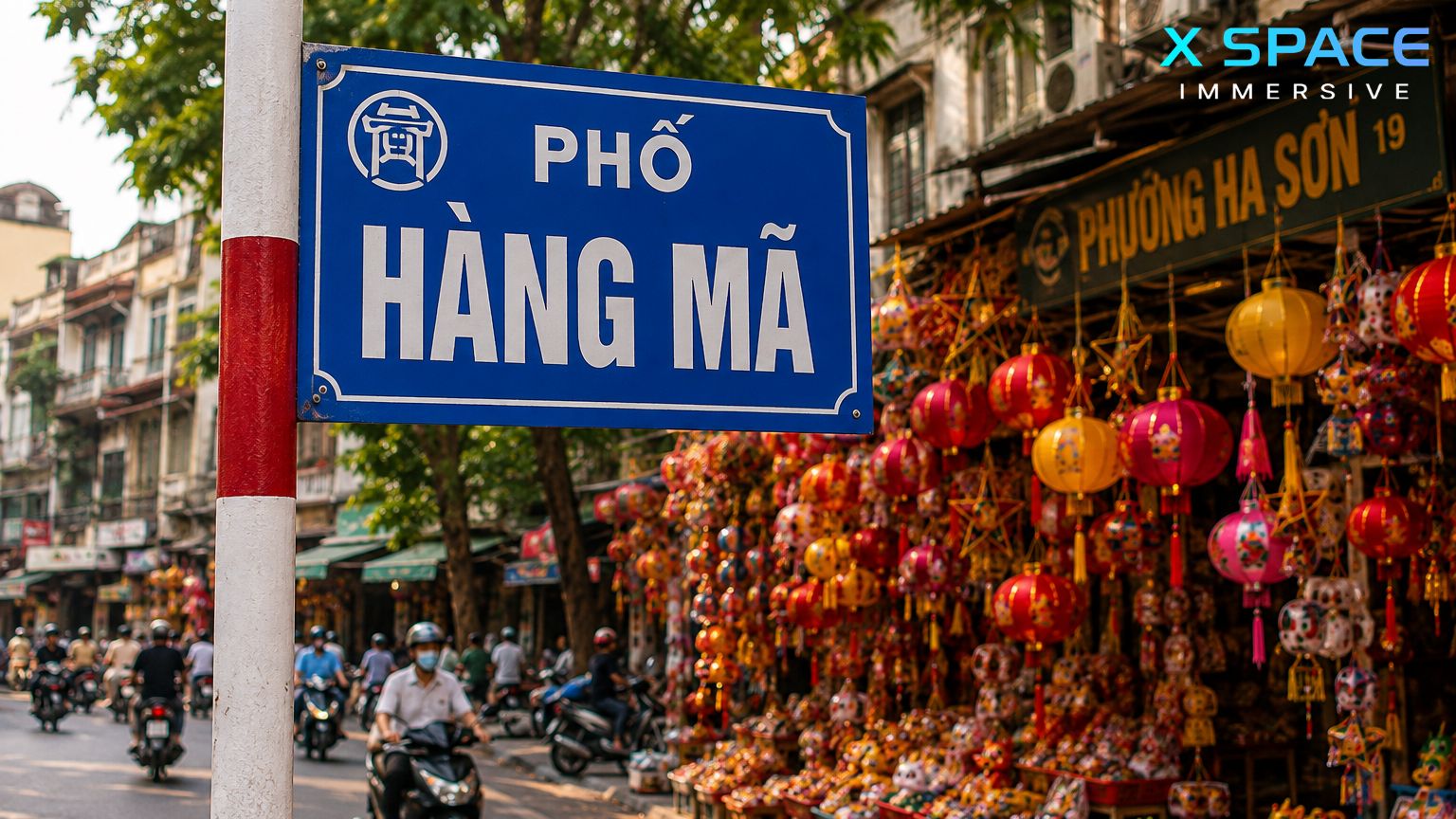
Hang Ma Street sign in Hanoi Old Quarter surrounded by colorful lantern shops
Hanoi Old Quarter is famous for its historic “36 streets,” many of which were traditionally associated with particular crafts and products. Even today, their names and identities reveal traces of the commercial life that shaped the city for generations.
Among them, Hang Ma Street Hanoi is particularly easy to recognize.
You may notice the colors before anything else.
Shopfronts are packed from floor to ceiling with lanterns, decorative flowers, ornaments, paper products, festival accessories, toys, and seasonal decorations. During major celebrations, the displays become even more elaborate, turning an ordinary walk through the neighborhood into a visual experience.
But the charm of Hang Ma Street is not only about appearance.
Spend some time here and you will see the everyday rhythm behind the colors: shopkeepers preparing merchandise, families choosing decorations for their homes, young people taking photographs, children examining traditional toys, and travelers trying to understand the meaning behind unfamiliar objects.
That combination of tradition and contemporary street life makes Hang Ma Street more than a backdrop for photographs. It is a living part of the Old Quarter.
For travelers who want to experience Hanoi beyond famous landmarks, this is exactly what makes the street worth exploring.
2. Where Is Hang Ma Street and How to Get There?
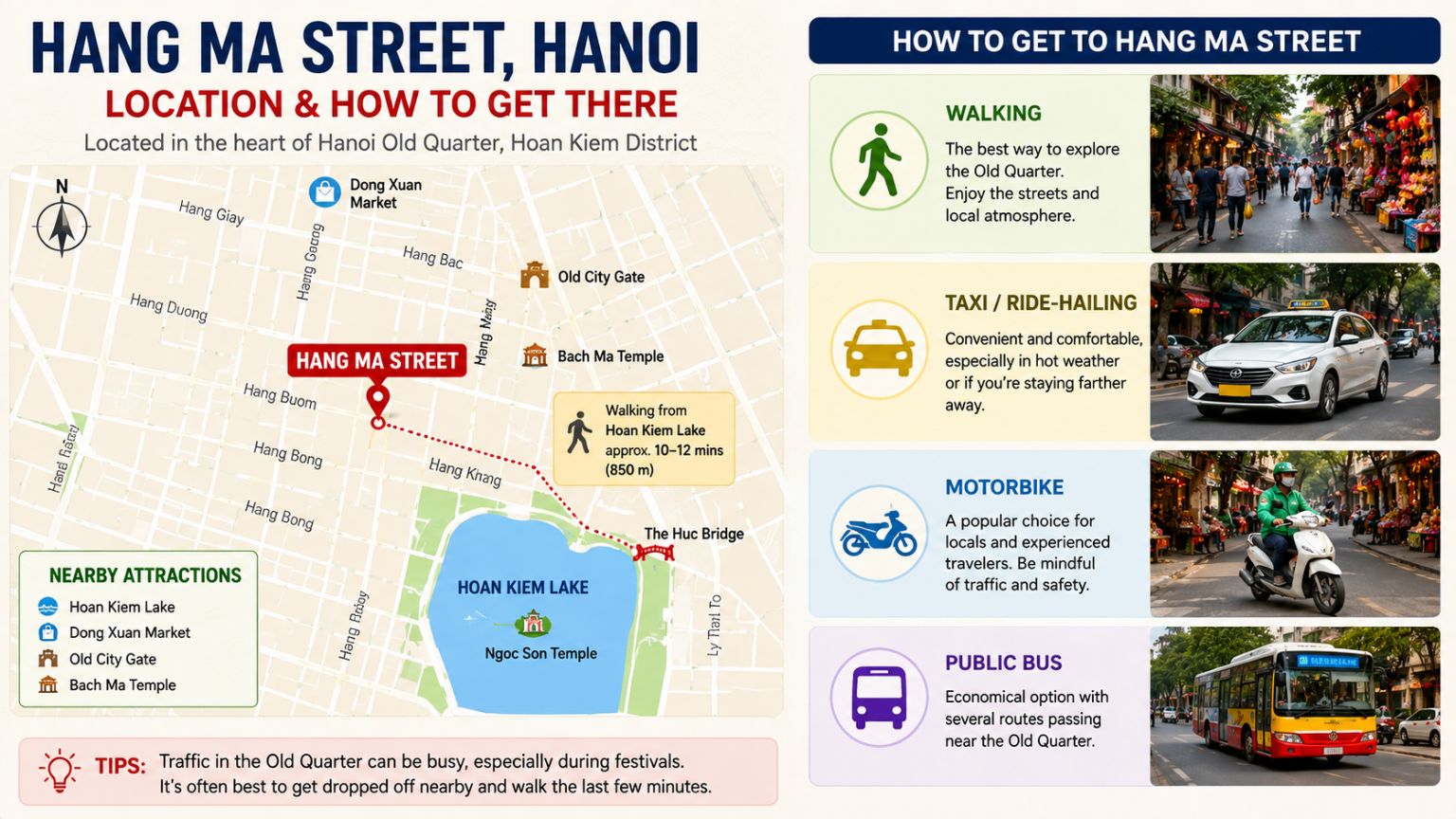
Hang Ma Street is located in Hanoi’s Hoan Kiem District, within the historic Old Quarter. Its central location makes it convenient to combine with many of the city’s most popular attractions.
2.1. Hang Ma Street location in Hanoi Old Quarter
The street lies north of Hoan Kiem Lake, surrounded by the dense network of traditional commercial streets that gives the Old Quarter its distinctive character.
Unlike an attraction enclosed behind gates, Hang Ma Street is simply part of the city. There is no entrance ticket and no formal starting point. You can approach it from several surrounding streets and explore at your own pace.
This openness is part of the experience. Rather than feeling like you are entering a tourist attraction, you gradually move from one part of the Old Quarter into another, watching the scenery become increasingly colorful as you approach Hang Ma.
2.2. How to get to Hang Ma Street from Hoan Kiem Lake
Hang Ma Street sign in Hanoi Old Quarter surrounded by colorful lantern shops
If you are already around Hoan Kiem Lake, walking is one of the most enjoyable options.
The journey takes you through the Old Quarter, where the route itself becomes part of your sightseeing experience. Along the way, you may pass cafés, street-food stalls, traditional shops, colonial-era architecture, small temples, and busy intersections filled with motorbikes.
Instead of rushing directly to your destination, allow yourself a little extra time to wander.
Hanoi often reveals its most memorable moments between major attractions.
2.3. Walking, taxi, motorbike, and public transport options
Travelers staying within the Old Quarter can usually reach Hang Ma Street comfortably on foot.
From neighborhoods farther away, taxis or ride-hailing services are convenient choices. Because traffic around the Old Quarter can become busy—particularly during festivals—it may sometimes be easier to get dropped off nearby and walk the final section.
Public buses are another option for travelers comfortable navigating Hanoi’s transportation network.
Whichever method you choose, comfortable footwear is highly recommended. Once you arrive, you will probably want to continue exploring the surrounding streets on foot.
2.4. Nearby attractions to combine with your visit
Hang Ma Street works particularly well as part of a half-day or full-day Old Quarter itinerary.
Nearby, you can continue toward Dong Xuan Market, explore traditional streets, visit temples, stop at local cafés, or walk south toward Hoan Kiem Lake.
The distances may look small on a map, but avoid packing your schedule too tightly. Hanoi’s Old Quarter is best experienced slowly.
3. The History and Cultural Significance of Hang Ma Street
Behind the colorful modern storefronts is a story connected to Hanoi’s traditional craft and trading culture.
3.1. The origins of Hang Ma Street
Historically, many Old Quarter streets developed around communities of artisans and merchants specializing in particular products.
Hang Ma became associated with paper goods and ceremonial objects, particularly paper votive items used in Vietnamese spiritual traditions.
Its identity therefore developed not simply as a marketplace but as part of the cultural and ritual life of Hanoi.
Over time, products changed and businesses adapted, but the street maintained its connection with decorative and ceremonial goods.
3.2. Traditional votive paper crafts and the meaning of “Hang Ma”
The name itself provides a clue to the street’s history.
“Hang” refers to merchandise or a street associated with a particular type of goods, while “ma” is connected with paper votive offerings traditionally used in spiritual ceremonies.
These objects form part of longstanding Vietnamese customs associated with remembrance and respect for ancestors.
For international visitors, seeing such products can open a small window into cultural practices that may be unfamiliar at first.
As with any living tradition, approaching them with curiosity and respect makes the experience much more meaningful.
3.3. From traditional craft street to popular attraction
Modern Hang Ma Street looks very different from what previous generations would have known.
Alongside traditional paper products, stores now sell an enormous variety of seasonal decorations, toys, accessories, souvenirs, and festive merchandise.
Rather than diminishing its character, this evolution shows how Hanoi’s historic commercial streets continue adapting to contemporary life.
Tradition here is not frozen behind museum glass. It changes with the city.
3.4. Hang Ma Street in local celebrations
One reason Hang Ma Street remains so lively is its connection with Vietnamese celebrations.
Before major festivals, people come here to purchase decorations and seasonal items for homes, businesses, and family gatherings.
As a result, visiting the street shortly before a celebration gives travelers the opportunity to see not only decorations but also the anticipation surrounding the event.
That atmosphere is difficult to recreate elsewhere.
4. What Makes Hang Ma Street Hanoi So Special?
Hanoi has countless fascinating streets, so why does Hang Ma attract so much attention?
The answer lies in its ability to transform.
4.1. A street that changes colors with every festival
Visit at different times of year and you may feel as though you have discovered a completely different place.
Before Tet, red and gold dominate the scenery. Around the Mid-Autumn Festival, lanterns, masks, toys, and bright decorations take center stage. Halloween introduces orange pumpkins and playful costumes, while Christmas brings lights, ornaments, and festive displays.
The transformation gives travelers a reason to return.
4.2. Traditional shops filled with character
Many storefronts are narrow, yet every available space seems to be used.
Decorations hang overhead, products cover the walls, baskets sit beside entrances, and colorful merchandise extends toward the pavement.
From a distance, these shops can look almost like miniature art installations.
Look closer, however, and you will see working businesses serving local customers.
That contrast between visual spectacle and everyday commerce is central to Hang Ma’s charm.
4.3. The energy of Hanoi Old Quarter
Hang Ma Street does not exist in isolation.
Motorbikes pass by. Vendors move goods between shops. Friends gather for photographs. Customers negotiate purchases. Conversations mix with traffic sounds and the occasional call of street sellers.
It can feel chaotic, particularly for first-time visitors.
Yet this energy is also part of what makes the Old Quarter memorable.
Rather than searching for silence, allow yourself to observe the movement around you.
4.4. A favorite photography destination
For photographers, Hang Ma Street offers layers of color, texture, people, architecture, and movement.
A photograph can capture lanterns filling the foreground while old façades appear behind them. Another might focus on a shopkeeper surrounded by merchandise or sunlight filtering through rows of decorations.
The street rewards patience.
Instead of photographing only the most obvious displays, look for smaller details that tell a story.
5. Best Times to Visit Hang Ma Street Hanoi
There is no single perfect time to visit. The best choice depends on the experience you want.
5.1. Best time of day
Morning tends to offer a calmer atmosphere, making it easier to walk around and photograph storefronts.
Later in the day, the street becomes busier and more energetic.
Evening can be especially atmospheric during festival periods, when decorative lights add another layer of color.
If photography is your priority, consider visiting once during daylight and again after sunset.
5.2. Hang Ma Street during the Mid-Autumn Festival
The Mid-Autumn Festival is one of the most exciting periods to experience Hang Ma.
Traditional lanterns, masks, toys, and colorful decorations fill the shops, while families and young people arrive to enjoy the festive atmosphere.
The street can become extremely crowded as the celebration approaches, so visit earlier in the season if you prefer more room to explore.
5.3. Hang Ma Street during Lunar New Year
Before Tet, Hang Ma Street Hanoi is transformed by red and gold.
Lucky decorations, artificial blossoms, hanging ornaments, envelopes, and New Year accessories create one of the street’s most recognizable seasonal looks.
For international travelers, this period can provide a fascinating introduction to the visual symbols associated with Vietnam’s most important holiday.
5.4. Christmas and Halloween
Hang Ma also embraces international celebrations.
Halloween brings costumes, masks, skeletons, pumpkins, and playful decorations, while Christmas fills shops with trees, lights, ornaments, and seasonal accessories.
These displays illustrate another side of modern Hanoi: a city that maintains deep traditions while continuously absorbing new cultural influences.
5.5. How to avoid the biggest crowds
If you dislike dense crowds, avoid peak evening hours immediately before major festivals.
Visit on a weekday when possible and arrive earlier in the day.
During particularly busy periods, be patient and expect movement through the street to be slow.
6. Top Things to Do on Hang Ma Street
Although shopping is an obvious activity, there are several ways to experience the street.
6.1. Walk through the colorful shops
Start simply by walking.
There is no need to follow a strict route. Look into shops, notice changing displays, and observe how different sections of the street vary.
Sometimes the best experience is simply wandering without trying to complete a checklist.
6.2. Shop for decorations and souvenirs
If something catches your eye, Hang Ma offers plenty of opportunities to shop.
Small decorations can make interesting souvenirs because they connect your trip with the atmosphere of Hanoi’s festivals.
Prices vary depending on the product, size, quality, and season.
6.3. Capture memorable photographs
Color is everywhere, making the street naturally photogenic.
Try using rows of lanterns or decorations to frame your images. Wider shots can capture the lively street scene, while close-ups reveal textures and handcrafted details.
Remember, however, that shops are businesses rather than photography studios. Be considerate when taking photographs.
6.4. Discover Vietnamese festival culture
Look beyond the merchandise.
Ask yourself why certain colors repeatedly appear, why particular objects are popular during specific celebrations, and how families use them.
Understanding these details can transform sightseeing into cultural discovery.
6.5. Wander through surrounding Old Quarter streets
Once you have explored Hang Ma, continue walking.
One street may specialize in completely different products. A quiet alley might lead to a small temple. A tiny café may offer the perfect break from the crowds.
The Old Quarter rewards curiosity.
7. What to Buy on Hang Ma Street Hanoi
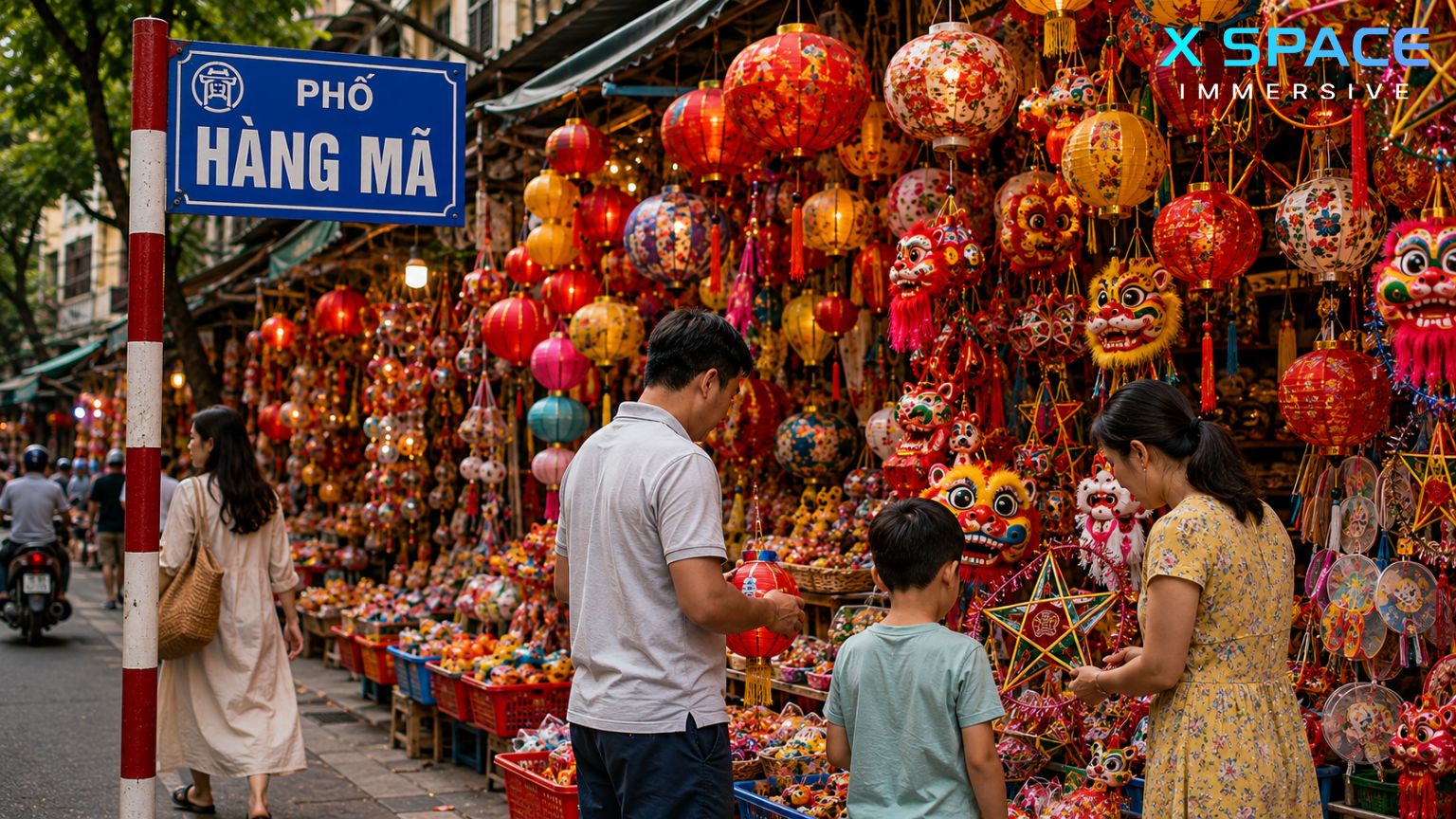
Family shopping for colorful lanterns and festival decorations on Hang Ma Street Hanoi
Shopping options depend heavily on the season.
7.1. Festival decorations
Seasonal decorations are among the most popular products.
Expect designs and colors to change throughout the year as shops prepare for upcoming celebrations.
7.2. Lanterns and traditional toys
Around the Mid-Autumn Festival, lanterns become especially prominent.
Their shapes, colors, and styles make them attractive both as festival items and decorative souvenirs.
7.3. Tet decorations and lucky ornaments
Before Lunar New Year, the street becomes an excellent place to browse red envelopes, hanging decorations, artificial flowers, calligraphy-inspired ornaments, and other symbols associated with luck and prosperity.
7.4. Small souvenirs
Travelers looking for easy-to-pack gifts may find small decorative objects and accessories among the endless displays.
Choose something that genuinely reminds you of your visit rather than buying simply because it looks tourist-friendly.
7.5. Shopping tips
Carry some Vietnamese cash, particularly for smaller purchases.
If a price is not displayed, ask politely before buying. Bargaining may be possible in some situations, but keep the exchange friendly and reasonable.
A small difference in price is rarely worth turning an enjoyable interaction into an uncomfortable one.
8. Photography Guide to Hang Ma Street
Few places in the Old Quarter offer quite as much visual variety within such a compact area.
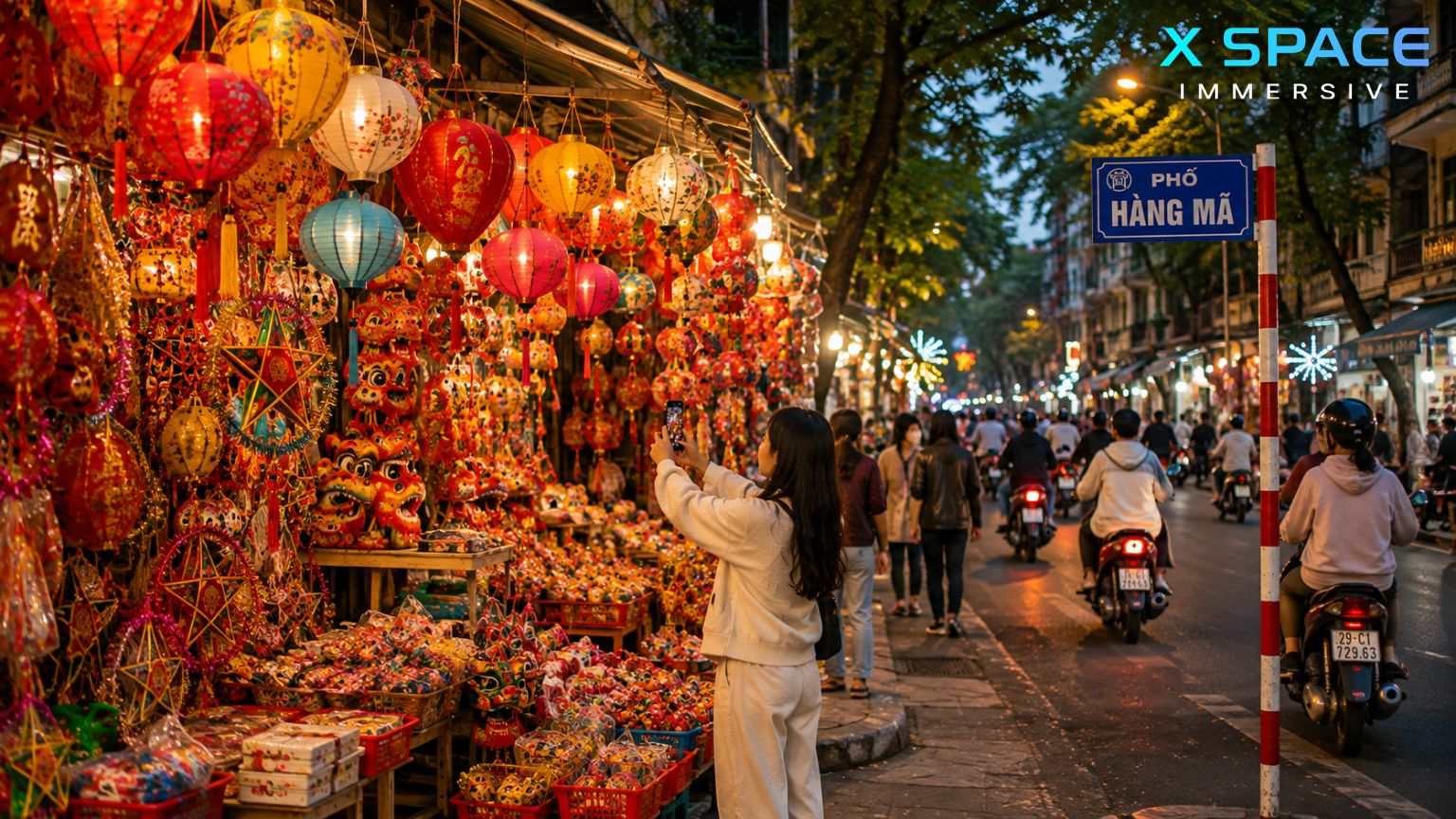
Hang Ma Street Hanoi at night with glowing lanterns, colorful shops and visitors
8.1. Find layers rather than individual objects
Instead of photographing one lantern, look for dozens hanging at different heights.
Use doorways, shop displays, signs, and passing people to create depth.
The visual density of Hang Ma works particularly well when you allow multiple layers into the frame.
8.2. Use natural light
Morning and late-afternoon light can soften the street scene and bring out the textures of paper decorations.
At midday, strong sunlight creates dramatic contrasts between bright storefronts and shaded interiors.
There is no universally “correct” lighting. Each condition produces a different mood.
8.3. Photographing festivals
Festival periods provide the most spectacular displays but also the largest crowds.
Rather than fighting against the crowd, consider incorporating people into your compositions. Families choosing decorations and children looking at lanterns often communicate the atmosphere better than an empty street ever could.
8.4. Respect local businesses and residents
Always remember that you are photographing a working neighborhood.
Avoid blocking entrances, moving merchandise without permission, or occupying a shop solely for photographs when customers are waiting.
For close portraits, asking permission is the respectful approach.
9. Attractions Near Hang Ma Street Worth Exploring
One advantage of visiting Hang Ma is how easily it connects with other Old Quarter highlights.
9.1. Dong Xuan Market
Dong Xuan Market offers a different perspective on Hanoi’s commercial life.
Its busy stalls and surrounding streets make it an interesting continuation after the smaller specialty shops of Hang Ma.
9.2. Hanoi Old Quarter
Technically, you are already there.
But do not treat the Old Quarter merely as the area between attractions.
Spend time wandering through its streets and noticing how architecture, commerce, food, religion, and everyday life overlap.
9.3. Hoan Kiem Lake
Hoan Kiem Lake provides a refreshing contrast after the visual intensity of the surrounding streets.
The lake is one of Hanoi’s best-known landmarks and an important gathering place for residents and visitors alike.
9.4. Bach Ma Temple
Travelers interested in Hanoi’s spiritual and historical heritage can add Bach Ma Temple to their walking route.
The temple offers a quieter cultural experience amid the commercial energy of the Old Quarter.
9.5. Continue exploring beyond the familiar landmarks
Hanoi rewards travelers who leave room for unexpected discoveries.
Instead of rushing from one famous attraction to another, stop for coffee, try a local dish, walk through a street whose name you do not recognize, or simply watch daily life unfold.
These unscheduled moments often become favorite travel memories.
10. Essential Tips for Visiting Hang Ma Street Hanoi
A little preparation can make your visit more comfortable.
Wear comfortable shoes because exploring Hang Ma usually involves plenty of walking through the surrounding Old Quarter.
During festival periods, expect crowds and allow more time than usual. Keep phones, wallets, and other valuables secure when walking through particularly busy areas.
Bring cash for small purchases, although payment options vary between businesses.
Most importantly, remember that Hang Ma Street is not a staged attraction. People live and work in this neighborhood.
Treat shopkeepers, residents, religious traditions, and local customs respectfully. Ask before photographing people closely and avoid blocking shops while trying to capture the perfect picture.
Travel becomes more rewarding when curiosity is accompanied by consideration.
11. FAQs About Hang Ma Street Hanoi
Is Hang Ma Street Hanoi worth visiting?
Yes, particularly if you enjoy photography, traditional neighborhoods, local shopping, festivals, and street culture. Its convenient Old Quarter location also makes it easy to combine with other Hanoi attractions.
Is Hang Ma Street free to visit?
Yes. Hang Ma is a public street, so there is no general admission fee to walk through and explore it.
Naturally, you will need to pay for anything you decide to purchase.
What is Hang Ma Street famous for?
Hang Ma Street is particularly known for traditional paper goods, festival decorations, seasonal merchandise, lanterns, and its colorful displays.
Its appearance changes throughout the year according to upcoming celebrations.
When is the best time to visit Hang Ma Street?
For the most colorful experience, visit in the period leading up to major celebrations such as Lunar New Year or the Mid-Autumn Festival.
For smaller crowds, mornings and weekdays are generally more comfortable than peak festival evenings.
How far is Hang Ma Street from Hoan Kiem Lake?
Hang Ma Street is located within Hanoi Old Quarter, north of Hoan Kiem Lake, and can conveniently be reached on foot while exploring the historic center.
Rather than treating the walk purely as transportation, consider it part of your Old Quarter sightseeing route.
What should you buy on Hang Ma Street?
Popular choices include lanterns, seasonal ornaments, festival decorations, traditional-style toys, and small decorative souvenirs.
Available products change significantly according to the season.
How long should you spend at Hang Ma Street?
For a simple walk and photographs, around 30–60 minutes may be enough.
If you plan to shop, photograph extensively, or explore nearby streets, allow considerably longer. Hang Ma is best experienced as part of a wider Old Quarter journey rather than as an isolated stop.
12. From Hang Ma Street Hanoi to Experience X Space Immersive
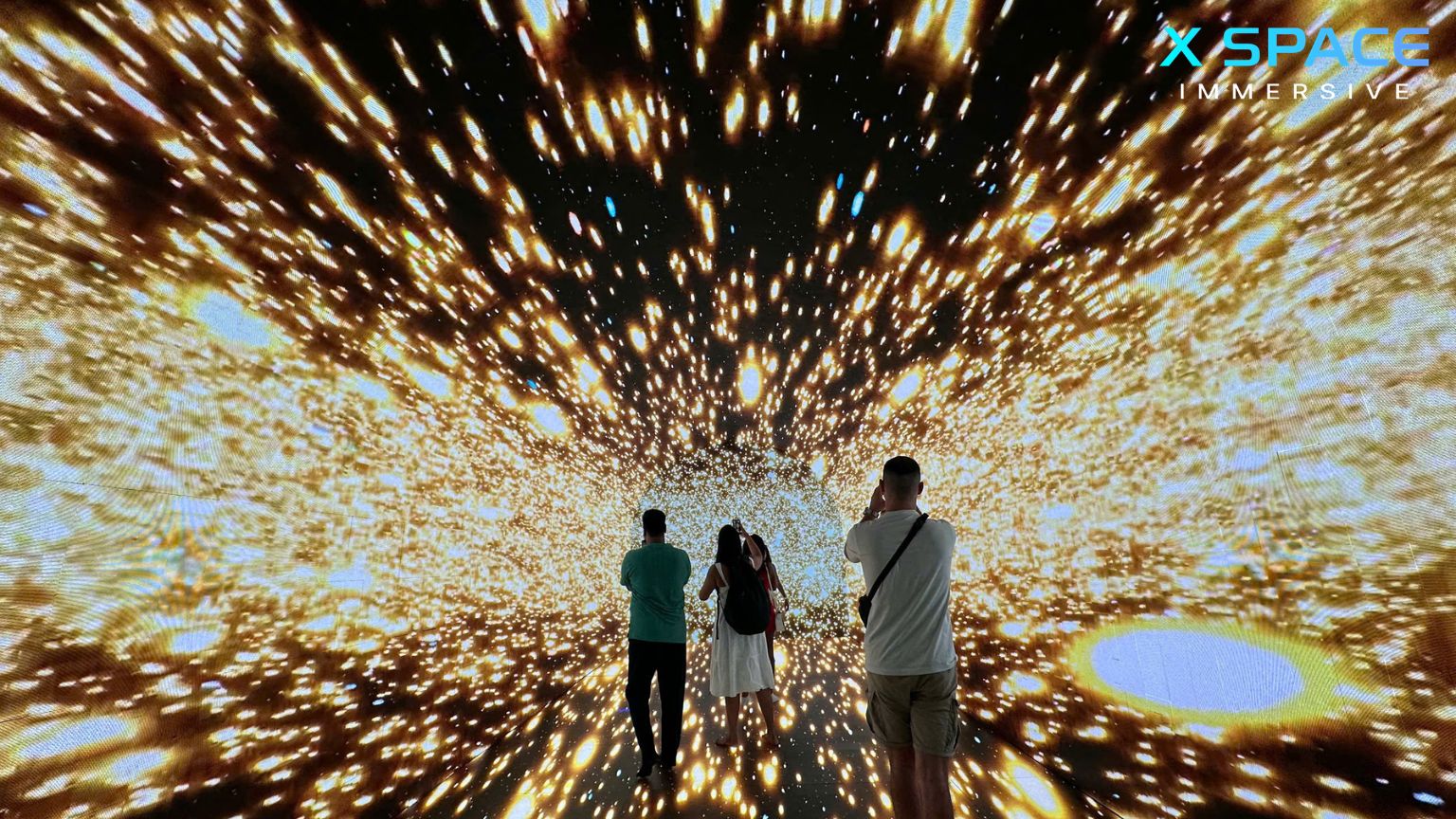
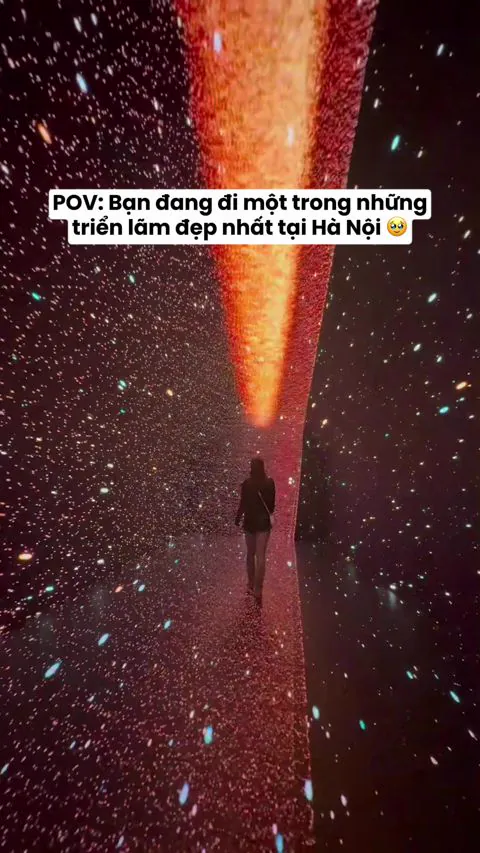
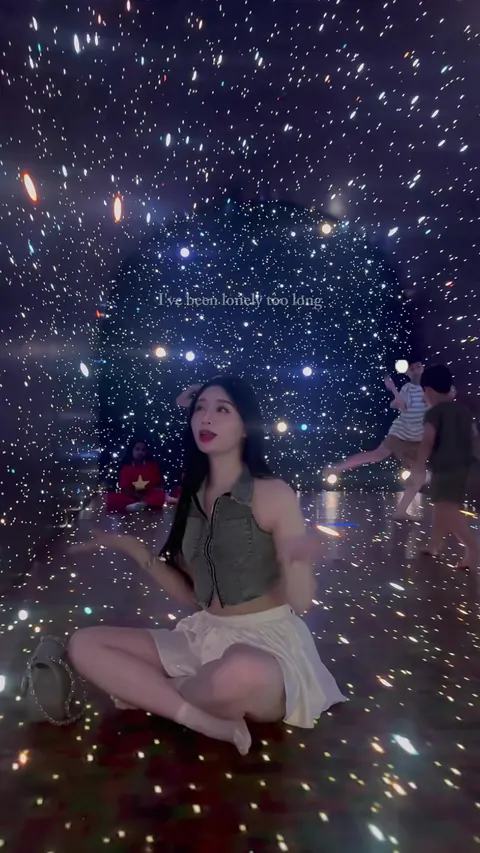
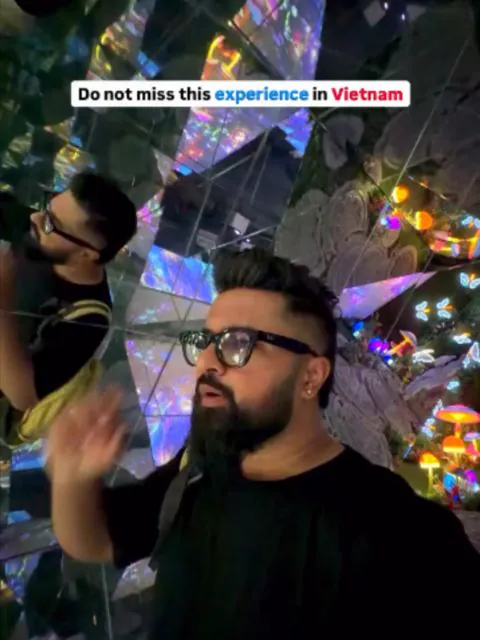
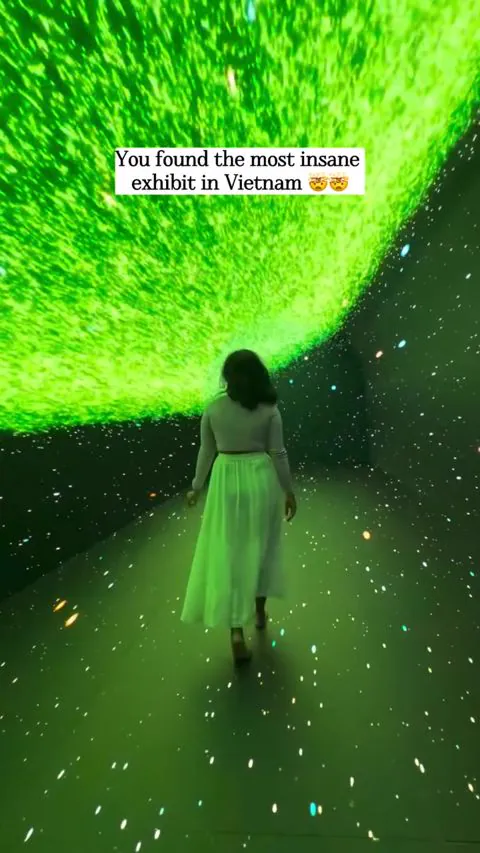
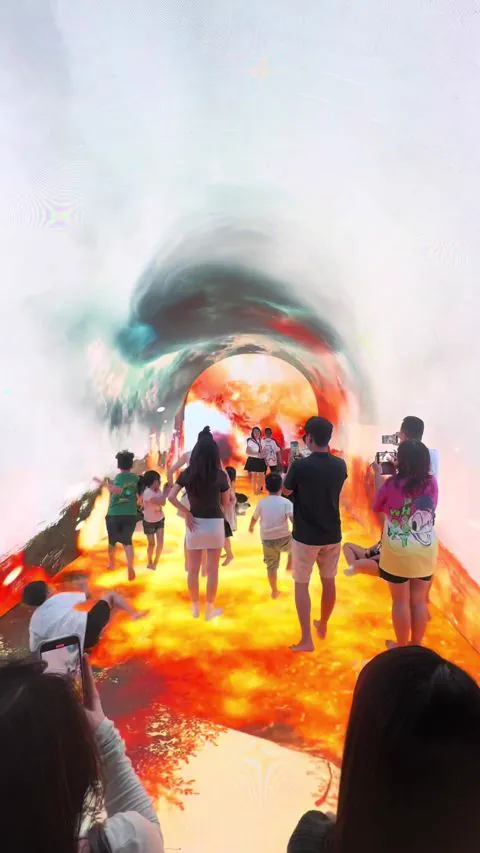
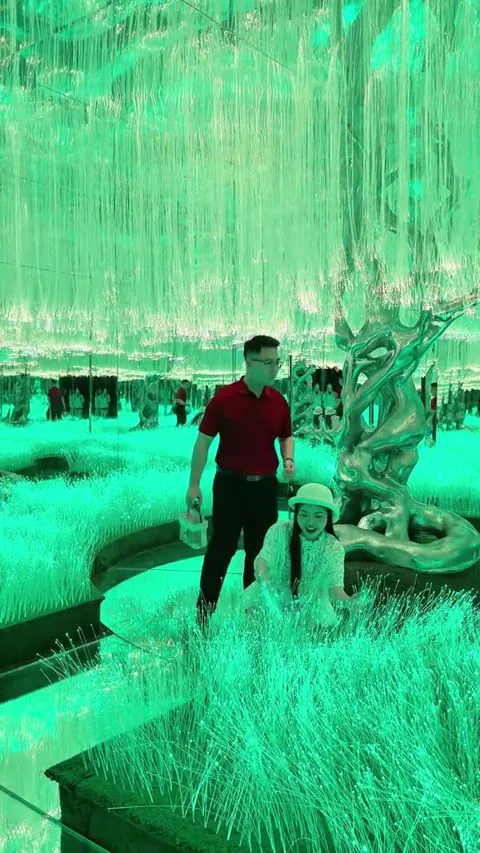
Visitors enjoying the X Space Immersive experience in Hanoi
After walking beneath rows of lanterns, discovering traditional decorations, listening to the sounds of the Old Quarter, and watching Hanoi’s culture unfold on the street, you may find yourself wanting to experience the city from another perspective.
This is where Experience X Space Immersive can become the next chapter of your journey.
12.1. Continue your Hanoi journey beyond the Old Quarter streets
Hang Ma Street introduces you to Hanoi through real-life colors, traditions, people, and celebrations.
An immersive experience offers a different approach.
Instead of simply observing a destination from the outside, immersive spaces can use visual storytelling, sound, technology, and spatial design to draw visitors deeper into a narrative.
Moving from the historic streets of Hanoi to a contemporary immersive environment can therefore create an interesting contrast between two ways of experiencing culture.
One happens naturally in the city.
The other invites you to step deliberately into a designed world.
12.2. What is Experience X Space Immersive?
Experience X Space Immersive is positioned as an experience that goes beyond conventional sightseeing, inviting visitors to engage with stories through an immersive environment.
Rather than looking at Hanoi only through photographs or traditional displays, visitors can explore a space where atmosphere becomes part of the storytelling.
For travelers accustomed to checking landmarks off an itinerary, this can provide a refreshing change of pace.
It encourages you not only to look, but to feel, interact, and become part of the experience.
12.3. Step into an immersive experience inspired by Vietnamese culture
One of the most interesting ways to understand a destination is to encounter its culture in different forms.
On Hang Ma Street, culture appears through traditional commerce, seasonal customs, decorations, and everyday community life.
Within an immersive setting, cultural stories can be interpreted through light, sound, visuals, movement, and space.
These experiences are different, yet they can complement each other.
The street provides authenticity and spontaneity; immersive storytelling can provide another layer of interpretation and emotional connection.
12.4. Why Experience X Space Immersive complements your Hang Ma Street visit
A memorable day in Hanoi does not need to consist of monuments alone.
Imagine beginning with a walk through the Old Quarter, photographing the colorful displays of Hang Ma Street Hanoi, stopping for Vietnamese coffee or local food, and then continuing toward an immersive experience.
The transition takes you from historic streets to contemporary storytelling—from observing Hanoi to engaging with another interpretation of its cultural identity.
It is particularly appealing for travelers interested in photography, visual arts, technology, cultural storytelling, and experiences that feel different from traditional sightseeing.
12.5. Turn sightseeing into a memorable Hanoi experience
Hanoi is a city of contrasts.
Old houses stand beside modern cafés. Ancient customs continue amid busy urban life. Traditional markets coexist with contemporary creative spaces.
Perhaps that is why Hang Ma Street feels so representative of the city.
Its traditions remain visible, but they are constantly changing with each generation and every new festival season.
Begin with the glowing lanterns and colorful storefronts of Hang Ma Street. Wander through the surrounding Old Quarter. Listen, photograph, taste, and observe.
Then allow your journey to move beyond the street.
With Experience X Space Immersive, you can continue discovering Hanoi through a different lens – one where culture, creativity, technology, and storytelling come together to turn an ordinary day of sightseeing into an experience worth remembering.
Because the best way to discover Hanoi is not simply to see more places.
Was this article helpful?
Thanks for your feedback!