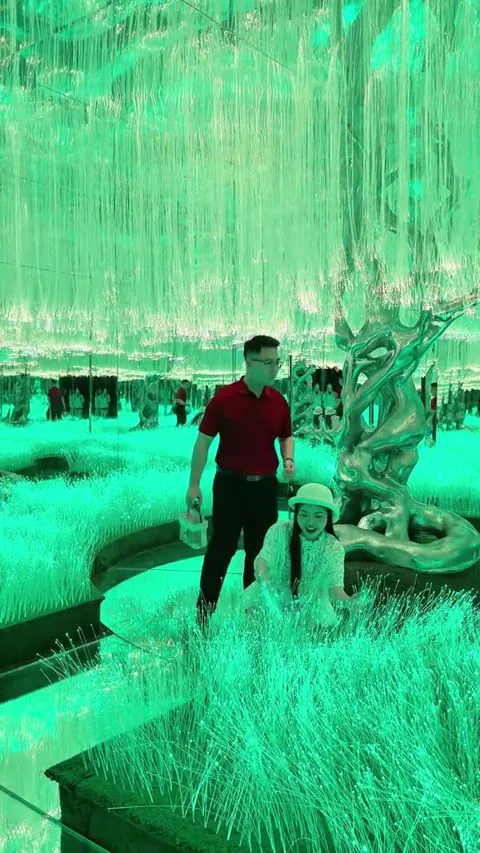
Hanoi Attractions: 25 Must-Visit Places for Every Traveler

If you’re planning a trip to Vietnam, exploring the best Hanoi attractions is a must. As the country’s thousand-year-old capital, Hanoi blends rich history, vibrant street life, beautiful lakes, ancient temples, and unique cultural experiences into one unforgettable destination.
Whether you’re a first-time visitor or returning to discover more, the city offers something for everyone—from historic landmarks and authentic street food to hidden gems and family-friendly attractions.
In this guide, you’ll discover 25 must-visit Hanoi attractions, along with practical travel tips to help you plan the perfect itinerary and make the most of your time in Vietnam’s captivating capital.
In this guide
Why Hanoi Attractions Should Be on Every Traveler’s List
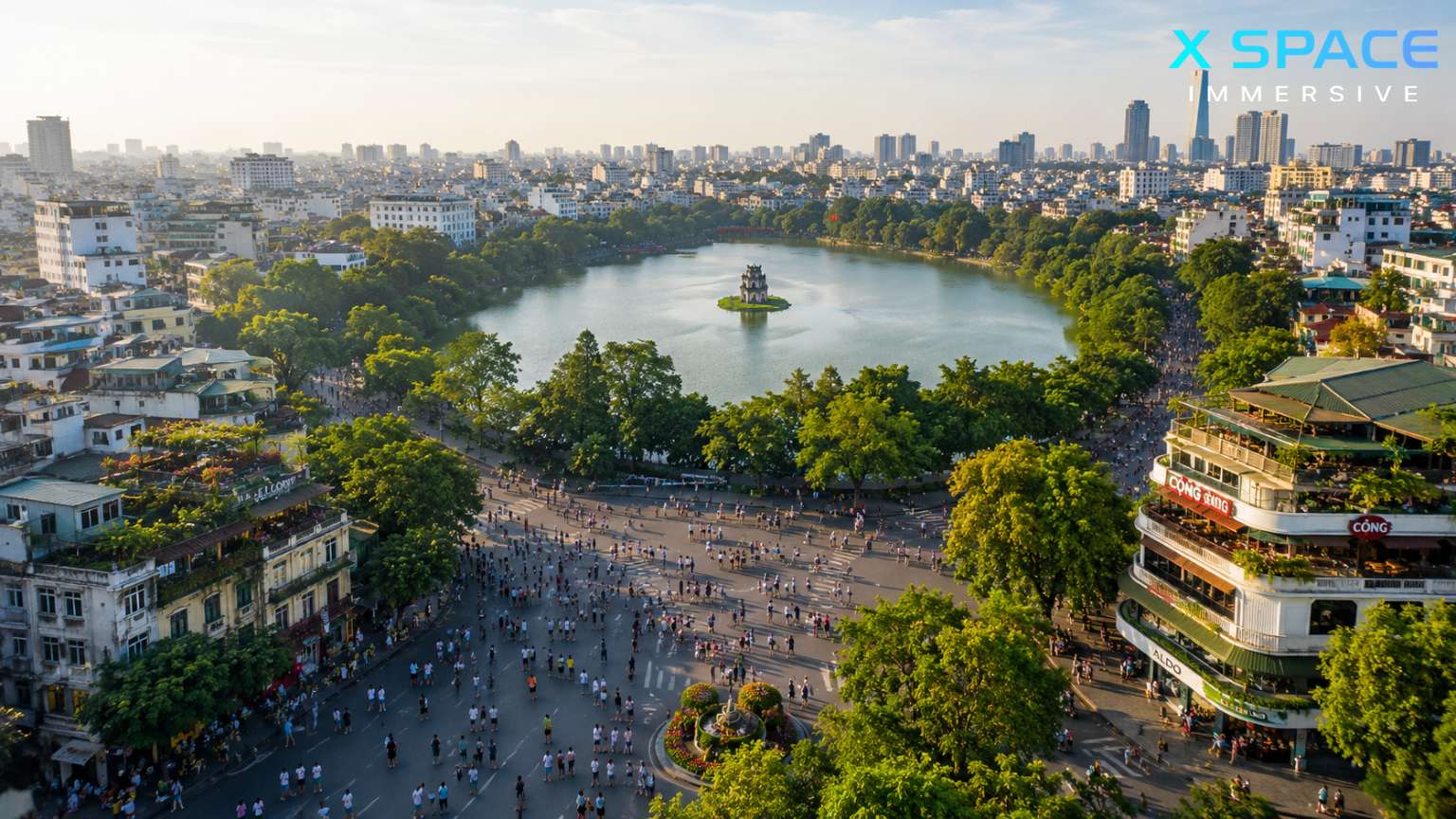
Visitors exploring Hanoi attractions around Hoan Kiem Lake and the Old Quarter
Hanoi isn’t a city that reveals itself all at once. Instead, it unfolds gradually through morning walks beside tranquil lakes, conversations over cups of egg coffee, and evenings spent wandering lantern-lit streets. Unlike destinations built around a single famous landmark, Hanoi captivates visitors with its atmosphere, history, and authentic daily life.
One of the reasons Hanoi attractions stand out is the remarkable diversity packed into a relatively compact city. Within a single day, you can admire ancient pagodas, explore royal citadels, stroll through bustling markets, and enjoy world-class Vietnamese cuisine—all without traveling far.
The city’s history stretches back more than 1,000 years. As Vietnam’s capital since the 11th century, Hanoi has witnessed imperial dynasties, colonial rule, revolutionary movements, and rapid modernization. These layers of history are reflected in its architecture, museums, religious sites, and cultural traditions, making it one of Southeast Asia’s richest historical destinations.
Another reason travelers fall in love with Hanoi is its balance between old and new. Traditional street vendors still sell fresh flowers from bicycles, while modern cafés, art galleries, and immersive attractions continue to reshape the city’s tourism landscape. This harmony creates an experience that’s both timeless and refreshingly contemporary.
For international visitors, Hanoi also serves as an ideal gateway to Northern Vietnam. Many travelers combine the city’s iconic landmarks with nearby destinations such as Ninh Binh, Sapa, or Ha Long Bay, making Hanoi the perfect starting point for a broader Vietnamese adventure.
Perhaps most importantly, the best attractions in Hanoi aren’t limited to famous landmarks. Sometimes, the city’s greatest charm lies in simple moments—watching locals practice tai chi around Hoan Kiem Lake at sunrise, hearing the rhythmic call of street vendors, or discovering a quiet temple hidden behind a busy avenue.
No matter your travel style, Hanoi offers experiences that leave lasting memories:
- Historic landmarks dating back over a millennium
- Rich Vietnamese culture and traditions
- Exceptional street food and local cuisine
- Vibrant markets and shopping districts
- Family-friendly attractions
- Beautiful lakes, parks, and green spaces
- Modern entertainment and immersive experiences
- Easy access to Northern Vietnam’s natural wonders
It’s this incredible combination that consistently places Hanoi among the top attractions in Hanoi recommended by travel experts, bloggers, and visitors worldwide.
Best Time to Explore Hanoi Attractions
One of the most common questions travelers ask is, “When is the best time to visit Hanoi?” The answer depends on the type of experience you’re looking for, but generally, spring and autumn provide the most pleasant conditions for exploring the city’s many attractions.
Spring (March–April)
Spring is widely regarded as one of the best seasons to explore Hanoi attractions. Temperatures typically range between 18°C and 26°C (64°F–79°F), making it comfortable for walking tours and outdoor sightseeing.
The city comes alive with blooming flowers, fresh greenery, and numerous cultural festivals following Lunar New Year. Parks, lakes, and historic sites are particularly picturesque during this time.
Spring is ideal for:
- Walking around Hoan Kiem Lake
- Exploring the Old Quarter
- Visiting temples and pagodas
- Outdoor photography
- Cycling around West Lake
Summer (May–August)
Summer brings hot, humid weather with occasional heavy rain showers. Daytime temperatures can exceed 35°C (95°F), but this season also offers lush scenery and vibrant local life.
Early mornings and evenings remain enjoyable for sightseeing, while museums and indoor attractions provide welcome escapes from the afternoon heat.
If you visit during summer:
- Carry plenty of water
- Wear lightweight clothing
- Schedule indoor attractions in the afternoon
- Bring sunscreen and an umbrella
Autumn (September–November)
Many locals consider autumn the most beautiful season in Hanoi. The weather becomes cooler, humidity drops, and golden sunlight creates stunning scenery throughout the city.
This season is particularly popular among photographers because tree-lined boulevards, historic buildings, and lakes look especially beautiful under clear blue skies.
Autumn is perfect for:
- Walking tours
- Street food adventures
- Historical sightseeing
- Cultural festivals
- Sunset photography
Winter (December–February)
Winter in Hanoi is relatively mild compared to many Western countries, though temperatures can occasionally fall below 15°C (59°F). Misty mornings add a romantic atmosphere to many historical sites.
Visitors should pack light jackets and layers, especially when exploring outdoor attractions early in the day.
Quick Seasonal Comparison
| Season | Weather | Best For |
| Spring | Pleasant, blooming flowers | Outdoor sightseeing, temples |
| Summer | Hot and humid | Museums, food tours, nightlife |
| Autumn | Cool and sunny | Walking tours, photography |
| Winter | Mild and misty | Historical sites, cafés |
Regardless of when you visit, most top attractions in Hanoi remain open year-round, allowing travelers to experience the city’s unique charm in every season.
Top Attractions in Hanoi for First-Time Visitors
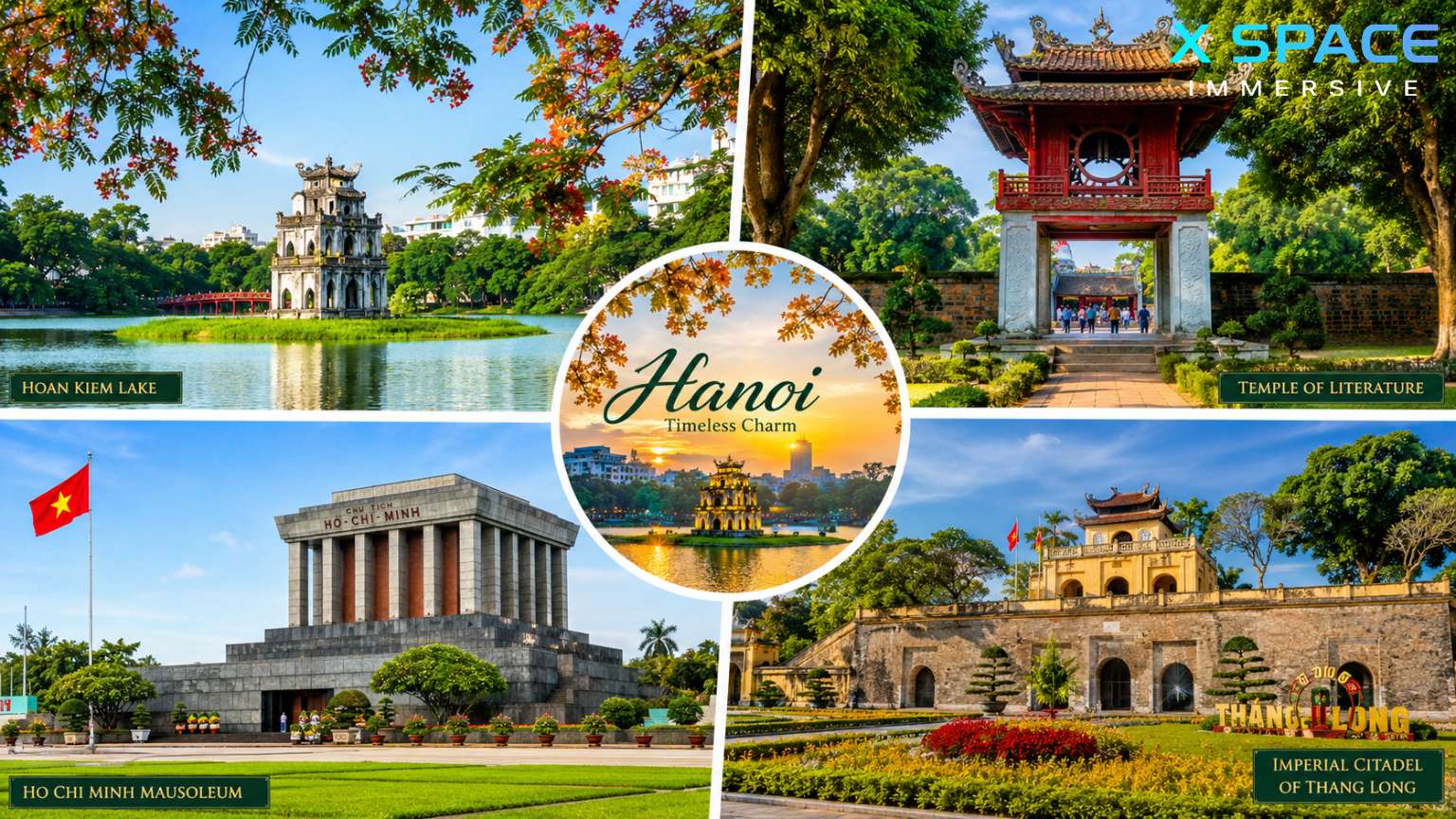
Top attractions in Hanoi for first time visitors including Hoan Kiem Lake and Temple of Literature
If it’s your first visit to Vietnam’s capital, certain landmarks simply cannot be missed. These iconic destinations introduce the city’s fascinating history, vibrant culture, and unmistakable character, making them the foundation of any memorable itinerary.
Hoan Kiem Lake and Ngoc Son Temple
No list of Hanoi attractions would be complete without Hoan Kiem Lake. Located in the heart of the city, this peaceful lake serves as both a cultural symbol and a favorite gathering place for locals.
Early each morning, you’ll find residents practicing tai chi, jogging, or enjoying leisurely walks along the waterfront. In the evenings, families and visitors fill the pedestrian streets surrounding the lake, creating a lively yet relaxing atmosphere.
The lake is closely connected to one of Vietnam’s most beloved legends. According to folklore, Emperor Le Loi returned a magical sword to the Golden Turtle God after securing Vietnam’s independence, giving the lake its name—”Lake of the Returned Sword.”
At the northern end of the lake sits Ngoc Son Temple, accessible via the striking red Huc Bridge. Inside, visitors can admire traditional Vietnamese architecture, ancient relics, and peaceful courtyards while learning about the temple’s historical significance.
Highlights
- Iconic red Huc Bridge
- Ngoc Son Temple
- Turtle Tower
- Weekend walking streets
- Sunrise and sunset photography
Hanoi Old Quarter
The Hanoi Old Quarter is often described as the soul of the city. Its maze of narrow streets, colonial buildings, hidden cafés, and bustling shops captures the authentic energy that makes Hanoi so unforgettable.
Dating back hundreds of years, the district originally consisted of guild streets, where each road specialized in selling a particular craft or product. Although commerce has evolved, many streets still reflect their historical origins.
Walking through the Old Quarter is an adventure in itself. One moment you’re browsing handcrafted souvenirs, and the next you’re discovering a tiny restaurant serving steaming bowls of pho that have been perfected over generations.
Some of the experiences you shouldn’t miss include:
- Trying authentic Vietnamese street food
- Enjoying famous egg coffee
- Shopping for local handicrafts
- Exploring hidden alleyways
- Watching daily life unfold from a sidewalk café
For many travelers, the Old Quarter ranks among the best attractions in Hanoi because it offers something impossible to recreate elsewhere—the city’s authentic rhythm of life.
Ho Chi Minh Mausoleum
The Ho Chi Minh Mausoleum is one of Vietnam’s most important historical landmarks and an essential stop for anyone interested in understanding the nation’s modern history.
The imposing granite structure houses the preserved body of President Ho Chi Minh, affectionately known as “Uncle Ho.” Visitors from across Vietnam and around the world come here to pay their respects.
The surrounding Ba Dinh Square is equally significant, as it was here that Ho Chi Minh declared Vietnam’s independence in 1945.
Nearby attractions include:
- Presidential Palace
- Ho Chi Minh’s Stilt House
- Ho Chi Minh Museum
- Ba Dinh Square
Visitors should dress respectfully and follow the site’s strict regulations regarding photography, behavior, and attire.
Temple of Literature
Founded in 1070, the Temple of Literature is widely regarded as Vietnam’s first national university and remains one of the country’s most treasured cultural landmarks.
Dedicated to Confucius and generations of scholars, the temple represents Vietnam’s long-standing respect for education and intellectual achievement.
Its beautifully preserved courtyards, ancient pavilions, lotus ponds, and stone stelae create a peaceful atmosphere that contrasts beautifully with Hanoi’s busy streets.
Many Vietnamese students visit before important examinations, hoping for academic success and good fortune.
Don’t miss:
- The Well of Heavenly Clarity
- Stone stelae honoring successful scholars
- Traditional Vietnamese architecture
- Beautiful gardens and courtyards
Imperial Citadel of Thang Long
Recognized as a UNESCO World Heritage Site, the Imperial Citadel of Thang Long offers visitors an extraordinary journey through more than thirteen centuries of Vietnamese history.
For hundreds of years, this vast complex served as the political heart of imperial Vietnam. Archaeological excavations have uncovered ancient foundations, royal artifacts, and remnants of multiple dynasties, revealing the city’s remarkable historical depth.
Today, visitors can explore ancient gates, underground military bunkers, archaeological sites, and exhibitions that illustrate Hanoi’s evolution from imperial capital to modern metropolis.
The citadel provides an ideal conclusion to any first-time sightseeing itinerary because it brings together the many historical themes found throughout the city’s top attractions in Hanoi.
As you leave its ancient walls behind, you’ll gain a deeper appreciation for how Hanoi has preserved its rich heritage while continuing to evolve into one of Asia’s most fascinating capitals.
Best Attractions in Hanoi for Culture and History Lovers
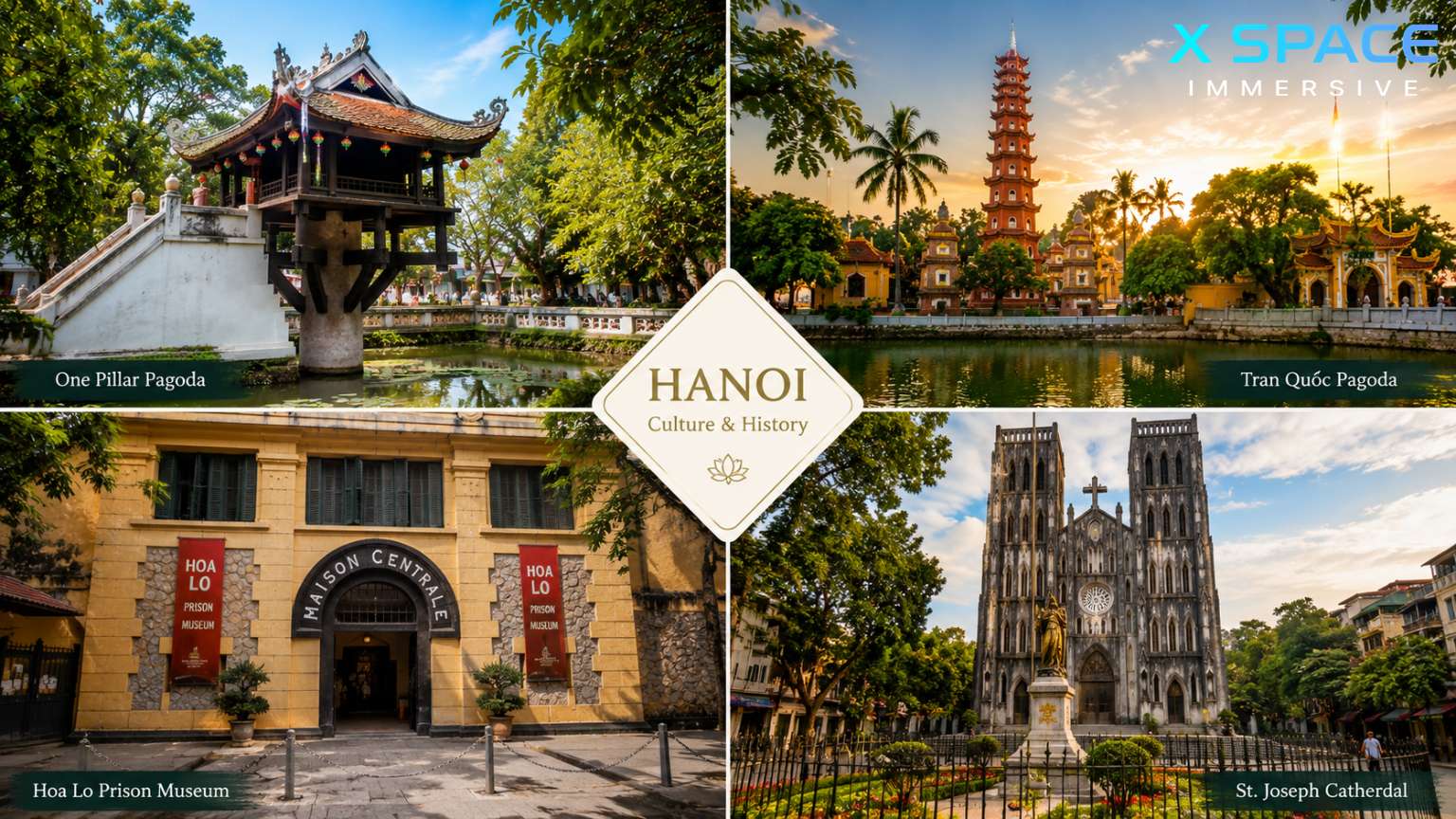
Historical and cultural attractions in Hanoi including One Pillar Pagoda and Tran Quoc Pagoda
Beyond its lively streets and famous landmarks, Hanoi is a city where every temple, museum, and historic building tells a story. For travelers eager to understand Vietnam’s rich heritage, these best attractions in Hanoi offer a deeper look into the country’s history, spirituality, and cultural identity. Whether you’re fascinated by ancient architecture or modern history, these destinations deserve a place on your itinerary.
Hoa Lo Prison Relic
Often referred to by foreign prisoners as the “Hanoi Hilton,” the Hoa Lo Prison Relic is one of the city’s most thought-provoking historical sites. Built by the French colonial administration in the late 19th century, the prison was originally used to detain Vietnamese revolutionaries before later housing American prisoners of war during the Vietnam War.
Today, the site has been transformed into a museum that presents a compelling narrative through preserved prison cells, historical documents, photographs, and personal artifacts. Walking through the narrow corridors offers visitors a powerful glimpse into the hardships endured by those imprisoned here.
While the exhibitions focus heavily on Vietnam’s struggle for independence, they also encourage reflection on resilience, sacrifice, and the country’s complex history.
Why visit?
- Learn about Vietnam’s colonial period and modern history.
- Explore preserved prison cells and original artifacts.
- Gain valuable historical context before visiting other Hanoi landmarks.
Travel tip: Allow around 1–2 hours to explore the museum, and consider visiting in the morning when it is generally quieter.
Vietnam Museum of Ethnology
Vietnam is home to 54 officially recognized ethnic groups, each with its own language, customs, architecture, and traditions. The Vietnam Museum of Ethnology offers one of the most comprehensive introductions to this incredible cultural diversity.
Inside the museum, interactive exhibits showcase traditional clothing, musical instruments, religious objects, and everyday tools from communities across the country. Informative displays help visitors understand how geography, history, and local customs have shaped Vietnam’s many cultures.
The outdoor exhibition area is equally impressive. Here, you’ll find life-sized reconstructions of traditional homes, including stilt houses, communal houses, and village structures that visitors can walk through.
This museum is particularly enjoyable for families thanks to its spacious grounds and engaging displays, making it one of the best attractions in Hanoi for travelers of all ages.
Highlights include:
- Traditional houses from different ethnic communities
- Interactive cultural exhibits
- Handcrafted textiles and artifacts
- Seasonal folk performances and workshops
One Pillar Pagoda
Few landmarks are as instantly recognizable as the One Pillar Pagoda. Built in 1049 during the Ly Dynasty, this unique Buddhist temple stands atop a single stone pillar rising from a lotus pond, symbolizing a lotus blossom emerging from the water.
According to legend, Emperor Ly Thai Tong dreamed of the Goddess of Mercy presenting him with a child while seated on a lotus flower. After the birth of his son, the emperor ordered the construction of the pagoda in gratitude.
Although relatively small, the temple remains one of Hanoi’s most iconic spiritual landmarks. Its elegant design and symbolic meaning make it a favorite stop for photographers, pilgrims, and first-time visitors alike.
Because it sits close to the Ho Chi Minh Mausoleum Complex, many travelers visit both attractions on the same day.
Visitor tips:
- Dress modestly when entering the temple.
- Visit early in the morning for fewer crowds.
- Spend time appreciating the peaceful garden surroundings.
Tran Quoc Pagoda
Standing gracefully on a small island along the southeastern shore of West Lake, Tran Quoc Pagoda is widely regarded as the oldest Buddhist temple in Hanoi, with origins dating back more than 1,500 years.
Its elegant eleven-story red tower reflects beautifully in the surrounding water, creating one of the city’s most photographed scenes. The pagoda combines spiritual significance with stunning architecture, making it equally appealing to worshippers and sightseers.
Visitors can stroll through tranquil gardens, admire ancient Bodhi trees, and observe local Buddhists making offerings in the temple halls.
Sunset is an especially magical time to visit, when golden light bathes the pagoda and West Lake becomes one of the most peaceful places in Hanoi.
Don’t miss:
- The iconic lotus-shaped pagoda tower
- Sacred Bodhi tree gifted from India
- Lakeside sunset views
- Traditional Buddhist architecture
St. Joseph’s Cathedral
The striking Gothic architecture of St. Joseph’s Cathedral offers a fascinating contrast to Hanoi’s ancient temples and pagodas.
Completed in 1886 during the French colonial era, the cathedral features soaring twin bell towers, stained-glass windows, and elegant stone façades inspired by medieval European churches.
Today, it remains one of the largest Catholic churches in Vietnam and serves as an active place of worship.
The surrounding neighborhood has become one of Hanoi’s most charming gathering spots. Cozy cafés, boutique shops, and quiet pedestrian streets make it an excellent place to relax after sightseeing.
Whether you’re interested in architecture, photography, or simply soaking up the atmosphere, St. Joseph’s Cathedral deserves its reputation as one of the top attractions in Hanoi.
Hanoi Attractions for Food, Shopping, and Local Life
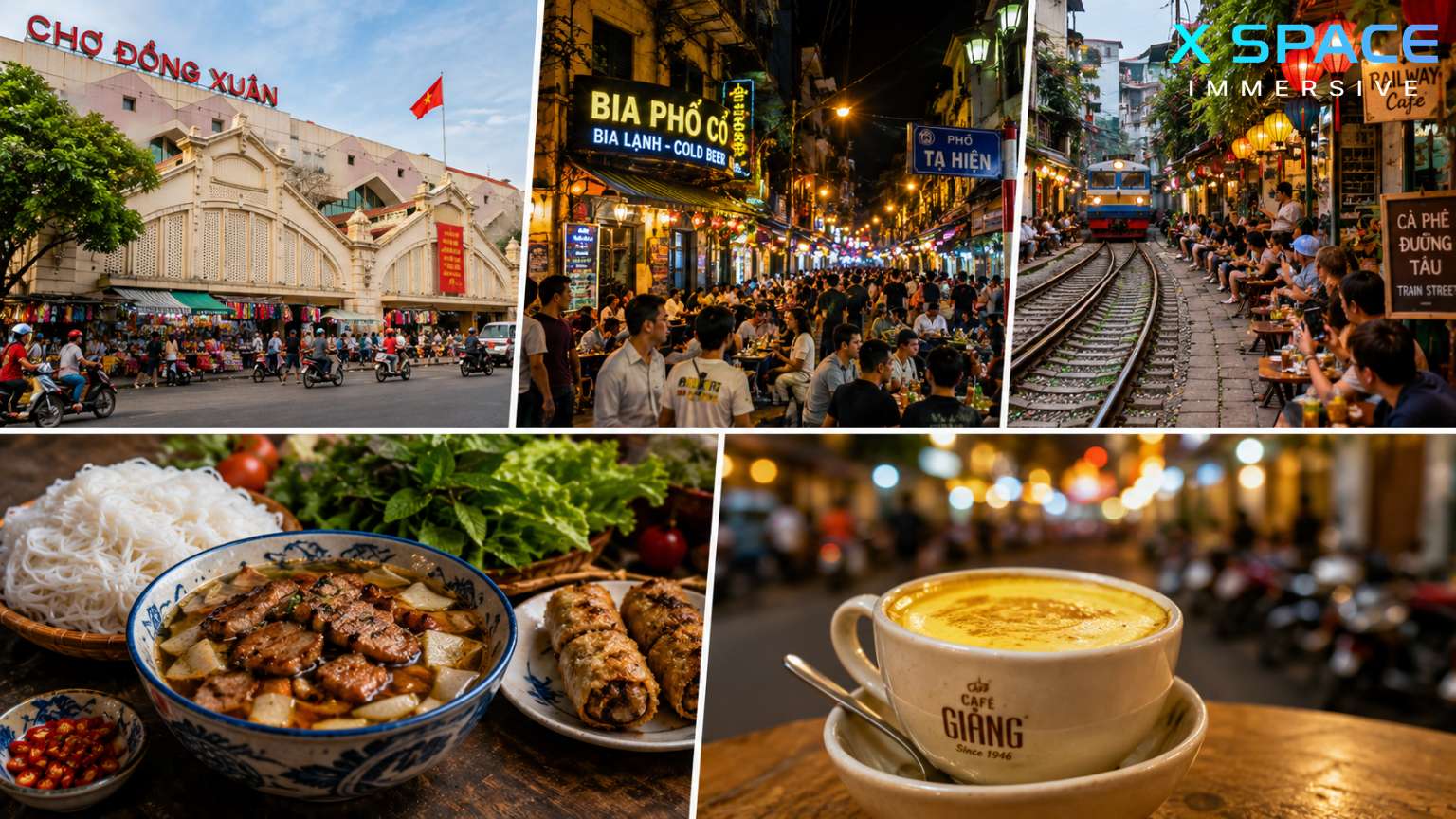
Experiencing Hanoi street food, Dong Xuan Market, Beer Street and Train Street
One of the greatest joys of visiting Hanoi is experiencing the city’s vibrant everyday life. While famous monuments reveal the capital’s history, its markets, cafés, street food stalls, and lively neighborhoods showcase the heartbeat of modern Hanoi.
If you want to experience the city like a local, these Hanoi attractions should not be missed.
Dong Xuan Market
Located on the northern edge of the Old Quarter, Dong Xuan Market has been the city’s largest indoor market for more than a century.
Spread across several floors, the market offers almost everything imaginable, including clothing, handicrafts, household goods, dried foods, spices, and souvenirs. It’s also a fantastic place to sample authentic local snacks without venturing far from the city center.
Outside the market, small food stalls serve classic Hanoi dishes such as pho, bun cha, sticky rice, and freshly grilled skewers.
For travelers looking to experience authentic local commerce, Dong Xuan Market remains one of the best attractions in Hanoi.
Shopping tips:
- Carry cash for small purchases.
- Bargaining is common but should always be polite.
- Visit in the morning for the freshest food selections.
Ta Hien Beer Street
As the sun sets, Ta Hien Street transforms into one of the city’s liveliest social hubs.
Known internationally as Beer Street, this vibrant area is filled with tiny plastic stools, local draft beer (bia hoi), live music, and energetic conversations between locals and travelers from around the world.
While the atmosphere is lively, it’s also an excellent place to experience Hanoi’s famous café and street dining culture.
Popular dishes include:
- Bun cha
- Nem ran (fried spring rolls)
- Grilled seafood
- Vietnamese barbecue
- Fresh tropical fruit desserts
Even if you don’t drink beer, the lively atmosphere makes Ta Hien one of the top attractions in Hanoi after dark.
Train Street Hanoi
Few places have become as famous on social media as Hanoi Train Street.
Here, railway tracks pass through an incredibly narrow residential neighborhood, with cafés lining both sides of the tracks. Watching a train slowly pass just meters away has become an iconic Hanoi experience.
However, visitors should note that access regulations have changed in recent years due to safety concerns. Entry may be restricted unless visiting through participating cafés or guided tours.
Important safety reminder: Always follow local instructions and never stand on the tracks when trains are approaching.
Despite the restrictions, Train Street remains one of the city’s most unique photo opportunities.
Long Bien Bridge
Designed during the French colonial era, Long Bien Bridge has connected the two sides of the Red River since 1902.
More than simply a transportation route, the bridge has witnessed wars, reconstruction, and the everyday lives of generations of Hanoians.
Walking across the bridge offers panoramic views of the Red River, nearby farms, passing trains, and Hanoi’s evolving skyline. Early morning is an especially rewarding time to visit, when local vendors, cyclists, and photographers bring the bridge to life.
The bridge is a favorite destination for those seeking a quieter side of Hanoi away from the busiest tourist streets.
Weekend Night Market
Every Friday, Saturday, and Sunday evening, the streets surrounding the Old Quarter transform into the vibrant Hanoi Weekend Night Market.
Stretching for several kilometers, the market offers an exciting mix of shopping, street performances, traditional crafts, fashion, local snacks, and live entertainment.
It’s an ideal place to pick up souvenirs, enjoy local delicacies, and experience Hanoi’s lively nightlife in a family-friendly setting.
Some popular items include:
- Handmade lacquerware
- Silk scarves
- Bamboo crafts
- Local artwork
- Traditional snacks and desserts
As colorful lanterns illuminate the streets and musicians perform for passing crowds, it’s easy to understand why the Weekend Night Market consistently ranks among the best attractions in Hanoi for visitors looking to immerse themselves in local culture.
Hidden Gems Among Top Attractions in Hanoi
While Hanoi’s iconic landmarks deserve every bit of their fame, some of the city’s most memorable experiences can be found beyond the usual tourist trail. These lesser-known destinations offer a quieter, more authentic side of the capital, allowing visitors to discover local neighborhoods, artistic spaces, and peaceful escapes. If you’ve already explored the city’s famous landmarks, these hidden gems will help you experience another layer of Hanoi’s charm.
Phung Hung Mural Street
Tucked beneath the historic railway arches near the Old Quarter, Phung Hung Mural Street transforms an ordinary street into an open-air art gallery.
More than a collection of murals, the artwork celebrates Hanoi’s heritage by recreating scenes from everyday life decades ago. Traditional markets, street vendors, children playing, old trams, and cultural festivals are beautifully painted across the brick arches, blending seamlessly with the surrounding neighborhood.
Walking along the street feels like stepping into Hanoi’s past while still being surrounded by modern city life.
It’s also one of the city’s most photogenic locations, especially in the early morning when natural light enhances the colorful artwork and the crowds are still small.
Why visit?
- Free outdoor art experience
- Excellent photography location
- Learn about Hanoi’s cultural heritage through public art
- Easy walk from the Old Quarter
West Lake
Covering more than 500 hectares, West Lake is the largest freshwater lake in Hanoi and offers a refreshing contrast to the busy streets of the city center.
Unlike Hoan Kiem Lake, which attracts visitors with its historical significance, West Lake is known for its relaxed atmosphere, waterfront cafés, cycling routes, and scenic sunsets. Both locals and travelers come here to unwind, exercise, or simply enjoy the peaceful surroundings.
The area surrounding the lake has also become one of Hanoi’s most fashionable neighborhoods, featuring boutique cafés, international restaurants, rooftop bars, and art spaces that blend contemporary culture with traditional Vietnamese charm.
Visitors can:
- Rent a bicycle and circle the lake.
- Enjoy coffee with panoramic lake views.
- Visit nearby temples such as Tran Quoc Pagoda.
- Watch one of Hanoi’s most beautiful sunsets.
For those looking to slow down after sightseeing, West Lake is undoubtedly one of the best attractions in Hanoi.
Quang Ba Flower Market
If you’re willing to wake up before dawn, you’ll be rewarded with one of Hanoi’s most authentic local experiences at Quang Ba Flower Market.
Operating primarily between midnight and sunrise, this wholesale flower market supplies blossoms to florists throughout the city. As trucks arrive carrying roses, lilies, orchids, chrysanthemums, and seasonal flowers from across northern Vietnam, the market becomes a vibrant explosion of color and fragrance.
Unlike many tourist attractions, Quang Ba remains largely a working market, giving visitors a genuine glimpse into local daily life.
Photographers especially love visiting between 3:00 AM and 5:00 AM when the market is at its busiest and the soft morning light creates beautiful images.
Travel tip: Wear comfortable shoes and bring cash if you’d like to purchase fresh flowers.
Hanoi Ceramic Mosaic Mural
Stretching nearly four kilometers along the Red River dike, the Hanoi Ceramic Mosaic Mural is recognized as one of the world’s longest ceramic mosaic artworks.
Completed to celebrate Hanoi’s 1,000th anniversary, the mural combines traditional Vietnamese motifs with contemporary artistic expression. Visitors will discover sections inspired by Dong Son bronze drums, ancient dynasties, folk paintings, and modern Vietnamese life.
Rather than functioning as a single attraction, the mural invites leisurely exploration. Walking alongside different sections reveals new artistic styles, historical references, and colorful patterns that reflect Hanoi’s cultural evolution.
The mural is particularly appealing to visitors interested in art, architecture, and urban design.
Bat Trang Ceramic Village
Located just outside the city center, Bat Trang Ceramic Village has been producing fine ceramics for more than 700 years.
The village remains one of Vietnam’s most respected pottery centers, where generations of artisans continue to preserve traditional techniques while embracing modern designs.
Visitors can stroll through narrow village lanes lined with ceramic shops, browse beautifully handcrafted tableware and decorative pieces, or participate in pottery-making workshops where they create their own souvenirs.
Beyond shopping, Bat Trang offers an opportunity to witness Vietnamese craftsmanship firsthand and connect with local artisans.
Don’t miss:
- Hands-on pottery workshops
- Traditional ceramic market
- Local artisan studios
- Unique handmade souvenirs
For travelers seeking authentic cultural experiences, Bat Trang is one of the top attractions in Hanoi worth venturing beyond the city center to explore.
Family-Friendly Hanoi Attractions Worth Visiting
Hanoi offers much more than historical monuments. Families traveling with children will find plenty of engaging attractions that combine education, entertainment, and outdoor fun. From traditional performances to interactive museums and nature-filled parks, these destinations ensure visitors of all ages enjoy their time in the capital.
Thang Long Water Puppet Theatre
One of Vietnam’s most distinctive performing arts traditions comes to life at the Thang Long Water Puppet Theatre.
Dating back nearly a thousand years, water puppetry originated in the flooded rice fields of northern Vietnam, where villagers entertained one another by performing puppet shows over water.
Today, skilled puppeteers manipulate beautifully crafted wooden puppets from behind a bamboo screen while live musicians perform traditional Vietnamese music.
The performances feature dragons, phoenixes, farmers, fishermen, mythical creatures, and humorous folk stories that transcend language barriers, making them enjoyable even for international audiences.
This cultural experience is especially popular with families, offering an entertaining introduction to Vietnamese traditions.
Vietnam National Fine Arts Museum
Art lovers shouldn’t miss the Vietnam National Fine Arts Museum, home to one of the country’s finest collections of Vietnamese art.
The museum traces the development of Vietnamese artistic expression from ancient Buddhist sculptures and lacquer paintings to contemporary works by modern artists.
Children can also enjoy discovering colorful folk paintings, intricate ceramics, and fascinating sculptures throughout the galleries.
The museum provides an excellent complement to Hanoi’s historical attractions by showcasing Vietnam’s creativity and artistic heritage.
Hanoi Botanical Garden
For a peaceful break from sightseeing, head to the Hanoi Botanical Garden.
Established during the French colonial period, this lush green space offers shaded walking trails, small lakes, tropical trees, and quiet picnic areas.
Families often visit to let children explore open spaces while adults enjoy the tranquil surroundings.
Birdsong, mature trees, and fresh air make the botanical garden one of the city’s most relaxing Hanoi attractions, especially during the cooler months.
Thu Le Park
Combining a zoo, playgrounds, boating lake, and spacious gardens, Thu Le Park has long been a favorite destination for local families.
Children can observe a variety of animals, enjoy paddle boat rides, and play in shaded recreational areas, while adults appreciate the peaceful natural setting.
Although relatively simple compared to larger international theme parks, Thu Le Park provides an enjoyable, affordable outing that offers a glimpse into everyday family life in Hanoi.
VinKE & Aquarium Times City
Located inside Times City, VinKE & Vinpearl Aquarium combines education with entertainment.
VinKE features interactive role-playing activities where children can explore different professions, while the aquarium introduces visitors to hundreds of fascinating marine species through immersive underwater tunnels and themed exhibits.
This indoor attraction is an excellent choice during rainy days or the hot summer months.
Families often spend half a day here, making it one of the best attractions in Hanoi for younger travelers.
How to Plan the Perfect Hanoi Attractions Itinerary
With so many incredible places to explore, planning your schedule can feel overwhelming. Fortunately, many of Hanoi’s most famous landmarks are located close to one another, making it easy to build an efficient itinerary based on the length of your stay.
One-Day Hanoi Attractions Itinerary
If you only have one day in Hanoi, focus on the city’s iconic highlights.
Morning
- Hoan Kiem Lake
- Ngoc Son Temple
- Hanoi Old Quarter
Lunch
- Enjoy authentic pho or bun cha at a local restaurant.
Afternoon
- Temple of Literature
- Ho Chi Minh Mausoleum Complex (if open)
Evening
- Watch a Water Puppet Show.
- Walk through the Weekend Night Market (Friday–Sunday).
- Finish with dinner and egg coffee in the Old Quarter.
This itinerary covers many of the top attractions in Hanoi while allowing enough time to enjoy the city’s unique atmosphere.
Two-Day Hanoi Attractions Itinerary
With an extra day, you can explore beyond the essentials.
Day One
- Follow the one-day itinerary.
Day Two
- Imperial Citadel of Thang Long
- Hoa Lo Prison Relic
- St. Joseph’s Cathedral
- West Lake
- Tran Quoc Pagoda
- Sunset by the lakeside cafés
This schedule provides a balanced combination of history, architecture, and relaxation.
Three-Day Hanoi Attractions Itinerary
Three days allow visitors to experience both famous landmarks and hidden gems.
Day One
Classic city highlights.
Day Two
Culture and historical attractions.
Day Three
- Bat Trang Ceramic Village
- Vietnam Museum of Ethnology
- Quang Ba Flower Market (early morning)
- Long Bien Bridge
- Phung Hung Mural Street
- Train Street (if accessible)
- Evening at a modern immersive attraction such as X Space Immersive
By the end of three days, you’ll have experienced not only the best attractions in Hanoi but also many of the authentic local moments that make Vietnam’s capital unforgettable.
Travel Tips for Visiting the Best Attractions in Hanoi
Exploring Hanoi is an exciting experience, but a little preparation can make your trip smoother and more enjoyable. From choosing the best way to get around to understanding local customs, these practical tips will help you make the most of the city’s remarkable attractions.
Getting Around Hanoi
One of the biggest advantages of visiting Hanoi is that many of the city’s most famous landmarks are located within a relatively compact area. Attractions such as Hoan Kiem Lake, the Old Quarter, St. Joseph’s Cathedral, and Hoa Lo Prison Relic are all within walking distance of one another, making it easy to explore the city on foot.
For destinations that are farther away, travelers have several convenient transportation options.
Walking
Walking is the best way to experience the heart of Hanoi. Strolling through the Old Quarter allows you to discover hidden cafés, boutique shops, street food vendors, and historic buildings that you might otherwise miss.
Remember that Hanoi’s sidewalks can be busy, and crossing the street may seem intimidating at first. Walk at a steady pace, make eye contact with approaching drivers when possible, and avoid sudden movements. Traffic often flows around pedestrians rather than stopping completely.
Ride-Hailing Apps
Ride-hailing services are widely available throughout Hanoi and provide affordable transportation between attractions.
They’re especially useful for reaching destinations such as:
- Vietnam Museum of Ethnology
- West Lake
- Bat Trang Ceramic Village
- Times City
- Thu Le Park
Traditional Taxis
Licensed taxis remain a reliable option, particularly for airport transfers or family groups traveling together.
Choose reputable taxi companies and ensure the meter is running before beginning your journey.
Public Transportation
Hanoi’s public bus network covers most areas of the city and offers an economical way to travel. In recent years, the city’s urban railway has also expanded, providing another convenient transportation option for selected routes.
Cyclo Tours
For visitors who want a slower pace, traditional cyclo rides through the Old Quarter provide a nostalgic way to admire colonial architecture and local street life.
What to Wear When Visiting Temples and Historical Sites
Many of the best attractions in Hanoi are religious or historically significant locations. Showing respect through appropriate clothing is appreciated by both locals and site managers.
When visiting temples, pagodas, or mausoleums, consider the following guidelines:
- Wear clothing that covers your shoulders.
- Choose shorts or skirts that extend to at least knee length.
- Remove hats when entering sacred buildings.
- Speak quietly inside places of worship.
- Avoid revealing or overly casual clothing.
Comfort is equally important. Hanoi involves a great deal of walking, so lightweight clothing and comfortable shoes are recommended throughout the year.
Seasonal suggestions include:
Spring & Autumn
- Light shirts
- Comfortable walking shoes
- Thin jacket for evenings
Summer
- Breathable fabrics
- Sunscreen
- Sunglasses
- Reusable water bottle
- Umbrella for sudden rain showers
Winter
- Light sweater
- Jacket
- Comfortable layered clothing
Dressing appropriately not only ensures access to major landmarks but also demonstrates respect for Vietnamese culture and traditions.
Safety, Tickets, and Local Etiquette
Hanoi is widely regarded as one of Southeast Asia’s safest capitals for international travelers. Nevertheless, following a few simple precautions will help ensure a smooth visit.
Stay Aware of Your Belongings
Like many busy cities, crowded markets and tourist areas can attract pickpockets.
Keep valuables secure by:
- Carrying a cross-body bag.
- Avoiding large amounts of cash.
- Keeping your phone secure while taking photographs.
Purchase Tickets from Official Counters
Many museums and historical sites require entrance tickets. Whenever possible, purchase tickets directly at official ticket offices or through authorized websites.
Some attractions also offer guided tours that provide valuable historical context.
Respect Photography Rules
Photography is welcomed at many Hanoi attractions, but some museums, religious sites, and exhibitions restrict flash photography or prohibit photos altogether.
Always observe posted signs before taking pictures.
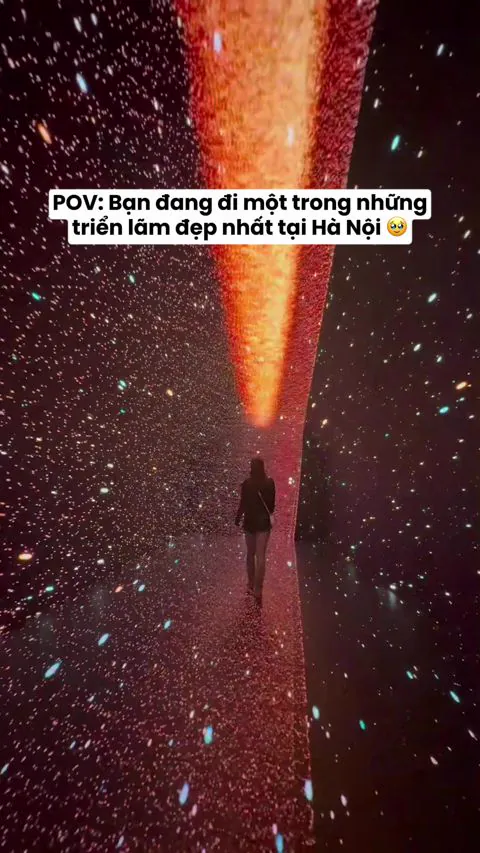
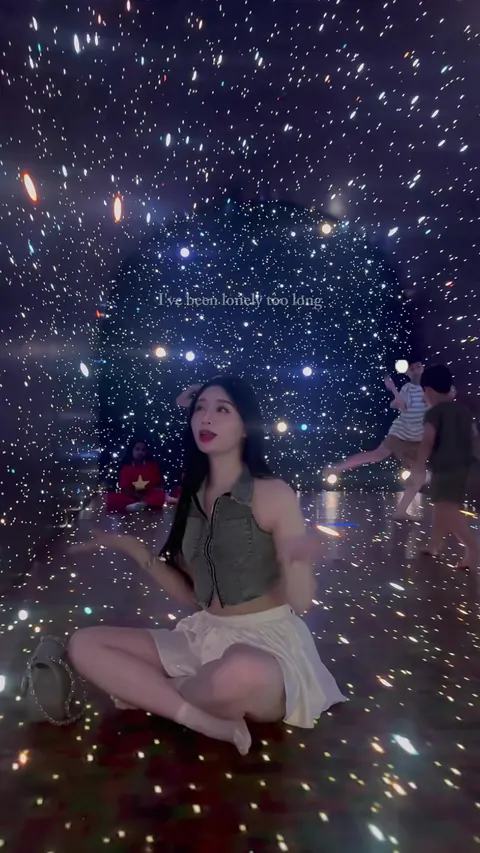
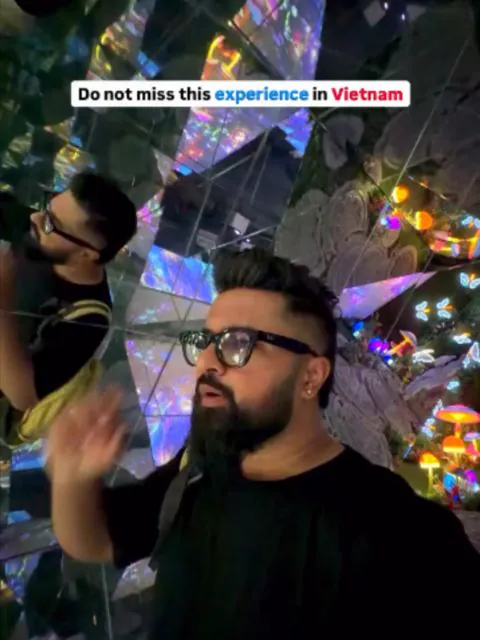
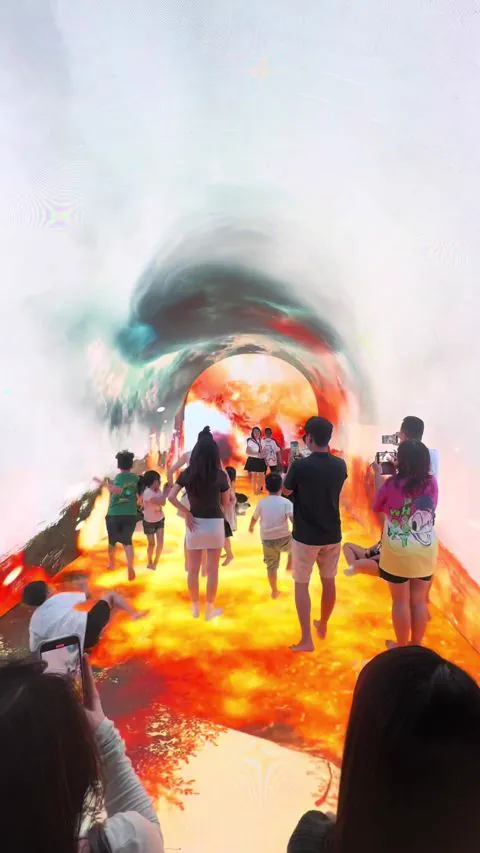
Experience X Space Immersive
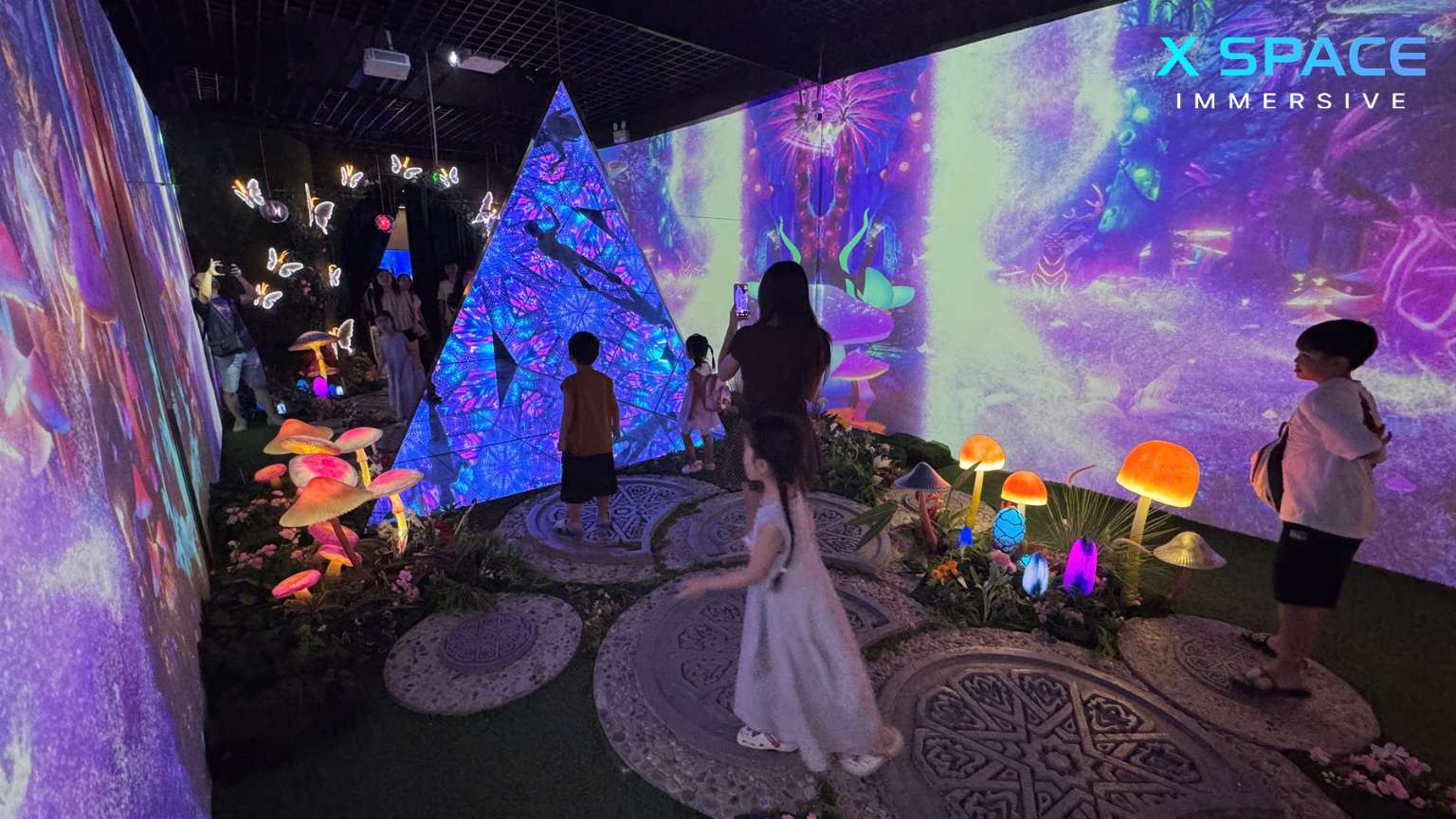
Experience X Space Immersive digital art exhibition in Hanoi
After exploring Hanoi’s centuries-old temples, bustling markets, and iconic landmarks, many travelers look for something different to round out their itinerary. That’s where X Space Immersive offers a fresh perspective—combining technology, creativity, and interactive storytelling in a way that complements the city’s rich cultural heritage.
Unlike traditional museums or historical sites, X Space Immersive invites visitors to become part of the experience through immersive digital art, projection mapping, sound, and light. It provides a modern contrast to Hanoi’s ancient attractions while celebrating creativity in an engaging and accessible format.
A Modern Immersive Experience After Exploring Hanoi Attractions
Travel is about creating memorable experiences, and not every unforgettable moment comes from visiting a historical monument.
After spending the day exploring famous Hanoi attractions, stepping into X Space Immersive offers a completely different atmosphere.
Instead of observing exhibits from a distance, visitors interact with dynamic visual environments designed to stimulate curiosity and imagination.
Depending on the exhibition, guests may experience:
- Large-scale digital projections
- Interactive installations
- Immersive storytelling
- Artistic light and sound experiences
- Highly photogenic exhibition spaces
This balance between heritage and innovation makes Hanoi an even more rewarding destination for today’s travelers.
Why X Space Immersive Is Perfect for Families, Friends, and Travelers
One of the strengths of X Space Immersive is its broad appeal.
Whether you’re traveling solo, with friends, as a couple, or with children, the experience offers opportunities to explore, interact, and create memorable photos together.
Many visitors appreciate that it provides:
- An indoor activity during hot or rainy weather
- Interactive experiences suitable for multiple age groups
- Beautiful spaces for photography
- A relaxing break after walking through the city’s historic districts
- A unique addition to a traditional sightseeing itinerary
For families, it combines entertainment with creativity. For couples, it offers memorable photo opportunities. For international visitors, it presents a contemporary side of Hanoi that complements the city’s historical landmarks.
Add X Space Immersive to Your Hanoi Travel Itinerary
If you’re planning two or three days in Hanoi, consider scheduling X Space Immersive in the late afternoon or evening after visiting nearby attractions.
For example:
Suggested Day Three
- Morning: Bat Trang Ceramic Village
- Lunch: Local Vietnamese cuisine
- Afternoon: Vietnam Museum of Ethnology
- Sunset: West Lake
- Evening: X Space Immersive
This combination allows you to experience Hanoi’s rich past while ending the day with an inspiring, technology-driven attraction that reflects the city’s evolving creative scene.
Whether you’re a first-time visitor or returning to discover something new, X Space Immersive adds a fresh dimension to your journey through Vietnam’s capital.
Conclusion
From peaceful lakes and ancient temples to lively markets and innovative attractions, Hanoi offers an extraordinary variety of experiences that continue to captivate travelers from around the world. Every neighborhood tells a different story, blending more than a thousand years of history with the energy of a modern, fast-growing city.
Whether you’re admiring the timeless beauty of Hoan Kiem Lake, wandering through the vibrant Old Quarter, discovering hidden gems like Bat Trang Ceramic Village, or enjoying a contemporary experience at X Space Immersive, you’ll quickly understand why these Hanoi attractions leave such lasting impressions.
The beauty of Hanoi lies not only in its famous landmarks but also in its everyday moments—a cup of egg coffee on a quiet street corner, the sound of temple bells in the distance, or the warmth of local hospitality.
As you plan your adventure, don’t rush from one destination to another. Allow time to slow down, explore beyond the guidebooks, and embrace both the iconic landmarks and the unexpected discoveries along the way.
No matter your travel style, the best attractions in Hanoi promise unforgettable memories and a deeper appreciation of Vietnam’s remarkable capital.
Was this article helpful?
Thanks for your feedback!