Hanoi Old Quarter: Top Things to Do, Eat & Explore in 2026

Hanoi Old Quarter is where Hanoi’s rich history, vibrant street life, and authentic Vietnamese culture come together. From centuries-old guild streets and iconic landmarks to bustling markets and unforgettable street food, this historic district offers an experience unlike anywhere else in Vietnam. Whether you’re planning your first visit or returning to explore hidden gems, this guide will help you discover the best things to do, eat, and explore in Hanoi Old Quarter in 2026.
In this guide
What Makes Hanoi Old Quarter So Special?
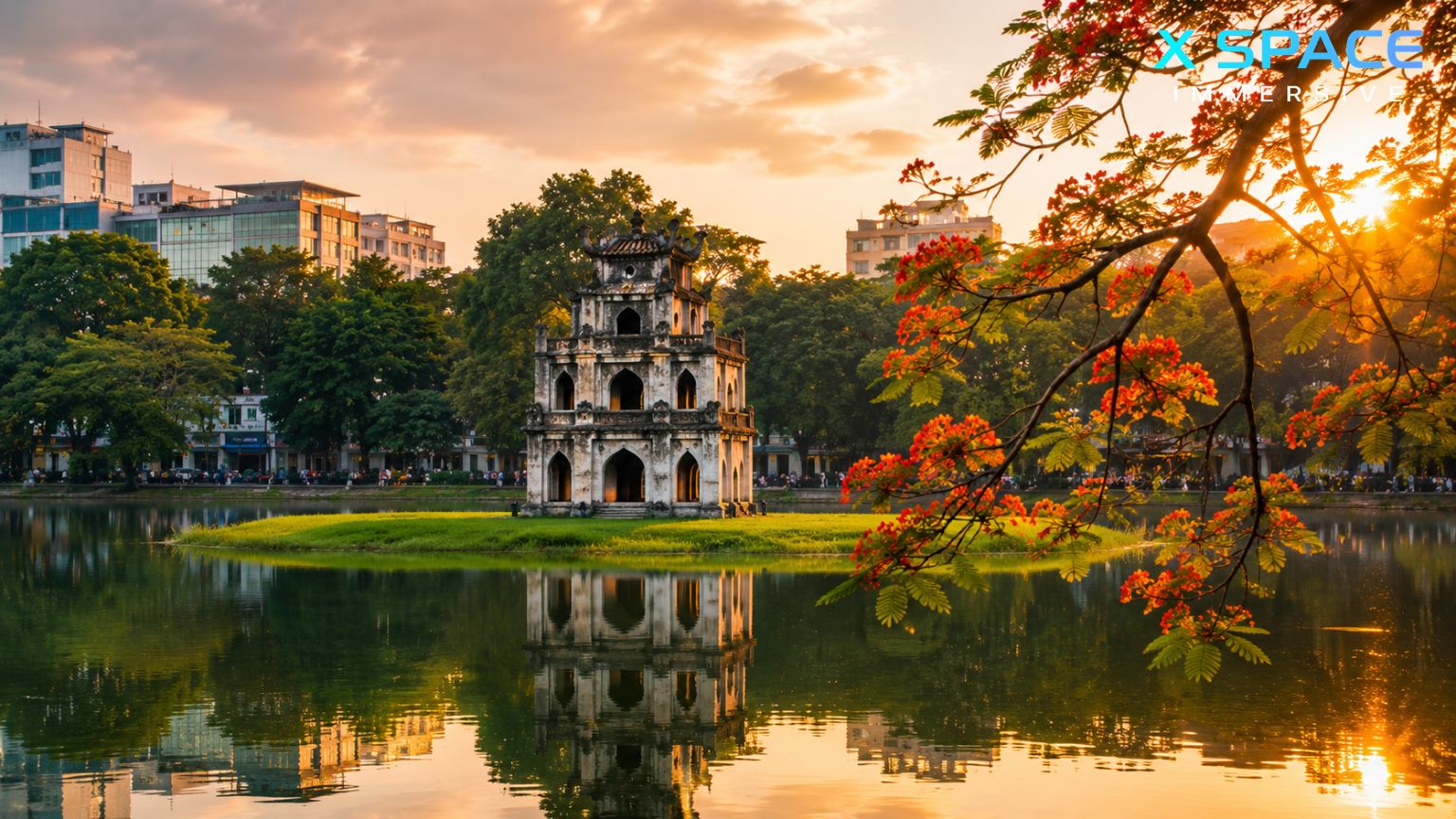
Hoan Kiem Lake and Turtle Tower near Hanoi Old Quarter at sunset
For many travelers, Hanoi begins and ends in the Old Quarter. It is where the city’s past and present meet in the most captivating way. Unlike modern urban districts filled with high-rise buildings, the Old Quarter preserves a unique atmosphere that has remained remarkably authentic despite rapid development around it.
Walking through these lively streets feels like stepping into a story that has been unfolding for more than a thousand years.
A Brief History of the Old Quarter of Hanoi Vietnam
The history of Hanoi Old Quarter dates back to the 11th century during the Ly Dynasty, when Hanoi became the capital of Vietnam. Over the centuries, skilled craftsmen and merchants from villages across northern Vietnam settled in the area, each specializing in a particular trade.
This gave rise to the famous “36 Guild Streets,” where every street was traditionally dedicated to a specific craft or product. Although today’s businesses have diversified, many street names still reflect their original purpose:
- Hang Bac – Silver and jewelry craftsmen
- Hang Gai – Silk and fashion boutiques
- Hang Ma – Traditional ceremonial decorations
- Hang Dao – Fabrics and clothing
- Hang Buom – Once known for selling sails
These historic streets have evolved into one of Hanoi’s most fascinating attractions while preserving their original character.
During the French colonial era, elegant European architecture was introduced alongside traditional Vietnamese tube houses, creating the distinctive architectural landscape visitors admire today. This remarkable fusion of East and West makes the old quarter of Hanoi Vietnam unlike anywhere else in Southeast Asia.
Today, locals continue to live, work, worship, and celebrate within these historic streets, making the district feel authentic rather than simply preserved for tourism.
Where Is Hanoi Old Quarter Located?
One of the greatest advantages of visiting Hanoi Old Quarter is its central location.
Situated just north of the iconic Hoan Kiem Lake, the Old Quarter occupies approximately 100 hectares in the heart of Hanoi. Many of the city’s most famous attractions are within easy walking distance, making it an ideal base for travelers.
Nearby highlights include:
- Hoan Kiem Lake
- Ngoc Son Temple
- St. Joseph’s Cathedral
- Dong Xuan Market
- Hanoi Opera House
- Long Bien Bridge
Thanks to its compact layout, exploring the old quarter in Hanoi Vietnam on foot is not only possible but highly recommended. Every narrow alley and hidden courtyard offers an opportunity to discover something unexpected.
Why Travelers Fall in Love with Hanoi Old Quarter
There are countless reasons why millions of visitors choose to stay in Vietnam Hanoi Old Quarter, but several experiences consistently stand out.
A Living Cultural Heritage
Unlike historic districts that have become open-air museums, Hanoi Old Quarter remains a thriving neighborhood.
Residents shop at local markets each morning.
Families gather outside tiny restaurants in the evening.
Motorbikes weave through streets lined with centuries-old buildings.
Traditional festivals continue to bring communities together.
This authentic atmosphere allows visitors to experience modern Vietnamese life while surrounded by centuries of history.
Architecture That Tells Stories
One of the most fascinating aspects of Hanoi Old Quarter is its architecture.
You’ll notice slender “tube houses” stretching deep into narrow plots, a design originally created to reduce land taxes based on street frontage.
Interspersed among these traditional homes are elegant French colonial villas, colorful Chinese temples, hidden communal houses, and charming wooden shopfronts.
Every building has its own story, and together they create one of Southeast Asia’s most photogenic neighborhoods.
An Unmatched Street Food Paradise
Few places in the world celebrate street food quite like Hanoi.
Tiny plastic stools spill onto sidewalks.
Steam rises from bowls of freshly cooked pho.
The aroma of grilled pork fills narrow lanes.
Coffee shops hide behind leafy courtyards.
Food isn’t just something you eat here—it’s part of daily life.
From Michelin-recognized eateries to humble family-run stalls serving recipes handed down through generations, the Old Quarter offers endless culinary discoveries.
Top Things to Do in Hanoi Old Quarter
With so much history, culture, and local life packed into a relatively small area, deciding where to begin can feel overwhelming.
Fortunately, many of the best experiences are within walking distance of one another.
Explore the Famous Hanoi Old Quarter Streets
The best way to understand the district is simply to wander.
Each street has its own personality, offering visitors a different glimpse into Hanoi’s rich heritage.
Hang Gai Street – The Silk Street
Known locally as “Silk Street,” Hang Gai has long been famous for premium silk products.
Today you’ll find:
- Tailor shops
- Handmade scarves
- Vietnamese fashion
- Art galleries
- Boutique cafés
It’s one of the best places to purchase quality souvenirs that reflect Vietnamese craftsmanship.
Hang Ma Street – A Festival of Colors
Few streets are as visually striking as Hang Ma.
Throughout the year, shops overflow with:
- Lanterns
- Traditional decorations
- Mid-Autumn Festival toys
- Lunar New Year ornaments
- Handmade paper crafts
During major Vietnamese holidays, the street transforms into one of Hanoi’s most photographed destinations.
Hang Bac Street – The Silver Quarter
Originally home to skilled silversmiths, Hang Bac continues to attract visitors looking for handcrafted jewelry.
Even if you’re not shopping, watching artisans at work provides a fascinating glimpse into traditional craftsmanship that has survived for centuries.
Ta Hien Street – Hanoi’s Famous Beer Street
As daylight fades, Ta Hien transforms into one of the city’s liveliest destinations.
Visitors gather on tiny plastic stools to enjoy:
- Fresh local beer (Bia Hoi)
- Vietnamese street snacks
- Live music
- Friendly conversations with travelers from around the world
Despite its energetic nightlife, Ta Hien retains the intimate charm that defines Hanoi Old Quarter.
Visit Historic Landmarks
Beyond its vibrant streets, the Old Quarter is home to remarkable historical sites that reveal Hanoi’s rich cultural heritage.
Bach Ma Temple
Believed to be one of Hanoi’s oldest temples, Bach Ma Temple has stood for nearly a thousand years.
Dedicated to the legendary White Horse deity, it remains an important spiritual destination for local residents.
Its peaceful courtyards provide a welcome contrast to the lively streets outside.
Ancient House at 87 Ma May Street
For those curious about how wealthy merchants once lived, the Ancient House offers an authentic glimpse into traditional Vietnamese architecture.
Inside, visitors can admire:
- Original wooden interiors
- Traditional courtyards
- Antique furniture
- Family worship spaces
The house beautifully illustrates daily life in Hanoi centuries ago.
Dong Xuan Market
No visit to Hanoi Old Quarter is complete without exploring Dong Xuan Market.
As Hanoi’s largest indoor market, it offers everything from fresh produce and local snacks to clothing, souvenirs, and household goods.
Early morning is the perfect time to witness the market at its most vibrant, as locals shop for the day’s ingredients and merchants prepare for another bustling day.
Continue Exploring Around Every Corner
One of the greatest joys of visiting Hanoi Old Quarter is that the best discoveries are often unplanned. A hidden temple tucked behind an old wooden gate, the aroma of freshly brewed egg coffee drifting from a quiet alley, or a local artisan patiently crafting traditional goods—these spontaneous moments often become the memories travelers cherish most.
Rather than rushing from one attraction to another, slow down and let curiosity guide you. Every street has a story, and every turn offers another chance to experience the timeless charm that has made Hanoi Old Quarter one of Southeast Asia’s most beloved destinations.
Best Food to Eat in Hanoi Old Quarter
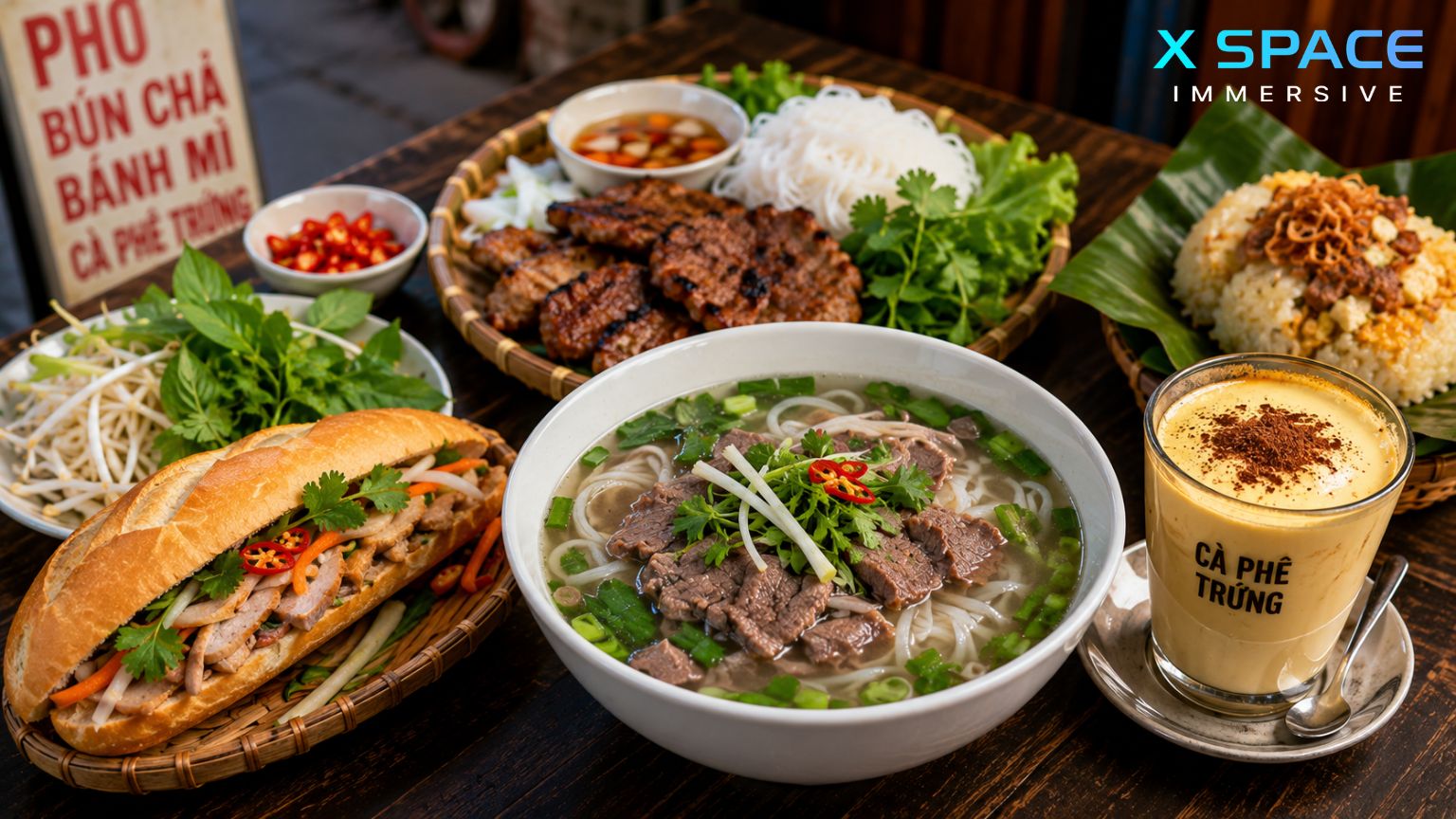
Traditional Vietnamese food in Hanoi Old Quarter including pho, bun cha, banh mi and egg coffee
One of the biggest reasons travelers fall in love with Hanoi Old Quarter is its incredible food scene. From steaming bowls of pho served at dawn to sizzling grilled pork enjoyed after sunset, every meal tells a story of Hanoi’s rich culinary heritage.
The best part? You don’t need to dine in expensive restaurants to enjoy authentic flavors. Some of the city’s most memorable dishes are served on tiny plastic stools along bustling sidewalks, where recipes have been passed down through generations.
Whether you’re exploring independently or joining a Hanoi Old Quarter walking tour, tasting local food should be at the top of your itinerary.
Must-Try Local Dishes
Pho – Vietnam’s Iconic Noodle Soup
No visit to Hanoi Old Quarter is complete without trying a bowl of traditional pho. Unlike versions found elsewhere, Hanoi-style pho features a delicate, clear broth slowly simmered with beef bones and fragrant spices.
Served with tender slices of beef or chicken, fresh herbs, and silky rice noodles, it’s a comforting breakfast enjoyed by locals every morning.
Best time to eat: 6:00–9:00 AM
Bun Cha – Hanoi’s Signature Lunch
Immortalized during former U.S. President Barack Obama’s visit to Hanoi, Bun Cha remains one of the city’s most beloved dishes.
A typical serving includes:
- Charcoal-grilled pork
- Sweet and savory dipping sauce
- Fresh rice noodles
- Seasonal herbs
- Crispy spring rolls (optional)
The combination of smoky flavors and fresh ingredients perfectly represents Hanoi’s balanced cuisine.
Best time to eat: 11:00 AM–2:00 PM
Egg Coffee – A Hanoi Original
Invented in Hanoi during the 1940s, Egg Coffee (Cà Phê Trứng) has become an iconic local specialty.
Made with whipped egg yolk, condensed milk, and robust Vietnamese coffee, the drink offers a rich, creamy texture similar to tiramisu.
Many cafés in Hanoi Old Quarter still prepare Egg Coffee using traditional family recipes, making it a must-try experience for coffee lovers.
Banh Mi – Vietnam’s Famous Sandwich
Although available throughout Vietnam, Hanoi’s version of Banh Mi has its own distinctive character.
Freshly baked baguettes are filled with ingredients such as:
- Grilled pork
- Vietnamese sausage
- Pickled vegetables
- Fresh herbs
- Homemade pâté
- Chili sauce
It’s the perfect meal for travelers exploring the city’s lively streets.
Bun Rieu – A Hidden Local Favorite
If you’re looking to eat like a local, don’t miss Bun Rieu.
This flavorful noodle soup combines tomato-based broth with freshwater crab paste, tofu, herbs, and vermicelli noodles, creating a refreshing yet satisfying meal.
While pho often attracts tourists, Bun Rieu remains one of Hanoi residents’ favorite comfort foods.
Sticky Rice (Xoi)
Sticky rice vendors appear throughout Hanoi Old Quarter from early morning until late evening.
Popular toppings include:
- Braised pork
- Chinese sausage
- Fried shallots
- Mung beans
- Shredded chicken
- Fried eggs
Affordable, filling, and delicious, sticky rice makes an excellent breakfast or quick snack.
Best Street Food Areas
One of the joys of exploring Vietnam Hanoi Old Quarter is discovering that every neighborhood has its own culinary personality.
Ta Hien Street
Known as Hanoi’s famous Beer Street, Ta Hien comes alive after sunset.
Visitors can enjoy:
- Fresh Bia Hoi (draft beer)
- Grilled seafood
- Fried spring rolls
- BBQ skewers
- Local snacks
The lively atmosphere makes it one of the city’s best places to experience Hanoi’s nightlife.
Dong Xuan Market
Beyond shopping, Dong Xuan Market is one of the best places to sample authentic local food.
Here you’ll find:
- Bun Cha
- Bun Rieu
- Sweet desserts
- Sticky rice
- Fresh fruit
- Traditional Vietnamese snacks
The market is particularly busy during breakfast and lunchtime when locals gather for affordable meals.
Hang Buom Street
Hang Buom has transformed into one of Hanoi’s most exciting evening food destinations.
Expect rows of street vendors serving freshly grilled seafood, local barbecue, noodles, and regional specialties late into the night.
It’s an excellent stop for adventurous food lovers looking to explore beyond the tourist hotspots.
Tong Duy Tan Food Street
Just a short walk from Hanoi Old Quarter, Tong Duy Tan is famous for its late-night dining scene.
Many restaurants stay open well past midnight, making it ideal for travelers craving delicious Vietnamese cuisine after an evening stroll.
Local Food Tips
To enjoy the best culinary experience, keep these practical tips in mind:
Eat Where the Locals Eat
Busy restaurants with mostly Vietnamese customers usually indicate excellent quality and authentic flavors.
Don’t be discouraged by small plastic stools or simple storefronts—these humble eateries often serve the city’s best food.
Carry Cash
Although many cafés and restaurants now accept digital payments, small street vendors still prefer cash.
Having small denominations makes ordering easier.
Visit Early
Many of Hanoi’s most famous food stalls sell out surprisingly quickly.
Breakfast specialties often disappear before 9:00 AM, while popular Bun Cha restaurants become crowded around noon.
Try Something New
One of the greatest pleasures of visiting Hanoi Old Quarter is discovering dishes you’ve never heard of before.
Don’t hesitate to ask locals for recommendations—you may uncover your favorite meal of the trip.
Hanoi Old Quarter Walking Tour: The Best Routes
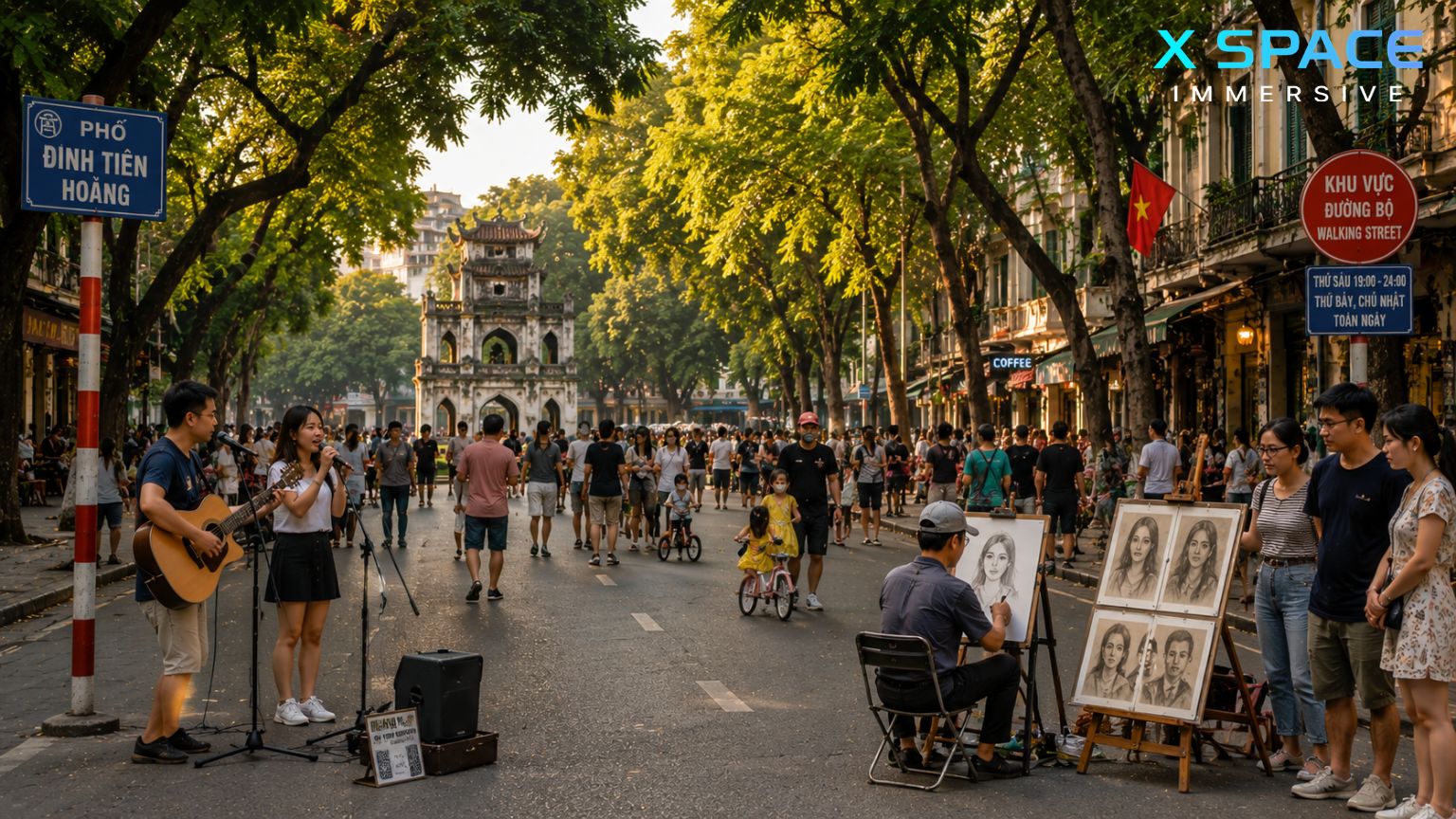
Weekend walking street near Hoan Kiem Lake during autumn in Hanoi Old Quarter
Walking is undoubtedly the best way to experience Hanoi Old Quarter.
Unlike exploring by taxi or motorbike, traveling on foot allows you to admire historic architecture, discover hidden alleys, browse local shops, and pause whenever something catches your eye.
Whether you prefer a self-guided adventure or an organized Hanoi Old Quarter walking tour, every route reveals a different side of Hanoi.
Self-Guided Walking Tour
Morning Route (8:00 AM – 11:00 AM)
Start your day at Hoan Kiem Lake, where locals practice tai chi and morning exercise beneath ancient trees.
Continue to:
- Ngoc Son Temple
- The Huc Bridge
- St. Joseph’s Cathedral
- Hang Gai Street
- Hang Bac Street
Finish with a traditional bowl of pho or an Egg Coffee at a nearby café.
Afternoon Route (1:00 PM – 5:00 PM)
Spend the afternoon exploring Hanoi’s historic landmarks.
Recommended stops include:
- Ancient House (87 Ma May)
- Bach Ma Temple
- Dong Xuan Market
- Hang Ma Street
Take your time browsing boutique shops, art galleries, and handcrafted souvenir stores along the way.
Evening Route (6:00 PM – 10:00 PM)
As the city lights begin to glow, Hanoi Old Quarter transforms into one of Southeast Asia’s most vibrant nightlife districts.
Don’t miss:
- Ta Hien Beer Street
- Weekend Walking Street (Friday–Sunday)
- Street musicians
- Night market
- Local food vendors
The evening atmosphere perfectly captures the energy and charm that make Hanoi unforgettable.
Hidden Gems Along the Way
While famous attractions deserve attention, some of the Old Quarter’s greatest treasures are tucked away from the main streets.
Keep an eye out for:
Quiet Alleys
Step away from the busy roads and you’ll discover peaceful residential lanes where everyday Hanoi life unfolds.
Hidden Cafés
Many of the city’s best cafés are concealed behind narrow entrances or inside historic buildings.
These tranquil spaces offer excellent coffee, rooftop views, and a welcome escape from the bustling streets.
Local Art Galleries
Contemporary Vietnamese artists showcase paintings, photography, ceramics, and handcrafted products throughout the Old Quarter.
Browsing these galleries provides a deeper appreciation of Hanoi’s creative culture.
Ancient Temples
Beyond the famous landmarks lie dozens of small neighborhood temples where locals continue to pray, celebrate festivals, and honor their ancestors.
These quiet spiritual spaces offer a meaningful glimpse into Vietnamese traditions.
Guided Walking Tours Worth Booking
If you’d like deeper historical and cultural insights, joining a guided Hanoi Old Quarter walking tour is an excellent option.
Popular choices include:
Food Tours
Taste authentic Hanoi cuisine while learning the stories behind each dish.
Perfect for first-time visitors.
History Tours
Discover the fascinating evolution of the Old Quarter, from its origins as a merchant district to its role in modern Hanoi.
Night Walking Tours
Experience illuminated temples, bustling markets, and Hanoi’s lively nightlife through the eyes of a local guide.
Photography Tours
Capture beautiful images of historic architecture, colorful markets, hidden alleyways, and vibrant street life while receiving expert photography tips.
Where to Stay in Hanoi Old Quarter
Choosing accommodation in Hanoi Old Quarter places you within walking distance of the city’s best attractions, restaurants, cafés, and cultural landmarks.
Whether you’re traveling on a budget or seeking luxury, there’s an option to suit every style.
Luxury Hotels
Luxury hotels in the Old Quarter combine elegant design with exceptional hospitality.
Many feature:
- Rooftop bars overlooking Hanoi
- Spa and wellness facilities
- Fine dining restaurants
- Airport transfer services
- Personalized concierge assistance
Perfect for travelers seeking comfort while staying close to Hanoi’s historic center.
Boutique Hotels
Boutique hotels are among the most popular choices for international visitors.
Often housed in beautifully restored heritage buildings, they blend traditional Vietnamese charm with modern amenities.
Expect stylish interiors, warm hospitality, and a more intimate atmosphere.
Budget Hostels
Backpackers and solo travelers will find numerous affordable hostels throughout the Old Quarter.
Many offer:
- Dormitory rooms
- Private rooms
- Social common areas
- Free walking tours
- Group activities
They’re a great way to meet fellow travelers while keeping costs low.
Best Areas for First-Time Visitors
If it’s your first visit to Hanoi Old Quarter, consider staying near:
- Hoan Kiem Lake for convenient access to major attractions.
- Hang Gai Street for shopping and boutique hotels.
- Ta Hien Street if you enjoy nightlife and socializing.
- Ma May Street for a balance of historic charm, restaurants, and walkability.
No matter where you choose to stay, the compact layout of the Old Quarter means you’re never far from its iconic streets, local eateries, and cultural landmarks. Waking up in the heart of this historic district allows you to experience Hanoi at its most authentic—from the aroma of morning pho to the lively atmosphere that fills the streets after dark.
Best Time to Visit Vietnam Hanoi Old Quarter
Weekend walking street near Hoan Kiem Lake during autumn in Hanoi Old Quarter
One of the greatest advantages of visiting Vietnam Hanoi Old Quarter is that every season offers a different perspective of the city. Whether you’re looking for pleasant weather, vibrant festivals, or lively weekend streets, choosing the right time can make your trip even more memorable.
Spring (March – April): Pleasant Weather and Blooming Streets
Spring is widely considered one of the best times to visit Hanoi Old Quarter. The weather is mild, with temperatures ranging from 20°C to 27°C (68°F–81°F), making it comfortable for long walks through the historic streets.
This season is perfect for:
- Exploring the 36 Guild Streets on foot
- Enjoying outdoor cafés around Hoan Kiem Lake
- Visiting temples and historical landmarks
- Taking beautiful travel photographs
The fresh greenery and blooming flowers add a charming atmosphere to the city’s historic architecture.
Autumn (September – November): Hanoi at Its Most Beautiful
Ask any local about the most beautiful season in Hanoi, and many will say autumn.
Cool temperatures, low humidity, and golden sunlight create ideal conditions for sightseeing. It’s also when many photographers capture the timeless beauty of the old quarter in Hanoi Vietnam.
Autumn is especially recommended for:
- Walking tours
- Food adventures
- Cultural experiences
- Street photography
Summer (May – August)
Summer brings higher temperatures and occasional afternoon showers, but it also offers fewer international tourists and attractive hotel rates.
Plan outdoor activities in the morning or evening to avoid the hottest hours of the day.
Winter (December – February)
Winter in Hanoi is cool rather than freezing, with temperatures occasionally dropping below 15°C (59°F).
The cooler weather makes enjoying hot bowls of pho, bun cha, and egg coffee even more satisfying.
Don’t Miss the Weekend Walking Streets
Every Friday evening through Sunday, several roads surrounding Hoan Kiem Lake become pedestrian-only.
The weekend walking streets feature:
- Traditional music performances
- Folk games
- Street artists
- Handmade crafts
- Local food vendors
- Family-friendly entertainment
It’s one of the best opportunities to experience the vibrant atmosphere of Hanoi Old Quarter without the usual traffic.
Essential Travel Tips for Visiting Hanoi Old Quarter
Although Hanoi Old Quarter is one of Vietnam’s most welcoming destinations, a few practical tips can help you enjoy a smoother and more enjoyable visit.
Getting Around
The Old Quarter is compact, making walking the best way to explore.
For longer distances, consider:
- Grab (ride-hailing app)
- Traditional taxi
- Electric buggy tours
- Bicycle rentals
Walking allows you to discover hidden alleys, local cafés, and architectural details that are easy to miss by vehicle.
Currency and Payments
Vietnam’s official currency is the Vietnamese Dong (VND).
While many hotels and larger restaurants accept credit cards, smaller cafés, local markets, and street food vendors often prefer cash.
It’s helpful to carry smaller banknotes for everyday purchases.
Staying Safe
Hanoi Old Quarter is generally safe for visitors, but it’s always wise to take basic precautions.
Remember to:
- Keep valuables secure in crowded areas.
- Watch for motorbikes when crossing streets.
- Stay hydrated during warmer months.
- Purchase travel insurance before your trip.
What to Wear
Comfortable clothing and walking shoes are essential.
If you plan to visit temples or pagodas, wear clothing that covers your shoulders and knees as a sign of respect.
A light rain jacket or umbrella is also useful during the summer months.
Common Mistakes First-Time Visitors Make
Avoid these common travel mistakes:
- Trying to visit too many attractions in one day.
- Only eating at tourist restaurants instead of local eateries.
- Skipping the smaller side streets.
- Forgetting to negotiate prices in some markets.
- Crossing busy roads too hesitantly—walk steadily and predictably.
The best way to experience Hanoi Old Quarter is to slow down and let the neighborhood reveal itself naturally.
FAQ About Hanoi Old Quarter
Is Hanoi Old Quarter worth visiting?
Absolutely. It is one of Vietnam’s most iconic destinations, combining history, architecture, street food, shopping, and local culture within a highly walkable neighborhood.
How many days should I spend in Hanoi Old Quarter?
Most travelers spend two to three days exploring the area comfortably. This allows enough time to visit major attractions, enjoy local cuisine, experience the nightlife, and discover hidden gems.
Can you walk everywhere?
Yes. Most of the main attractions are located within walking distance of one another, making Hanoi Old Quarter ideal for self-guided exploration.
Which streets are the most famous?
Some of the best-known Hanoi Old Quarter streets include:
- Hang Gai
- Hang Ma
- Hang Bac
- Ta Hien
- Hang Dao
- Ma May
Each offers a unique atmosphere and reflects a different aspect of Hanoi’s heritage.
Is Hanoi Old Quarter safe at night?
Yes. The area remains lively well into the evening, especially around Ta Hien Street and Hoan Kiem Lake. As with any major city, simply stay aware of your surroundings and keep personal belongings secure.
Experience X Space Immersive After Exploring Hanoi Old Quarter

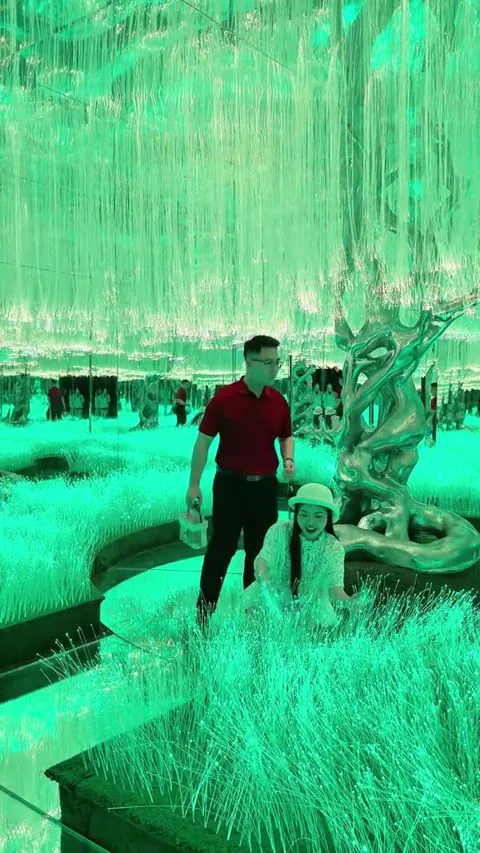
Visitors exploring X Space Immersive digital art exhibition in Hanoi
After spending the day wandering through the historic streets of Hanoi Old Quarter, why not end your journey with an entirely different perspective of Hanoi?
Step Into a New Dimension of Art and Technology
While the Old Quarter celebrates centuries of tradition, X Space Immersive invites visitors into a world where digital art, light, sound, and technology create unforgettable multisensory experiences.
Through immersive projections and interactive installations, visitors don’t just observe the artwork—they become part of it.
Whether you’re traveling with friends, family, or children, it’s a refreshing contrast to a day of historical sightseeing.
Why Visit X Space Immersive?
Adding X Space Immersive to your itinerary offers several advantages:
- Experience a modern side of Hanoi beyond its historical landmarks.
- Enjoy a relaxing indoor activity after hours of walking.
- Capture stunning photos and videos in immersive digital spaces.
- Discover interactive exhibitions suitable for all ages.
It’s an ideal destination for travelers seeking something unique beyond the traditional tourist trail.
A Perfect One-Day Hanoi Itinerary
If you’re short on time, here’s a simple itinerary that combines the city’s heritage with its modern creativity:
Morning
- Explore Hoan Kiem Lake.
- Visit Bach Ma Temple.
- Wander the historic Hanoi Old Quarter streets.
Afternoon
- Enjoy Bun Cha or Pho at a local restaurant.
- Shop for handmade souvenirs on Hang Gai Street.
- Relax with an authentic Egg Coffee.
Evening
- Experience the captivating digital exhibitions at X Space Immersive.
- Finish the day with dinner or drinks back in the Old Quarter.
This combination offers a well-rounded experience, blending Hanoi’s rich cultural history with contemporary art and innovation.
Conclusion
Hanoi Old Quarter is far more than a collection of historic streets—it’s the living heart of Vietnam’s capital, where centuries of history, vibrant culture, and everyday life come together. From wandering the famous guild streets and sampling authentic local cuisine to discovering hidden cafés and ancient temples, every corner offers a new story waiting to be explored.
Whether you’re planning your first trip or returning to uncover more of its timeless charm, the Old Quarter promises experiences that stay with you long after your journey ends. And if you’d like to complement its rich heritage with a modern, interactive adventure, X Space Immersive provides the perfect finale, offering a fresh perspective on Hanoi through immersive art and technology.
No matter how you choose to explore, one thing is certain: Hanoi Old Quarter will remain one of the most unforgettable highlights of your visit to Vietnam.
Was this article helpful?
Thanks for your feedback!