Hanoi Opera House: Top Things to See, Do & Travel Tips

Hanoi Opera House is one of the most iconic cultural landmarks in Vietnam’s capital, where elegant French colonial architecture meets a vibrant performing arts scene. Located in the heart of Hanoi’s historic French Quarter, this century-old theater attracts visitors with its remarkable history, stunning design, and world-class performances.
Whether you’re planning to admire its architectural beauty, attend one of the famous Hanoi Opera House shows, or simply explore one of the city’s most photographed attractions, this guide has everything you need. Discover the top things to see, how to buy Hanoi Opera House tickets, practical travel tips, and why this historic venue remains an essential stop on every Hanoi itinerary.
In this guide
What Makes Hanoi Opera House a Must-Visit Landmark?
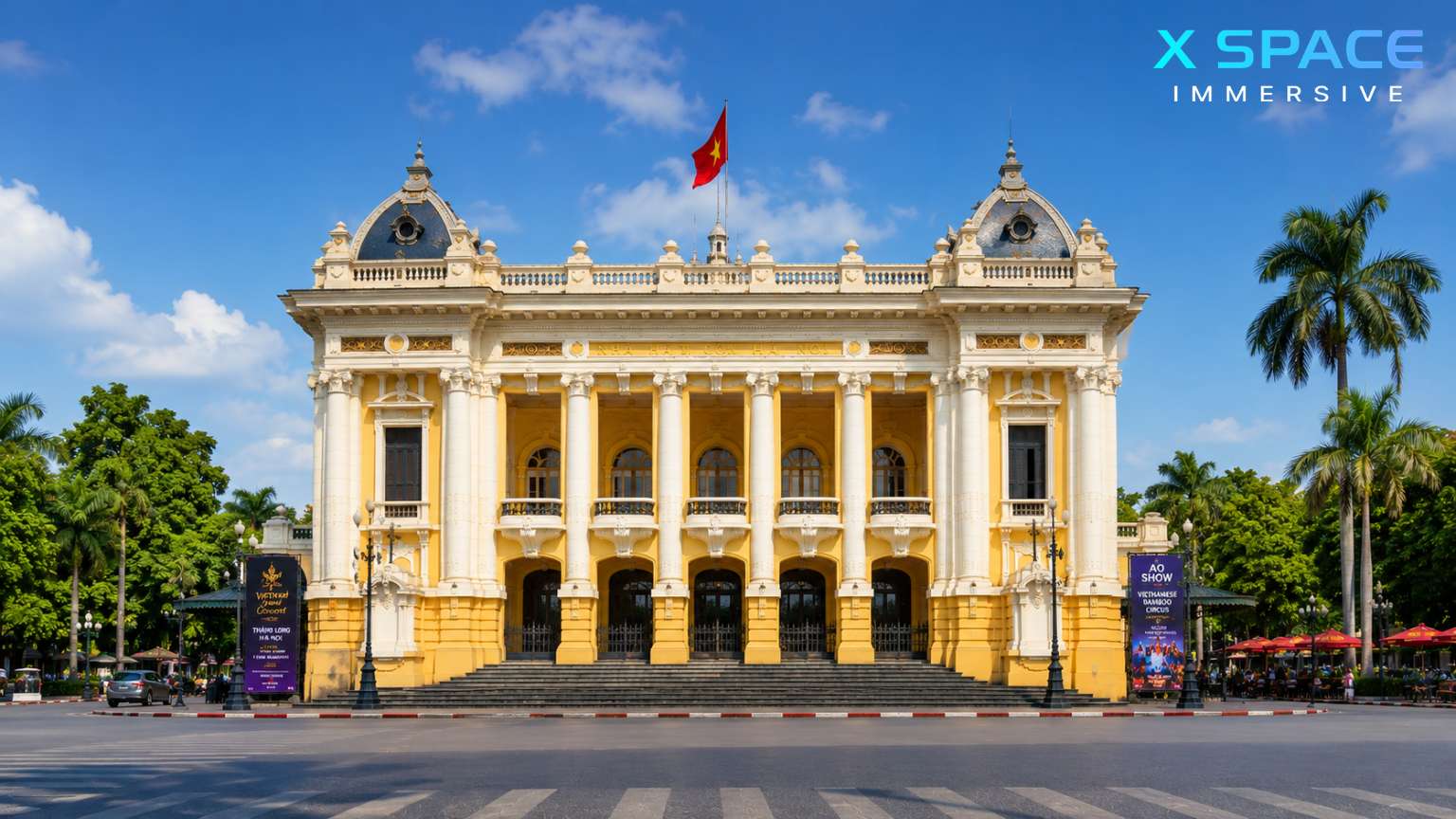
Hanoi Opera House at sunset showcasing elegant French colonial architecture in Hanoi, Vietnam
The Hanoi Opera House is much more than an iconic building. It represents over a century of Vietnamese history, artistic achievement, and architectural excellence. For many travelers, it is one of the first places they add to their Hanoi itinerary because it offers an experience that combines history, culture, photography, and live entertainment in one destination.
Unlike museums where history is displayed behind glass, the opera house continues to perform its original role. Music fills its grand auditorium, international artists perform on its stage, and audiences gather beneath glittering chandeliers just as they have for generations.
Its location also makes it incredibly convenient to visit. Nestled within Hanoi’s elegant French Quarter, the opera house is only a short walk from Hoan Kiem Lake, Trang Tien Street, and several museums, allowing visitors to combine multiple attractions in a single day.
Today, the building remains one of the most photographed landmarks in Hanoi Opera House Hanoi, admired for both its architectural beauty and cultural significance.
A Cultural Symbol in the Heart of Hanoi
Completed in the early twentieth century, the opera house has witnessed many defining moments in Vietnam’s history. It has served not only as a performance venue but also as a gathering place during important political and cultural events.
Today, it continues to symbolize the city’s commitment to preserving its artistic heritage while embracing contemporary performances from around the world.
Throughout the year, visitors can enjoy an impressive variety of productions, including:
- Classical concerts
- Opera performances
- Ballet productions
- Vietnamese traditional music
- Contemporary dance
- International cultural festivals
This diversity makes every visit unique, regardless of the season.
Why Travelers Love Visiting Hanoi Opera House
There are countless reasons why travelers consistently rank the Hanoi Opera House among the city’s top attractions.
Its remarkable architecture
Inspired by the Palais Garnier in Paris, the opera house immediately impresses visitors with elegant Corinthian columns, decorative balconies, graceful arches, and sophisticated French colonial details.
Its rich cultural atmosphere
Unlike historical monuments that remain static, the opera house is alive every evening with performances that celebrate both Vietnamese traditions and international art.
Its central location
Many of Hanoi’s most famous attractions are within walking distance, making it easy to include the opera house in a full-day sightseeing route.
Its photogenic surroundings
The spacious square in front of the building becomes especially beautiful during sunrise and after sunset when warm lights illuminate the historic façade.
The History and Architecture of Hanoi Opera House
The story of the Hanoi Opera House reflects the transformation of Hanoi itself. For more than one hundred years, this magnificent theater has stood as both an architectural masterpiece and a witness to Vietnam’s changing history.
Today, visitors admire its beauty without always realizing how much history is embedded within every stone, staircase, and decorative detail.
French Colonial Origins
Construction of the Hanoi Opera House began in 1901 during the French colonial period and was completed in 1911. French architects sought to create a prestigious theater that would rival Europe’s finest opera houses while serving the growing colonial community in Hanoi.
Drawing inspiration from the famous Palais Garnier in Paris, they adapted the design to suit Hanoi’s tropical climate. This resulted in a structure that preserved the elegance of French Beaux-Arts architecture while incorporating practical modifications for local weather conditions.
Initially, performances primarily featured European operas, classical music, and theatrical productions. Over time, however, the venue evolved into an important cultural institution representing Vietnamese performing arts alongside international productions.
Following Vietnam’s independence, the opera house entered a new chapter. Rather than remaining a symbol of colonial history, it gradually transformed into one of the country’s most respected cultural venues, hosting concerts, official ceremonies, diplomatic events, and national celebrations.
Its ability to adapt across different historical periods makes it far more than a beautiful building—it is a living chapter of Hanoi’s story.
Exterior Design and Architectural Highlights
One glance at the Hanoi Opera House Vietnam reveals why it remains one of Southeast Asia’s finest examples of French colonial architecture.
The symmetrical façade is characterized by elegant proportions and refined decorative elements that create an atmosphere of timeless sophistication.
Some of the building’s most striking architectural features include:
Grand Corinthian Columns
The impressive columns supporting the entrance immediately evoke classical European architecture while adding a sense of grandeur.
Ornamental Balconies
Intricately decorated balconies enhance the building’s elegance and provide excellent viewpoints overlooking the square.
Sculpted Pediments
Above the main entrance, beautifully crafted sculptures and reliefs reflect the artistic style popular during the Belle Époque period.
Large Arched Windows
The tall windows not only maximize natural light but also contribute to the building’s balanced appearance.
French Colonial Color Palette
Soft yellow walls contrasted with white decorative elements have become characteristic of many historic buildings throughout Hanoi’s French Quarter.
The surrounding square further enhances the building’s visual appeal, creating one of the city’s most recognizable urban landscapes.
For photographers, the opera house offers exceptional opportunities throughout the day. Morning light highlights the intricate architectural details, while evening illumination creates an entirely different atmosphere, making the building glow against the night sky.
Inside the Main Auditorium
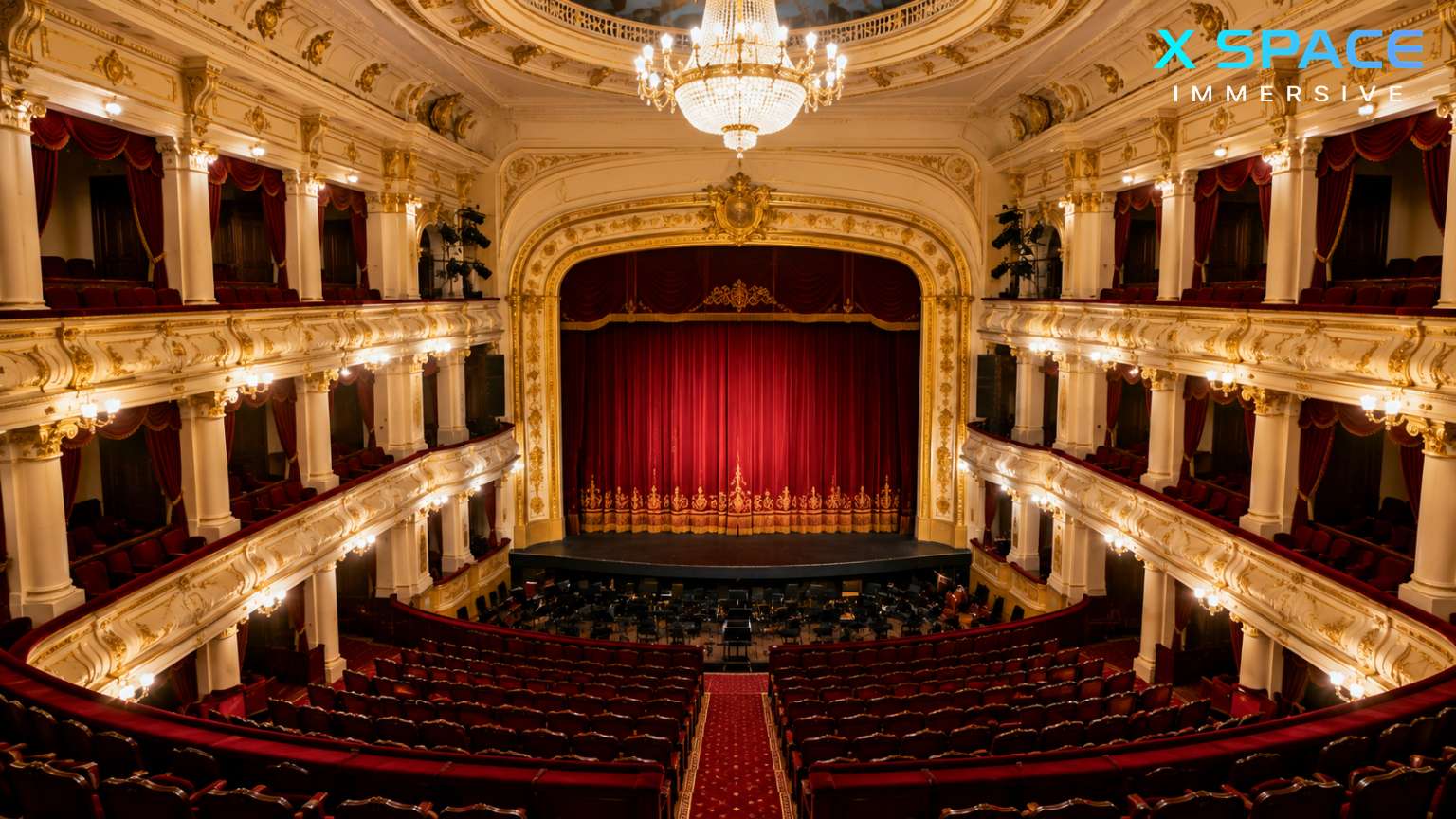
While the exterior impresses from a distance, the interior of the Hanoi Opera House reveals an entirely different level of elegance.
Visitors who join a guided tour or attend a performance often describe the experience as stepping into another era.
Inside, the theater showcases:
- Crystal chandeliers that illuminate the grand hall
- Marble staircases with ornate railings
- Luxurious velvet seating
- Decorative ceilings with classical motifs
- Rich wooden finishes
- Exceptional acoustics carefully designed for live performances
Every detail reflects the craftsmanship of early twentieth-century European theater design.
The main auditorium creates an intimate atmosphere despite its impressive size. Whether attending an opera, ballet, or symphony orchestra, audiences enjoy excellent sightlines and remarkable sound quality from nearly every seat.
Because the building remains an active performance venue, access to interior spaces may vary depending on scheduled events. Guided tours often provide access to areas that are unavailable during regular performance days, making them an excellent choice for visitors interested in architecture and history.
Top Things to See at Hanoi Opera House

Front view of Hanoi Opera House, one of the most famous cultural landmarks in Hanoi
Even if you don’t plan to attend a performance, there is plenty to admire at the Hanoi Opera House. Every corner of the building reveals fascinating architectural details that tell the story of Hanoi’s French colonial past while showcasing the elegance of one of Vietnam’s most celebrated cultural landmarks.
Whether you’re visiting for thirty minutes or several hours, these highlights should not be missed.
Admire the Grand French-Style Façade
The first thing most visitors notice is the opera house’s magnificent exterior.
Its symmetrical design, elegant columns, decorative balconies, and classical sculptures create one of Hanoi’s most recognizable architectural landmarks.
Take time to walk around the entire building rather than viewing it only from the front entrance. Different angles reveal unique details that are easy to overlook at first glance.
The early morning is particularly rewarding for photographers, offering soft natural light and fewer crowds. During the evening, the illuminated façade provides an entirely different atmosphere, making it one of the most romantic places to photograph in Hanoi.
Explore the Elegant Interior Spaces
If you have the opportunity to enter the building, you’ll quickly understand why the interior is considered just as impressive as the exterior.
Highlights include:
- The magnificent entrance hall
- Elegant marble staircases
- Decorative chandeliers
- Historic reception rooms
- The beautifully restored main auditorium
Each room reflects the refinement of early twentieth-century European design while preserving its historical authenticity.
Visitors interested in architecture often spend considerable time simply observing the intricate decorative details that are impossible to appreciate from photographs alone.
Discover the Square and Nearby Streets
The area surrounding the opera house is equally enjoyable to explore.
The spacious square in front of the building serves as a popular gathering place where locals and tourists pause to admire the architecture or capture memorable photographs.
Just a short walk away, visitors can continue exploring the elegant French Quarter, browse luxury boutiques along Trang Tien Street, relax at nearby cafés, or stroll toward the peaceful shores of Hoan Kiem Lake.
Together, these attractions create one of Hanoi’s most charming walking routes, blending history, architecture, shopping, and local culture into a single unforgettable experience.
Best Things to Do at Hanoi Opera House
Visiting the Hanoi Opera House is about much more than admiring its elegant exterior. As one of Vietnam’s leading cultural venues, it offers a variety of experiences that allow visitors to appreciate the country’s artistic heritage while enjoying one of Hanoi’s most beautiful architectural masterpieces.
Whether you have an hour to spare or an entire evening, these activities will help you make the most of your visit.
Attend a Live Performance
Watching a live performance is undoubtedly the highlight of visiting the Hanoi Opera House.
Unlike many historic landmarks that function solely as museums, the opera house remains an active theater where audiences gather throughout the year to enjoy exceptional performances. Sitting inside the beautifully restored auditorium while musicians, dancers, and actors perform on stage offers an experience that simply cannot be recreated elsewhere.
Depending on the season, visitors may enjoy:
- Classical orchestra concerts
- Opera performances
- Ballet productions
- Contemporary dance
- Vietnamese traditional music
- International cultural events
The elegant setting, remarkable acoustics, and historic atmosphere combine to create an unforgettable evening for both first-time visitors and returning travelers.
Join a Hanoi Opera House Tour
If your schedule doesn’t include attending a performance, a Hanoi Opera House tour is an excellent alternative.
Guided tours allow visitors to explore areas that are normally inaccessible during performances while learning about the building’s fascinating history and architectural significance.
Many tours include:
- The magnificent entrance hall
- The grand staircase
- Reception rooms
- The main auditorium
- Historical stories behind the building
- Architectural details often overlooked by independent visitors
For travelers interested in architecture, history, or photography, joining a guided tour provides valuable insights that transform a simple visit into a much richer cultural experience.
It’s always recommended to check tour availability in advance, as schedules may vary depending on performances or special events.
Capture Stunning Photos
Few buildings in Hanoi are as photogenic as the Hanoi Opera House.
The elegant French colonial façade creates beautiful compositions throughout the day, while the surrounding square offers plenty of space for wide-angle photography.
Some of the best photography opportunities include:
Early Morning
Soft sunlight highlights architectural details while the area remains relatively quiet.
Golden Hour
Late afternoon light creates warm tones across the yellow façade, making it ideal for portrait photography.
Evening
After sunset, the building is beautifully illuminated, offering dramatic night photography opportunities.
Visitors often find that the surrounding French Quarter also provides charming streets, cafés, and historic buildings that complement their photography walk.
Explore Nearby Attractions
One of the greatest advantages of visiting the Hanoi Opera House Hanoi is its location.
Within just a few minutes’ walk, visitors can discover several of the city’s most famous attractions.
Popular nearby destinations include:
- Hoan Kiem Lake
- Trang Tien Plaza
- Trang Tien Walking Street
- Vietnam National Museum of History
- French Quarter
- Luxury cafés and restaurants
- Art galleries
- Boutique shopping streets
Combining these attractions allows travelers to enjoy an entire day exploring Hanoi’s cultural district without needing additional transportation.
Hanoi Opera House Shows and Performance Experiences
Close-up of Hanoi Opera House architecture with Corinthian columns and Beaux-Arts details
One of the biggest reasons travelers visit the Hanoi Opera House Vietnam is to experience its diverse artistic performances.
Unlike traditional tourist attractions, every visit offers something different depending on the performance schedule. This dynamic atmosphere keeps the venue alive throughout the year and encourages visitors to return for new experiences.
Opera, Ballet and Classical Concerts
The opera house regularly hosts performances by leading Vietnamese and international artists.
Visitors can enjoy:
- Opera
- Ballet
- Symphony orchestras
- Chamber music concerts
- Piano recitals
Even if you don’t regularly attend classical performances, the elegant setting alone makes the experience worthwhile.
The exceptional acoustics and historic interior create an atmosphere that enhances every performance.
Vietnamese Traditional Performances
For international visitors seeking authentic local culture, traditional Vietnamese performances are highly recommended.
These productions often showcase:
- Traditional musical instruments
- Folk dances
- Vietnamese opera
- Contemporary interpretations of cultural stories
They provide an accessible introduction to Vietnam’s rich artistic traditions while taking place in one of the country’s most prestigious cultural venues.
Special Events Throughout the Year
Beyond regular performances, the opera house frequently hosts:
- International music festivals
- Diplomatic cultural exchanges
- Holiday concerts
- Anniversary celebrations
- Contemporary art performances
Since schedules change regularly, it’s always advisable to check upcoming Hanoi Opera House shows before your visit.
Booking early is especially important during holidays and major cultural festivals, when tickets often sell out quickly.
Hanoi Opera House Tickets: Everything You Need to Know
If you’re planning to attend a performance, understanding how Hanoi Opera House tickets work can make your visit much smoother.
Because the opera house hosts many different productions throughout the year, ticket prices, seating options, and booking methods vary depending on the event.
Fortunately, purchasing tickets is generally straightforward if you plan ahead.
Where to Buy Hanoi Opera House Tickets
There are several reliable ways to purchase tickets Hanoi Opera House visitors commonly use.
The most convenient options include:
- Official ticket counters
- Authorized event organizers
- Reputable online booking platforms
- Hotel concierge services (for selected performances)
Whenever possible, purchase tickets from official or authorized sources to avoid inflated prices or counterfeit tickets.
Ticket Prices
There is no fixed admission price because every performance has its own pricing structure.
Ticket prices typically depend on:
- Performance type
- Seating category
- International guest artists
- Special events
- Festival programs
Premium orchestra seats naturally cost more than balcony seating, although many visitors find that even standard seats offer excellent views due to the intimate design of the theater.
Always check the latest pricing before your trip, as schedules and ticket availability can change.
Choosing the Best Seats
If you’re attending a concert or ballet, selecting the right seat can greatly enhance your experience.
Generally:
Front Orchestra
Perfect for appreciating performers up close.
Center Orchestra
Offers the best balance between stage visibility and acoustics.
Balcony
Provides an excellent panoramic perspective while usually being more affordable.
Fortunately, the theater’s relatively compact layout means that most seats provide a satisfying viewing experience.
Arrival Tips
To fully enjoy your evening:
- Arrive at least 30 minutes early.
- Allow time for security screening.
- Bring your electronic or printed ticket.
- Dress smart casual for most performances.
- Silence mobile phones before the performance begins.
Some productions may have additional photography or recording restrictions, so pay attention to announcements before entering the auditorium.
Hanoi Opera House Opening Hours and Best Time to Visit
Because the Hanoi Opera House functions as both a tourist attraction and an active performance venue, visiting hours vary depending on scheduled events.
If you plan to explore the interior rather than simply admire the exterior, checking the latest opening schedule before your visit is highly recommended.
Best Time of Day
Each time of day offers a different experience.
Morning
Ideal for sightseeing and photography with fewer visitors.
Afternoon
Perfect for joining guided tours and exploring nearby museums and cafés.
Evening
The best choice for visitors attending performances or photographing the illuminated building.
Best Season to Visit
The opera house can be visited year-round, but many travelers consider:
Autumn (September–November)
Comfortable temperatures and beautiful weather for walking.
Spring (March–April)
Pleasant conditions and numerous cultural activities throughout Hanoi.
Summer remains popular but can be hot and humid, while winter offers cooler temperatures that many international visitors find enjoyable.
How Much Time Should You Spend Here?
Your visit depends on your interests.
Exterior sightseeing
30–45 minutes
Guided tour
Approximately one hour
Evening performance
Two to three hours
If you combine the opera house with nearby attractions, cafés, and Hoan Kiem Lake, it’s easy to spend half a day exploring the surrounding neighborhood.
How to Get to Hanoi Opera House
Located in Hanoi’s historic French Quarter, the opera house is easily accessible from almost every major tourist district.
Its central location makes it one of the easiest attractions to include in any city itinerary.
Walking from Hoan Kiem Lake
Many visitors choose to walk from Hoan Kiem Lake.
The journey takes roughly 10–15 minutes and passes several charming colonial buildings, cafés, bookstores, and shopping streets.
This scenic walk is one of the most enjoyable ways to experience central Hanoi.
Taxi and Ride-Hailing Apps
Taxi services and ride-hailing apps provide convenient transportation directly to the opera house entrance.
This option is particularly useful during hot summer afternoons or rainy days.
If you’re attending an evening performance, consider arriving slightly earlier to avoid traffic during peak hours.
Public Transportation
Several public bus routes stop within walking distance of the opera house.
Travelers staying outside the city center may also combine buses with short taxi rides for greater convenience.
If you’re traveling by motorbike, nearby parking facilities are available, although spaces may fill quickly during major performances or public events.
Where to Stay Near Hanoi Opera House
One of the advantages of visiting the Hanoi Opera House is its location in the heart of Hanoi’s elegant French Quarter. Staying nearby allows you to explore the city’s historic streets on foot, enjoy local cafés, and easily attend evening performances without worrying about transportation.
From luxury hotels to charming boutique accommodations, the surrounding area offers options for every travel style and budget.
Hilton Hanoi Opera Hotel Vietnam and Luxury Stays
For travelers seeking premium comfort, the area around the opera house features several upscale hotels within walking distance.
Many visitors specifically search for Hilton Hanoi Opera Hotel Vietnam when planning their trip because of its long-standing reputation and convenient location near the city’s cultural attractions. While hotel offerings and branding may change over time, the French Quarter continues to be home to several luxury properties that provide excellent access to the opera house, Hoan Kiem Lake, and Hanoi’s finest restaurants.
When choosing a luxury hotel, consider:
- Walking distance to Hanoi Opera House
- Breakfast quality
- Fitness and swimming facilities
- Airport transfer services
- Views overlooking the French Quarter
- Flexible cancellation policies
Luxury accommodations are especially convenient if you’re attending an evening performance, allowing you to enjoy the show without rushing back across the city.
Opera Hotel Hanoi Vietnam and Boutique Hotels
Travelers may also come across searches for Opera Hotel Hanoi Vietnam when looking for accommodations close to the opera house.
In addition to hotels with similar names, the surrounding French Quarter offers numerous boutique hotels that combine elegant design with personalized service. Many occupy beautifully restored colonial buildings, giving guests an authentic atmosphere that perfectly complements a cultural visit to Hanoi.
Boutique hotels are an excellent choice for travelers who appreciate:
- Quiet surroundings
- Local character
- Stylish interiors
- Personalized hospitality
- Easy walking access to major attractions
Many are just a short stroll from the opera house, making them ideal for couples and solo travelers alike.
Best Areas for First-Time Visitors
If this is your first visit to Hanoi, staying near the opera house places you in one of the city’s most convenient neighborhoods.
French Quarter
Ideal for luxury hotels, historic architecture, and quieter streets.
Hoan Kiem Lake
Perfect for sightseeing, shopping, cafés, and evening walks.
Hanoi Old Quarter
Best for street food, nightlife, local markets, and a lively atmosphere.
Each neighborhood is within comfortable walking distance of the Hanoi Opera House, allowing visitors to experience different sides of the city without spending much time commuting.
Hanoi Opera House Reviews: Is It Worth Visiting?
The Hanoi Opera House consistently receives positive feedback from both domestic and international visitors. While experiences naturally vary depending on whether guests attend a performance or simply admire the building from the outside, several themes appear repeatedly in Hanoi Opera House reviews.
What Visitors Love Most
Beautiful French Colonial Architecture
Many travelers describe the opera house as one of Hanoi’s most elegant buildings. Its grand façade, classical columns, and beautifully restored details make it a favorite destination for photography enthusiasts.
Excellent Location
Visitors appreciate its central position within the French Quarter, allowing easy access to Hoan Kiem Lake, museums, restaurants, and shopping streets.
High-Quality Performances
Those who attend concerts or theatrical productions often praise the venue’s intimate atmosphere, impressive acoustics, and professional performances.
A Blend of History and Culture
Rather than functioning solely as a historic monument, the opera house remains an active cultural venue, giving visitors an opportunity to experience Hanoi’s artistic life firsthand.
Common Visitor Tips
Like any popular attraction, there are a few practical points worth knowing before your visit.
Some travelers mention that:
- Interior access is not always available outside guided tours or performances.
- Popular shows may sell out quickly.
- Photography inside the auditorium is sometimes restricted.
- Evening performances usually require smart casual attire.
- Guided tours may operate only on selected dates.
Checking schedules in advance helps ensure a smoother experience.
Is Hanoi Opera House Worth Visiting?
Absolutely. Whether you enjoy architecture, history, music, or photography, the Hanoi Opera House offers an experience unlike anywhere else in the city.
It is particularly recommended for:
- Architecture enthusiasts
- History lovers
- Performing arts fans
- Couples looking for an elegant evening activity
- First-time visitors exploring Hanoi’s cultural heritage
Even if you don’t attend a performance, simply walking around the building and surrounding French Quarter provides a memorable glimpse into Hanoi’s unique blend of European elegance and Vietnamese identity.
Essential Travel Tips for Visiting Hanoi Opera House
A little preparation can make your visit far more enjoyable. Here are some practical tips to keep in mind before arriving.
Check Performance Schedules in Advance
If your goal is to watch one of the famous Hanoi Opera House shows, check the latest schedule before your trip.
Performance dates vary throughout the year, and some productions may only run for a limited number of nights.
Booking tickets early is especially important during weekends and national holidays.
Dress Comfortably but Respectfully
For daytime sightseeing, casual clothing is perfectly acceptable.
However, if you’re attending a concert, ballet, or opera, smart casual attire is recommended to match the elegant atmosphere of the venue.
Arrive Early
Plan to arrive at least 20–30 minutes before your scheduled performance.
This allows time for:
- Ticket verification
- Finding your seat
- Appreciating the beautiful interior before the show begins
Respect Theater Etiquette
To ensure an enjoyable experience for everyone:
- Silence your mobile phone.
- Avoid talking during performances.
- Follow photography guidelines.
- Refrain from using flash photography.
- Wait for appropriate moments before applauding if you’re unfamiliar with classical performances.
Combine Nearby Attractions
Because of its excellent location, many visitors combine the opera house with:
- Hoan Kiem Lake
- Trang Tien Plaza
- St. Joseph’s Cathedral
- Hanoi Old Quarter
- Vietnam National Museum of History
This creates a full day of sightseeing without requiring additional transportation.
Suggested Hanoi Opera House Itineraries
Not sure how to include the opera house in your travel plans? Here are a few itinerary ideas depending on the time you have available.
One-Hour Visit
Perfect for travelers with limited time.
Suggested activities:
- Photograph the exterior.
- Walk around the square.
- Explore Trang Tien Street.
- Enjoy coffee at a nearby café.
Half-Day Cultural Experience
Ideal for history and architecture enthusiasts.
Suggested itinerary:
- Join a Hanoi Opera House tour.
- Visit the Vietnam National Museum of History.
- Walk through the French Quarter.
- Have lunch at a nearby local restaurant.
- Continue to Hoan Kiem Lake.
Evening Cultural Experience
One of the most memorable ways to enjoy the opera house.
Recommended schedule:
- Dinner in the French Quarter.
- Arrive early for your performance.
- Attend one of the Hanoi Opera House shows.
- End the evening with a leisurely walk around Hoan Kiem Lake.
This itinerary offers an elegant introduction to Hanoi’s cultural scene.
Frequently Asked Questions
Can you visit Hanoi Opera House without attending a show?
Yes. Depending on the schedule, visitors may join guided tours that provide access to parts of the building. However, interior access is not always available outside performances or organized tours.
Where can I buy Hanoi Opera House tickets?
The safest options include official ticket offices, authorized event organizers, and reputable online booking platforms. Purchasing in advance is recommended for popular performances.
What kinds of performances are held here?
The opera house hosts a wide range of productions, including:
- Opera
- Ballet
- Classical concerts
- Vietnamese traditional music
- Contemporary dance
- International cultural events
Is the Hanoi Opera House suitable for children?
Yes, although suitability depends on the specific performance. Families with young children may prefer daytime tours or family-friendly productions.
How far is Hanoi Opera House from Hoan Kiem Lake?
The opera house is approximately a 10–15 minute walk from Hoan Kiem Lake, making it easy to combine both attractions in the same itinerary.
Experience X Space Immersive

Visitors enjoying immersive digital art experience at X Space Hanoi
After discovering the timeless elegance of the Hanoi Opera House, why not continue your cultural journey with a completely different perspective?
X Space Immersive introduces visitors to a modern world where art, technology, and storytelling come together through immersive digital experiences. While the opera house celebrates centuries of architectural heritage and live performance, X Space Immersive offers a contemporary interpretation of creativity using projection mapping, interactive installations, and multi-sensory environments.
It’s an excellent choice for travelers looking to experience another side of Hanoi’s growing creative scene.
Whether you’re visiting with family, friends, or as a couple, you can explore dynamic digital exhibitions, capture unique photos, and engage with interactive spaces that encourage curiosity and imagination.
If your itinerary already includes the Hanoi Opera House, adding X Space Immersive creates an inspiring contrast between Hanoi’s historic cultural legacy and its innovative artistic future—allowing you to experience both tradition and technology in a single trip.
Final Thoughts
The Hanoi Opera House is far more than an architectural landmark—it is a living symbol of Hanoi’s cultural identity. From its magnificent French colonial design and fascinating history to its world-class performances and vibrant atmosphere, every visit offers something memorable.
Whether you’re admiring the building’s elegant façade, joining a guided tour, attending a captivating performance, or simply strolling through the surrounding French Quarter, the opera house provides a meaningful glimpse into the artistic heart of Vietnam’s capital.
For travelers seeking a deeper understanding of Hanoi, the Hanoi Opera House remains an essential destination that perfectly blends history, architecture, and contemporary culture. And if you’re ready to continue exploring the city’s creative spirit, X Space Immersive offers the perfect next chapter—showing how Hanoi continues to evolve while honoring its rich artistic heritage.
Was this article helpful?
Thanks for your feedback!