Is Vietnam Safe for Solo Female Travellers? 10 Things to Know

If you’re dreaming of wandering through lantern-lit streets, sipping Vietnamese coffee in a tiny café, cruising through emerald-green landscapes, or simply getting wonderfully lost in a new culture, you may be asking yourself: is Vietnam safe for solo female travellers?
The short answer is yes, Vietnam is generally considered a welcoming and relatively safe destination for women travelling alone. Like anywhere in the world, however, travelling solo means taking a few extra precautions. Petty theft, traffic, tourist scams, and occasional unwanted attention can happen, particularly in busy tourist areas.
The good news? Most of these concerns are manageable with a little preparation and common sense.
From bustling Hanoi to peaceful coastal towns and breathtaking mountain destinations, Vietnam offers plenty of opportunities for an independent adventure. This guide covers 10 practical things solo female travellers should know before visiting Vietnam, so you can explore with greater confidence and spend less time worrying about what could go wrong.
In this guide
Is Vietnam Safe for Solo Female Travellers?
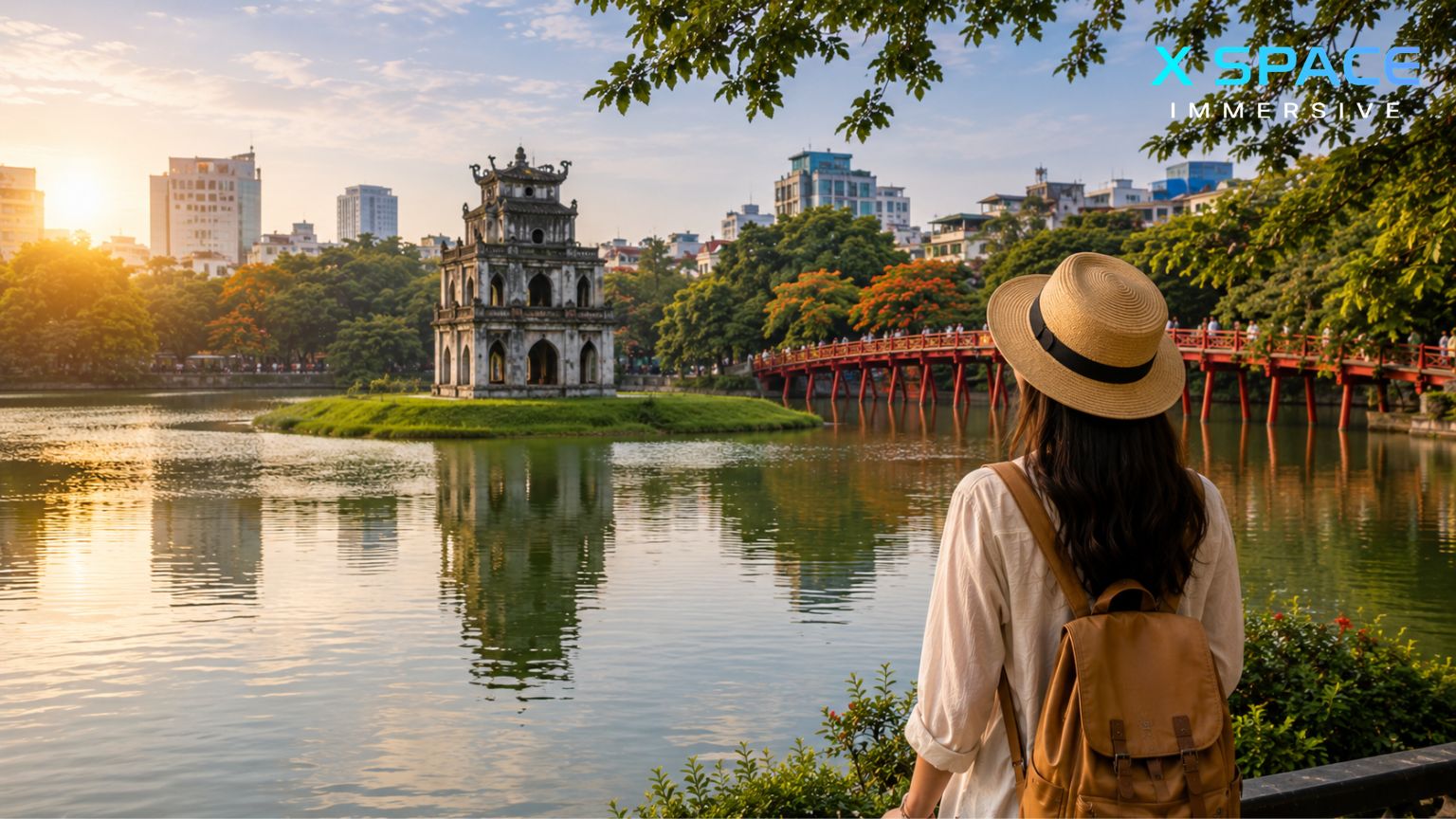
Solo female traveller visiting Hoan Kiem Lake in Hanoi, Vietnam
Vietnam is generally a comfortable destination for solo female travellers, particularly if you stay aware of your surroundings and make sensible choices about transportation, accommodation, nightlife, and personal belongings.
One of the country’s biggest advantages for solo travellers is its tourism infrastructure. Popular destinations have a wide range of hotels, hostels, cafés, restaurants, tour operators, and transportation options. It is also relatively easy to meet other travellers, join group activities, or arrange guided experiences when you don’t want to explore completely alone.
Vietnamese people are often warm and curious toward international visitors. In many places, a solo woman travelling alone will attract friendly attention rather than hostility.
That said, “generally safe” does not mean “risk-free.”
The situations most likely to cause problems for travellers tend to be relatively everyday concerns: someone grabbing a phone from a motorbike, a taxi charging more than expected, losing belongings in a crowded market, or finding yourself in an unfamiliar area late at night.
The key is not to travel fearfully. It is to travel prepared.
1. Understand the Most Common Safety Concerns in Vietnam
Before travelling alone, it helps to know what you actually need to watch out for.
For most female travellers, the main concerns are not serious violent crime but relatively common travel risks.
Petty theft and bag snatching
Busy streets, markets, train stations, and tourist attractions can create opportunities for pickpocketing or phone snatching.
A simple habit can make a significant difference: keep your phone, wallet, and passport secure and avoid holding your phone casually near the road when walking.
Crossbody bags worn securely across the body are generally more practical than loose handbags. When sitting at a café or restaurant, avoid placing your phone or bag somewhere that is easily accessible from the street.
Tourist scams and overcharging
Tourist destinations naturally attract businesses catering to visitors. Most are legitimate, but travellers may occasionally encounter inflated prices or confusing charges.
Before accepting a service, ask the price clearly. For taxis, tours, transfers, and other services, confirm what is included before agreeing.
If something feels unnecessarily complicated or uncomfortable, you can simply walk away.
ATM and payment safety
Vietnam is increasingly convenient for card and digital payments, although cash remains useful, particularly at smaller local businesses.
Use ATMs located inside reputable banks or secure buildings when possible. When withdrawing cash, be aware of your surroundings and avoid displaying large amounts of money publicly.
A little discretion goes a long way.
2. Is Hanoi Safe for Solo Female Travellers?
If you’re wondering is Hanoi safe for solo female travellers, the answer is generally yes, particularly in central areas popular with visitors.
Hanoi can initially feel chaotic. Motorbikes fill the streets, traffic seems to move in every direction, and crossing the road can look intimidating. But after a little time, most travellers quickly become familiar with the rhythm of the city.
The Old Quarter, Hoan Kiem area, and many central neighbourhoods are lively throughout the day and into the evening. There are cafés, restaurants, shops, hotels, and other travellers around, making these areas convenient for a first solo visit.
Is it safe to walk alone in Hanoi?
Walking alone during the day is generally straightforward in busy central areas. At night, use a little more judgment.
Stay on well-lit streets, avoid unfamiliar deserted alleys, and consider using a reputable ride-hailing service if you’re returning to your accommodation late.
One thing every first-time visitor should learn is how to cross Hanoi’s busy streets. Rather than suddenly running across the road, walk steadily and predictably when there is a safe opportunity. Local traffic is accustomed to navigating around pedestrians, but you should still remain alert.
Hanoi can be a great starting point
For first-time solo female travellers, Hanoi can be a particularly interesting introduction to Vietnam because it combines culture, food, history, nightlife, and easy access to organised day trips.
You can enjoy a quiet coffee in the morning, explore historic streets in the afternoon, and join a food or cultural experience in the evening without needing to plan every moment of your trip.
3. Choose Safe Accommodation for a Solo Trip
Your accommodation can have a surprisingly large impact on how comfortable you feel while travelling alone.
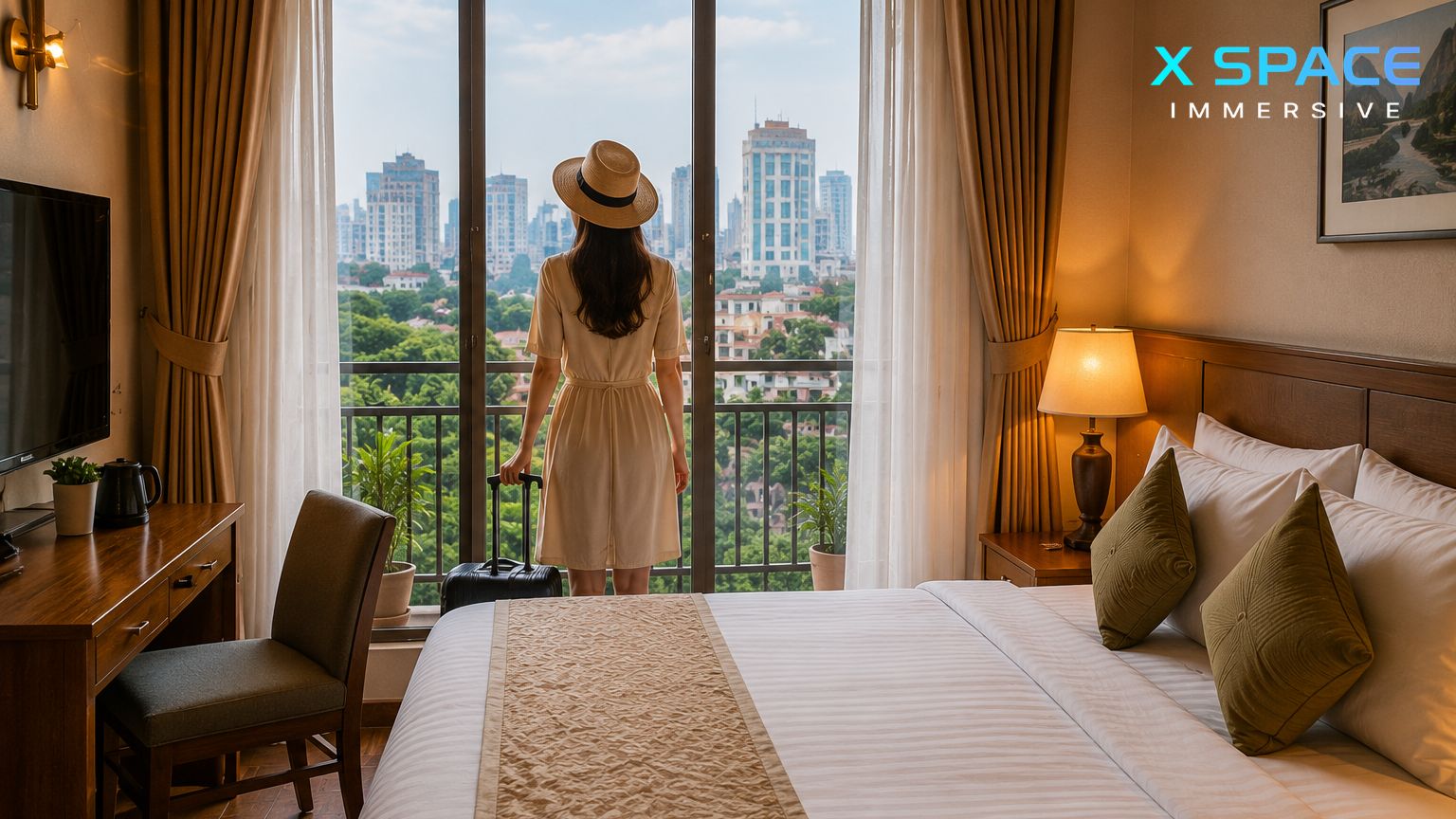
Solo female traveller staying in a comfortable hotel in Vietnam
You don’t necessarily need an expensive hotel. Instead, focus on location, reviews, security, and accessibility.
Look for accommodation that has:
- Consistently positive recent reviews.
- A convenient location.
- Secure entrances.
- Reception or staff available when you need assistance.
- Lockers or safes where appropriate.
- Easy access to restaurants, cafés, and transportation.
If you’re staying in a hostel, choose one with strong reviews from solo travellers. Female-only dorms can also be a comfortable option if you’d like to meet people while maintaining a little more privacy.
Location matters too. A beautiful, inexpensive property far from the areas you want to visit may not be worth the inconvenience if you’re regularly returning alone after dark.
A good rule is simple: choose somewhere that makes you feel comfortable coming home at the end of the day.
4. Stay Safe When Crossing Vietnam’s Busy Streets
For many visitors, Vietnam’s traffic is more intimidating than any other safety concern.
In major cities, especially Hanoi and Ho Chi Minh City, motorbikes are everywhere. Traffic can look chaotic, but it follows patterns that become easier to understand once you’ve spent some time observing it.
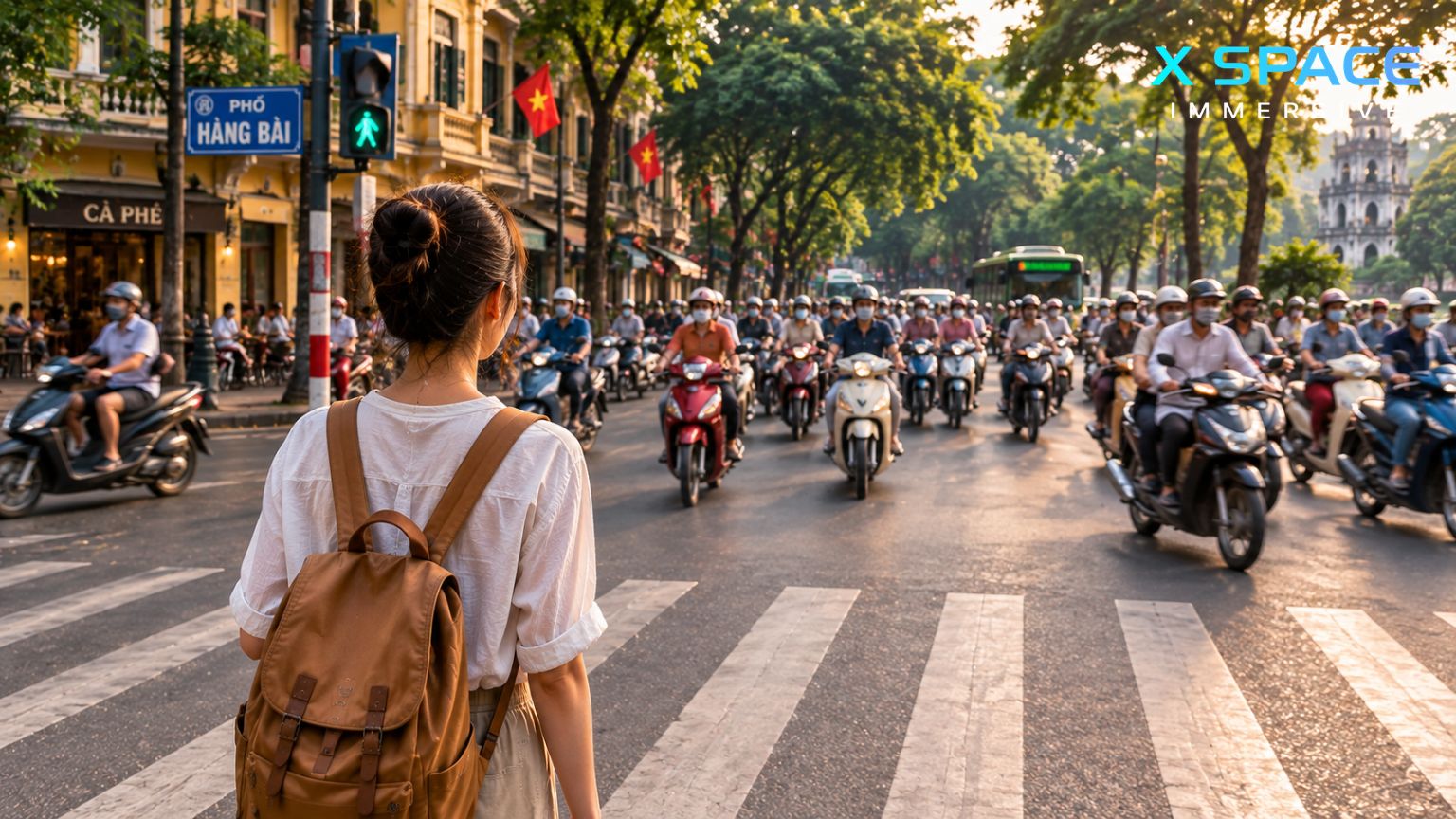
Solo female traveller crossing a busy street surrounded by motorbikes in Hanoi
When crossing a busy street:
- Look carefully in both directions.
- Wait for a reasonable gap.
- Walk steadily rather than suddenly stopping.
- Keep watching the traffic as you cross.
- Avoid using your phone while crossing.
Don’t assume that because you are on a pedestrian crossing, every vehicle will automatically stop.
If you’re nervous, watch how local pedestrians cross and follow their general rhythm.
What about renting a motorbike?
Motorbike travel can be an unforgettable part of a Vietnam trip, but it isn’t something to approach casually.
If you aren’t an experienced rider, busy urban traffic may be overwhelming. Make sure you understand local legal requirements, insurance coverage, road conditions, and your own travel insurance before renting a bike.
For many solo travellers, using taxis or ride-hailing services is a much simpler option in cities.
5. Use Taxis, Ride-Hailing Apps and Public Transport Wisely
Transportation is one of the easiest areas in which a little preparation can prevent unnecessary stress.
Before getting into a taxi, check the vehicle and driver details. If you’re using a ride-hailing app, make sure the licence plate and driver information match what appears in the application.
When travelling alone, sharing your journey details with a friend or family member can provide an additional layer of reassurance.
For longer journeys, book transportation through reputable providers rather than accepting unsolicited offers from people approaching you at stations or tourist attractions.
You don’t need to be suspicious of everyone. You simply need to be selective about whom you trust.
6. Be Smart About Nightlife and Solo Evening Activities
Vietnam has an energetic nightlife scene, from tiny neighbourhood bars to rooftop lounges, night markets, live music venues, and late-night street food.
Solo female travellers can absolutely enjoy it.
The most important principle is moderation and awareness.
If you’re drinking, keep an eye on your drink and know your limits. Keep your phone and wallet secure. Avoid accepting transportation from strangers if you are unsure where they are taking you.
Before going out, know how you plan to get back to your accommodation.
It’s also a good idea to keep your accommodation address saved on your phone, preferably in a format you can easily show to a driver.
And remember: you never owe a stranger your time, attention, or company.
If someone makes you uncomfortable, move toward a busy public place, enter a café or hotel, contact your accommodation, or arrange transportation.
Your instincts are worth listening to.
7. Respect Local Culture and Dress Appropriately
Vietnam is culturally diverse, and travellers will encounter different expectations depending on where they go.
In modern cities, everyday clothing is generally relaxed. But when visiting temples, pagodas, historical sites, or religious spaces, modest clothing is the safer and more respectful choice.
Covering shoulders and knees where appropriate is a simple way to show respect.
Beyond clothing, cultural sensitivity is about being observant.
Watch how locals behave in a particular setting. Speak respectfully. Ask before photographing people in situations where permission is appropriate. Avoid assuming that every local tradition works the same way as it does at home.
These small gestures often lead to better interactions and richer travel experiences.
8. Keep Your Money, Passport and Belongings Secure
Your passport is one of the most important things you carry, so treat it accordingly.
Keep digital copies of your passport, travel insurance, accommodation details, and important documents in a secure location. It can also be useful to have offline copies available if you lose internet access.
For everyday travel, carry only what you need.
You don’t need to walk around with all your cash, cards, and important documents at the same time. Where appropriate, keep valuables secured at your accommodation and carry a smaller amount of money for daily expenses.
Be especially careful in crowded areas.
Markets, festivals, busy streets, train stations, and public transport can be exciting precisely because they’re full of people—but that also means you should pay closer attention to your belongings.
A useful solo-travel habit is to do a quick mental check whenever you leave somewhere:
Phone. Wallet. Passport. Bag.
It takes two seconds and can save you a lot of trouble.
9. Know What to Do If Something Goes Wrong
Even experienced travellers occasionally lose a phone, miss a train, take the wrong turn, or encounter an uncomfortable situation.
The goal isn’t to eliminate every possible problem. It’s to know what you’ll do if one happens.
If you lose your passport, contact your embassy or consular representation and follow their instructions.
If you lose your phone, having important information stored securely online or offline can make recovery much easier.
If you encounter a suspicious charge or tourist scam, don’t escalate the situation unnecessarily. Move somewhere safe and seek assistance from your accommodation or an appropriate local authority.
Before travelling, share your basic itinerary with someone you trust. You don’t need to report every coffee break, but having someone know where you’re generally staying and travelling can be useful.
Travel insurance is also worth considering, particularly for longer trips or activities involving transportation, hiking, adventure sports, or other potential risks.
Preparation isn’t pessimism.
It’s freedom.
When you know you’ve prepared for the unexpected, you’re often more relaxed about enjoying the unexpected.
10. Solo Female Travel Tips for a Safer Vietnam Experience
The best safety advice is often surprisingly simple.
Trust your instincts
If a situation feels wrong, you don’t need to prove that your concern is rational.
Leave.
You can always change your plans.
Don’t overshare your itinerary
Being friendly is wonderful, but you don’t need to tell strangers exactly where you’re staying, how long you’ll be there, or whether you’re travelling alone.
Keep your phone charged
A charged phone gives you access to maps, translation, transportation, accommodation information, and communication.
A small power bank can be extremely useful on long sightseeing days.
Have internet access
A local SIM or eSIM can make navigation and ride-hailing considerably easier.
Before heading out, make sure you know how to access your accommodation details even if your connection disappears.
Learn a few Vietnamese phrases
You don’t need to become fluent.
Simple expressions such as “xin chào” (hello), “cảm ơn” (thank you), and “bao nhiêu?” (how much?) can make everyday interactions smoother and more enjoyable.
Don’t feel pressured to say yes
One of the biggest advantages of travelling solo is freedom.
You can leave a tour, decline an invitation, change a restaurant, or return to your hotel whenever you want.
You don’t have to be polite at the expense of your comfort.
Is Vietnam Safe for Solo Female Travellers? Final Verdict
So, is Vietnam safe for solo female travellers?
For most travellers, yes. Vietnam can be an incredibly rewarding destination for women travelling alone, especially when you combine curiosity with sensible precautions.
The biggest challenges you’re likely to encounter are often practical rather than extreme: navigating busy traffic, protecting your belongings, understanding prices, choosing reliable transportation, and knowing when to avoid an uncomfortable situation.
Hanoi, in particular, can be a fascinating city for solo travellers. Its energetic streets, historic neighbourhoods, cafés, markets, and food culture create countless opportunities to explore at your own pace.
But safety isn’t just about avoiding problems.
It’s also about creating the conditions that allow you to enjoy your trip.
Choose accommodation you trust. Plan your transportation. Keep your valuables secure. Stay connected. Respect local culture. And most importantly, listen to your instincts.
You don’t need to travel Vietnam nervously.
You just need to travel smartly and confidently.
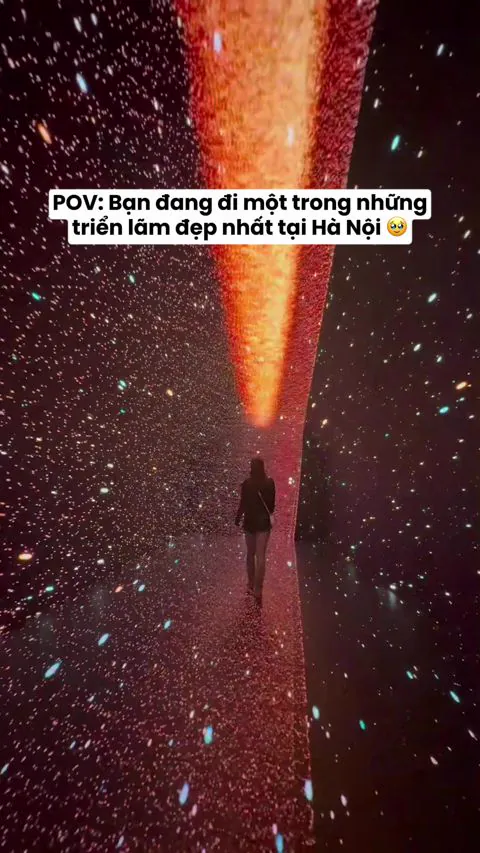
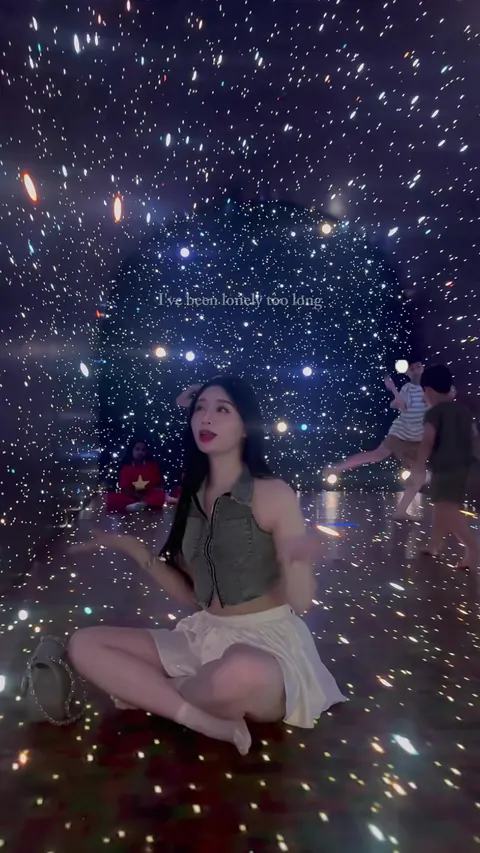
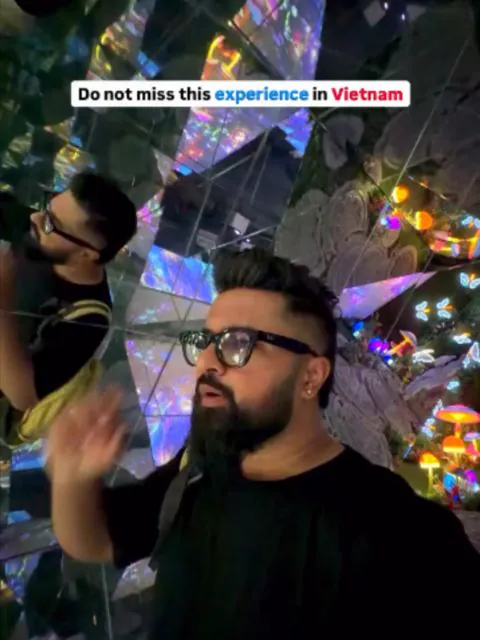
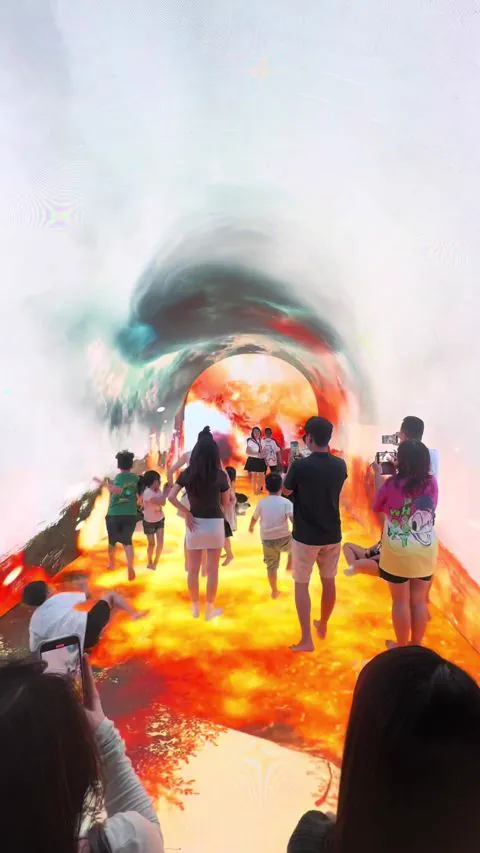
Experience X Space Immersive

Visitors enjoying the X Space Immersive experience in Hanoi
After learning about the practical side of travelling alone, it’s time to experience another side of Vietnam—the side that isn’t always captured in a guidebook.
X Space Immersive offers an opportunity to step beyond simply seeing a destination and experience it through an immersive environment designed to engage the senses and imagination.
For solo travellers, immersive experiences can be a particularly enjoyable addition to an itinerary. You can explore at your own pace, take a break from navigating busy streets, and connect with Vietnamese culture through a more engaging format.
Whether you’re beginning your journey in Hanoi or adding a cultural experience to a wider Vietnam itinerary, consider leaving some room in your schedule for experiences that allow you to slow down, look closer, and discover a different perspective of the country.
Because travelling alone isn’t simply about going somewhere by yourself.
It’s about having the freedom to decide what you want to discover, how you want to experience it, and which memories you want to take home.
And Vietnam gives you plenty of those moments to choose from.
Was this article helpful?
Thanks for your feedback!