Perfume Pagoda Vietnam: Best Time to Visit, Tips and Highlights

There are places you visit for beautiful photographs, and there are places that stay with you because of how the journey makes you feel. Perfume Pagoda belongs firmly in the second category.
Hidden among the limestone mountains and green valleys on the outskirts of Hanoi, Perfume Pagoda—known locally as Chùa Hương—is one of Vietnam’s most important spiritual destinations. But getting there is just as memorable as the temples themselves. A typical journey takes you away from Hanoi’s busy streets, onto a small boat gliding along a peaceful waterway, past dramatic karst scenery, and eventually into mountains where pagodas and sacred caves have welcomed pilgrims for generations.
For international travelers, Vietnam Perfume Pagoda offers something quite different from Hanoi’s museums, cafés, markets, and Old Quarter streets. It is a chance to experience Vietnamese Buddhism, pilgrimage traditions, nature, and local life within a single day trip.
So, when is the best time to go? How do you reach Perfume Pagoda from Hanoi? What should you see, wear, and prepare? And perhaps most importantly, is Perfume Pagoda worth visiting?
This guide covers everything you need to know before planning your journey.
In this guide
What Is Perfume Pagoda in Vietnam?
Despite its name, Perfume Pagoda is not simply one pagoda.
It is a large spiritual complex spread across a mountainous landscape in Hanoi’s My Duc area. The complex includes Buddhist temples, shrines, natural caves, walking trails, and religious sites surrounded by limestone formations and lush vegetation.
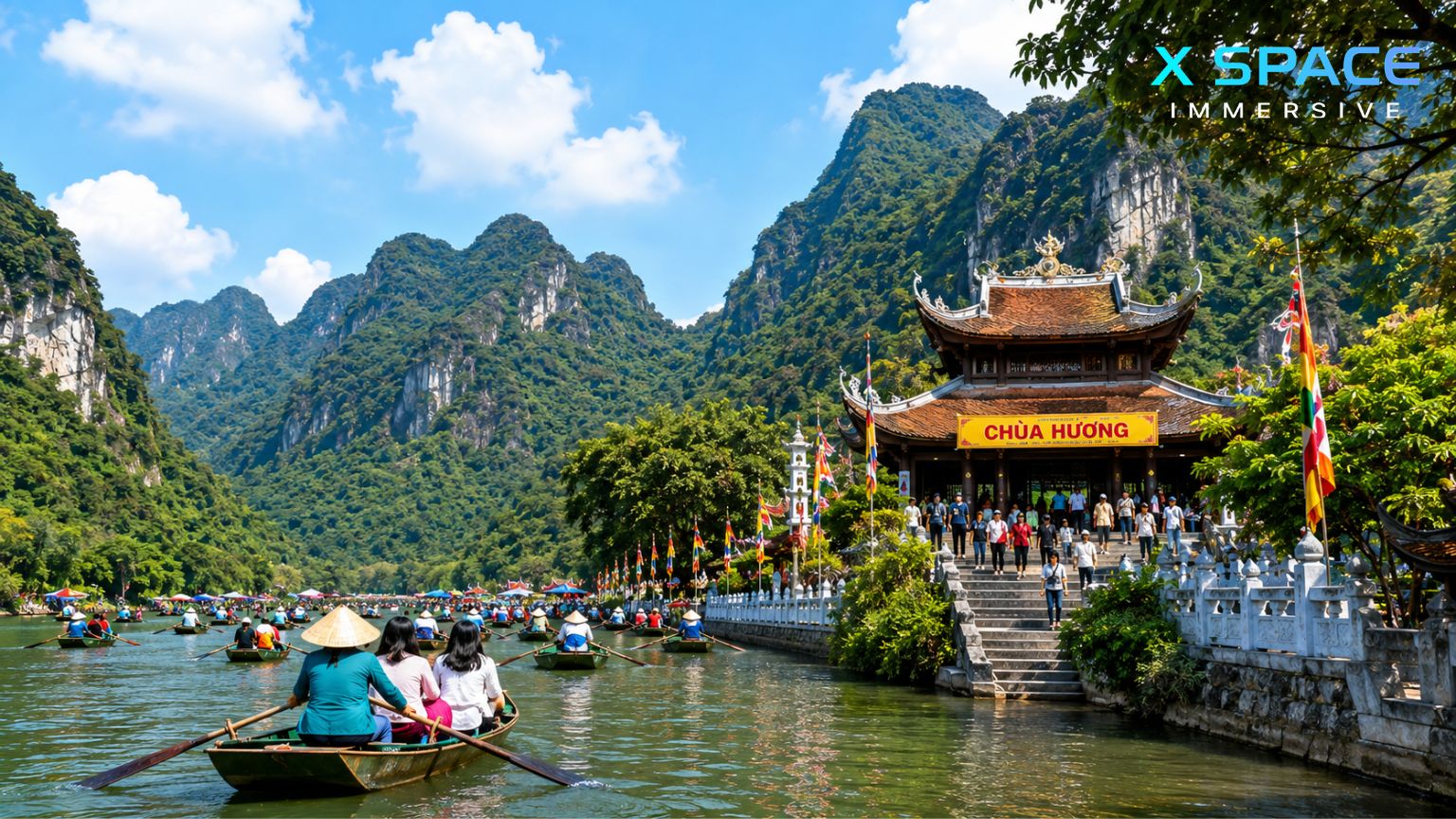
Perfume Pagoda Vietnam surrounded by limestone mountains
For Vietnamese people, Chùa Hương has long been associated with pilgrimage, prayer, and Buddhist traditions. Every year, especially during the festival season after Lunar New Year, large numbers of pilgrims travel here to pray for health, happiness, prosperity, and good fortune.
For travelers, however, the attraction goes beyond religion.
The journey combines several distinct experiences: traveling through the countryside outside Hanoi, taking a traditional boat ride, visiting historic religious sites, climbing through mountain scenery, and entering Huong Tich Cave—the spiritual heart of the complex.
Spanish-speaking travelers may also encounter the names pagoda del perfume or pagoda del perfume Vietnam while researching the destination. These names refer to the same famous Vietnamese attraction: Perfume Pagoda, or Chùa Hương.
Where Is Perfume Pagoda Located?
Perfume Pagoda is located in My Duc, on the outskirts of Hanoi. Although administratively part of Hanoi, the landscape feels far removed from the capital’s dense urban center.
Instead of motorbikes, narrow streets, and modern buildings, visitors are greeted by waterways, villages, limestone mountains, and peaceful stretches of countryside.
This contrast is one reason Hanoi Perfume Pagoda has become an appealing day-trip option. You do not need to travel to another distant province to experience a dramatically different side of northern Vietnam.
The journey from central Hanoi generally takes a couple of hours depending on traffic, transportation, and your exact departure point. Because reaching the main religious sites involves additional travel by boat and on foot or cable car, it is wise to dedicate most of a day to the experience.
Why Is Perfume Pagoda Famous?
The appeal of Perfume Pagoda Hanoi comes from the combination of spirituality and landscape.
For many Vietnamese visitors, Chùa Hương is first and foremost a sacred pilgrimage destination. The temples and caves are places of worship rather than simply tourist attractions.
For international visitors, the setting adds another dimension.
The journey traditionally includes a boat ride along Yen Stream, where small boats move quietly between limestone hills and vegetation. From there, visitors continue toward important sites such as Thien Tru Pagoda before making their way up the mountain to Huong Tich Cave.
During the Perfume Pagoda Festival, the entire area becomes especially lively. Pilgrims, families, vendors, boats, and religious activities transform the normally tranquil landscape into one of northern Vietnam’s most distinctive cultural gatherings.
Best Time to Visit Perfume Pagoda
There is no single perfect month for everyone.
The best time to visit Perfume Pagoda depends largely on what kind of experience you want. Travelers interested in religious culture may enjoy the energy of festival season, while those hoping for peaceful scenery may prefer a quieter period.
Weather, crowds, and local holidays can all make a noticeable difference.
Perfume Pagoda During Festival Season
The Perfume Pagoda Festival takes place around the period following Lunar New Year and attracts large numbers of pilgrims.
This is when Chùa Hương feels most spiritually and culturally alive.
You may see families carrying offerings, worshippers praying inside temples and caves, incense smoke drifting through religious spaces, and boats continuously traveling along the waterway.
For photographers and travelers interested in Vietnamese traditions, the festival can be fascinating.
But there is an important trade-off: crowds.
Popular sections of the complex can become extremely busy during peak periods. Boat landings, paths, cable cars, restaurants, and sacred sites may all be crowded.
If experiencing a major Vietnamese pilgrimage is your priority, this atmosphere may be part of the attraction. If your idea of Perfume Pagoda involves silent mountains and a peaceful boat ride, consider visiting outside the busiest festival days.
Best Months for Pleasant Weather and Fewer Crowds
Outside peak festival periods, Perfume Pagoda can feel surprisingly different.
With fewer pilgrims, it becomes easier to appreciate the natural landscape, take photographs, walk at your own pace, and spend more time observing the details of temples and caves.
Spring can bring lush scenery, although humidity and rain are possible. Autumn is another attractive period for exploring Hanoi and its surrounding countryside thanks to generally more comfortable conditions.
Northern Vietnam’s weather can vary considerably, so checking the forecast shortly before your trip is always sensible.
Rather than choosing a date based solely on temperature, consider three factors together: weather, crowds, and visibility.
That combination often matters more than finding a supposedly “perfect” month.
What Time of Day Should You Visit?
Start early.
A trip to Perfume Pagoda from Hanoi involves several stages, and each one takes time. There is the road journey from central Hanoi, the boat trip, walking between attractions, visiting temples, and potentially taking a cable car or hiking toward Huong Tich Cave.
Leaving Hanoi early in the morning gives you more flexibility.
You can enjoy the destination without constantly checking the clock, take breaks when needed, and allow extra time for traffic or queues.
An early departure is particularly valuable during weekends, holidays, and festival season.
How to Get to Perfume Pagoda from Hanoi
Visiting Perfume Pagoda from Hanoi is possible as a day trip, which makes it convenient for travelers staying in the capital for several days.
However, unlike attractions within central Hanoi, getting there involves more than simply calling a taxi to the temple entrance.
The road journey takes you to the wider Perfume Pagoda area. From there, visitors typically continue by boat before reaching the main walking routes and religious sites.
How Far Is Perfume Pagoda from Hanoi?
Perfume Pagoda is roughly 60 kilometers southwest of central Hanoi, although the exact distance depends on your starting point and route.
Expect the road journey to take around two hours in typical conditions, but traffic can extend travel times.
This means a complete Hanoi Perfume Pagoda trip should usually be treated as a full-day excursion rather than a quick half-day attraction.
Allowing extra time also makes the experience more enjoyable. Chùa Hương is a place where the journey itself matters, so rushing from one landmark to another can take away much of its charm.
Getting to Perfume Pagoda by Private Car or Taxi
Private transportation offers flexibility.
You can choose your departure time, stop when necessary, and return to Hanoi according to your own schedule.
This can be especially convenient for families, small groups, photographers carrying equipment, or travelers who prefer a more comfortable journey.
The main consideration is planning.
Because visiting Perfume Pagoda involves road transportation plus local boat travel and movement within the complex, make sure you understand where your driver will drop you off and where you will meet again.
Visiting Perfume Pagoda on a Day Tour from Hanoi
For first-time visitors to Vietnam, an organized day tour can simplify the experience.
Tours commonly arrange transportation from Hanoi and help coordinate the various stages of the visit. Depending on the package, this may include the boat ride, entrance arrangements, meals, a guide, and visits to major attractions.
The biggest advantage is convenience.
Instead of working out each part of the Perfume Pagoda from Hanoi journey independently, you can focus on the destination itself.
Before booking, check exactly what is included, particularly entrance tickets, boat fees, cable-car tickets, meals, and hotel transfers.
Can You Visit Perfume Pagoda Independently?
Yes.
Independent travel offers greater freedom and can be rewarding for visitors comfortable navigating Vietnam without a tour.
However, research the journey beforehand and leave enough time for each stage.
Transporting yourself to the area is only the beginning. You will still need to arrange the boat section and decide how you want to explore the mountain attractions.
If this is your first trip to Vietnam and you have limited time, a guided tour or private transfer may be easier. Experienced independent travelers may enjoy having more control over their itinerary.
Top Highlights of Vietnam Perfume Pagoda
What makes Vietnam Perfume Pagoda memorable is not one single monument. It is the sequence of experiences that gradually takes you deeper into the landscape.
Here are the highlights you should not miss.
Yen Stream – The Scenic Gateway to Perfume Pagoda
For many travelers, the boat ride along Yen Stream is one of the most beautiful parts of the entire day.
Small boats carry visitors through a landscape framed by greenery and limestone formations. Away from Hanoi’s traffic, the pace suddenly becomes slower.
There is something wonderfully simple about this part of the journey.
You sit close to the water, watch the mountains pass by, and realize that reaching Perfume Pagoda is not supposed to be instantaneous. The landscape is part of the pilgrimage.
On quieter days, the journey can feel wonderfully peaceful. During festival season, it becomes a very different experience, with numerous boats carrying pilgrims along the same route.
Both have their own character.
Thien Tru Pagoda – The Heavenly Kitchen Pagoda
Thien Tru Pagoda is one of the major religious sites within the Perfume Pagoda complex.
Surrounded by mountain scenery, it offers visitors a chance to appreciate traditional Buddhist architecture and observe religious practices more closely.
Take your time here.
Look beyond the obvious photo opportunities and notice the courtyards, roofs, incense, statues, and relationship between the buildings and surrounding landscape.
Remember that Thien Tru remains a place of worship. Keep your voice low, dress respectfully, and avoid disrupting people who are praying.
Huong Tich Cave – The Spiritual Heart of Perfume Pagoda
If there is one place that defines the spiritual identity of Perfume Pagoda, it is Huong Tich Cave.
Reaching the cave creates a sense of progression: from city to countryside, from road to river, and eventually from open mountain scenery into a natural cavern used as a sacred space.
Descending into the cave can feel like entering another world.
The cooler air, rock formations, religious imagery, incense, and natural darkness create an atmosphere very different from a conventional temple.
For pilgrims, Huong Tich is a deeply meaningful destination. For travelers, it demonstrates beautifully how Vietnamese spiritual traditions can become intertwined with the natural landscape.
Cable Car or Hiking to Huong Tich Cave?
Visitors generally have two ways to tackle part of the mountain journey: hiking or using the cable car where available.
Hiking offers a more physical and traditional experience.
If you enjoy walking and have enough time, climbing through the mountain landscape can make reaching the sacred sites feel more rewarding.
The cable car is more practical for travelers with limited time or those who want to conserve energy.
Neither option is inherently better.
Choose based on your fitness, weather conditions, available time, and how you want to experience the day.
What to Expect When Visiting Perfume Pagoda Hanoi
Knowing what to expect makes a Perfume Pagoda Hanoi trip considerably easier.
This is not a polished urban attraction where everything is located within one compact building. You will be moving between different environments, including roads, boats, temples, paths, stairs, and caves.
A little preparation goes a long way.
How Long Does a Perfume Pagoda Trip Take?
For most international visitors traveling from central Hanoi, a full day is the most comfortable option.
The journey includes approximately two hours of road travel each way depending on conditions, plus the boat ride and time exploring the complex.
Trying to squeeze everything into a short window can make the day feel unnecessarily rushed.
If you are building a Hanoi itinerary, reserve one day for Perfume Pagoda rather than placing another major attraction immediately afterward.
Entrance Fees, Boat Rides and Cable Car
A visit may involve several separate costs, including admission, boat transportation, and cable-car tickets.
Prices and ticketing arrangements can change, particularly over time or during different operating periods. Check current official or reputable local information shortly before visiting rather than relying on an old travel blog.
If you join a tour, confirm which fees are included.
Having some Vietnamese cash available can also be useful for smaller purchases, food, drinks, or local services.
What to Wear at Perfume Pagoda
Comfort and respect should guide your clothing choices.
Because Perfume Pagoda is an active religious site, avoid clothing that is overly revealing when entering temples and sacred spaces. Lightweight, modest clothing works well for most travelers.
Comfortable shoes are equally important.
Even if you plan to use the cable car, expect some walking and stairs. Surfaces can also become slippery after rain.
Depending on the season, bring sun protection, a light rain layer, or an additional layer for cooler weather.
Food and Local Specialties
Food stalls and restaurants can be found around parts of the tourist and pilgrimage area, particularly during busy periods.
Trying local dishes can add another layer to your visit, but choose places that appear clean and busy if food hygiene is a concern.
Travelers with dietary restrictions should prepare accordingly. Bringing a few snacks can be useful, especially if you are unsure whether suitable options will be readily available.
Essential Tips for Visiting Perfume Pagoda
A little planning can transform a good trip into a much smoother one.
Start Your Journey Early
This is perhaps the simplest and most useful tip.
Leaving Hanoi early gives you more time at Perfume Pagoda, reduces the pressure of the return journey, and may help you avoid some of the busiest periods.
During festival season, an early start becomes even more important.
Bring Comfortable Shoes and Light Essentials
Pack for movement rather than for a city sightseeing day.
Comfortable shoes should be your priority. Carry drinking water, sunscreen, weather protection, and only the essentials you genuinely need.
A lighter bag makes the boat ride and mountain sections much more comfortable.
Respect Local Religious Customs
Perfume Pagoda is a tourist destination, but it is also a sacred place.
Avoid speaking loudly inside worship areas. Do not touch religious objects unless it is clearly permitted, and be considerate when photographing worshippers.
If you are unsure whether photography is appropriate in a particular area, look for signs or ask first.
These small gestures of respect make the experience better for both visitors and the people who come here to worship.
Avoid Peak Crowds If You Prefer a Peaceful Experience
The images you see of a serene Vietnam Perfume Pagoda surrounded by mountains can be accurate—but they do not necessarily represent festival season.
If tranquility matters to you, travel outside peak pilgrimage dates and consider visiting on a weekday.
The quieter atmosphere allows you to notice details that can easily disappear amid large crowds.
Is Perfume Pagoda Worth Visiting?
Yes, Perfume Pagoda is worth visiting for travelers interested in Vietnamese culture, spiritual traditions, natural landscapes, and experiences beyond central Hanoi.
But it will not suit every itinerary.
The biggest appeal is the combination of experiences. You are not traveling two hours merely to photograph one temple. The road through the countryside, boat journey, mountain landscape, religious architecture, and Huong Tich Cave all contribute to the day.
For travelers who have already explored Hanoi’s Old Quarter and major urban attractions, Perfume Pagoda from Hanoi provides a refreshing contrast.
Who Should Visit Perfume Pagoda?
You are likely to enjoy Perfume Pagoda if you love cultural travel, photography, nature, religious heritage, or slower journeys where getting somewhere is part of the experience.
It is particularly interesting for visitors who want to understand Vietnam beyond its most famous urban landmarks.
The destination also works well for travelers who enjoy combining sightseeing with some gentle physical activity.
Who Might Want to Skip It?
If you only have one or two days in Hanoi, dedicating most of a day to Hanoi Perfume Pagoda may not be the best use of your limited time.
Travelers who strongly dislike crowds should also avoid peak festival dates.
Likewise, if mobility is a concern, research the accessibility of your planned route carefully before traveling. Boats, stairs, uneven surfaces, and mountain terrain can make some parts of the experience challenging.
Suggested Perfume Pagoda One-Day Itinerary from Hanoi
A relaxed full-day itinerary allows you to experience the main highlights without turning your visit into a race.
Morning – Hanoi to Yen Stream
Leave central Hanoi early in the morning and travel toward My Duc.
As the city disappears behind you, watch the landscape gradually shift toward villages, agricultural areas, waterways, and limestone hills.
After arriving at the boat departure area, continue along Yen Stream.
Rather than treating this simply as transportation, enjoy it as the first major experience of the day.
The slower rhythm provides a welcome contrast to Hanoi.
Midday – Thien Tru Pagoda and Huong Tich Cave
After the boat journey, explore Thien Tru Pagoda and take time to appreciate the religious setting.
Stop for lunch before continuing toward Huong Tich Cave.
Depending on your preferences and the day’s conditions, hike or use the cable car for part of the mountain journey.
Spend enough time at Huong Tich to experience the cave rather than simply taking a photograph and immediately leaving.
Afternoon – Return to Hanoi
Begin making your way back during the afternoon, allowing plenty of time for the boat journey and road transfer.
You will usually arrive back in Hanoi in the evening, depending on traffic and your schedule.
Keep the evening relatively flexible. After a full Perfume Pagoda Hanoi day trip, a relaxed dinner in the city will probably sound much more appealing than another packed sightseeing schedule.
Perfume Pagoda FAQs
Where Is Perfume Pagoda in Vietnam?
Perfume Pagoda is located in the My Duc area of Hanoi, Vietnam, around 60 kilometers southwest of central Hanoi. Known locally as Chùa Hương, it is a large Buddhist complex surrounded by limestone mountains, waterways, temples, and caves.
How Far Is Perfume Pagoda from Hanoi?
Perfume Pagoda is approximately 60 kilometers from central Hanoi. Road travel commonly takes around two hours each way, depending on traffic and your departure point. Visitors then continue by boat before exploring the main religious sites.
What Is the Best Time to Visit Perfume Pagoda?
The best time depends on your priorities. Visit during the festival period if you want to experience a major Vietnamese pilgrimage atmosphere. For a quieter journey with fewer crowds, consider traveling outside peak festival dates and choosing a weekday.
Can You Visit Perfume Pagoda in One Day from Hanoi?
Yes. A Perfume Pagoda from Hanoi day trip is entirely possible and is one of the most common ways international travelers visit. Leave early in the morning and reserve the entire day so you have enough time for transportation, the boat journey, temples, and Huong Tich Cave.
Is Perfume Pagoda Worth Visiting?
Yes, particularly if you are interested in Vietnamese spirituality, Buddhist heritage, limestone scenery, and local culture. It offers a noticeably different experience from central Hanoi and combines nature, religious heritage, and traditional transportation in one journey.
Is Pagoda del Perfume Vietnam the Same as Perfume Pagoda?
Yes. Pagoda del perfume is the Spanish name commonly used for Perfume Pagoda. Searches for pagoda del perfume Vietnam therefore refer to the same destination known in Vietnamese as Chùa Hương, one of the country’s best-known Buddhist pilgrimage complexes.
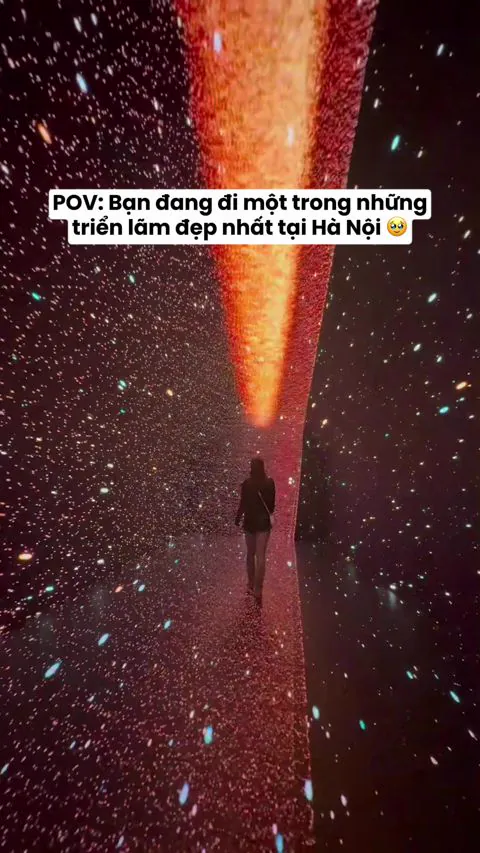
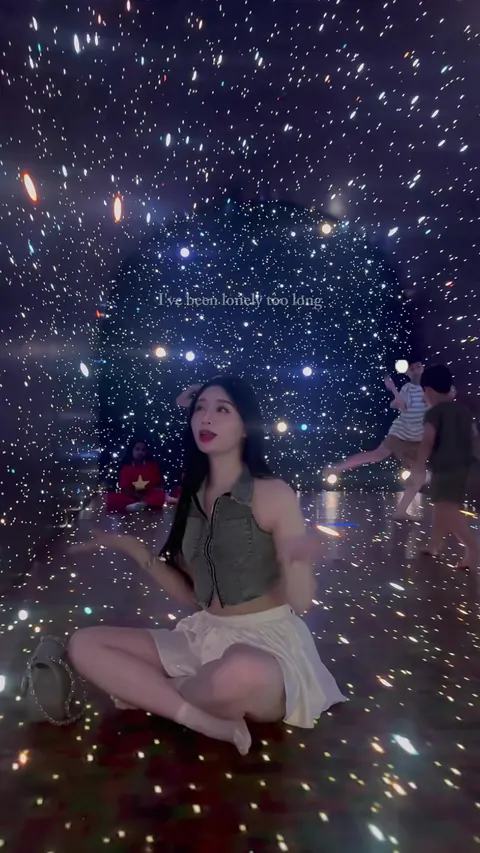
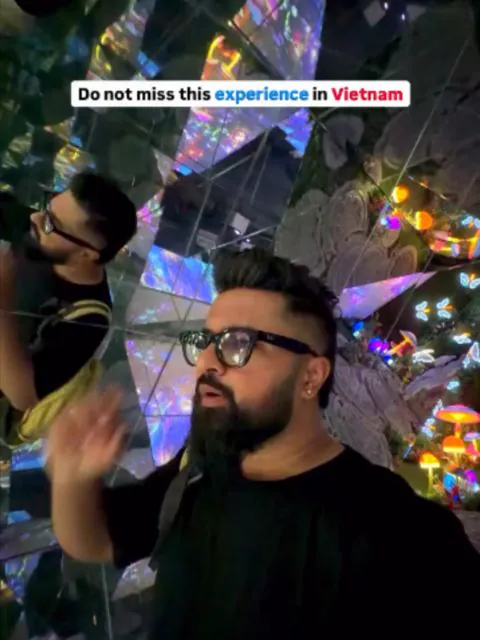
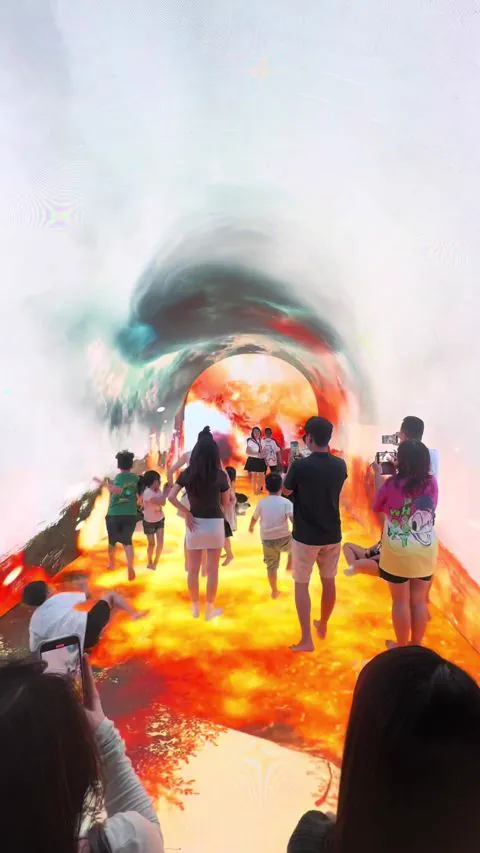
Experience X Space Immersive – Discover Vietnam Beyond Perfume Pagoda

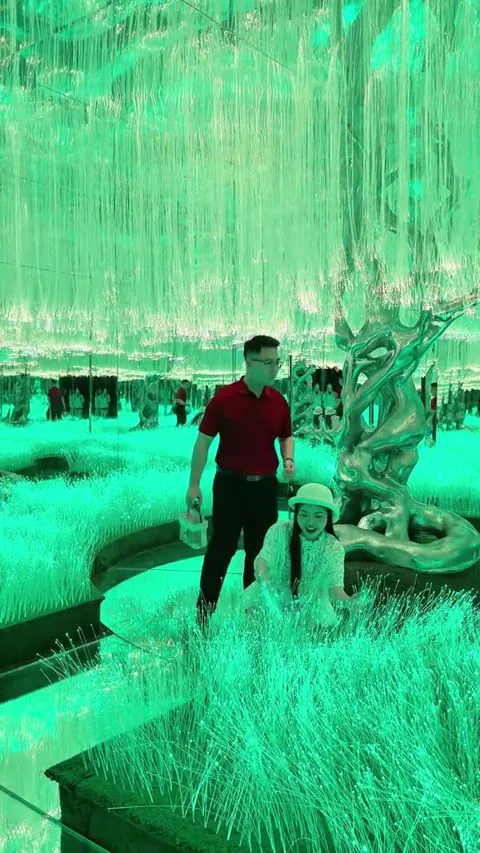
Visitors enjoying the X Space Immersive experience in Hanoi
A journey through Perfume Pagoda reveals Vietnam through mountains, sacred caves, centuries-old traditions, and the quiet rhythm of pilgrimage. But the country’s cultural story does not end when your boat reaches the shore.
Back in Hanoi, there are other ways to continue exploring Vietnam—this time through a more contemporary lens.
X Space Immersive offers a different kind of cultural journey, where immersive storytelling and technology come together to transform the way visitors engage with stories, spaces, and experiences.
The contrast can make the two experiences especially interesting when combined.
At Perfume Pagoda, you physically move through the landscape: traveling across water, walking into the mountains, entering sacred spaces, and observing traditions that remain part of Vietnamese life.
At X Space Immersive, the journey shifts from the physical landscape to an immersive environment, opening another way to connect with stories through visual, spatial, and sensory experiences.
For international travelers, this combination can offer a broader perspective on Hanoi.
One day might begin with the gentle movement of a boat along Yen Stream and lead you deep into the spiritual atmosphere of Huong Tich Cave. Another experience can bring you into a contemporary space where technology changes how stories are seen, heard, and felt.
Together, they reveal two different faces of Vietnam: one rooted in living heritage and spiritual tradition, the other shaped by creativity and immersive technology.
So after discovering the mountains, temples, and sacred atmosphere of Vietnam Perfume Pagoda, consider making room in your Hanoi itinerary for something completely different.
Experience X Space Immersive and continue your journey through Vietnam—beyond the places you see, into the stories you can experience.
Was this article helpful?
Thanks for your feedback!