Phung Hung Mural Street: A Must-See Art Spot in Hanoi Old Quarter
Hanoi is a city that rarely reveals itself all at once. Its charm often appears in small details: the faded yellow walls of an old house, the aroma of coffee drifting from a narrow café, the sound of motorbikes weaving through historic streets, or a quiet corner where the past suddenly feels close enough to touch.
Phung Hung Mural Street is one of those corners.
Located near the heart of Hanoi Old Quarter, this colorful street offers a refreshing way to discover the capital beyond its famous temples, lakes, and bustling markets. Here, paintings inspired by old Hanoi fill the spaces beneath historic railway arches, transforming an ordinary urban passage into an open-air gallery.
The murals are more than colorful backgrounds for photographs. Many evoke memories of Hanoi from another era: street vendors, traditional celebrations, familiar neighborhood scenes, old transportation, and the rhythm of daily life that has shaped the city for generations.
For first-time visitors, photographers, couples, families, and anyone curious about Hanoi’s artistic side, Phung Hung Mural Street Hanoi can be a delightful addition to an Old Quarter itinerary.
Here is everything you need to know before you visit, from what to see and when to go to practical Phung Hung Mural Street directions and ideas for continuing your art journey in Hanoi.
In this guide
What Is Phung Hung Mural Street Hanoi?
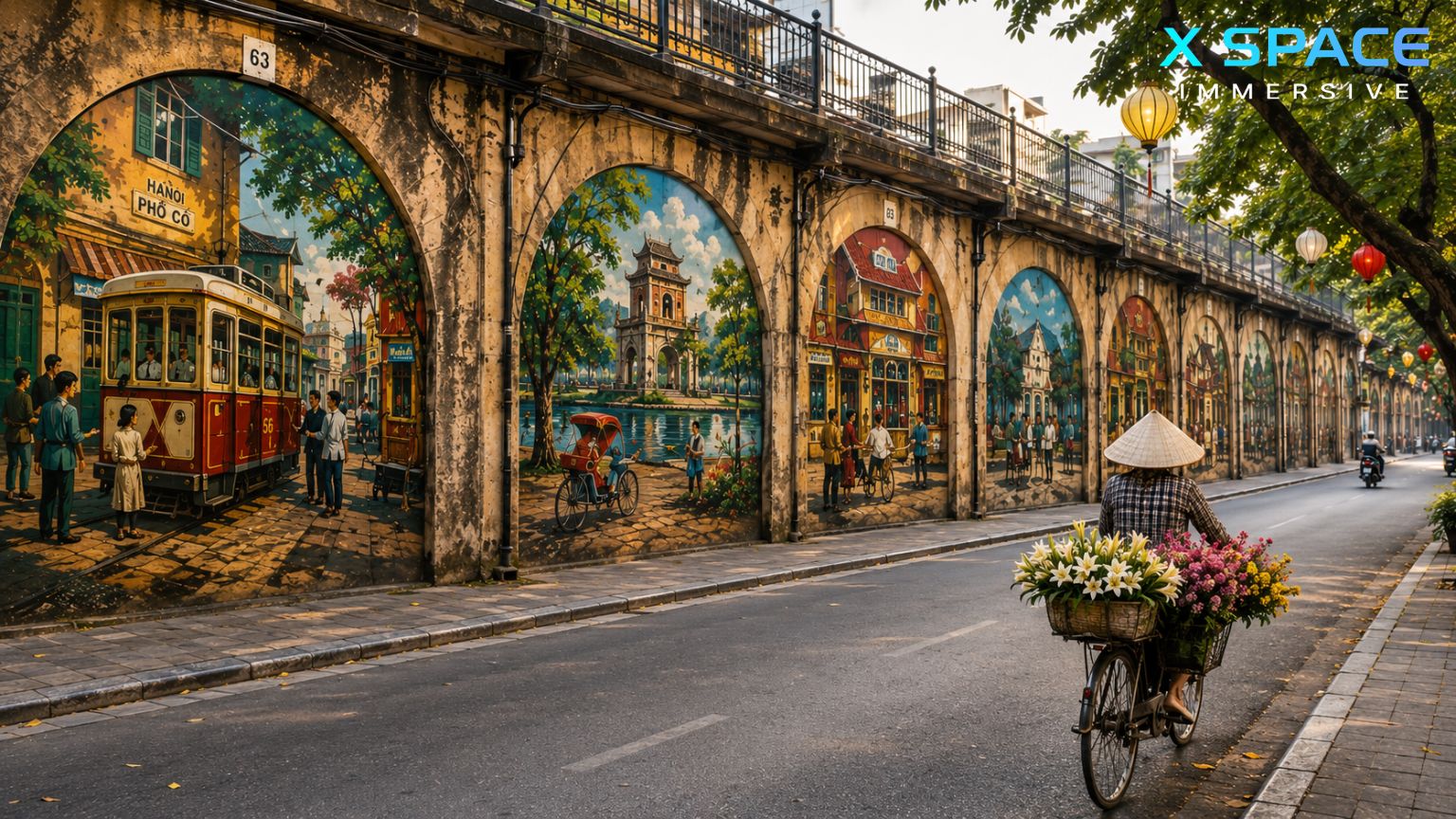
Phung Hung Mural Street Hanoi with colorful murals under historic railway arches
Phung Hung Mural Street is a public art space along Phung Hung Street, close to Hanoi Old Quarter. It is best known for murals created around the historic railway viaduct arches, where scenes inspired by Hanoi’s culture and memories turn the streetscape into a visual story.
Instead of entering a conventional museum and moving from one framed artwork to another, visitors can experience the art as part of the city itself.
People walk past. Motorbikes hum nearby. Local residents continue with their day. Old architecture surrounds contemporary paintings. This interaction between art and everyday life gives the street much of its character.
The experience is also wonderfully uncomplicated. You do not need to understand art history to appreciate it. You can simply walk, observe, photograph, and notice how the murals echo the real streets around you.
For travelers who have already explored Hanoi’s temples and historic buildings, Phung Hung Mural Street offers another perspective: history interpreted through accessible public art.
The Story Behind Phung Hung Mural Street
The mural project was created as a cultural collaboration involving Vietnamese and Korean artists, with the goal of revitalizing the spaces around the old railway arches while celebrating Hanoi’s heritage.
Rather than choosing abstract imagery disconnected from the neighborhood, many works look toward the city’s collective memory.
The murals portray scenes associated with Hanoi in earlier decades: local people, familiar modes of transportation, traditional celebrations, street vendors, old shops, and moments from ordinary urban life.
That choice matters.
Hanoi has changed dramatically over the years, but traces of its past remain everywhere. A century-old building may sit beside a contemporary café. A modern fashion store may share a street with a vendor carrying goods in baskets. Electric vehicles and motorbikes pass neighborhoods that have existed for generations.
The paintings on Phung Hung Street reflect that dialogue between old and new.
For older residents, some images may evoke nostalgia. For international travelers, they provide an accessible introduction to aspects of Hanoi’s history that might otherwise be difficult to recognize during a short visit.
Why Is Phung Hung Mural Street Famous?
Part of the appeal lies in its simplicity.
Phung Hung Mural Street Hanoi is not a monumental attraction requiring hours of sightseeing. Instead, it offers a compact cultural experience that can easily fit into a morning or afternoon exploring the Old Quarter.
Its colorful paintings have also made the area popular for photography. The combination of large murals, repeating arches, weathered architecture, and street life creates interesting compositions that feel distinctly Hanoi.
Yet the most memorable quality may be the relationship between the paintings and their surroundings.
At certain points, the boundary between artwork and reality almost seems to disappear. Painted streets continue into real streets. Historic scenes sit against historic architecture. People walk through spaces depicting people from another generation.
It is this quiet visual conversation that makes the street more meaningful than a collection of colorful walls.
Where Is Phung Hung Mural Street in Hanoi?
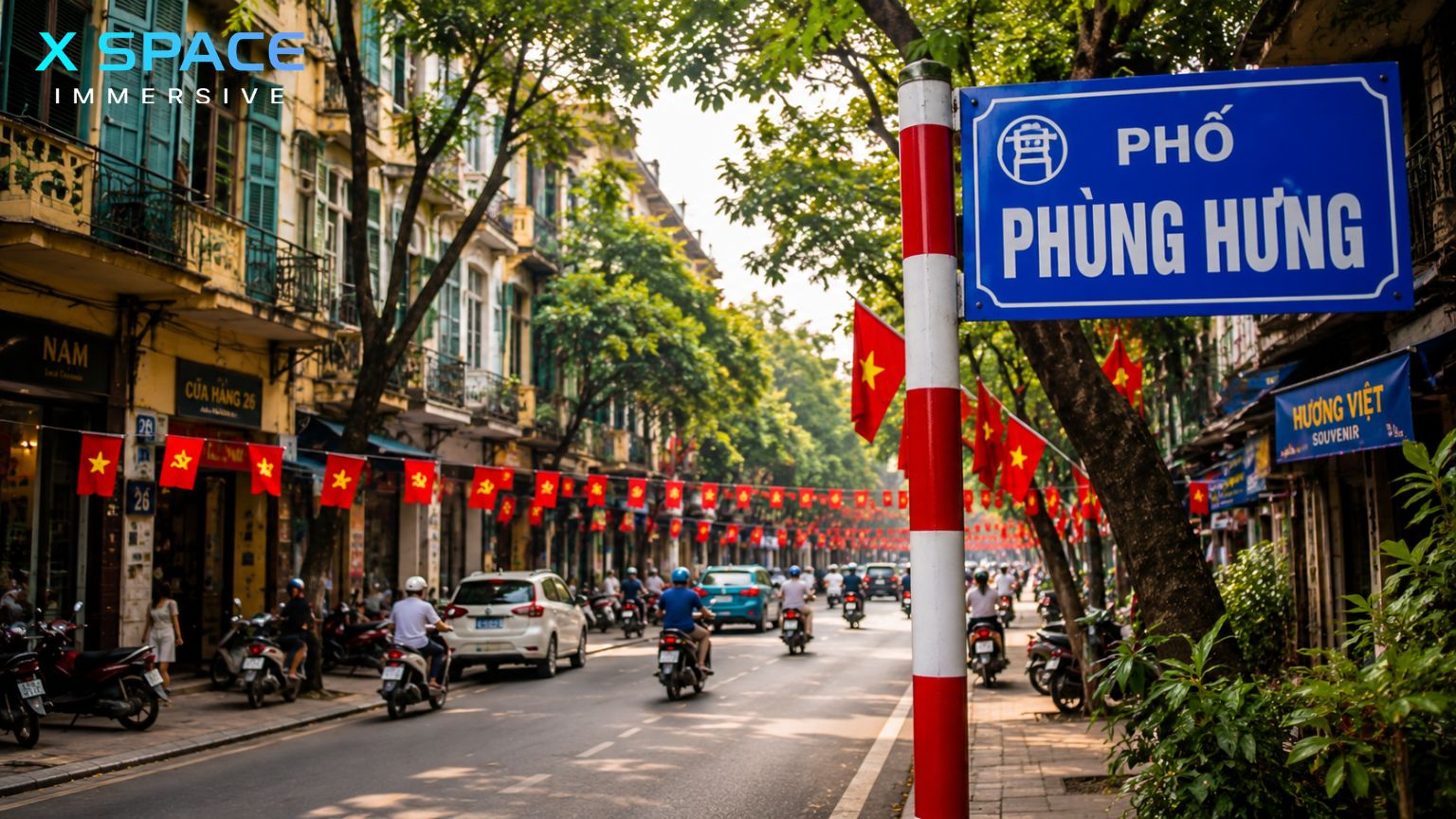
Phung Hung Mural Street directions with Phung Hung Street sign in Hanoi Old Quarter
Phung Hung Mural Street is located along Phung Hung Street in Hoan Kiem District, on the western side of Hanoi Old Quarter.
Its central location is one of its greatest advantages.
Rather than planning an entire day around the attraction, you can easily incorporate it into a walking route through the historic center. Depending on your itinerary, the mural street can be combined with areas around Hoan Kiem Lake, Dong Xuan Market, the Old Quarter, Hanoi’s historic gates, cafés, food streets, and other cultural attractions.
If you enjoy exploring cities on foot, reaching Phung Hung Street can become part of the experience itself.
The surrounding neighborhoods offer exactly the kind of visual details that make Hanoi fascinating: narrow houses, local shops, balconies overflowing with plants, small restaurants, street vendors, scooters, and glimpses of everyday life.
Phung Hung Mural Street Directions
For most travelers staying in or around Hanoi Old Quarter, reaching the murals is relatively straightforward.
When searching for Phung Hung Mural Street directions, use Phung Hung Street in Hoan Kiem District as your destination and check your map for the section featuring the railway arches and mural artworks.
Walking is often the most enjoyable option if you are already in the Old Quarter. It allows you to explore smaller streets and stop whenever something catches your attention.
A taxi or ride-hailing service can be more convenient if you are coming from another district, traveling with young children, or visiting during hot or rainy weather. Because traffic conditions in central Hanoi can change considerably throughout the day, travel times may vary.
Public transportation may also be possible depending on your starting point, but visitors unfamiliar with Hanoi often find walking or ride-hailing easier for a short city-center journey.
Whichever option you choose, check current navigation information before leaving, as access conditions, traffic arrangements, and pedestrian routes can change.
How to Get There from Hoan Kiem Lake
Hoan Kiem Lake is a useful reference point for many first-time visitors because it sits at the center of a large number of Hanoi itineraries.
From the lake area, Phung Hung Street can generally be reached on foot through the Old Quarter.
Rather than treating the journey as simply transportation from A to B, consider making it part of your sightseeing.
Walk slowly through the historic streets. Notice the changing storefronts, stop for Vietnamese coffee, browse local shops, and observe the architecture along the way.
This approach transforms a visit to Phung Hung Mural Street into a broader Old Quarter experience.
If walking is not convenient, a taxi or ride-hailing service provides an easy alternative. Always check a live map for the most suitable route at the time of your visit.
What to See at Phung Hung Mural Street
The best way to explore Phung Hung Mural Street is not to rush.
At first glance, it may seem like a simple sequence of painted walls. Spend a little more time, however, and details begin to emerge.
Some artworks are nostalgic. Others are playful. Several use perspective and architectural elements to create the illusion of depth, making the painted world appear to extend beyond the wall.
Together, they form an open-air visual narrative about Hanoi and its people.
Murals That Bring Old Hanoi to Life
One of the most interesting themes along the street is everyday life.
Instead of focusing only on grand historical events, the murals often celebrate ordinary scenes and familiar memories. These may include old forms of transportation, traditional shops, street vendors, local neighborhoods, celebrations, and moments of community life.
For visitors, these images provide a useful reminder that the identity of a city is not created only by famous monuments.
It is also created by people buying breakfast in the morning, neighbors talking outside their homes, children playing, vendors moving through streets, and families maintaining traditions over generations.
This human scale makes the artwork approachable.
Even if you know little about Hanoi before arriving, you can look at the paintings and begin asking questions about how the city once looked and how people lived.
The Historic Railway Arches
The architecture surrounding the paintings is almost as important as the murals themselves.
The railway viaduct arches give the street a strong visual rhythm. Their repeated shapes create natural frames for the artworks while reminding visitors of Hanoi’s layered urban history.
This combination of old infrastructure and contemporary creative expression gives the area its distinctive identity.
Rather than hiding the existing architecture, the project works with it.
As you walk along the street, pay attention to the textures around the murals: aged surfaces, brickwork, railway structures, doors, pavement, and neighboring buildings.
These imperfections prevent the area from feeling like a polished gallery.
It remains unmistakably part of Hanoi.
Best Photo Spots at Phung Hung Mural Street
For photographers and content creators, Phung Hung Mural Street Hanoi offers plenty of opportunities.
Some murals work beautifully as wide backgrounds, while others contain architectural or perspective elements that can interact with a person standing in front of them.
Try stepping farther away rather than photographing every mural directly from the front. Including part of the street, arches, pavement, or surrounding architecture can create a stronger sense of place.
For portraits, look for artwork with clear shapes and enough negative space around the subject. If the background is already visually busy, simple clothing can help the person stand out.
Natural expressions usually suit the atmosphere better than overly staged poses.
And remember: not every photograph needs to be perfect.
Sometimes a cyclist passing through the frame, an elderly resident walking nearby, or the shadow of an arch can make an image feel more authentically Hanoi.
Best Time to Visit Phung Hung Mural Street Hanoi
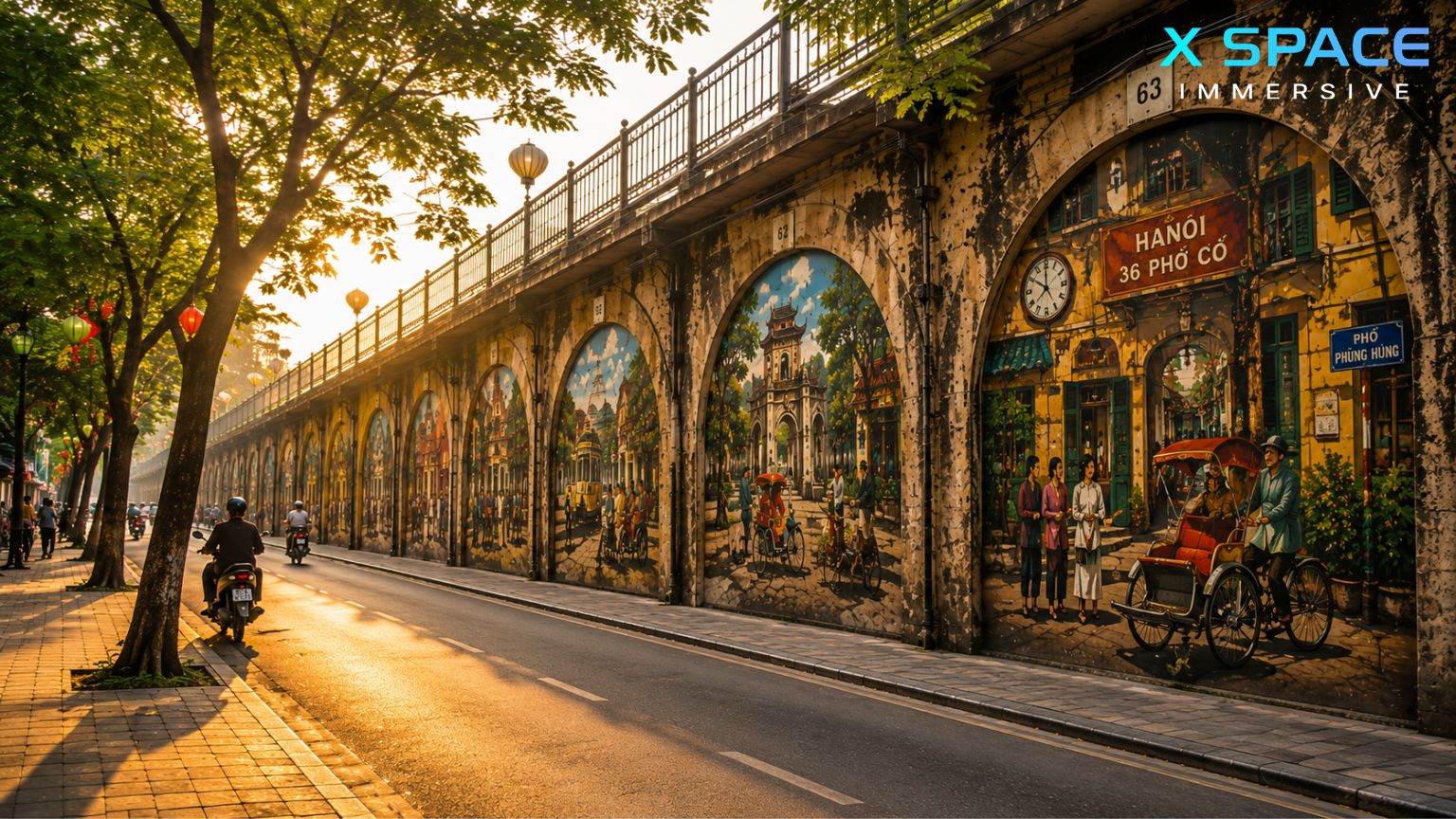
Phung Hung Mural Street in Hanoi during golden hour with historic murals and railway arches
There is no single perfect time to visit, but your experience can vary significantly depending on weather, light, and crowd levels.
For many travelers, the morning and late afternoon are particularly pleasant.
Hanoi can become hot and humid, especially during warmer periods of the year, so avoiding the strongest midday heat can make walking more comfortable.
The softer light earlier or later in the day is also generally more flattering for photography.
Before heading out, check the current weather forecast. Rain can change quickly in Hanoi, while intense sunshine can make a short walk feel considerably longer.
Morning vs. Late Afternoon
Morning has a calm energy.
If you arrive relatively early, you may find it easier to observe the murals without too many people around. Morning light can also work well for photography, depending on the position of the sun and surrounding buildings.
Late afternoon offers a different mood.
As the strongest heat begins to ease, the Old Quarter becomes lively with people heading out for food, coffee, shopping, and evening activities. Visiting at this time can make it easy to transition from sightseeing into dinner or an evening experience.
Photographers may appreciate the warmer, softer light near the end of the day.
If your priority is quieter photos, choose an earlier visit. If you want to combine the murals with Hanoi’s evening atmosphere, late afternoon may be more convenient.
How Long Should You Spend Here?
You do not need an entire day.
For a casual visit, around 30 to 60 minutes can be enough to walk along the area, look at the murals, and take photographs at a comfortable pace.
Photography enthusiasts may want longer, especially if they are waiting for good light or experimenting with compositions.
The bigger question is how much time you want to spend in the surrounding Old Quarter.
If you combine Phung Hung Mural Street with local food, cafés, markets, historic sites, and neighborhood walks, it can easily become one stop in a rewarding half-day itinerary.
Avoid packing too many attractions into a short period. Hanoi often becomes more interesting when you leave enough room for spontaneous discoveries.
Things to Do Near Phung Hung Mural Street
One reason Phung Hung Mural Street works so well for travelers is its location.
After seeing the murals, you do not need to return immediately to your hotel or travel far to find something else to do. You are already close to one of Hanoi’s most fascinating urban areas.
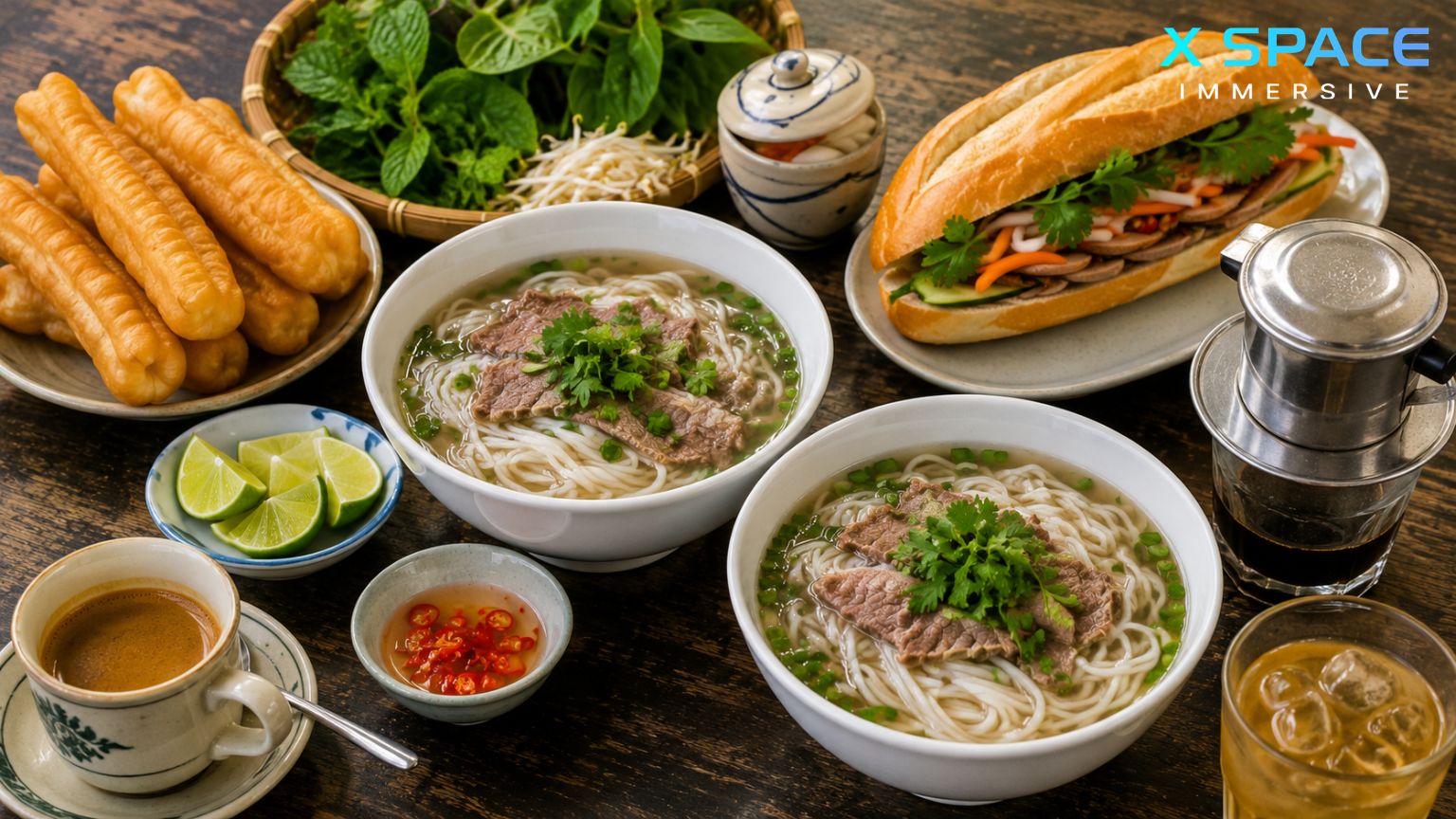
Hanoi street food near Phung Hung Mural Street with pho banh mi and Vietnamese coffee
Walk Through Hanoi Old Quarter
Hanoi Old Quarter is best experienced slowly.
Its streets contain layers of commerce, history, architecture, food, and daily life. Although the district is famous among tourists, it remains a living neighborhood rather than an open-air museum.
Allow yourself to wander.
Look above street level, where old façades, balconies, shutters, and tangled electrical wires reveal a different side of the city from the shops below.
Step into a café hidden inside an old building. Browse small stores. Watch food being prepared at street-side kitchens.
The murals on Phung Hung Street tell stories about Hanoi through paintings; the Old Quarter continues those stories in real life.
Explore Hoan Kiem Lake and Nearby Cultural Attractions
Hoan Kiem Lake is another natural addition to your itinerary.
The lake provides a welcome sense of openness after the dense streets of the Old Quarter and remains one of Hanoi’s most recognizable public spaces.
Depending on your route and interests, you can also explore historic buildings, markets, temples, gates, and cultural attractions around the central districts.
A useful approach is to create a loose walking itinerary rather than a rigid checklist.
For example, begin around Hoan Kiem Lake, wander through the Old Quarter, visit Phung Hung Mural Street Hanoi, stop for lunch or coffee, and then continue toward another cultural or entertainment experience.
This gives your day a natural rhythm.
Try Hanoi Street Food and Vietnamese Coffee
Art may bring you to Phung Hung Street, but food will probably tempt you to stay in the neighborhood.
Hanoi is famous for dishes that are deeply connected to local identity, and exploring the city through food can be just as revealing as visiting its cultural landmarks.
Depending on your preferences, you might stop for a bowl of noodles, a bánh mì, a local snack, or something sweet before continuing your walk.
Then there is coffee.
Vietnamese coffee culture deserves time of its own. Whether you choose a strong traditional coffee, an egg coffee, or a modern specialty drink, sitting in a Hanoi café is a wonderful way to rest between attractions.
Look for a place that makes you curious rather than automatically choosing the busiest option. Some of the city’s most memorable cafés are tucked behind narrow entrances or hidden on upper floors.
Essential Tips for Visiting Phung Hung Mural Street
A little preparation can make your visit more comfortable.
Wear shoes suitable for walking, particularly if you plan to explore the Old Quarter before or afterward. Hanoi’s pavements can be uneven, and sidewalks may sometimes be occupied by parked motorbikes or local businesses.
Bring water during hot weather and consider sun protection if you are exploring during the day.
For photography, a smartphone is more than enough. The colorful artwork provides strong visual backgrounds without requiring specialist equipment.
Traffic awareness is also important. Hanoi’s streets can feel overwhelming to first-time visitors, so stay attentive when crossing roads and follow local pedestrian conditions.
Most importantly, remember that the area is part of a living city.
Be considerate when photographing people, avoid blocking walkways for long periods, do not damage or touch artworks unnecessarily, and respect residents and businesses around the street.
It is also wise to check current local information shortly before visiting. Public spaces can change, and construction, maintenance, events, or traffic arrangements may occasionally affect access.
Is Phung Hung Mural Street Free?
Phung Hung Mural Street has traditionally been experienced as a public outdoor art area rather than a conventional ticketed museum.
That accessibility is part of its charm. Visitors can incorporate the street into a walking tour without needing to plan a lengthy museum visit.
However, travel information can change. Check current local information before your visit, particularly if you are traveling during public events, holidays, construction periods, or temporary access changes.
Is Phung Hung Mural Street Worth Visiting?
Yes—particularly if you are already exploring Hanoi Old Quarter.
The attraction does not require a major detour or an entire day, yet it offers something different from Hanoi’s temples and conventional landmarks.
Art lovers can appreciate the visual storytelling. Photographers have colorful backgrounds to work with. Families can enjoy an easy cultural stop, while couples may find it a pleasant place for a relaxed walk and photos.
It is also a useful choice for travelers who prefer experiences embedded in everyday city life.
Do not expect a huge art district or an enormous museum complex. The appeal of Phung Hung Mural Street is more intimate.
Think of it as a colorful chapter within a larger Hanoi journey.
FAQs About Phung Hung Mural Street
Where is Phung Hung Mural Street located?
Phung Hung Mural Street is located along Phung Hung Street in Hoan Kiem District, close to Hanoi Old Quarter. Its central location makes it convenient to combine with other attractions, cafés, markets, and historic streets in central Hanoi.
How do I get to Phung Hung Mural Street?
The easiest option depends on where you are staying. From many parts of Hanoi Old Quarter, walking is convenient and allows you to explore the neighborhood along the way.
If you are farther away, a taxi or ride-hailing service can be easier. For accurate Phung Hung Mural Street directions, check a live navigation app shortly before departing because traffic and access conditions may change.
What is special about Phung Hung Mural Street Hanoi?
The street combines public art with Hanoi’s historic urban environment. Its murals depict scenes inspired by the city’s culture, memories, and everyday life, while the railway arches create a distinctive architectural setting.
This blend of heritage and contemporary creativity makes Phung Hung Mural Street Hanoi particularly appealing to travelers interested in culture, photography, and local history.
What is the best time to visit Phung Hung Mural Street?
Morning or late afternoon is often a comfortable choice. These periods can offer softer natural light for photography and help visitors avoid the strongest midday heat.
Weather and crowd levels vary throughout the year, so check current conditions before visiting.
How long does it take to explore Phung Hung Mural Street?
Around 30 to 60 minutes is generally enough for a relaxed visit, although photographers may want to stay longer.
Consider allowing additional time to explore Hanoi Old Quarter, stop for Vietnamese coffee, try local food, or visit nearby attractions.
Continue Your Art Journey: Experience X Space Immersive
After walking along Phung Hung Street, you may notice something interesting about the way Hanoi tells stories.
Sometimes those stories are preserved in architecture. Sometimes they survive through food and family traditions. And sometimes they appear through art.
At Phung Hung Mural Street, storytelling happens on walls.
The paintings invite you to stand outside and look into scenes inspired by another Hanoi—a city of familiar streets, everyday routines, local characters, and memories preserved through color.
But what if your next art experience allowed you to step beyond the wall?
That is where X Space Immersive can become an interesting continuation of your journey.
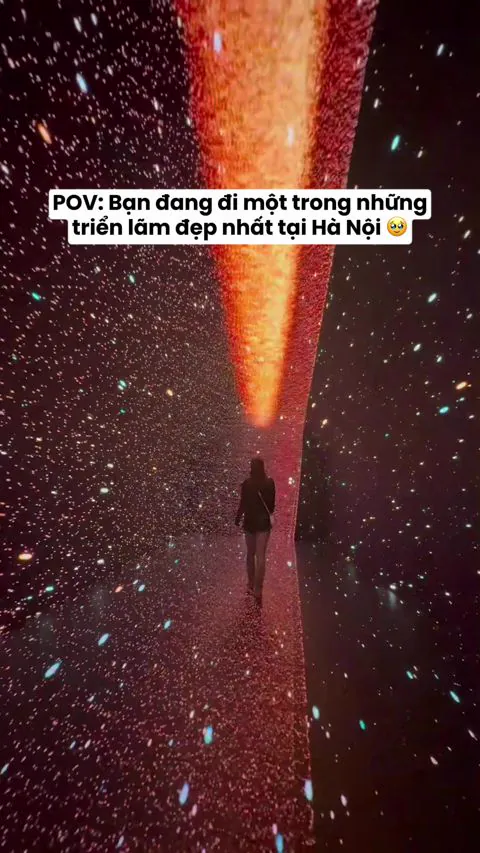
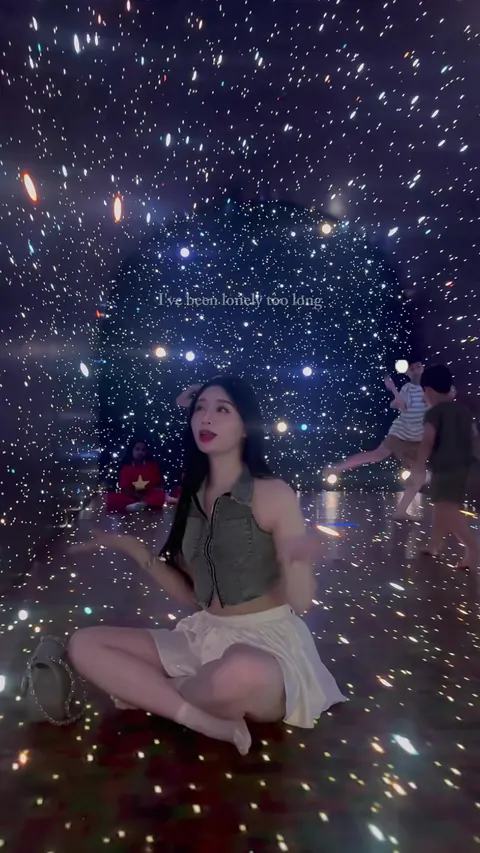
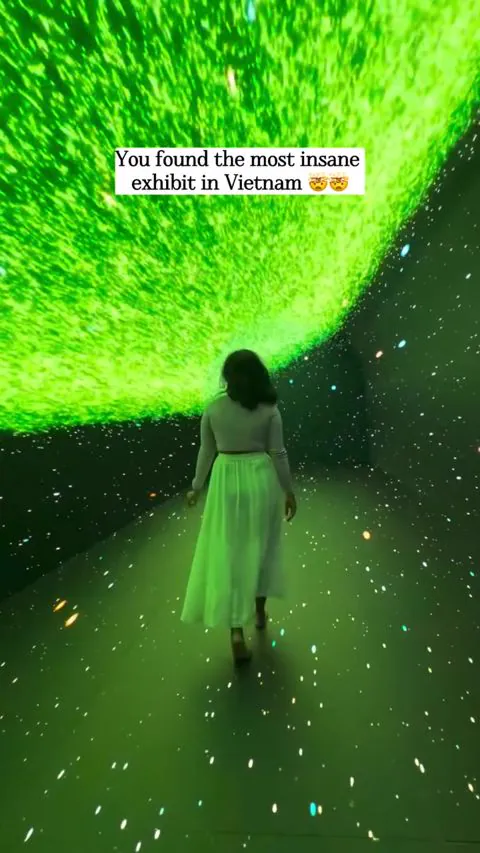
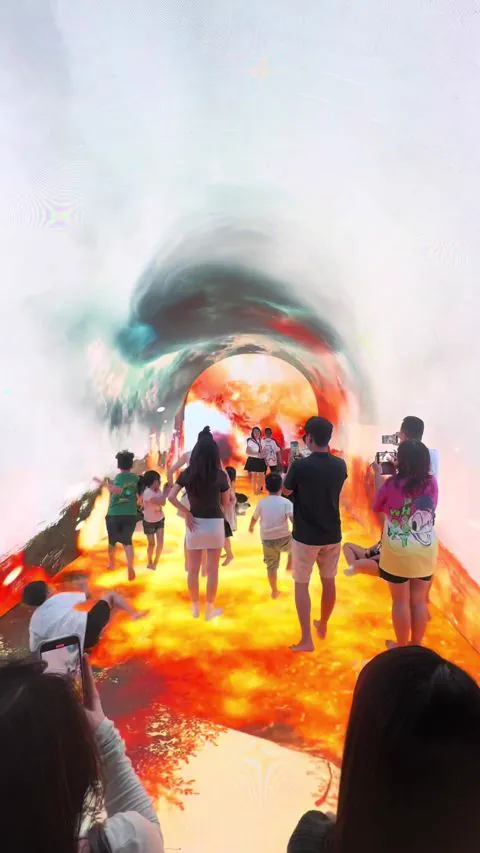
Instead of viewing art only from a distance, an immersive experience can surround the visitor with visual elements, spatial design, sound, technology, and changing perspectives. The relationship between viewer and artwork becomes different: you are no longer simply standing in front of an image; you are moving through an environment created around it.
This makes the transition from street art to immersive art surprisingly natural.
One experience invites you to discover Hanoi’s stories in public space. The other introduces a more contemporary way of experiencing visual storytelling.
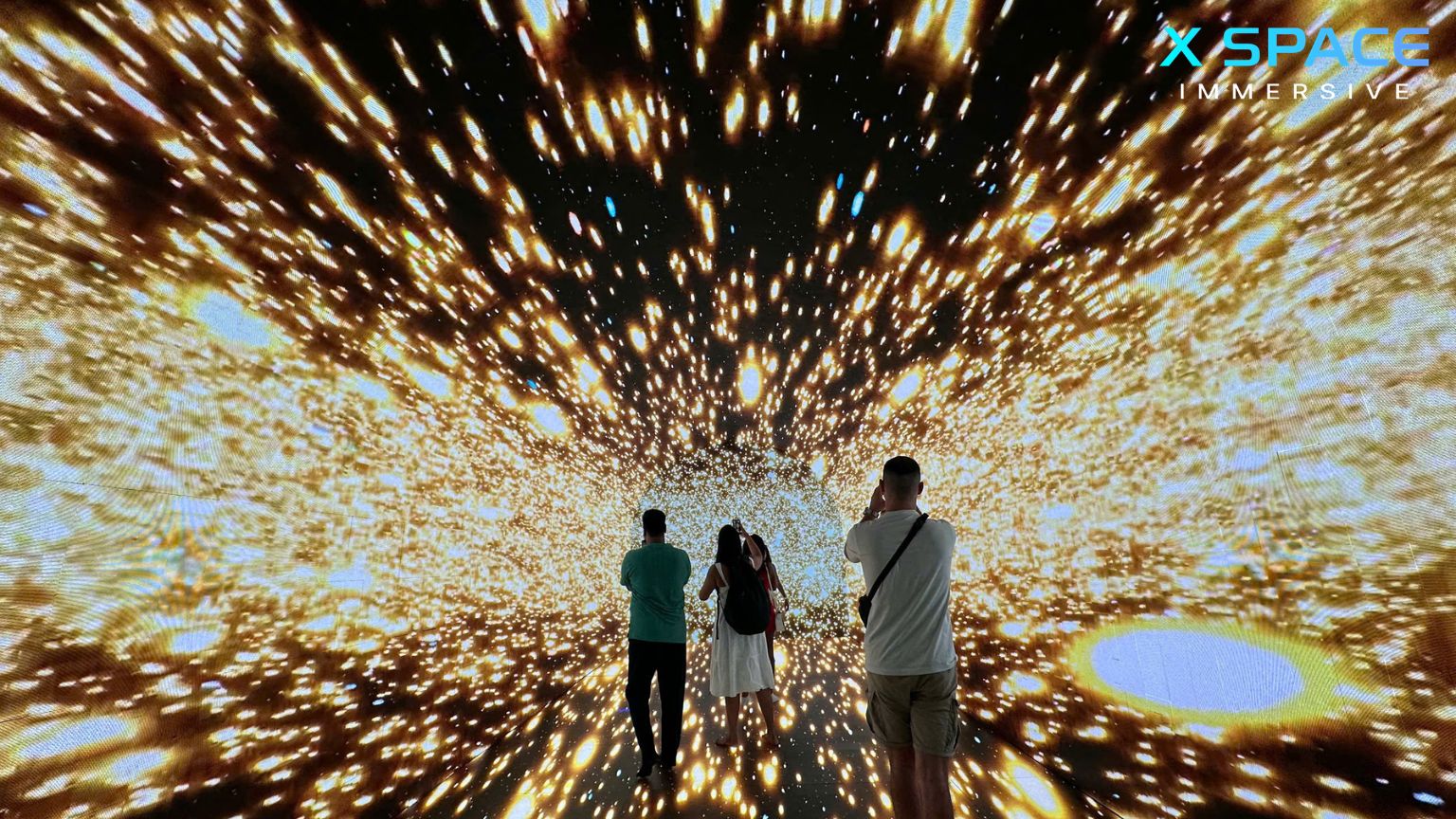
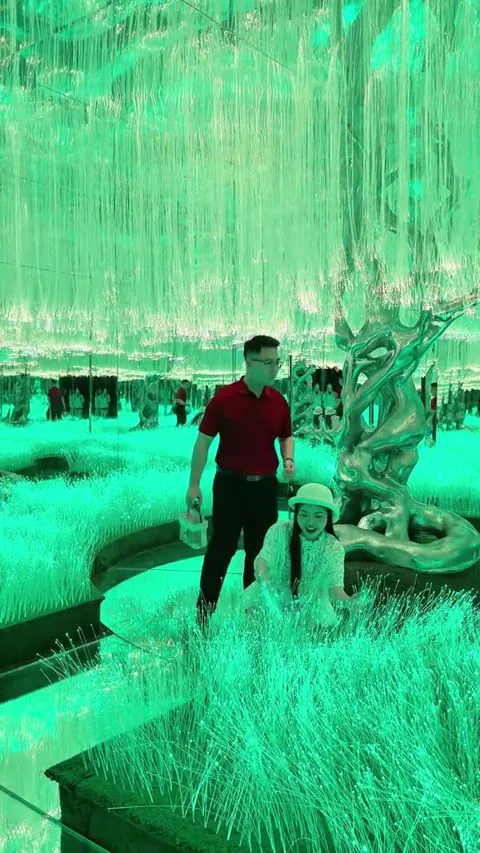
Visitors enjoying the X Space Immersive experience in Hanoi
From Street Art to Immersive Art
Imagine beginning your day among the historic streets of Hanoi.
You walk beneath old railway arches at Phung Hung Mural Street, looking at paintings that evoke memories of the capital. You continue through the Old Quarter, where the real city adds its own soundtrack: conversations, motorbikes, cooking, footsteps, music, and the constant energy of urban life.
Then the experience changes.
At an immersive art space, the visual world is no longer limited by the dimensions of a painted wall. Light can shift. Images can expand across surfaces. Sound can alter the mood of a room. Movement can change your perspective.
That contrast is exactly what can make the two experiences complement each other.
Phung Hung represents a form of public storytelling rooted in Hanoi’s streets and heritage. X Space Immersive can offer another side of creativity—one shaped by contemporary technology, visual experimentation, and immersive environments.
You do not have to choose between traditional and modern art.
Experiencing both can make the contrast more interesting.
Why Add X Space Immersive to Your Hanoi Itinerary?
Hanoi is rightly famous for its heritage, but a rewarding trip does not have to focus exclusively on the past.
Adding a contemporary experience can create balance.
After walking through outdoor attractions, an immersive indoor space can also provide a welcome change of pace, particularly when the weather is hot, rainy, or unpredictable.
For couples, the visual environment can create a distinctive shared experience beyond the usual sightseeing route. Families may appreciate an activity that feels more engaging than simply moving between historic landmarks. Art lovers can explore a different approach to visual storytelling, while photographers and content creators may find new compositions and perspectives.
More importantly, it can reveal another side of Hanoi.
The capital is not frozen in history. It is constantly changing, experimenting, creating, and finding new ways to communicate.
That is part of what makes the city exciting.
Experience X Space Immersive in Hanoi
A memorable Hanoi itinerary is often built on contrasts.
Quiet temples and noisy streets. Historic architecture and contemporary cafés. Traditional food and modern creative spaces. The reflections of Hoan Kiem Lake and the vivid colors of an urban mural.
So after discovering Phung Hung Mural Street, consider continuing your journey from outdoor street art into a different visual world at X Space Immersive.
Start with Hanoi’s memories painted beneath historic arches. Wander through the Old Quarter. Taste something local. Stop for coffee. Then let your next experience take you beyond the familiar idea of looking at art from the outside.
Step closer.
Move through the space.
See how visuals, sound, atmosphere, and technology can transform the way a story is experienced.
From the nostalgic murals of old Hanoi to the possibilities of immersive creativity, it is a journey between two different expressions of art—and two different ways of seeing the city.
Explore Phung Hung Mural Street. Feel the character of Hanoi Old Quarter. Then continue your visual journey with X Space Immersive.
Was this article helpful?
Thanks for your feedback!