Sensory Exhibition: Transforming Spaces Into Immersive Journeys

A sensory exhibition transforms ordinary spaces into immersive environments where light, sound, movement, and interactive technology come together to engage every sense. Unlike traditional exhibitions, it invites visitors to actively explore rather than simply observe, creating memorable experiences that spark emotion and curiosity.
From digital art installations to captivating sensory journeys, these exhibitions are redefining how people connect with art, storytelling, and innovation. In this guide, you’ll discover what makes a sensory exhibition unique and why it has become one of the most exciting trends in immersive entertainment.
In this guide
What Is a Sensory Exhibition?
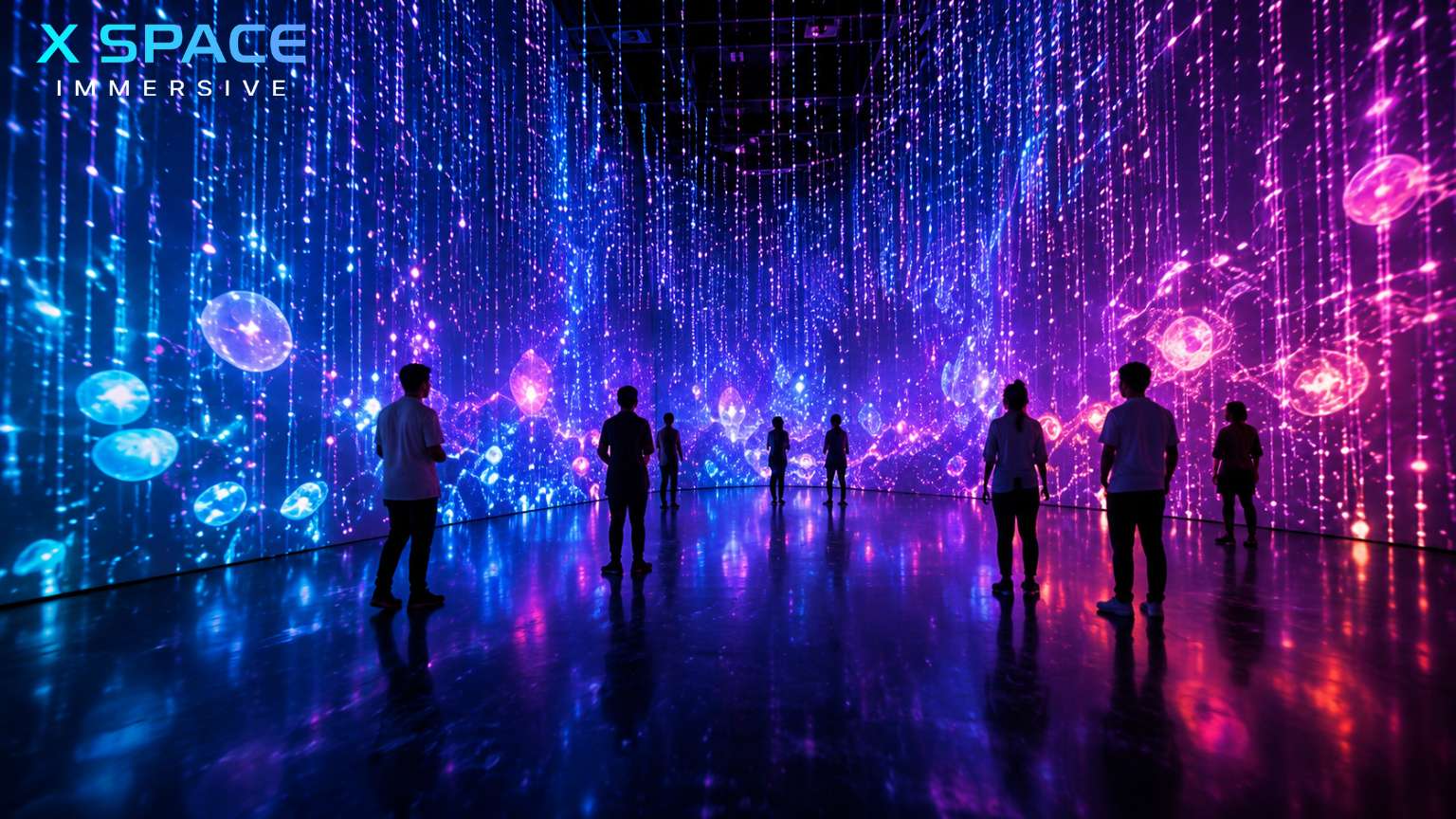
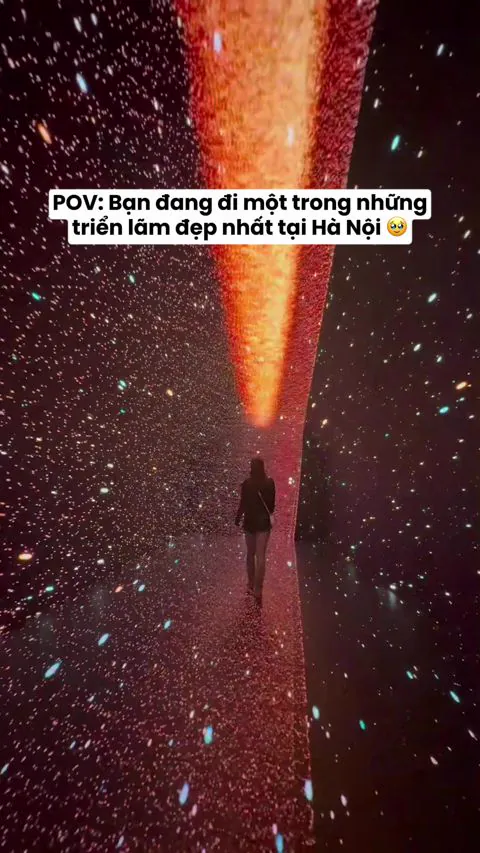
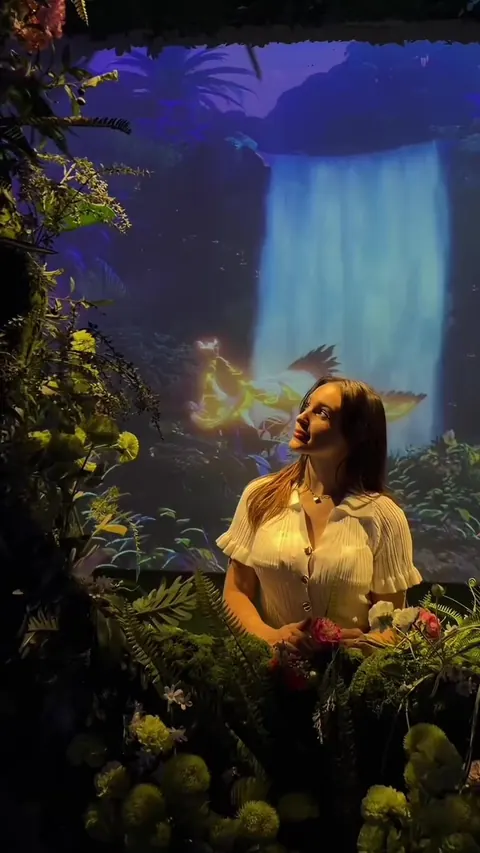
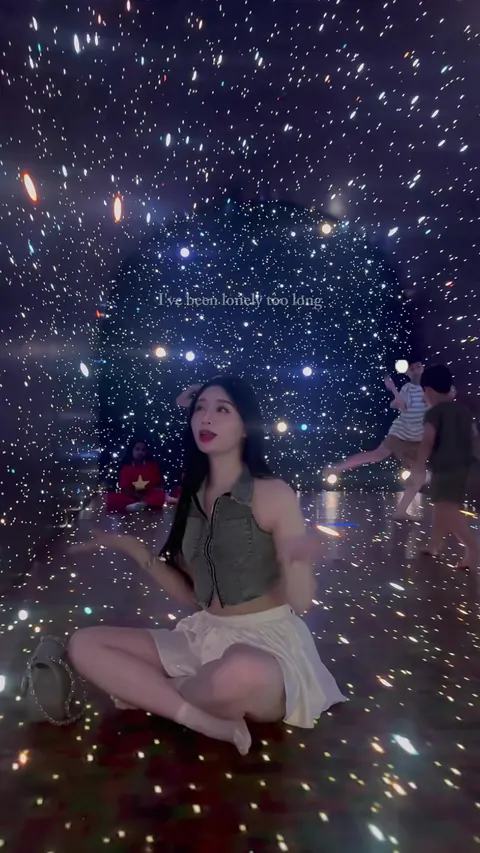
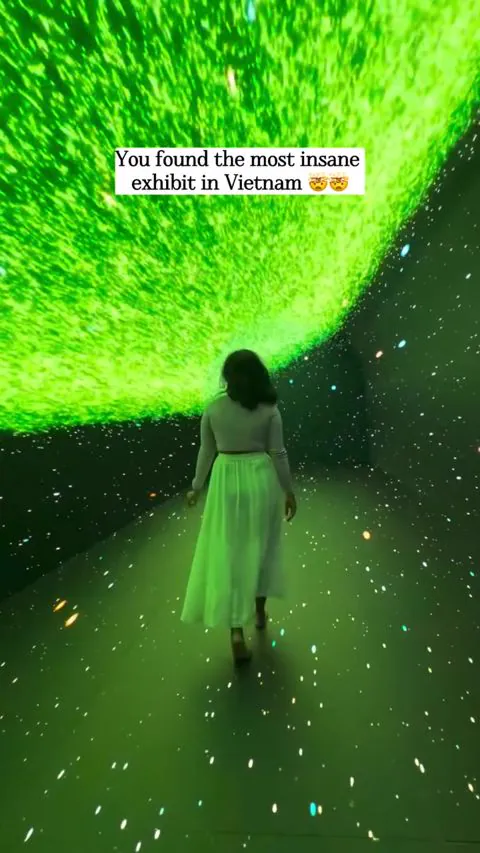
Visitors exploring a sensory exhibition with immersive digital art and interactive installations
Understanding the Concept of Multisensory Experiences
A sensory exhibition is an immersive environment intentionally designed to stimulate multiple human senses at the same time. Rather than focusing solely on what visitors can see, these exhibitions combine visual art, sound, touch, movement, lighting, and sometimes even scent to create a rich and engaging experience.
The idea is simple yet powerful: the more senses involved in an experience, the stronger the emotional connection becomes.
Traditional exhibitions often encourage visitors to quietly observe paintings, sculptures, or historical objects from a respectful distance. While these spaces remain culturally valuable, they generally rely on visual appreciation as the primary way of communicating.
A sensory exhibition takes a completely different approach.
Instead of asking visitors to stand still, it encourages them to explore.
Instead of separating the audience from the artwork, it invites participation.
Instead of presenting information through labels and descriptions, it allows people to discover meaning through experience.
Imagine stepping into a forest recreated entirely with digital projections. Trees sway gently as you walk by, birds sing overhead through surround sound speakers, soft fragrances mimic fresh pine, and the floor reacts to every footstep with rippling light. The environment feels alive—not because it is real, but because every sensory element works together to convince your brain that it is.
This seamless integration of sensory stimuli transforms passive observation into active exploration.
Visitors naturally become more curious because every movement reveals something new.
Every person experiences the exhibition slightly differently, making each visit unique.
That sense of discovery is one of the reasons sensory exhibitions continue to attract growing audiences worldwide.
Another defining characteristic is storytelling.
Rather than displaying isolated artworks, many immersive exhibitions guide visitors through a carefully designed narrative. Each room introduces a new atmosphere, emotion, or chapter. Lighting shifts from warm to cool tones, soundscapes evolve gradually, and interactive installations respond differently as visitors move through the space.
The result is less like visiting a museum and more like stepping inside a living story.
How Sensory Exhibitions Create Emotional Connections
Human memory is deeply connected to the senses.
A familiar scent can instantly bring back childhood memories.
A piece of music can transport us to a specific moment in time.
A change in lighting can completely alter our emotional state.
Sensory exhibitions leverage these natural psychological responses to create experiences that feel deeply personal.
Instead of simply presenting information, they invite visitors to feel something.
This emotional engagement is what separates immersive experiences from conventional displays.
Research in cognitive psychology suggests that multisensory experiences improve both memory retention and emotional response because the brain processes information through multiple channels simultaneously. When sight, sound, movement, and touch work together, visitors become more engaged and are more likely to remember the experience long after it ends.
Interactivity plays an equally important role.
Many installations react to movement, gestures, or even voice. A wall may bloom with digital flowers as someone approaches. Ripples of light might follow footsteps across the floor. Music may change depending on where visitors stand.
These responsive environments create a sense of agency.
Visitors feel as though they are influencing the artwork rather than simply observing it.
That feeling of participation transforms the exhibition into something personal.
Technology has expanded these possibilities dramatically.
Artificial intelligence can generate unique visual experiences in real time.
Motion sensors allow installations to respond instantly to visitor behavior.
Projection mapping transforms ordinary walls into living canvases.
Spatial audio creates realistic environments that surround audiences from every direction.
Together, these innovations blur the line between reality and imagination.
Yet despite all the technology involved, the true purpose of a sensory exhibition remains profoundly human.
Its goal is not simply to impress visitors with spectacular effects.
Its purpose is to evoke curiosity.
To inspire wonder.
To encourage reflection.
To create moments that people remember not because they saw something extraordinary—but because they genuinely felt it.
The Key Elements of an Immersive Sensory Exhibition
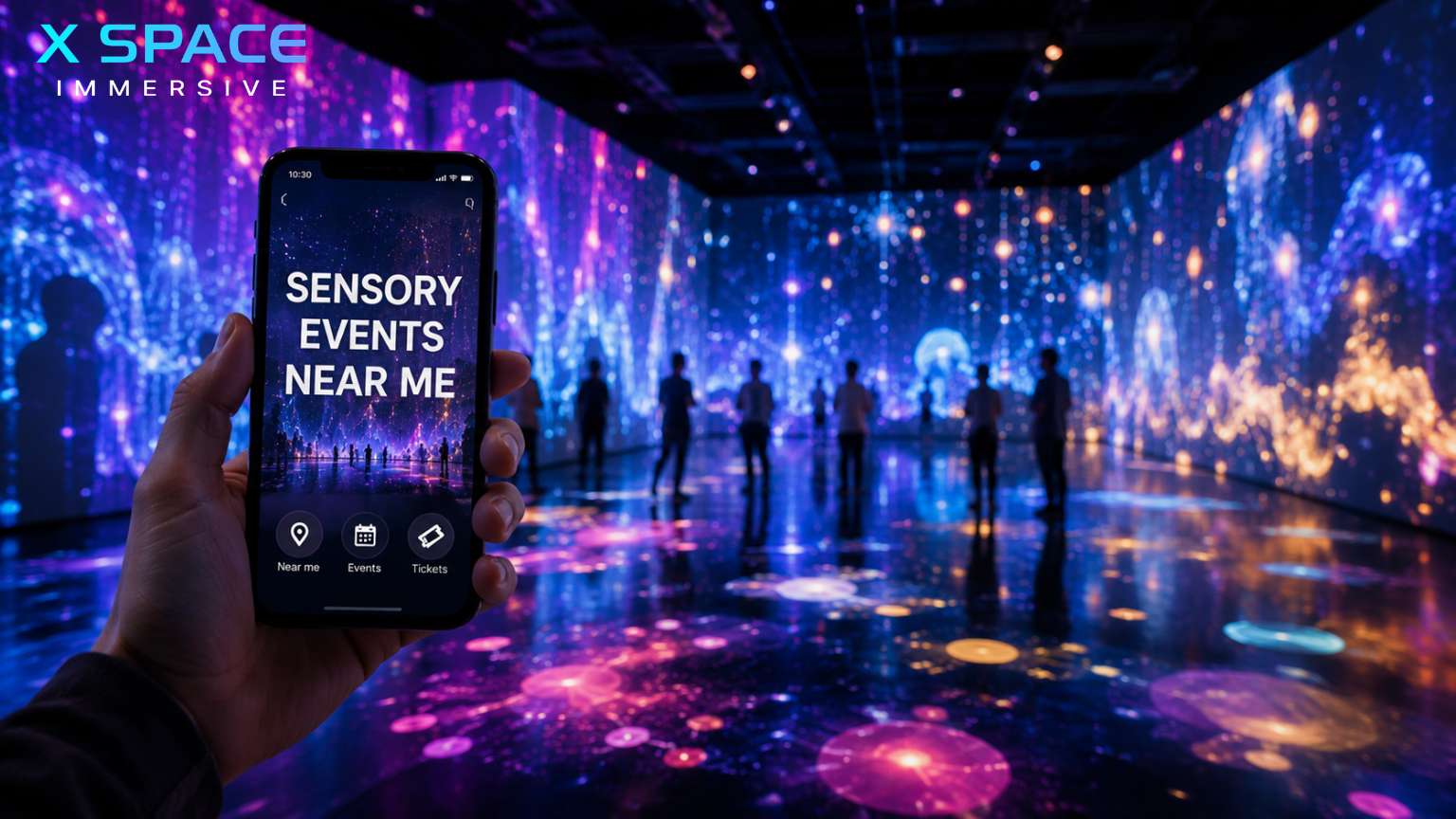
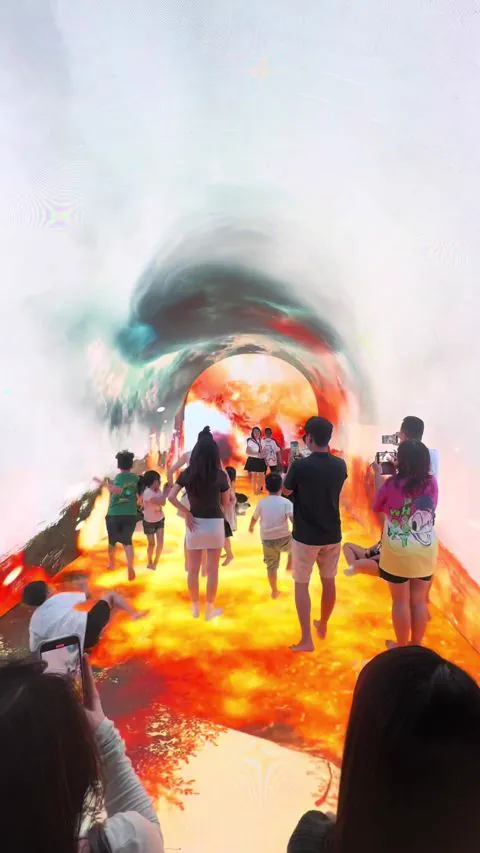
Sensory light show transforming an immersive exhibition with projection mapping and LED lighting
Visual Storytelling and Dynamic Environments
At the heart of every unforgettable sensory exhibition lies compelling visual storytelling. Rather than displaying individual artworks in isolation, immersive exhibitions transform entire spaces into living narratives where every surface contributes to the overall experience.
Walls become moving canvases.
Floors respond with flowing animations.
Ceilings dissolve into endless galaxies.
Visitors are no longer looking at art—they are walking through it.
Projection mapping is one of the most influential technologies behind this transformation. By projecting high-resolution visuals onto walls, ceilings, sculptures, and architectural structures, artists can completely redefine how a physical environment looks and feels without permanently altering the space itself.
A blank room can instantly become:
- A blooming flower garden.
- An underwater kingdom.
- A futuristic cityscape.
- An infinite cosmic universe.
Every transition is carefully choreographed to guide emotion and attention.
Color also plays a crucial role in visual storytelling. Warm tones often create comfort and intimacy, while cool blues and deep purples evoke mystery and contemplation. Dynamic lighting shifts subtly throughout the experience, encouraging visitors to slow down, explore different perspectives, and become immersed in the atmosphere.
Rather than overwhelming audiences with visual effects, successful sensory exhibitions use design intentionally. Every animation, shadow, and projection serves the larger narrative, creating an environment where visitors naturally move from one emotional moment to the next.
The result is an experience that feels less like observing an exhibition and more like stepping inside an evolving work of art.
How a Sensory Light Show Transforms Physical Spaces
The Role of Light in Immersive Storytelling
Every unforgettable sensory exhibition begins with one essential element—light. Long before visitors notice interactive technology or hear carefully composed soundscapes, lighting establishes the atmosphere and sets the emotional tone for the journey ahead.
In an immersive environment, light is much more than illumination. It becomes a storytelling tool capable of transforming ordinary architecture into extraordinary worlds. A dark corridor can evolve into a glowing forest, a blank wall can become a moving ocean, and an empty room can suddenly feel like an endless galaxy. These transformations happen seamlessly, allowing visitors to step into experiences that feel both surreal and believable.
One of the reasons a sensory light show creates such a powerful impact is its ability to guide emotion without words. Warm amber tones often evoke comfort and nostalgia, while cool blues and violets create mystery or tranquility. Fast-changing flashes can generate excitement and anticipation, whereas slow transitions encourage visitors to pause, reflect, and absorb every detail around them.
Light also influences the way people move through an exhibition. Designers intentionally use brighter areas to attract attention and darker spaces to create moments of suspense. Instead of following signs or instructions, visitors naturally navigate toward visual focal points, making the experience feel intuitive and organic.
Unlike conventional exhibitions where lighting simply highlights artworks, immersive exhibitions treat light as part of the artwork itself. Every projection, reflection, shadow, and color transition contributes to the narrative, ensuring that each room tells its own chapter while remaining connected to the overall story.
When synchronized with music, animation, and interactive effects, a sensory light show becomes an emotional language that speaks directly to human perception. Visitors may not consciously analyze every lighting choice, but they instinctively respond to how it makes them feel.
Technologies Behind a Modern Sensory Light Show
Behind every captivating immersive environment lies a combination of advanced creative technologies working together in perfect harmony. While visitors often describe the experience as “magical,” every visual transformation is carefully designed using sophisticated digital systems.
Projection mapping is one of the most recognizable technologies used in a sensory light show. Unlike traditional projectors that display images on flat screens, projection mapping adapts digital visuals to architectural surfaces, sculptures, floors, and ceilings. This technique allows buildings to appear as though they are moving, breathing, or completely transforming before the audience’s eyes.
LED technology has also revolutionized immersive exhibitions. High-resolution LED panels create vivid colors, seamless visuals, and dynamic animations that maintain exceptional brightness while consuming less energy than older lighting systems. Flexible LED installations can even wrap around curved walls or suspended structures, expanding creative possibilities far beyond conventional displays.
Motion sensors and real-time tracking add another layer of immersion. Rather than presenting identical experiences to every visitor, these systems respond to movement, gestures, or proximity. A single step might trigger waves of light across the floor, while raising a hand could generate blooming digital flowers or shimmering particles that follow every motion.
Artificial intelligence is increasingly becoming part of modern sensory experiences as well. AI-powered systems can adapt visuals, lighting sequences, or interactive content based on visitor behavior, ensuring that no two experiences are exactly the same. This level of responsiveness transforms visitors from passive observers into active participants within the exhibition.
Spatial audio technology further enhances these visual effects. Instead of simply hearing background music, visitors perceive sound moving naturally through the space. Combined with synchronized lighting, this creates convincing environments that feel alive from every direction.
Ultimately, technology is never the destination—it is the medium. The most successful sensory exhibitions use digital innovation not to overwhelm audiences with spectacle, but to deepen emotional engagement and make every visitor feel connected to the story unfolding around them.
Why Sensory Exhibitions Are Becoming More Popular
Visitors Want to Participate, Not Just Observe
The way people experience art and entertainment has changed dramatically over the past decade. Today’s audiences are no longer satisfied with quietly walking through galleries and observing objects from a distance. They want to participate, interact, and become part of the experience.
This shift is one of the primary reasons why the sensory exhibition has become a global phenomenon.
Immersive exhibitions encourage exploration rather than observation. Visitors can walk through digital landscapes, trigger visual effects with their movements, interact with responsive installations, and influence the environment around them. Instead of being spectators, they become active contributors to the experience.
This level of participation creates a stronger emotional connection because every visitor’s journey feels personal. Even when hundreds of people explore the same exhibition, no two experiences are completely identical.
The interactive nature of these exhibitions also makes them appealing to audiences of all ages. Children enjoy discovering playful environments, adults appreciate the artistic storytelling, and families can share meaningful experiences together in ways that traditional exhibitions often cannot provide.
As experiential entertainment continues to grow, people increasingly value memorable moments over passive consumption. A sensory exhibition offers exactly that—a chance to step away from everyday routines and immerse oneself in a world designed for exploration and wonder.
Social Media and the Rise of Shareable Experiences
The popularity of immersive exhibitions has also been fueled by the growing influence of social media. Modern travelers and event-goers often seek destinations that are not only enjoyable in person but also visually compelling to share online.
A well-designed sensory exhibition naturally creates these moments.
Rooms filled with vibrant projections, interactive lighting, mirrored spaces, and artistic installations encourage visitors to capture photographs and short videos. Every angle offers a different perspective, making the experience highly engaging across platforms such as Instagram, TikTok, and YouTube.
However, successful immersive exhibitions are far more than “Instagrammable” attractions.
Their lasting appeal comes from balancing visual beauty with meaningful storytelling. Visitors may arrive because they have seen impressive images online, but they remember the exhibition because of how it made them feel.
This emotional connection often inspires authentic recommendations, reviews, and word-of-mouth sharing, which remain some of the most influential factors in attracting new audiences.
For exhibition designers, creating shareable spaces is no longer simply a marketing strategy—it has become part of the visitor experience itself.
A More Accessible Way to Experience Art
Perhaps one of the greatest strengths of a sensory exhibition is its accessibility.
Traditional art spaces sometimes feel intimidating to first-time visitors who worry they may not understand artistic concepts or historical context. Immersive exhibitions remove many of these barriers by allowing people to engage through instinctive human senses rather than prior knowledge.
Visitors do not need formal artistic education to appreciate a room filled with moving light, immersive sound, or interactive digital environments.
Instead, they simply respond naturally.
Children become curious.
Adults become reflective.
Families share moments of discovery.
Tourists experience local creativity in memorable ways.
Because sensory exhibitions rely on universal human perception, they are capable of connecting with audiences from different cultures, languages, and age groups.
Many exhibitions also incorporate accessible design features such as spacious layouts, intuitive navigation, multilingual information, and interactive experiences suitable for visitors with diverse needs. These thoughtful design choices make immersive art more welcoming than ever before.
As technology continues to evolve, sensory exhibitions are expected to become even more personalized, interactive, and inclusive. Rather than replacing traditional museums or galleries, they complement them by introducing new ways to experience creativity.
Ultimately, the growing popularity of immersive exhibitions reflects something deeper than technological innovation.
It reflects a universal desire for meaningful human experiences.
People are searching for places that inspire curiosity, encourage connection, and create memories worth sharing.
A thoughtfully designed sensory exhibition delivers exactly that—transforming ordinary spaces into extraordinary journeys that visitors remember long after the lights fade.
How to Find the Best Sensory Events Near Me
Search Smarter for Local Immersive Experiences
As immersive entertainment continues to grow worldwide, discovering a memorable sensory exhibition has become easier than ever. Whether you’re planning a weekend activity, searching for a unique date idea, or looking for an inspiring family outing, a quick search for sensory events near me can reveal a wide range of immersive experiences happening in your city.
However, not every event offers the same level of creativity or interaction. While some exhibitions focus on digital art and storytelling, others emphasize large-scale installations, interactive technology, or spectacular lighting performances. Knowing what to look for can help you choose an experience that matches your interests.
A great place to begin is Google Search or Google Maps. Searching terms such as sensory events near me, immersive exhibitions, interactive art exhibitions, or digital art experiences often leads to museums, cultural centers, creative studios, and entertainment venues hosting immersive events.
Event discovery platforms are another valuable resource. Websites featuring local activities frequently list upcoming exhibitions, seasonal installations, and limited-time immersive experiences, allowing you to compare dates, ticket prices, and visitor reviews before making a decision.
Social media has also become one of the fastest ways to discover new sensory exhibitions. Many organizers share behind-the-scenes videos, installation previews, and visitor-generated content on Instagram, TikTok, and Facebook. These short videos often provide a more authentic impression of the atmosphere than promotional images alone.
Following local museums, immersive art spaces, and creative venues can also help you stay informed about upcoming launches, exclusive previews, and special events that may not appear in general search results.
The more information you gather before booking, the more likely you’ll find an exhibition that offers a truly unforgettable experience rather than simply an attractive photo opportunity.
What to Check Before Booking
Choosing the right sensory exhibition involves more than selecting the closest venue. Since every immersive experience is designed differently, taking a few minutes to review the details beforehand can make a significant difference in your overall visit.
Theme and Storytelling
Begin by exploring the exhibition’s concept.
Some immersive experiences revolve around nature and environmental storytelling, while others focus on digital art, science, history, fantasy, or futuristic technology. Understanding the theme beforehand allows you to set expectations and choose an experience that genuinely interests you.
The strongest exhibitions often tell a cohesive story that unfolds as visitors move from one room to another rather than presenting disconnected visual displays.
Level of Interactivity
Not every immersive exhibition offers the same degree of participation.
Some installations encourage visitors to touch, move, or interact with digital environments, while others focus primarily on observation.
If you’re hoping to experience responsive projections, interactive installations, or motion-sensitive environments, look for descriptions mentioning features such as:
- Interactive exhibits
- Motion tracking
- Projection mapping
- Responsive lighting
- AI-powered installations
- Immersive storytelling
These elements usually indicate a more engaging visitor experience.
Duration and Visitor Flow
Immersive exhibitions vary greatly in size.
Some experiences last only thirty minutes, while larger venues may encourage visitors to explore for ninety minutes or longer.
Understanding the recommended visit duration helps you plan your schedule without feeling rushed.
It is also worth checking whether timed entry tickets are available. Smaller visitor groups often create a more comfortable atmosphere, allowing everyone to interact with installations without overcrowding.
Photography Policy
Many visitors choose a sensory exhibition because of its visually stunning environments.
Before your visit, check whether photography and video recording are permitted. Some exhibitions encourage content creation, while others limit photography in specific rooms to preserve the immersive atmosphere for all guests.
Knowing these policies in advance helps avoid disappointment and ensures a smoother experience.
Questions to Ask Before Choosing a Sensory Exhibition
Since immersive experiences continue to evolve rapidly, asking a few simple questions can help distinguish exceptional exhibitions from those relying solely on visual effects.
Does the Exhibition Tell a Story?
Beautiful visuals alone rarely create memorable experiences.
The most successful sensory exhibitions guide visitors through an emotional journey where every room contributes to a larger narrative.
Rather than asking, “Will it look impressive?” consider asking, “What story is this exhibition trying to tell?”
Meaningful storytelling often leaves a stronger impression than technology alone.
Is It Truly Interactive?
Some exhibitions advertise themselves as immersive simply because they feature large digital screens.
A genuinely immersive sensory exhibition encourages visitors to become active participants.
Interactive lighting, responsive projections, touch-sensitive installations, spatial audio, and motion tracking all contribute to deeper engagement.
If the environment reacts to your presence, you’re likely experiencing a much richer form of immersion.
Is It Suitable for Your Group?
Different exhibitions are designed for different audiences.
Some are ideal for families with young children.
Others provide reflective experiences better suited to adults.
Certain venues focus on artistic exploration, while others prioritize entertainment and social interaction.
Reading visitor reviews can help determine whether an exhibition matches your expectations.
Is It Worth Revisiting?
One characteristic shared by many outstanding immersive exhibitions is replay value.
Because interactive technology often responds differently to each visitor, returning a second time can reveal new perspectives, visual sequences, or emotional experiences.
The best exhibitions reward curiosity, encouraging guests to slow down and discover details they may have missed during their first visit.
What to Expect During Your Sensory Exhibition Journey
Entering an Immersive Story
From the moment you step inside a sensory exhibition, you’ll notice that the experience feels very different from a traditional museum or gallery.
Instead of following a linear route past individual displays, you’re invited into an environment where every room becomes part of a larger narrative.
The transition often begins gradually.
Lighting shifts softly.
Ambient music fills the space.
Projected visuals begin to move across walls and floors.
Without realizing it, you move from observing an exhibition to becoming immersed within it.
Many immersive experiences are intentionally designed to awaken curiosity.
Rather than explaining every installation immediately, they encourage exploration and discovery.
Visitors naturally slow their pace, paying closer attention to details that might otherwise go unnoticed.
Each space introduces new emotions.
One room may feel peaceful and contemplative.
The next may feel energetic and playful.
Another may inspire awe through towering digital landscapes or synchronized visual effects.
This constant evolution keeps visitors engaged throughout the journey.
Interacting With the Environment
Unlike conventional exhibitions where touching displays is discouraged, many sensory exhibitions actively encourage interaction.
Movement becomes part of the artwork.
Walking across the floor may trigger ripples of light.
Standing beneath suspended installations might activate changing colors.
Waving your hand could transform projected flowers into floating particles or generate new visual effects in real time.
These responsive interactions create an experience that feels personal because every visitor influences the environment differently.
Families often enjoy discovering how installations react together.
Children naturally experiment with movement, while adults rediscover a sense of curiosity that traditional exhibitions rarely inspire.
This freedom to explore without rigid instructions makes the experience feel intuitive.
Rather than following a predetermined path, visitors are encouraged to engage with each space in whatever way feels most natural.
The exhibition responds.
The environment evolves.
Every journey becomes unique.
Capturing and Sharing the Experience
One of the reasons immersive exhibitions have become so popular is their remarkable visual appeal.
Every room presents opportunities for stunning photography, cinematic video, and memorable moments worth sharing with friends and family.
However, capturing the perfect image should never become the primary focus.
The most meaningful memories often come from fully experiencing the environment before reaching for a camera.
Take time to observe how projections move across the space.
Listen to subtle changes in the soundscape.
Notice how lighting transforms the atmosphere from one moment to the next.
Once you’ve experienced the installation firsthand, photography becomes a way to preserve the memory rather than replace it.
If photography is permitted, consider these simple tips:
- Avoid using flash, as it can interfere with projections and other visitors’ experiences.
- Be patient and wait for lighting transitions before taking photos.
- Respect designated pathways and interactive zones.
- Share the space thoughtfully, allowing everyone an opportunity to enjoy the exhibition.
Ultimately, a sensory exhibition is designed to be experienced with all the senses—not just through the lens of a camera.
The images you capture may be beautiful, but the emotions you feel while standing inside the experience are what you’ll remember long after the exhibition comes to an end.
Tips for Getting the Most From a Sensory Exhibition
A visit to a sensory exhibition is more than simply walking through beautifully designed spaces—it is an opportunity to fully immerse yourself in an environment where art, technology, and human emotion come together. While every exhibition offers a unique experience, a few thoughtful preparations can help you appreciate every detail and create memories that last long after your visit.
Whether you’re attending your very first immersive exhibition or you’re already a fan of interactive art experiences, these practical tips will help you make the most of every moment.
Arrive With an Open Mind
Unlike traditional museums where artworks are often accompanied by detailed explanations, many sensory exhibitions encourage visitors to interpret the experience in their own way.
There may not be a “correct” meaning behind every installation.
Instead, the exhibition invites you to explore through your senses, emotions, and imagination.
Some spaces may inspire excitement, while others encourage calm reflection or curiosity. Rather than trying to understand every artistic intention immediately, allow yourself to simply experience the environment as it unfolds.
The more open you are to unexpected moments, the more rewarding your journey will become.
Take Your Time Instead of Rushing Through
One of the biggest mistakes visitors make is treating a sensory exhibition like a checklist of rooms to complete.
Immersive spaces are intentionally designed to change over time.
Lighting evolves.
Music gradually shifts.
Digital projections transform.
Interactive installations reveal new behaviors depending on how visitors move through the environment.
If you move too quickly, you may miss subtle details that make each installation truly memorable.
Pause for a few extra moments.
Observe how colors transition across the walls.
Listen carefully to changes in the surrounding soundscape.
Notice how your own movement influences the artwork around you.
The slower you explore, the richer the experience becomes.
Engage With Every Interactive Installation
The word “immersive” exists for a reason.
Many visitors instinctively observe from a distance because they are accustomed to traditional galleries where touching exhibits is prohibited.
However, many modern sensory exhibitions are specifically designed for participation.
Walk through projected landscapes.
Wave your hands beneath responsive lighting.
Step across interactive floors.
Experiment with different movements.
Invite friends or family members to explore together.
You’ll often discover that installations respond differently depending on the number of participants or the way people interact with the environment.
These moments of discovery are what transform an exhibition from something you simply watch into something you genuinely experience.
Experience the Exhibition Before Taking Photos
Immersive exhibitions are among the most photographed attractions in the world.
Beautiful projections, artistic lighting, and interactive installations naturally encourage visitors to capture memorable images.
While photography is part of the experience, it shouldn’t replace the experience itself.
Before reaching for your phone, spend a few minutes simply observing.
Watch how the environment changes.
Notice details that may disappear within seconds.
Listen to the music without distraction.
Allow yourself to become fully immersed.
Once you’ve experienced the installation firsthand, you’ll naturally take more meaningful photographs because you’ll better understand the story each space is trying to tell.
The best souvenirs are often the emotions you remember—not just the images stored on your camera roll.
Dress Comfortably for Exploration
Unlike conventional exhibitions where visitors may remain relatively stationary, immersive experiences often encourage continuous movement.
You may walk through multiple themed environments, interact with installations, or spend long periods exploring different rooms.
Comfortable footwear can make a noticeable difference, especially in larger venues.
Dark or neutral-colored clothing can also enhance your photographs by allowing colorful projections and lighting effects to stand out more clearly.
Some exhibitions even feature mirrored environments where simple clothing choices help create more visually striking images.
While fashion certainly has its place, comfort will allow you to focus entirely on the experience.
Visit During Less Crowded Hours
Although immersive exhibitions are designed to accommodate many visitors, quieter time slots often provide a more intimate experience.
Weekday mornings or early afternoon sessions generally offer:
- More space to explore freely
- Better opportunities for photography
- Shorter waiting times at interactive installations
- A calmer atmosphere for appreciating sound and lighting
Smaller crowds also allow the exhibition’s storytelling to unfold naturally without constant distractions.
If your schedule allows, choosing an off-peak session can significantly enhance your visit.
Observe More Than Just the Visuals
Many first-time visitors naturally focus on spectacular projections or dramatic lighting effects.
While these elements are impressive, they represent only one part of a carefully designed multisensory environment.
Pay attention to the details that are less immediately obvious.
Listen to how ambient sounds shift between rooms.
Notice how different materials feel beneath your feet.
Observe how lighting changes your perception of space.
Take a deep breath and recognize whether subtle scents have been incorporated into the environment.
Every sensory element contributes to the overall narrative.
The richest experiences happen when all of these details work together.
Visit With Friends—But Explore Independently Too
A sensory exhibition is an excellent activity for couples, families, and groups of friends because shared moments often become lasting memories.
Laughing together beneath interactive projections or discovering hidden visual effects creates a unique sense of connection.
At the same time, don’t hesitate to separate occasionally during your visit.
Exploring independently allows each person to experience the exhibition without influence from others.
When you reconnect afterward, you’ll often discover that everyone noticed completely different details or interpreted the same installation in unique ways.
These conversations frequently become one of the most rewarding parts of the entire experience.
Allow Yourself to Feel, Not Just Analyze
It’s natural to wonder what an installation represents or what message the artist intended to communicate.
However, immersive exhibitions are often designed to evoke emotion before explanation.
Rather than analyzing every artistic decision, allow yourself to simply respond.
Feel the excitement generated by moving light.
Enjoy the calm created by ambient sound.
Appreciate the wonder inspired by interactive environments.
There is no single “correct” interpretation.
Your emotional response is part of the artwork itself.
That freedom makes every visitor’s experience genuinely personal.
Reflect on the Experience After You Leave
The impact of a memorable sensory exhibition often extends well beyond the final room.
As you leave, take a few moments to think about what stayed with you most.
Was it a breathtaking sensory light show that transformed the architecture?
A room that responded to your movement?
A quiet moment surrounded by immersive sound?
Or perhaps a feeling that is difficult to describe but impossible to forget.
Reflecting on these moments helps deepen your appreciation for the experience and often reveals details you may not have recognized while inside the exhibition.
Many visitors find themselves inspired to learn more about immersive art, digital storytelling, or interactive design after attending their first sensory exhibition.
Others begin searching for new sensory events near me, eager to discover how different artists use technology and creativity to tell completely different stories.
That curiosity is perhaps the greatest success of any immersive experience.
A truly exceptional sensory exhibition doesn’t simply entertain for an afternoon.
It changes the way you see space.
It changes the way you experience art.
And most importantly, it reminds you that sometimes the most meaningful journeys begin the moment you stop observing and start participating.
Experience X Space Immersive
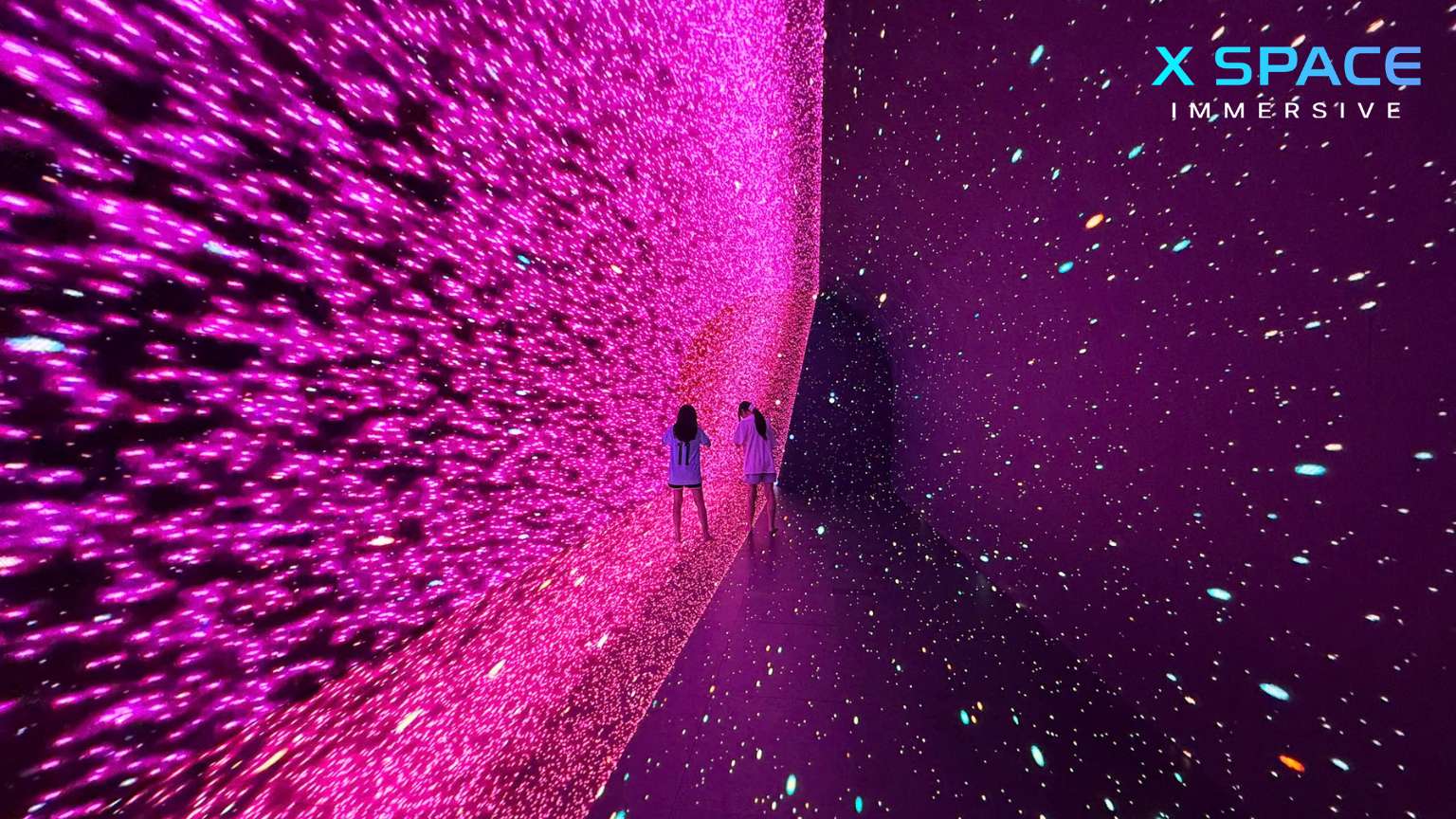
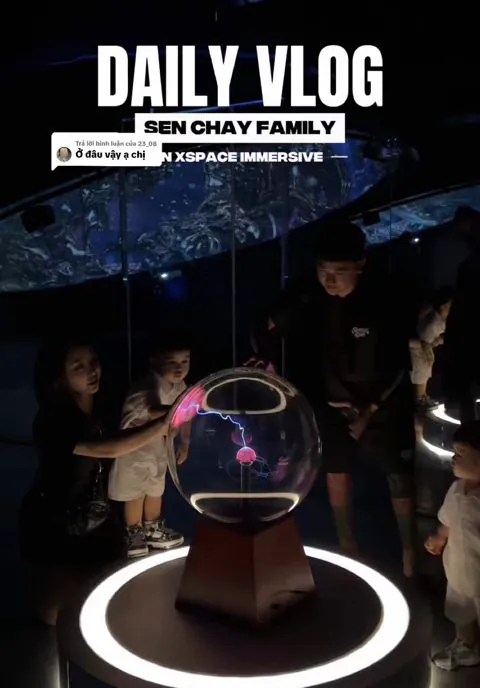
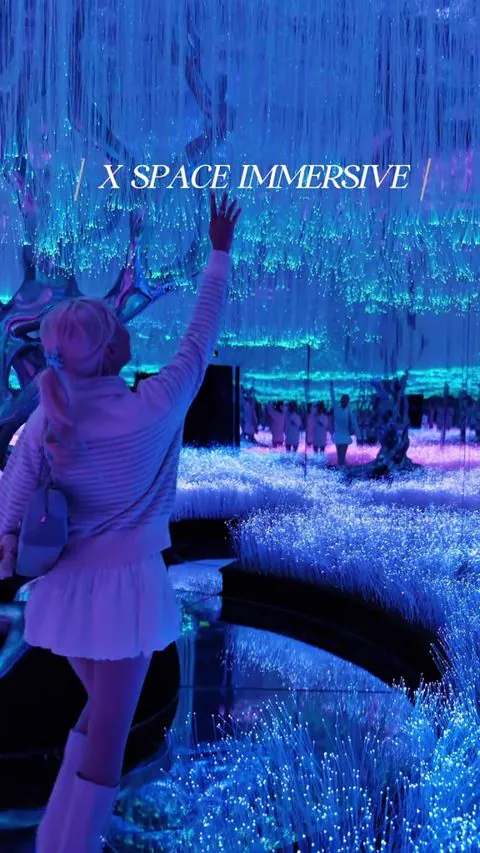
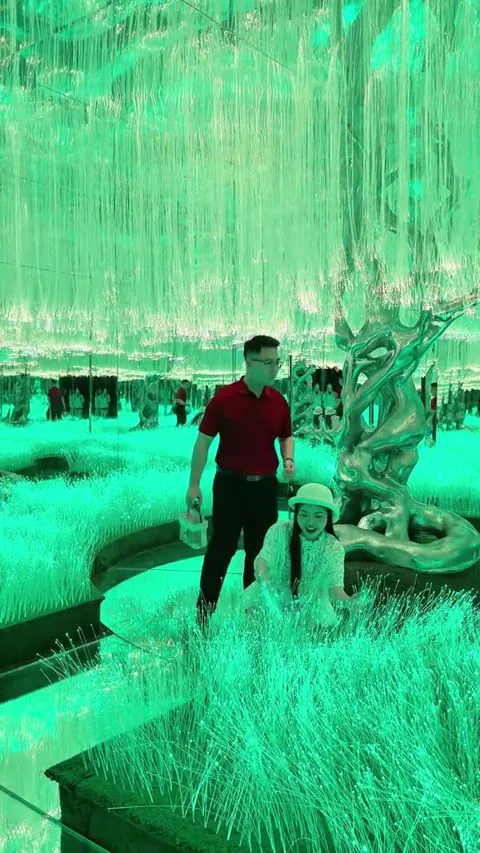
Visitors exploring X Space Immersive digital art exhibition in Hanoi
Discover a New Dimension of Art and Technology
If you’ve ever wondered what it feels like to step inside a living work of art, Experience X Space Immersive offers exactly that. More than just a destination, it is a place where creativity, innovation, and storytelling come together to transform the way people experience space.
Inspired by the growing evolution of the modern sensory exhibition, X Space Immersive combines digital art, interactive technology, immersive sound, and dynamic lighting to create environments that engage visitors on multiple levels. Rather than asking you to simply observe, every installation invites you to become part of the story.
From the moment you enter, familiar surroundings begin to disappear. Walls become moving canvases. Floors respond to every step. Light dances across the room in perfect harmony with carefully designed soundscapes, while immersive visuals transform ordinary architecture into extraordinary worlds.
Each installation has been carefully curated to inspire curiosity and emotional connection. Some spaces encourage quiet reflection, allowing visitors to slow down and absorb every visual detail. Others invite playful interaction, rewarding movement with responsive projections, shifting colors, and unexpected moments of discovery.
This balance between art and technology creates an experience that feels both innovative and deeply human.
A Journey Designed for Every Visitor
One of the defining qualities of Experience X Space Immersive is its ability to connect with people from all backgrounds.
Whether you’re an art enthusiast, a technology lover, a family looking for a memorable outing, or a traveler searching for something different, every visitor experiences the exhibition in a unique way.
There is no required route.
No right or wrong interpretation.
No pressure to understand every artistic concept.
Instead, you’re encouraged to explore freely, follow your curiosity, and discover the exhibition at your own pace.
Children are naturally drawn to interactive environments where movement brings installations to life.
Couples enjoy intimate spaces filled with immersive lighting and atmospheric music.
Friends create unforgettable memories while exploring visually spectacular rooms together.
Photographers and content creators find endless opportunities to capture striking compositions without sacrificing the authenticity of the experience itself.
No matter who you are, the exhibition becomes a personal journey shaped by your own perspective.
Where Creativity Meets Innovation
Behind every immersive environment is a thoughtful combination of artistic vision and cutting-edge technology.
At Experience X Space Immersive, projection mapping transforms architecture into living narratives. High-definition visuals flow seamlessly across walls, ceilings, and floors, while responsive lighting changes continuously to create new moods throughout the exhibition.
Interactive sensors detect movement, allowing visitors to influence digital environments through simple gestures or footsteps. Spatial audio surrounds each room, adding depth and realism that enhances every visual transition.
Rather than relying on technology for spectacle alone, every element has been carefully integrated to support meaningful storytelling.
Each room feels connected.
Each transition feels intentional.
Each interaction reveals another layer of the experience.
The result is a sensory journey that feels immersive not because of individual technologies, but because every creative element works together harmoniously.
More Than an Exhibition—A Lasting Memory
The most memorable sensory exhibition experiences are not defined solely by impressive visuals.
They are remembered because of how they make people feel.
A quiet room filled with floating light.
A breathtaking sensory light show synchronized perfectly with music.
An interactive installation that reacts uniquely to every movement.
Moments like these often remain vivid long after visitors have returned home.
This emotional connection is what distinguishes immersive experiences from traditional attractions.
Rather than simply viewing art, visitors become active participants in an unfolding story.
Instead of collecting information, they collect emotions, memories, and moments of genuine wonder.
Many guests leave inspired to revisit the exhibition, knowing that different lighting sequences, interactive responses, or simply a different state of mind can create an entirely new experience.
No two visits ever feel exactly the same.
Why Experience X Space Immersive Stands Out
As immersive attractions continue to grow around the world, visitors are looking for experiences that go beyond visual spectacle.
They seek authenticity. Meaningful interaction. Emotional storytelling. Creative innovation.
Experience X Space Immersive embraces all of these qualities by designing environments that encourage exploration rather than observation.
Every installation has a purpose. Every sensory element contributes to the narrative. Every visitor becomes part of the artwork.
Whether you’re searching for a unique weekend activity, planning a cultural outing with family, or simply exploring sensory events near me, X Space Immersive offers an experience that appeals to both first-time visitors and seasoned immersive art enthusiasts.
It is not just somewhere to visit. It is somewhere to feel.
Final Thoughts
A sensory exhibition is more than an art experience—it’s an immersive journey that engages the senses, sparks curiosity, and creates lasting memories. Whether you’re discovering interactive installations, mesmerizing light displays, or innovative digital storytelling, every visit offers a new perspective. If you’re ready to experience creativity in a whole new way, step into X Space Immersive and let your next sensory exhibition inspire, surprise, and transform the way you see the world.
Was this article helpful?
Thanks for your feedback!