Unique Things to Do in Hanoi: Best Hidden Experiences in 2026

Looking for the most unique things to do in Hanoi beyond the usual tourist attractions? Vietnam’s capital is full of hidden gems, from quiet alleyways and authentic local cafés to cultural experiences that many visitors never discover. Whether you’re visiting for the first time or returning to explore more deeply, Hanoi offers countless unforgettable moments. This guide highlights the best hidden experiences in 2026 to help you see the city from a fresh and more authentic perspective.
In this guide
Why Explore Hanoi Beyond the Usual Tourist Attractions?
Every destination has its postcard-perfect attractions, but the places that leave the deepest impression are often the ones that aren’t listed on the first page of a travel guide. Hanoi is one of those rare cities where curiosity is consistently rewarded. Every small alley, hidden courtyard, or neighborhood café has its own story waiting to be discovered.
While thousands of visitors gather around Hoan Kiem Lake each day, just a few streets away you’ll find elderly residents practicing tai chi at dawn, local artists displaying handmade works in quiet studios, and families preparing traditional meals using recipes passed down through generations. These everyday moments reveal the true heartbeat of Hanoi.
A City Built on Stories
Unlike many modern capitals, Hanoi has grown organically over more than one thousand years. Each district reflects a different chapter of its history, blending ancient Vietnamese traditions with French colonial architecture and contemporary creativity.
Instead of moving from one landmark to another, exploring Hanoi slowly allows you to notice details that many travelers overlook:
- Hidden communal houses tucked inside residential alleys.
- Small family temples surrounded by centuries-old trees.
- Local markets operating before sunrise.
- Independent cafés converted from historic French villas.
- Artisan workshops preserving traditional craftsmanship.
These places rarely appear on standard sightseeing itineraries, yet they often become travelers’ favorite memories.
Experience the Real Rhythm of Local Life
One of the biggest reasons to seek out unique things to do in Hanoi is the opportunity to experience everyday life rather than simply observe it.
Rather than standing in long ticket queues, imagine spending your morning chatting with a coffee shop owner who’s been roasting beans for decades, watching children play in neighborhood courtyards, or learning why certain dishes are only served during specific seasons.
This slower style of travel creates meaningful connections with the city and its people. It transforms a vacation into a cultural experience.
Travel More Sustainably
Choosing hidden experiences also helps distribute tourism beyond the city’s busiest attractions.
Supporting neighborhood cafés, independent galleries, artisan workshops, and local family businesses contributes directly to Hanoi’s creative communities while encouraging more sustainable tourism.
Instead of following crowds, you’ll discover quieter places where your visit has a more positive impact on local residents and small business owners.
Discover Hanoi’s Hidden Alleys and Secret Local Neighborhoods
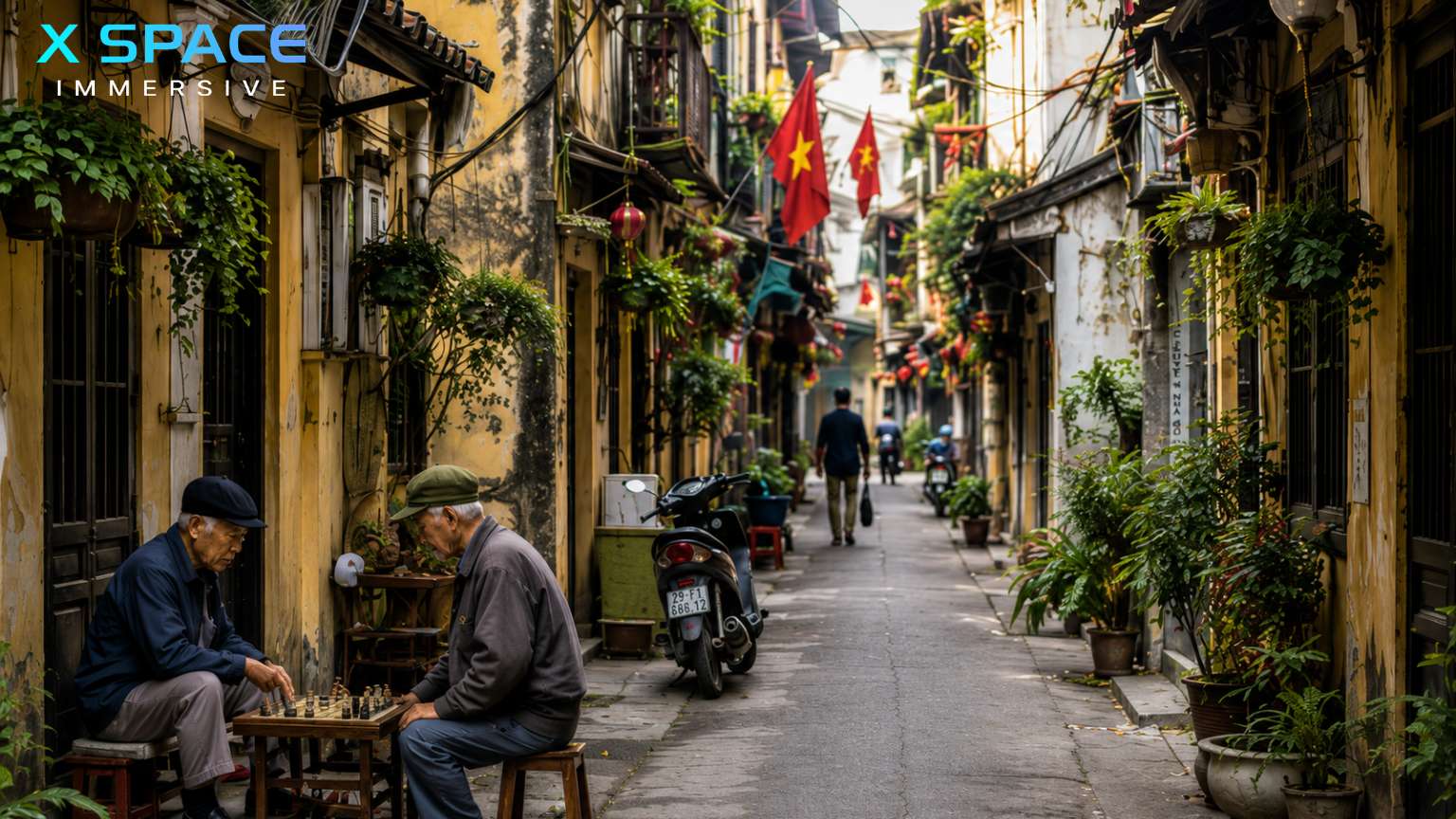
Exploring hidden alleys in Hanoi Old Quarter
One of the simplest yet most rewarding unique things to do in Hanoi is to step away from the main streets and begin exploring the city’s countless alleyways.
Known locally as ngõ, these narrow lanes form an intricate network that connects homes, temples, cafés, workshops, and neighborhood markets. What appears from the outside as an ordinary passage often opens into lively communities filled with unexpected discoveries.
Walking through Hanoi’s hidden neighborhoods isn’t about reaching a famous destination. It’s about embracing the journey itself.
Walk Through the Quiet Lanes of the Old Quarter
Although the Old Quarter attracts millions of visitors every year, much of its authentic charm remains hidden behind the busy commercial streets.
Venture into the smaller alleys branching off Hang Bac, Hang Buom, or Hang Dao, and you’ll enter a completely different world. Here, motorbike traffic slows down, conversations drift from open doorways, and everyday life unfolds at a gentle pace.
You may come across:
- Tiny family shrines decorated with fresh flowers.
- Elderly residents playing Chinese chess beneath old trees.
- Traditional tube houses that have sheltered generations of families.
- Small kitchens preparing breakfast for nearby neighbors.
- Hidden cafés nestled inside quiet courtyards.
These intimate scenes offer a glimpse into Hanoi that many tourists never experience.
For photographers, early morning provides the best natural light while revealing the city’s authentic daily rhythm before larger crowds arrive.
Explore Hanoi’s Historic French Villas
Beyond the Old Quarter lies another side of Hanoi that reflects its colonial past.
Neighborhoods around Ba Dinh, Truc Bach, and the French Quarter are home to elegant villas shaded by mature trees and peaceful boulevards. Many of these historic buildings have been thoughtfully transformed into boutique cafés, art galleries, bookstores, and cultural spaces.
Unlike busy commercial districts, these neighborhoods invite visitors to slow down and appreciate the city’s architectural diversity.
Take time to notice details such as:
- Decorative balconies covered in climbing vines.
- Colorful wooden shutters weathered by time.
- Quiet gardens hidden behind wrought-iron gates.
- Historic facades blending French design with Vietnamese influences.
A leisurely walk through these streets offers a refreshing contrast to Hanoi’s energetic downtown atmosphere.
Experience Everyday Life in Traditional Residential Areas
Perhaps the most authentic way to discover Hanoi is by spending time where locals actually live.
Residential neighborhoods outside the main tourist districts reveal the city’s genuine personality. Here, daily routines remain largely unchanged despite Hanoi’s rapid development.
Visit a neighborhood market in the early morning, and you’ll see vendors arranging fresh herbs, seasonal fruits, flowers, and seafood while neighbors stop to exchange greetings before work.
Sit down at a humble tea stall, and you’ll quickly notice how these simple gathering places function as informal community centers. Conversations range from football matches to family celebrations, creating a welcoming atmosphere that reflects Hanoi’s strong sense of community.
Even a short stroll through these neighborhoods can lead to unexpected encounters—a hidden temple tucked behind residential buildings, a family-run bakery with recipes spanning generations, or children flying kites in a quiet courtyard.
These moments may not appear on travel brochures, but they capture the authentic spirit of Hanoi far better than any famous monument.
The beauty of exploring these hidden neighborhoods lies in their unpredictability. Every turn offers something different, reminding visitors that Hanoi isn’t just a city to be seen—it’s a city to be experienced, one small discovery at a time.
Try Unusual Hanoi Food Experiences Like a Local
One of the best unique things to do in Hanoi is to explore the city through its food. While iconic dishes like pho and bun cha are famous around the world, the real magic of Hanoi’s culinary scene lies beyond the restaurants recommended in every travel guide. Hidden inside narrow alleyways, tucked beneath old apartment buildings, or operating from family homes, countless local eateries continue to preserve recipes that have been passed down for generations.
Food in Hanoi is more than just a meal—it’s part of the city’s identity. Every neighborhood has its own specialties, every season brings different ingredients, and every family has its own way of preparing traditional dishes. Exploring these local flavors allows visitors to experience Hanoi through the eyes of the people who call it home.
Join an Early-Morning Street Food Tour
If you want to experience Hanoi like a local, start your day before sunrise.
Early mornings are when the city comes alive. Vendors begin preparing fresh ingredients, cafés open their doors, and residents gather for breakfast before heading to work. Walking through Hanoi at this hour offers a completely different atmosphere from the busy afternoons filled with tourists.
Instead of following a list of famous restaurants, wander through residential streets where locals line up at small food stalls. These modest establishments may have no English signs or online reviews, yet many have served the same dishes for decades.
Some breakfast favorites include:
- A steaming bowl of fragrant pho with slow-simmered broth.
- Soft bánh cuốn freshly rolled to order.
- Sticky rice topped with savory ingredients.
- Crispy bánh mì filled with homemade pâté.
- Traditional Vietnamese coffee or the famous egg coffee.
The beauty of these experiences isn’t just the food itself. It’s watching the vendors prepare each dish by hand, chatting with regular customers, and witnessing the morning routines that have shaped Hanoi’s culture for generations.
Arriving early also means avoiding crowds while enjoying the freshest ingredients of the day.
Discover Hidden Family-Run Restaurants
Some of Hanoi’s best meals are found in places you would never expect.
A tiny doorway leading into a narrow alley, a staircase to the second floor of an old apartment building, or a simple house with only a few plastic tables outside can hide extraordinary food experiences.
Unlike commercial restaurants designed for tourists, these family-run eateries focus entirely on preserving traditional flavors. Many have been operated by the same family for decades, with recipes handed down from grandparents to children.
Dining in these local establishments often feels like being welcomed into someone’s home.
You’ll notice details that chain restaurants simply cannot replicate:
- Homemade sauces prepared every morning.
- Seasonal ingredients purchased from nearby markets.
- Family photographs decorating the walls.
- Owners greeting returning customers by name.
- Traditional cooking methods that remain unchanged.
Because these restaurants mainly serve local residents, menus may be limited to only one or two signature dishes—but those dishes are often perfected through years of experience.
One of the joys of discovering unique things to do in Hanoi is realizing that some of the city’s finest culinary treasures have no flashy storefronts or extensive marketing. Their reputation is built entirely through word of mouth.
Learn to Cook Traditional Hanoi Cuisine
For travelers seeking a more immersive cultural experience, joining a cooking class is an unforgettable way to connect with Hanoi.
Many classes begin with a visit to a local market, where participants learn how Vietnamese families choose fresh vegetables, herbs, spices, and seafood. Walking alongside a local chef provides fascinating insight into everyday shopping habits and seasonal ingredients.
Back in the kitchen, you’ll discover that Hanoi’s cuisine is built on balance rather than complexity.
Fresh herbs, light broths, subtle seasonings, and carefully prepared ingredients create flavors that are elegant rather than overpowering.
Depending on the class, you may learn how to prepare:
- Bun Cha
- Nem Ran (Vietnamese fried spring rolls)
- Pho
- Banh Cuon
- Fresh spring rolls
- Vietnamese dipping sauces
More importantly, you’ll understand the cultural traditions behind these dishes—why certain meals are served during festivals, how recipes differ between northern and southern Vietnam, and why sharing food remains such an important part of Vietnamese family life.
Cooking alongside local instructors also creates meaningful conversations that many visitors never experience during ordinary sightseeing.
Explore Hanoi’s Lesser-Known Cultural Experiences
Hanoi’s rich cultural heritage extends far beyond its famous museums and historic monuments. While many visitors admire the city’s architecture and temples, fewer take the opportunity to participate in the living traditions that continue to shape everyday life.
For travelers searching for unique things to do in Hanoi, exploring these lesser-known cultural experiences offers a deeper understanding of the city’s identity. Instead of simply observing history, you’ll become part of it—even if only for a few hours.
Watch Traditional Performances in Intimate Venues
Most visitors know Hanoi for its famous water puppet shows, but the city’s traditional performing arts are far more diverse than many people realize.
Across Hanoi, small cultural centers and independent performance spaces continue to preserve art forms that have existed for centuries.
Depending on the venue, you may experience:
- Ca Trù, an elegant form of chamber music recognized by UNESCO.
- Chèo, a traditional Vietnamese folk opera combining storytelling and music.
- Xẩm, an expressive style of street singing once performed by blind musicians.
- Traditional instrumental performances using ancient Vietnamese instruments.
Unlike large commercial theaters, these smaller venues create an intimate atmosphere where audiences can appreciate every detail of the performance.
Some events even include introductions from performers, allowing visitors to understand the historical significance behind each song and instrument.
These performances provide a meaningful alternative to conventional sightseeing while supporting local artists dedicated to preserving Vietnam’s cultural heritage.
Visit Local Artisan Workshops
Behind Hanoi’s busy streets are workshops where traditional crafts continue to thrive.
Many artisans have spent decades mastering techniques passed down through multiple generations. Visiting these studios allows travelers to witness craftsmanship that cannot be replicated by machines.
You might observe artisans creating:
- Lacquer paintings.
- Handmade paper.
- Traditional ceramics.
- Silk embroidery.
- Bamboo crafts.
- Wood carvings.
Even more rewarding is participating in a workshop yourself.
Creating a simple piece of artwork under the guidance of an experienced artisan provides a deeper appreciation for the patience, precision, and creativity involved in traditional Vietnamese craftsmanship.
Rather than purchasing a factory-made souvenir, you’ll leave with something you helped create—and a memorable story behind it.
Learn About Hanoi’s Spiritual Traditions
Hanoi is home to hundreds of temples, pagodas, shrines, and communal houses, many of which remain peaceful places of worship despite the city’s rapid growth.
While famous landmarks attract large numbers of visitors, smaller neighborhood temples often provide a quieter and more authentic experience.
Stepping inside these sacred spaces offers insight into Vietnam’s spiritual traditions, where Buddhism, Confucianism, Taoism, and ancestor worship have coexisted for centuries.
Visitors may notice local residents:
- Lighting incense before family altars.
- Offering fresh flowers and fruit.
- Praying quietly before beginning their day.
- Gathering during important lunar festivals.
These rituals continue to play an important role in everyday life, reminding visitors that Hanoi’s cultural heritage is not confined to museums—it remains an active part of the city’s identity.
When visiting religious sites, simple gestures such as dressing respectfully, speaking softly, and asking permission before photographing worshippers help demonstrate appreciation for local customs.
Taking time to understand these traditions transforms a simple temple visit into a meaningful cultural experience.
Ultimately, discovering Hanoi’s hidden cultural side is about more than checking attractions off a list. It’s about slowing down, observing with curiosity, and engaging with the traditions that have shaped this remarkable city for over a thousand years.
Find Unique Art and Creative Spaces in Hanoi
Beyond its ancient temples and bustling markets, Hanoi has quietly evolved into one of Southeast Asia’s most exciting creative destinations. Contemporary art galleries, independent studios, renovated industrial spaces, and community-driven workshops have added a fresh layer to the city’s cultural landscape. For travelers looking for unique things to do in Hanoi, exploring these creative spaces offers a refreshing perspective that blends tradition with innovation.
Unlike conventional museums, many of Hanoi’s artistic venues encourage visitors to interact with exhibitions, meet local artists, or even participate in hands-on activities. Every visit becomes more than simply viewing artwork—it becomes an opportunity to understand how Hanoi’s creative community is preserving its heritage while embracing modern ideas.
Whether you’re an art enthusiast or simply curious about local culture, these hidden creative spaces deserve a place on your Hanoi itinerary.
Visit Independent Art Galleries
Hanoi’s independent galleries provide an intimate introduction to Vietnam’s thriving contemporary art scene. Often located inside renovated French villas, quiet residential streets, or hidden courtyards, these galleries showcase works by both established and emerging Vietnamese artists.
Unlike large public museums, independent galleries constantly rotate their exhibitions, meaning every visit offers something new. Paintings, photography, sculpture, mixed-media installations, and experimental digital art frequently explore themes such as Vietnamese identity, urban development, environmental change, and cultural heritage.
One of the greatest advantages of visiting these smaller galleries is the opportunity to engage directly with artists or curators. Many are happy to explain the inspiration behind each exhibition, helping visitors gain a deeper appreciation of Vietnam’s evolving creative landscape.
As you wander through these quiet spaces, you’ll notice that every gallery has its own personality. Some embrace minimalist design, while others occupy restored colonial buildings that are artistic experiences in themselves.
If your schedule allows, check local exhibition calendars before your visit. Temporary exhibitions often feature collaborative projects, artist talks, or cultural events that provide even richer experiences.
Discover Hanoi’s Street Art and Creative Districts
While Hanoi is often associated with centuries-old architecture, the city also embraces contemporary urban creativity.
Several neighborhoods have transformed previously overlooked spaces into colorful cultural destinations. Murals brighten old walls, abandoned buildings have become community art centers, and creative collectives regularly organize public exhibitions that celebrate local talent.
Walking through these areas reveals a different side of Hanoi—one that balances historical preservation with youthful innovation.
You’ll discover:
- Vibrant street murals inspired by Vietnamese history.
- Creative cafés displaying works from local artists.
- Independent bookstores hosting cultural events.
- Design studios selling handcrafted products.
- Pop-up exhibitions featuring young Vietnamese creators.
These districts encourage slow exploration rather than rushed sightseeing. Pause for coffee, browse independent boutiques, or simply admire how public art has transformed everyday streets into open-air galleries.
Many creative neighborhoods also become particularly lively during weekends, when local markets, music performances, and cultural festivals bring artists and visitors together.
For photographers, these colorful streets provide endless opportunities to capture a more contemporary image of Hanoi beyond its traditional landmarks.
Join a Local Craft or Art Workshop
Among the most rewarding unique things to do in Hanoi is learning directly from local artisans through hands-on creative workshops.
Rather than simply purchasing handmade souvenirs, visitors can experience the craftsmanship behind them while developing a greater appreciation for Vietnam’s artistic traditions.
Depending on your interests, you might participate in workshops such as:
- Traditional lacquer painting.
- Ceramic making.
- Silk painting.
- Vietnamese calligraphy.
- Paper craft.
- Bamboo weaving.
- Woodblock printing.
Most workshops are designed for beginners, making them suitable even if you’ve never tried these crafts before.
Under the guidance of experienced instructors, you’ll discover techniques that often require years of practice to master. Along the way, artisans frequently share stories about the cultural significance of their work, the history of their craft, and how these traditions continue to survive in modern Hanoi.
Creating something with your own hands transforms an ordinary sightseeing day into a memorable cultural experience. Whether it’s a hand-painted lacquer coaster or a small ceramic bowl, the piece you take home carries far more personal meaning than a souvenir purchased from a shop.
These workshops are also excellent options for families, couples, solo travelers, and anyone seeking a relaxing indoor activity during Hanoi’s rainy season.
Enjoy Unusual Outdoor Adventures Around Hanoi
Although Hanoi is famous for its lively streets and historic architecture, the city also offers surprising opportunities to reconnect with nature. Just beyond the busy intersections are peaceful islands, quiet riverside paths, hidden gardens, and traditional villages where life moves at a slower pace.
For travelers searching for unique things to do in Hanoi, these outdoor adventures provide the perfect balance between exploration and relaxation.
Instead of rushing between attractions, take time to discover the natural beauty surrounding Vietnam’s capital.
Cycle Through Banana Island
Only a short distance from the city center lies one of Hanoi’s most unexpected escapes—Banana Island.
Situated along the Red River, this tranquil area feels worlds away from the surrounding urban landscape. Dirt paths wind through banana plantations, vegetable gardens, and open fields where local farmers continue traditional agricultural practices.
Cycling here offers a refreshing contrast to Hanoi’s energetic streets.
As you ride through the island, you’ll encounter:
- Peaceful riverside scenery.
- Small farming communities.
- Seasonal flower gardens.
- Grazing water buffalo.
- Local fishermen working along the riverbanks.
Because relatively few international tourists visit Banana Island, the atmosphere remains calm and authentic.
Early morning and late afternoon are ideal times to explore, when temperatures are cooler and soft sunlight creates beautiful conditions for photography.
Remember to bring water, sunscreen, and comfortable footwear, as some paths can become muddy after rainfall.
Watch Sunrise at Long Bien Bridge
Long Bien Bridge is more than an engineering landmark—it’s one of Hanoi’s most atmospheric places to experience the city waking up.
Built over a century ago, the bridge has witnessed generations of Hanoi’s history. Today, it remains a favorite gathering place for photographers, cyclists, joggers, and local residents.
Arriving just before sunrise offers a magical perspective of Hanoi.
As the first light spreads across the Red River, you’ll see:
- Fishermen preparing their boats.
- Cyclists commuting to work.
- Street vendors setting up breakfast stalls.
- Morning mist drifting above the river.
- Golden sunlight illuminating the historic bridge.
Unlike crowded daytime visits, sunrise transforms Long Bien Bridge into a peaceful observation point where visitors can quietly appreciate the rhythm of daily life.
Afterward, continue your morning by visiting a nearby market or enjoying a bowl of fresh pho at a neighborhood restaurant.
Together, these experiences create one of the most authentic mornings Hanoi has to offer.
Take a Day Trip to a Traditional Village
One of the easiest ways to discover another side of Hanoi is by taking a short journey beyond the city center.
Surrounding the capital are numerous traditional villages where centuries-old crafts continue to flourish. These destinations offer visitors the opportunity to experience rural culture while learning about Vietnam’s remarkable artisan heritage.
Depending on your interests, you might visit villages specializing in:
- Pottery.
- Silk weaving.
- Incense making.
- Wood carving.
- Traditional architecture.
- Rice farming.
Unlike commercial souvenir markets, these villages allow travelers to observe artisans working in their own homes and workshops.
Many families welcome visitors to participate in demonstrations, providing insight into techniques that have remained largely unchanged for generations.
Beyond the crafts themselves, these villages also offer charming streets, ancient communal houses, peaceful pagodas, and friendly local communities.
Travelers can choose between guided tours—which provide historical context and transportation—or independent day trips that allow greater flexibility.
Whichever option you choose, spending a day outside the city offers a deeper understanding of the traditions that continue to shape Hanoi’s cultural identity today.
By combining contemporary creativity with peaceful outdoor exploration, Hanoi reveals a side that many visitors never expect. From modern galleries hidden inside colonial buildings to cycling through riverside farmland just minutes from downtown, these experiences demonstrate why the city rewards travelers who are willing to venture beyond its most famous landmarks.
If you’re building an itinerary filled with unique things to do in Hanoi, these artistic and outdoor adventures provide the perfect balance between cultural discovery, relaxation, and authentic local experiences.
Experience Hanoi After Dark in a Different Way
When the sun sets, Hanoi transforms into a city with an entirely different personality. The daytime traffic gradually gives way to glowing lanterns, lively street corners, rooftop cafés, and hidden venues where locals gather to relax after work. While many visitors head straight to the bustling beer streets, there are countless other ways to discover the city’s nightlife.
If you’re looking for unique things to do in Hanoi, exploring the city after dark offers some of the most memorable experiences of your trip. From vintage motorbike rides through illuminated neighborhoods to secret cocktail bars and evening photography walks, Hanoi proves that its magic doesn’t disappear when night falls—it simply changes.
Rather than rushing from one attraction to another, slow down and experience the city’s quieter, more authentic nighttime rhythm.
Explore Hanoi on a Vintage Motorbike
Few experiences capture the spirit of Hanoi quite like riding through its streets on a vintage motorbike.
As daylight fades, the city’s famous landmarks become beautifully illuminated. Tree-lined boulevards, French colonial buildings, lakeside promenades, and bustling local markets take on an entirely different atmosphere beneath the evening lights.
Joining a guided motorbike tour allows visitors to discover neighborhoods that many tourists never reach while learning about Hanoi’s history from knowledgeable local guides.
A typical evening route might include:
- Hidden food streets known only to locals.
- Historic French Quarter boulevards.
- Quiet lakes surrounded by cafés.
- Long Bien Bridge illuminated at night.
- Residential districts where families gather for dinner.
Unlike traveling by car, riding on the back of a motorbike allows you to fully experience Hanoi’s sounds, aromas, and vibrant street life.
For many travelers, this becomes one of the highlights of their visit because it combines sightseeing, local food, and cultural storytelling into a single unforgettable evening.
When choosing a tour, look for licensed operators that provide quality helmets and prioritize road safety.
Visit a Hidden Cocktail Bar or Rooftop Café
Hanoi’s café culture doesn’t end when the sun goes down.
Across the city, hidden cocktail lounges, rooftop terraces, and intimate cafés provide relaxing spaces to unwind after a day of sightseeing.
Many of these venues are intentionally discreet. A narrow staircase, an unmarked doorway, or an old apartment entrance may lead to beautifully designed interiors serving creative drinks inspired by Vietnamese ingredients.
Expect cocktails infused with flavors such as:
- Lemongrass.
- Pandan.
- Lotus.
- Cinnamon.
- Local herbs.
- Tropical fruits.
For travelers who prefer a quieter evening, rooftop cafés offer panoramic views of Hanoi’s skyline while providing a peaceful escape from the city’s energetic streets below.
Watching the lights reflect across Hoan Kiem Lake or the Red River creates a completely different appreciation of Hanoi’s beauty.
These hidden venues also showcase the city’s growing creative scene, combining thoughtful interior design, live acoustic music, and locally inspired menus into unique social experiences.
Join a Night Photography Walk
Photography enthusiasts quickly discover that Hanoi becomes even more photogenic after sunset.
Warm streetlights illuminate centuries-old architecture, colorful neon signs brighten narrow alleyways, and food vendors create lively scenes that perfectly capture the city’s character.
Joining a guided photography walk—or simply exploring independently—allows visitors to slow down and observe details often missed during busy daytime sightseeing.
Excellent evening photography subjects include:
- Lantern-lit alleyways.
- Street food vendors preparing dinner.
- Reflections on Hoan Kiem Lake.
- Traditional shopfronts.
- Night markets.
- Historic architecture illuminated against the evening sky.
Whether using a professional camera or a smartphone, nighttime photography encourages travelers to engage more deeply with Hanoi’s atmosphere.
As always, remain aware of your surroundings, keep valuables secure, and respect local residents when taking photographs.
Best Unique Things to Do in Hanoi for Different Travelers
One of Hanoi’s greatest strengths is its diversity. Every visitor experiences the city differently depending on their interests, travel style, and available time.
Whether you’re traveling as a couple, exploring with children, embarking on a solo adventure, or returning for another visit, Hanoi offers experiences that go far beyond its famous landmarks.
Here are some recommendations tailored to different types of travelers searching for unique things to do in Hanoi.
For Couples
Hanoi’s romantic side often surprises first-time visitors.
Instead of crowded tourist attractions, couples can enjoy slower, more meaningful experiences together.
Some memorable ideas include:
- Watching sunset beside West Lake.
- Taking a private cooking class.
- Exploring hidden cafés tucked inside old French villas.
- Attending an intimate traditional music performance.
- Joining an evening street food tour.
- Creating handmade souvenirs during an artisan workshop.
These experiences encourage conversation, discovery, and shared memories that last long after the trip ends.
For Families with Children
Traveling with children doesn’t mean limiting your itinerary to conventional attractions.
Many of Hanoi’s cultural activities are interactive, educational, and suitable for younger visitors.
Family-friendly experiences include:
- Pottery workshops.
- Traditional lantern-making classes.
- Puppet performances.
- Local cooking experiences.
- Outdoor cycling adventures.
- Interactive museums.
- Creative art spaces.
Children often enjoy hands-on activities that allow them to learn about Vietnamese culture through play rather than observation.
For Solo Travelers
Hanoi is widely considered one of Southeast Asia’s most welcoming cities for solo travelers.
Its walkable neighborhoods, thriving café culture, and abundance of group activities make it easy to meet people while exploring independently.
Excellent options include:
- Guided walking tours.
- Street food experiences.
- Photography walks.
- Cooking classes.
- Language exchange cafés.
- Community art workshops.
Solo travel also allows greater flexibility to wander through neighborhoods without a fixed schedule, often leading to unexpected discoveries.
Many visitors find that their most memorable experiences happen simply by following curiosity down an unfamiliar alleyway.
For Repeat Visitors
Returning travelers often discover that Hanoi feels like a completely different city the second or third time around.
Once you’ve visited the major attractions, the focus naturally shifts toward deeper cultural experiences.
Consider exploring:
- Independent art galleries.
- Traditional craft villages.
- Seasonal festivals.
- Local weekend markets.
- Hidden cafés.
- Community performances.
- Emerging creative districts.
These experiences reveal a side of Hanoi rarely included in standard itineraries and provide fresh reasons to return again and again.
How to Plan Your Hidden Hanoi Experience
Exploring Hanoi beyond the usual tourist trail doesn’t require complicated planning. However, a few practical tips can help you enjoy a smoother and more rewarding journey.
Whether you’re visiting for two days or a full week, thoughtful preparation allows you to discover more authentic experiences while avoiding unnecessary stress.
Choose the Best Time to Visit
Hanoi can be visited throughout the year, but spring (March to April) and autumn (September to November) are generally considered the most comfortable seasons.
During these months, temperatures are pleasant, humidity is lower, and walking through the city’s neighborhoods becomes far more enjoyable.
Summer brings lush greenery and vibrant local festivals but can also be hot and humid.
Winter offers cooler weather that many international visitors appreciate, although occasional drizzle is common.
Plan a Flexible Itinerary
Instead of trying to visit as many attractions as possible, focus on fewer neighborhoods each day.
Allow extra time for spontaneous discoveries.
One hidden café may lead to an art gallery, which could introduce you to a local workshop or evening cultural event.
Some of Hanoi’s best experiences cannot be scheduled—they simply happen while exploring.
Use Local Transportation
Getting around Hanoi is relatively easy.
Visitors can choose between:
- Walking.
- Ride-hailing apps.
- Traditional taxis.
- Public buses.
- Bicycle rentals.
- Guided cycling tours.
Walking remains the best option for discovering hidden alleys and neighborhood cafés, while ride-hailing services provide convenient transportation between districts.
Respect Local Culture
Many of Hanoi’s hidden attractions are active residential neighborhoods or places of worship.
Simple gestures of respect make a significant difference.
Remember to:
- Dress modestly when visiting temples.
- Ask permission before photographing people.
- Keep noise levels low in residential areas.
- Support local businesses whenever possible.
- Dispose of litter responsibly.
- Learn a few basic Vietnamese greetings.
These small actions create more meaningful interactions while helping preserve the city’s welcoming atmosphere.
Budget for Authentic Experiences
One of Hanoi’s greatest advantages is that many memorable experiences are surprisingly affordable.
Street food, artisan workshops, local cafés, and neighborhood tours often provide exceptional value compared to similar activities in many other international destinations.
Rather than spending your entire budget on luxury attractions, consider investing in experiences that connect you directly with local culture.
The stories you collect often become far more valuable than the souvenirs you purchase.
By slowing down, embracing curiosity, and exploring beyond the familiar landmarks, visitors quickly discover why Hanoi continues to captivate travelers from around the world. Every hidden alley, neighborhood café, artisan workshop, and evening adventure reveals another layer of this remarkable city.
If you’re searching for unique things to do in Hanoi, the most unforgettable experiences are often the ones you never expected to find. Leave room in your itinerary for spontaneous discoveries—you may uncover a side of Hanoi that becomes the highlight of your entire journey.
Frequently Asked Questions About Unique Things to Do in Hanoi
Before planning your itinerary, many travelers have similar questions about exploring Hanoi beyond its famous landmarks. Below are answers to some of the most common queries to help you make the most of your trip.
What are the most unique things to do in Hanoi?
Some of the most unique things to do in Hanoi include wandering through hidden alleyways in the Old Quarter, joining an authentic street food tour, visiting independent art galleries, cycling around Banana Island, exploring traditional craft villages, attending intimate cultural performances, and participating in hands-on workshops with local artisans.
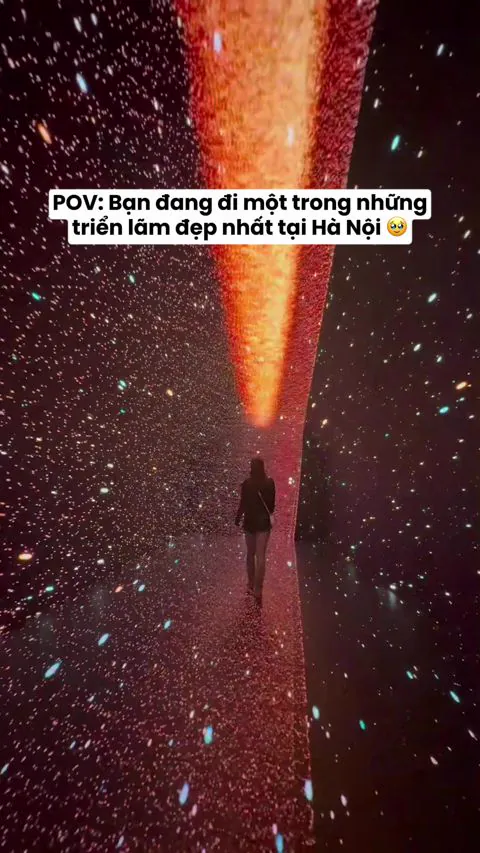
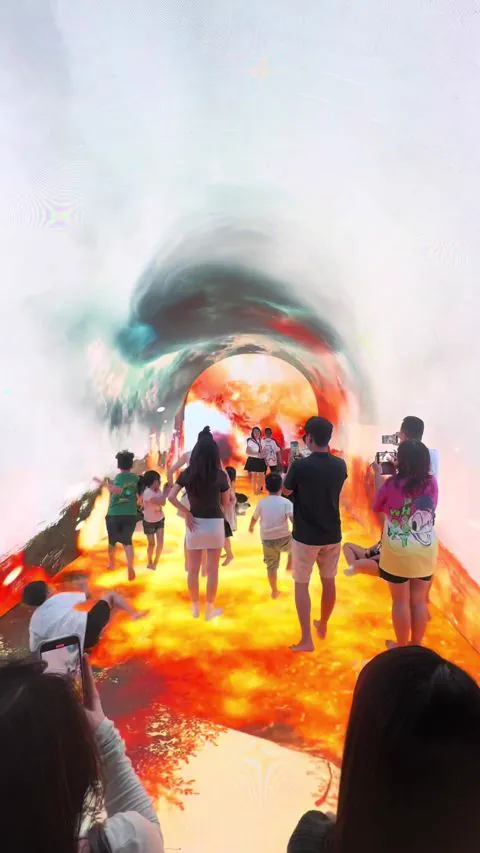
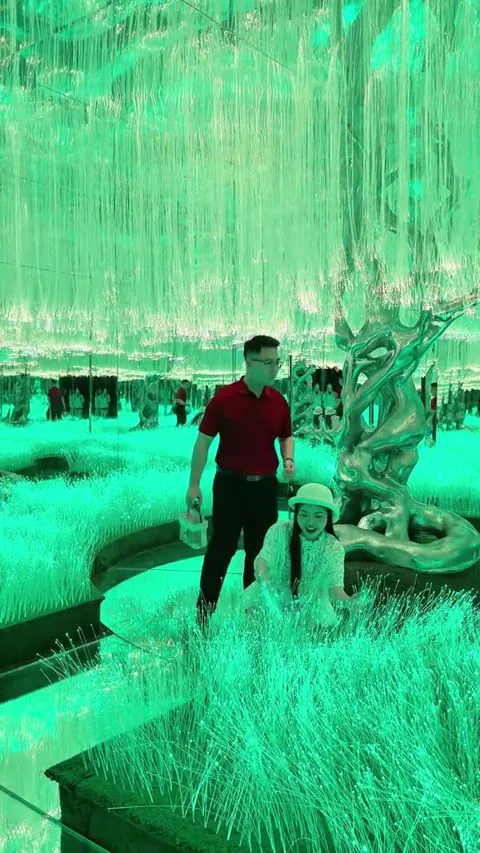
If you’re looking for something even more distinctive, immersive digital art experiences are becoming one of Hanoi’s newest cultural attractions, offering visitors an innovative way to discover Vietnamese history and creativity.
Are there non-touristy places to visit in Hanoi?
Absolutely. While attractions like Hoan Kiem Lake and the Temple of Literature are worth visiting, many of Hanoi’s hidden treasures lie in its residential neighborhoods and lesser-known districts.
Some excellent non-touristy experiences include:
- Quiet local markets.
- Hidden cafés inside French villas.
- Community temples.
- Independent bookstores.
- Artisan workshops.
- Riverside cycling routes.
- Small neighborhood galleries.
These places provide a more authentic glimpse into everyday life while allowing visitors to escape the busiest tourist crowds.
How many days do you need to explore hidden Hanoi?
Three to five days is ideal if you want to experience Hanoi beyond its major attractions.
This gives you enough time to combine:
- Historical landmarks.
- Street food experiences.
- Local neighborhoods.
- Art galleries.
- Traditional villages.
- Evening activities.
- Immersive cultural experiences.
Travelers staying longer will also have the flexibility to explore seasonal festivals and nearby destinations.
What is the best time to visit Hanoi?
Spring (March to April) and autumn (September to November) are generally considered the best seasons.
The weather is pleasant for walking tours, outdoor cafés, cycling, and exploring Hanoi’s hidden neighborhoods.
Summer brings vibrant greenery and cultural festivals, while winter offers cooler temperatures that many visitors find comfortable for sightseeing.
Is Hanoi suitable for solo travelers?
Yes. Hanoi is widely regarded as one of Southeast Asia’s friendliest cities for independent travelers.
Walking tours, cooking classes, photography walks, creative workshops, and cultural performances all provide excellent opportunities to meet fellow travelers while discovering the city at your own pace.
The city’s café culture also makes it easy to spend relaxing afternoons reading, writing, or simply watching everyday life unfold.
What should I include in a unique Hanoi itinerary?
A balanced itinerary should combine famous landmarks with authentic local experiences.
For example:
- Morning street food tour.
- Walking through hidden alleys.
- Visiting an independent art gallery.
- Joining a traditional craft workshop.
- Exploring a local market.
- Watching sunset by West Lake.
- Ending the day with an immersive cultural experience.
This combination offers a deeper understanding of Hanoi than simply visiting its most photographed attractions.
Experience X Space Immersive – Discover Hanoi Through a New Perspective

Visitors exploring X Space Immersive digital art exhibition in Hanoi
After exploring Hanoi’s hidden neighborhoods, tasting authentic local cuisine, and discovering centuries-old traditions, there is one more experience that perfectly complements your journey—Experience X Space Immersive.
Unlike a conventional museum or art gallery, Experience X Space Immersive blends cutting-edge technology with storytelling to create a fully immersive environment where visitors don’t simply observe—they become part of the experience.
Using a combination of large-scale digital projections, surround sound, interactive visuals, and carefully designed lighting effects, the exhibition transforms storytelling into a multisensory adventure that appeals to visitors of all ages.
Rather than presenting history through static displays, the experience invites guests to step inside beautifully crafted visual worlds inspired by culture, creativity, and imagination.
Why Visit Experience X Space Immersive?
If you’re searching for unique things to do in Hanoi, this immersive attraction offers something refreshingly different from traditional sightseeing.
Visitors can expect:
- Large-scale immersive digital projections.
- Interactive multimedia installations.
- Stunning visual storytelling.
- Family-friendly experiences.
- Creative photo opportunities.
- Comfortable indoor environment throughout the year.
Whether you’re visiting Hanoi during the summer heat or on a rainy afternoon, it’s an ideal activity that combines entertainment, culture, and technology in one inspiring destination.
Perfect for Every Type of Traveler
One of the greatest strengths of Experience X Space Immersive is its versatility.
Couples
Share memorable moments while exploring beautifully designed immersive environments and capturing unique photographs together.
Families
Interactive installations encourage children to explore through movement, sound, and visual storytelling, making learning engaging and enjoyable.
Solo Travelers
Take your time appreciating every exhibition at your own pace while discovering a completely different side of Hanoi’s creative scene.
Friends and Content Creators
The striking digital installations provide exceptional opportunities for photography and social media content, with every room offering a unique visual atmosphere.
A Modern Addition to Hanoi’s Cultural Scene
Hanoi is often celebrated for preserving its rich history, but it is also a city that continues to innovate.
Experience X Space Immersive represents this modern spirit by introducing a new way to experience art and storytelling—one that combines technology with emotion while remaining accessible to international visitors and local residents alike.
As immersive entertainment becomes increasingly popular around the world, Hanoi is embracing this creative movement with experiences that complement its traditional cultural attractions rather than replacing them.
Visiting both historic landmarks and immersive exhibitions allows travelers to appreciate how the city honors its past while looking confidently toward the future.
Final Thoughts
Hanoi is a city that rewards curiosity, where every hidden alley, local café, and cultural experience reveals a new side of its timeless charm. If you’re searching for unique things to do in Hanoi, venture beyond the famous landmarks and embrace authentic experiences that connect you with the city’s rich history, vibrant creativity, and everyday local life. Your most unforgettable memories in Hanoi may be waiting where the crowds never go.
Was this article helpful?
Thanks for your feedback!