Vietnam Museum of Ethnology: Complete Visitor Guide 2026

The Vietnam Museum of Ethnology is one of Hanoi’s most remarkable cultural attractions, offering visitors a unique opportunity to discover the traditions, customs, and daily lives of Vietnam’s 54 ethnic groups. More than just a museum, it is a gateway to the country’s rich cultural heritage, where authentic artifacts, traditional architecture, and interactive exhibitions bring centuries of history to life.
Whether you’re visiting Hanoi for the first time or looking to explore Vietnam beyond its famous landmarks, this complete 2026 guide will help you plan your trip with confidence. From opening hours and ticket prices to must-see exhibits and practical travel tips, you’ll find everything you need to enjoy an unforgettable visit to the Vietnam Museum of Ethnology.
In this guide
What Is the Vietnam Museum of Ethnology?
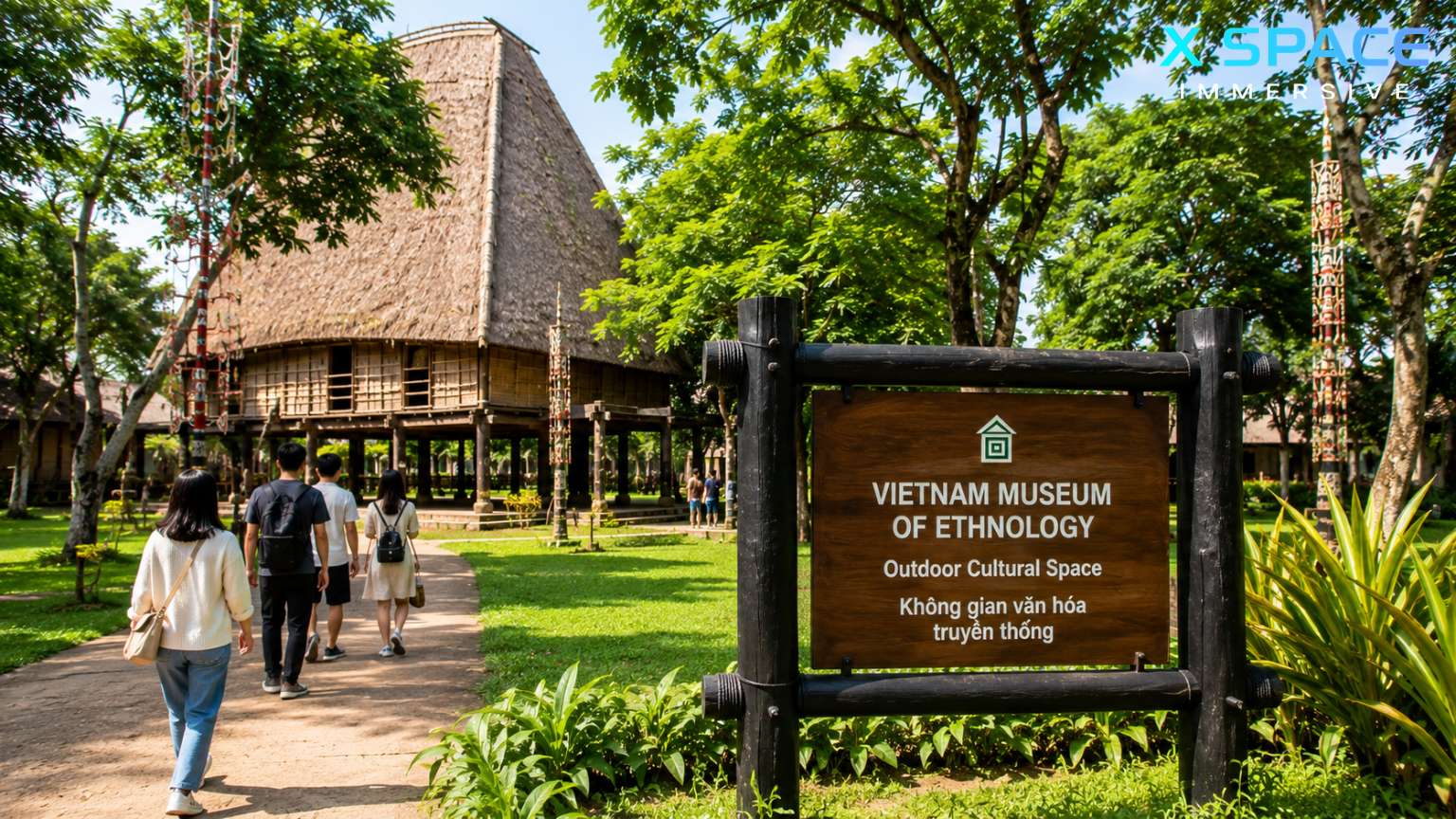
Front entrance of the Vietnam Museum of Ethnology in Hanoi surrounded by tropical gardens
The Vietnam Museum of Ethnology is one of Vietnam’s leading museums dedicated to preserving, researching, and showcasing the cultures of the country’s 54 ethnic groups. Established with the mission of celebrating cultural diversity, it offers visitors an opportunity to understand how different communities have contributed to Vietnam’s national identity through language, architecture, craftsmanship, beliefs, and daily life.
Unlike museums that focus primarily on historical events or archaeological discoveries, this institution places people at the center of every exhibition. Each gallery tells stories of real communities – their traditions, festivals, agricultural practices, family structures, and artistic achievements – creating a deeper appreciation for Vietnam’s multicultural heritage.
Today, the museum is widely regarded as one of the most educational and engaging cultural attractions in Hanoi, welcoming hundreds of thousands of domestic and international visitors every year.
The History Behind the Museum
The idea of creating a national ethnology museum emerged during Vietnam’s efforts to preserve traditional cultures in the face of rapid modernization. As urban development expanded and lifestyles evolved, many unique customs, crafts, and architectural styles faced the risk of disappearing.
Recognizing the importance of safeguarding this heritage, the Vietnamese government established the museum in the early 1990s. After years of planning, research, and collection, the museum officially opened its doors to the public in 1997.
Designed through a collaboration between Vietnamese researchers and international architects, the museum itself reflects a harmonious blend of modern architecture and cultural symbolism. Since its opening, the institution has continuously expanded its collections, research projects, and educational programs, becoming a respected center for ethnological studies not only in Vietnam but also throughout Southeast Asia.
Over the years, thousands of valuable artifacts – including traditional clothing, musical instruments, agricultural tools, ceremonial objects, household items, photographs, and oral histories – have been carefully collected from communities across the country. These collections ensure that future generations can continue learning about cultures that have been preserved for centuries.
Why It Is One of Vietnam’s Most Important Cultural Museums
Vietnam is home to an extraordinary diversity of cultures. While the Kinh people make up the majority of the population, the remaining 53 ethnic minorities possess their own distinct languages, clothing, architecture, folklore, festivals, and spiritual beliefs.
Understanding this diversity can be challenging through textbooks alone. The Vietnam Museum of Ethnology bridges that gap by transforming history into a living experience.
Visitors don’t simply read descriptions – they see authentic costumes embroidered by hand, enter traditional communal houses built using ancient techniques, observe ritual objects used during important ceremonies, and explore exhibitions designed around everyday life.
This approach makes the museum especially valuable because it emphasizes cultural appreciation rather than simply displaying historical artifacts.
Some of the museum’s greatest strengths include:
- Authentic collections gathered directly from ethnic communities
- Interactive exhibitions suitable for all ages
- Detailed explanations available in multiple languages
- Beautiful outdoor architectural displays
- Ongoing cultural events and live demonstrations
Rather than presenting ethnic cultures as relics of the past, the museum highlights their continuing relevance in modern Vietnam.
A Museum That Brings Vietnam’s Cultural Diversity to Life
One of the reasons travelers consistently recommend visiting the museum is its ability to make cultural learning enjoyable.
Inside the galleries, visitors can follow thematic exhibitions covering topics such as:
- Traditional clothing and textile weaving
- Marriage customs
- Agricultural lifestyles
- Religious beliefs
- Music and dance
- Festivals
- Housing architecture
- Daily family life
Each exhibition is supported by photographs, maps, videos, and personal stories collected directly from local communities.
Outside, the museum becomes even more engaging.
Instead of looking at scale models, visitors can walk inside full-sized traditional houses representing various ethnic groups from Vietnam’s mountainous regions, central highlands, and northern villages. These structures were carefully reconstructed using original materials and traditional building techniques, allowing guests to experience architecture in its authentic form.
This combination of indoor storytelling and outdoor exploration creates a museum experience that feels both educational and memorable.
Mission and Cultural Significance
Beyond serving as a tourist attraction, the museum plays a vital role in preserving Vietnam’s cultural heritage.
Its mission extends across several important areas:
Preserving Traditional Heritage
Many traditional crafts, ceremonies, and architectural styles are gradually disappearing due to modernization.
The museum works closely with local communities to document, preserve, and display these cultural treasures before they are lost.
Supporting Academic Research
Researchers, historians, anthropologists, and students frequently visit the museum to study Vietnam’s diverse ethnic cultures.
The institution regularly publishes research, organizes exhibitions, and collaborates with international museums and universities.
Promoting Cultural Understanding
One of the museum’s greatest achievements is helping visitors appreciate the richness of Vietnam’s multicultural society.
Rather than viewing ethnic communities as isolated groups, visitors gain a deeper understanding of how each culture contributes to the nation’s shared identity.
Inspiring Future Generations
Children especially benefit from interactive learning experiences that encourage curiosity about traditional culture.
Educational workshops, storytelling sessions, folk games, and seasonal cultural events help younger visitors connect with history in meaningful ways.
Why Every Visitor to Hanoi Should Include It in Their Itinerary
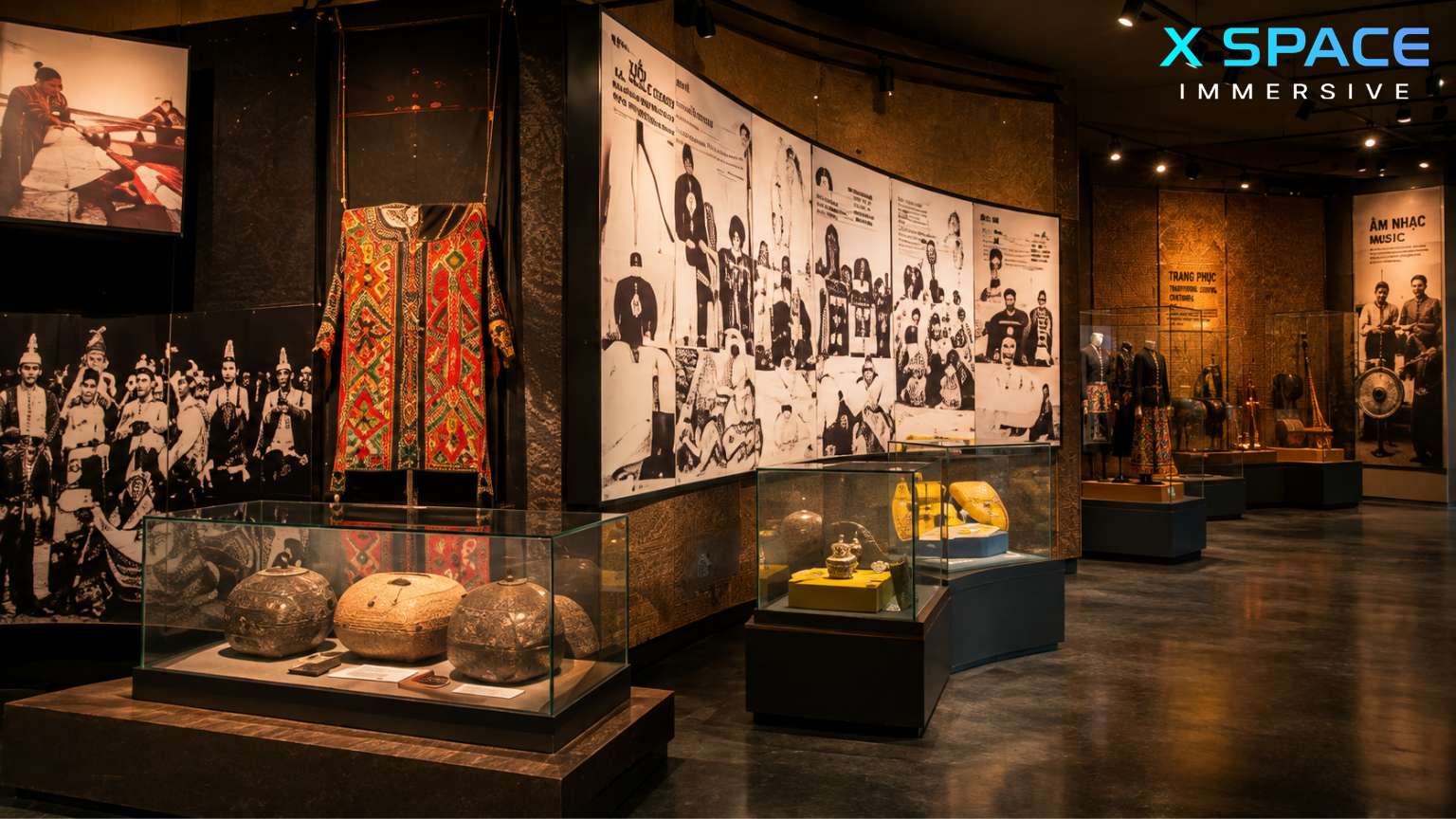
Indoor exhibition at the Vietnam Museum of Ethnology showcasing traditional costumes, artifacts and cultural displays
Many travelers allocate most of their time to Hanoi’s historical landmarks or street food experiences. While these attractions are undoubtedly worthwhile, they often provide only a partial picture of Vietnam.
The Hanoi Vietnam Museum of Ethnology offers something deeper—a chance to understand the people behind the country’s history.
Instead of simply seeing monuments, visitors discover:
- Why ethnic communities developed unique architectural styles.
- How geography influenced traditional lifestyles.
- The symbolism behind colorful textiles and costumes.
- Ancient rituals that continue today.
- The remarkable diversity that defines Vietnam as a nation.
Whether you’re spending two days or a full week in Hanoi, the museum offers an enriching experience that complements visits to the Old Quarter, Ho Chi Minh Mausoleum, and the Temple of Literature.
For travelers seeking authentic cultural insights rather than just sightseeing, few places provide as comprehensive an introduction to Vietnam’s heritage.
Where Is the Vietnam Museum of Ethnology in Hanoi?
Conveniently located in the Cau Giay District, the Vietnam Museum of Ethnology in Hanoi is approximately 8 kilometers west of Hoan Kiem Lake and the Old Quarter. Thanks to its accessible location, the museum is an easy stop for travelers exploring Hanoi’s cultural landmarks.
Unlike the busy streets of the city center, the museum is surrounded by spacious gardens and peaceful greenery, providing a relaxing atmosphere that perfectly complements its cultural exhibitions. Whether you plan to spend a few hours or an entire afternoon, reaching the museum is straightforward using various transportation options.
Exact Location
Address:
Nguyen Van Huyen Street, Nghia Do Ward, Cau Giay District, Hanoi, Vietnam
The Hanoi Vietnam Museum of Ethnology sits near several universities, research institutes, and diplomatic areas, making it one of the city’s most accessible museums for both domestic and international visitors.
The museum is approximately:
- 20–25 minutes from Hoan Kiem Lake by car
- 15–20 minutes from the Temple of Literature
- 30–40 minutes from Noi Bai International Airport
- 15 minutes from West Lake (Tay Ho)
Its location also makes it easy to combine with other popular attractions in a one-day Hanoi itinerary.
How to Get to the Vietnam Museum of Ethnology
No matter where you’re staying in Hanoi, reaching the museum is relatively simple.
By Taxi or Ride-Hailing Apps
The easiest and most convenient option is taking a taxi or booking a ride through apps like Grab.
Estimated travel times:
- Old Quarter: 20–25 minutes
- Ho Chi Minh Mausoleum: 15–20 minutes
- West Lake: 10–15 minutes
Traffic in Hanoi can become busy during rush hours (7:00–9:00 AM and 4:30–6:30 PM), so it’s worth allowing a little extra travel time if you’re visiting during these periods.
By Public Bus
For budget-conscious travelers, Hanoi’s public bus network offers several routes that stop near the museum.
Although buses are inexpensive, they may take longer than taxis, especially during peak hours. If you’re unfamiliar with the city, using Google Maps or a local transit app can help you identify the most convenient route.
By Motorbike or Bicycle
If you enjoy exploring Hanoi independently, renting a motorbike is another popular option.
The museum provides parking for visitors, making it convenient for those traveling on two wheels. Cycling is also possible from nearby districts, especially during the cooler months when Hanoi’s weather is more pleasant.
Walking Nearby
While the museum is too far to walk from the Old Quarter, visitors staying in Cau Giay District or nearby hotels can comfortably reach it on foot.
The surrounding neighborhood is relatively quiet, with wide sidewalks, cafés, convenience stores, and local restaurants along the way.
Opening Hours, Entrance Fees & Visitor Information
Planning ahead helps ensure a smooth and enjoyable visit. Before heading to the museum, it’s useful to know its opening hours, admission fees, and available visitor services.
Opening Hours
The Vietnam Museum of Ethnology is generally open throughout the week except on Mondays.
Typical opening hours are:
- Tuesday – Sunday: 8:30 AM – 5:30 PM
- Monday: Closed
The museum may also close or adjust its schedule during major Vietnamese public holidays, so checking the latest information before your visit is recommended.
Entrance Fees
The museum offers affordable admission, making it an excellent value for travelers interested in Vietnamese culture.
Typical ticket categories include:
- Adults
- Students (with valid identification)
- Children
- Senior visitors
Special discounts or free admission may be available during cultural events or national celebrations.
Considering the quality of the exhibitions and the size of the outdoor cultural space, many visitors regard the museum as one of Hanoi’s best-value attractions.
Guided Tours
To gain a deeper understanding of Vietnam’s diverse ethnic communities, visitors can join a guided tour.
Knowledgeable guides explain:
- The history of Vietnam’s ethnic groups
- Traditional customs and rituals
- Unique architectural styles
- Cultural symbolism behind artifacts
- Stories connected to the museum’s collections
Guided tours are especially recommended for first-time visitors who want more context than exhibition labels alone can provide.
Audio Guides
Independent travelers may also benefit from audio guides available in several languages.
These guides allow visitors to explore the museum at their own pace while learning detailed information about each gallery and outdoor exhibit.
Visitor Facilities
The museum is designed to accommodate visitors of all ages.
Facilities include:
- Free parking
- Restrooms
- Souvenir shop
- Café and refreshment area
- Drinking water stations
- Wheelchair accessibility
- Rest areas throughout the museum grounds
Families with young children will also appreciate the spacious outdoor environment, where kids can safely explore traditional houses and open-air exhibits.
Best Time to Visit
Although the museum welcomes visitors year-round, some seasons offer a more comfortable experience.
The best months to visit are typically:
- October to April, when Hanoi enjoys cooler temperatures and lower humidity.
- Early mornings provide a quieter atmosphere with fewer tour groups.
- Weekdays are generally less crowded than weekends.
If you wish to photograph the outdoor traditional houses, visiting before noon often provides softer natural lighting and a more peaceful environment.
How Much Time Should You Spend?
Most travelers spend between 2 and 3 hours exploring the museum.
A suggested itinerary includes:
- 60–90 minutes exploring the indoor galleries.
- 60 minutes discovering the traditional ethnic houses outdoors.
- 30 minutes relaxing at the café or browsing the museum gift shop.
Photography enthusiasts or visitors interested in anthropology may wish to spend even longer, as the museum’s extensive collections reward a slower, more detailed exploration.
Helpful Tips Before Your Visit
To make the most of your experience at the Vietnam Museum of Ethnology, consider these practical tips:
- Wear comfortable walking shoes, as the outdoor exhibition area is quite large.
- Bring a hat or umbrella if visiting during the summer months.
- Carry a camera or smartphone—the traditional houses and gardens offer excellent photo opportunities.
- Read the exhibition descriptions carefully to gain a deeper understanding of each ethnic group’s traditions.
- Allow extra time if you plan to attend seasonal cultural performances or educational workshops, which occasionally take place on weekends and public holidays.
With a little planning, your visit to the Vietnam Museum of Ethnology in Hanoi can become one of the most rewarding cultural experiences of your journey through Vietnam.
Top Things to See at the Vietnam Museum of Ethnology
One of the reasons the Vietnam Museum of Ethnology consistently ranks among Hanoi’s top cultural attractions is the diversity of experiences it offers. Rather than simply displaying artifacts behind glass cases, the museum invites visitors to step into the daily lives of Vietnam’s ethnic communities through immersive exhibitions, life-sized traditional houses, and interactive cultural displays.
Whether you’re passionate about history, architecture, photography, or simply curious about Vietnam’s rich cultural heritage, every corner of the museum has a story waiting to be discovered.
Explore the Indoor Exhibition Building
Your journey begins inside the museum’s iconic Drum Bronze Building, where permanent exhibitions introduce visitors to Vietnam’s 54 officially recognized ethnic groups.
Each gallery is thoughtfully arranged to showcase how different communities have adapted to their natural environments while preserving unique traditions that have been passed down for generations.
Inside, you’ll discover thousands of carefully preserved artifacts, including:
- Traditional costumes featuring intricate embroidery and handwoven textiles
- Farming tools used in mountainous and rural communities
- Religious objects and ceremonial offerings
- Musical instruments unique to each ethnic group
- Household furniture and handcrafted utensils
- Jewelry, baskets, pottery, and wood carvings
Rather than focusing solely on historical objects, the exhibitions explain how these items were used in everyday life. Informative displays, maps, archival photographs, and documentary videos help visitors understand the cultural significance behind each artifact.
For many travelers, this section provides a fascinating introduction to the incredible diversity that exists within Vietnam.
Walk Through Authentic Traditional Houses
Perhaps the most memorable part of the Vietnam Museum of Ethnology is its expansive outdoor exhibition area.
Instead of viewing miniature models, visitors can explore full-scale traditional houses reconstructed using original materials and traditional construction techniques.
Each house represents a different ethnic community and reflects the unique lifestyle shaped by local geography, climate, and customs.
Some highlights include:
Tay Stilt House
Built on wooden stilts, this spacious home demonstrates how the Tay people adapted to mountainous terrain while protecting their families from floods and wild animals.
Inside, visitors can observe traditional living spaces, wooden furniture, and family gathering areas.
Bahnar Communal House
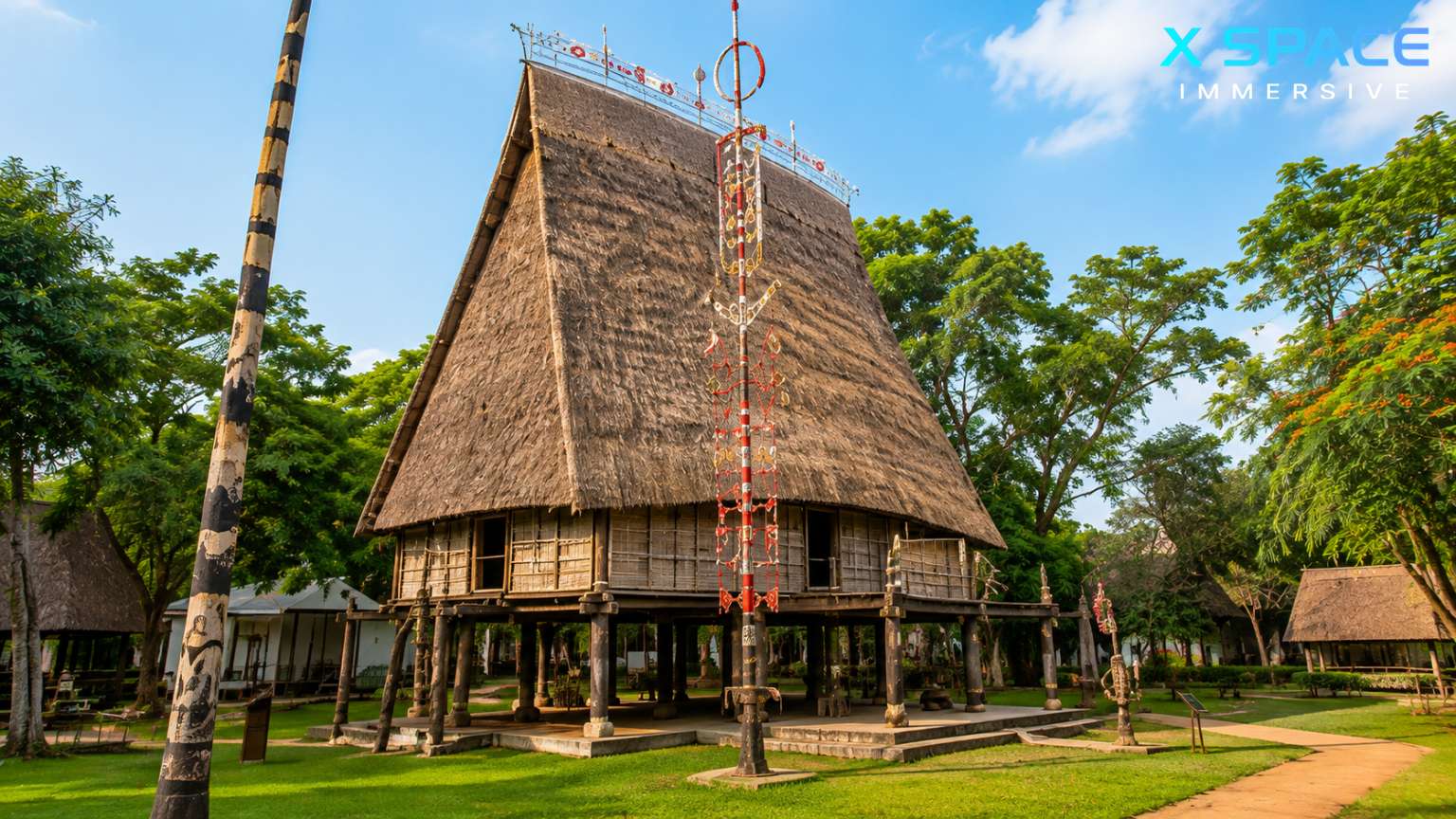
Towering above the surrounding landscape, the Bahnar Rong House is one of the museum’s most impressive structures.
Its dramatically sloping roof symbolizes community unity and serves as the cultural heart of many Central Highlands villages, where ceremonies, festivals, and important meetings take place.
This architectural masterpiece is also one of the museum’s most photographed attractions.
Hmong Earthen House
Unlike elevated stilt houses, the Hmong people traditionally build sturdy earthen homes designed to withstand harsh mountain climates.
Thick walls provide insulation during cold winters while creating a warm and secure family environment.
The simple yet practical design reflects generations of adaptation to northern Vietnam’s rugged landscapes.
Ede Longhouse
The Ede longhouse beautifully illustrates the matrilineal traditions of the Central Highlands.
As families grew, additional sections were added to the house, creating long wooden structures that symbolized family continuity across generations.
Walking through the longhouse offers valuable insight into one of Vietnam’s most distinctive social systems.
Discover Southeast Asian Cultures
Beyond Vietnam’s own ethnic diversity, the museum also introduces visitors to neighboring cultures across Southeast Asia.
This international gallery explores shared traditions and cultural connections between countries such as:
- Thailand
- Laos
- Cambodia
- Indonesia
- Myanmar
- The Philippines
Exhibits feature traditional clothing, masks, religious sculptures, ceremonial objects, and folk art, demonstrating how different societies have influenced one another throughout history.
This section adds valuable regional context, helping visitors appreciate Vietnam’s place within the broader cultural landscape of Southeast Asia.
Temporary Special Exhibitions
Every visit to the museum can be slightly different thanks to rotating temporary exhibitions.
These special displays often focus on contemporary cultural issues, indigenous communities, photography, traditional crafts, or international collaborations.
Depending on the season, visitors may encounter exhibitions exploring topics such as:
- Traditional textile preservation
- Indigenous photography
- Folk music
- Cultural identity
- Environmental conservation
- Contemporary ethnic art
These rotating exhibitions encourage repeat visits while ensuring the museum remains dynamic and relevant.
Interactive Cultural Experiences
Unlike many traditional museums, the Vietnam Museum of Ethnology actively encourages visitor participation.
Throughout the year, guests may have the opportunity to enjoy:
- Traditional folk performances
- Water puppet shows
- Bamboo craft workshops
- Calligraphy demonstrations
- Folk games
- Traditional music performances
- Children’s educational activities
During important Vietnamese festivals such as Lunar New Year or the Mid-Autumn Festival, the museum frequently organizes cultural events where visitors can experience local customs firsthand.
These interactive experiences transform the museum from a place of observation into a place of participation.
Beautiful Gardens and Outdoor Spaces
The museum’s landscaped grounds are attractions in their own right.
Tree-lined pathways connect the traditional houses, creating a peaceful environment that contrasts sharply with Hanoi’s busy streets.
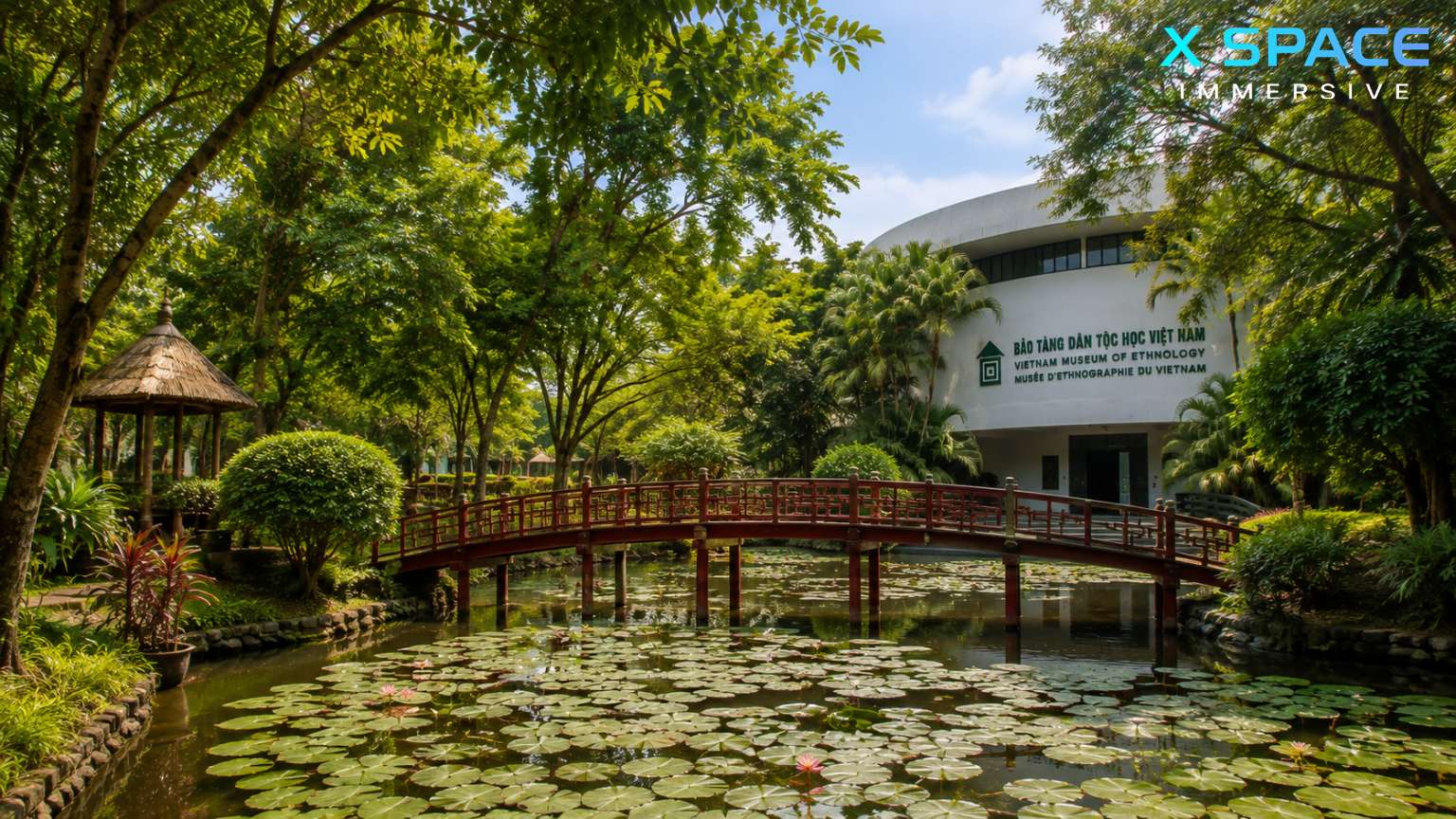
Small ponds, gardens, shaded benches, and open lawns make the outdoor area perfect for leisurely walks and family visits.
Many travelers find themselves spending nearly as much time outdoors as inside the exhibition buildings.
Photography Opportunities
Photography enthusiasts will quickly understand why the museum is considered one of Hanoi’s hidden gems.
Every corner offers unique compositions, including:
- Traditional wooden architecture
- Towering communal houses
- Colorful cultural artifacts
- Peaceful garden landscapes
- Natural lighting beneath ancient trees
Morning and late afternoon provide particularly beautiful lighting for outdoor photography.
The combination of architecture and greenery creates a setting that feels authentic rather than staged, making it a favorite location for travel photographers and culture lovers alike.
Why the Vietnam Museum of Ethnology Is Worth Visiting
Traditional Bahnar communal house at the Vietnam Museum of Ethnology outdoor exhibition area
With so many attractions competing for your time in Hanoi, you might wonder whether the Vietnam Museum of Ethnology deserves a place on your itinerary.
For most visitors, the answer is a resounding yes.
Unlike historical monuments that focus on a single period or event, this museum offers a comprehensive understanding of the people who have shaped Vietnam over thousands of years.
It is an experience that enriches every other destination you visit in the country.
Discover Vietnam Beyond the Tourist Attractions
Many travelers leave Vietnam remembering beautiful beaches, delicious street food, and vibrant cities.
However, the country’s true identity lies in its cultural diversity.
The museum reveals the traditions, beliefs, craftsmanship, and lifestyles that continue to influence Vietnamese society today.
After visiting, you’ll notice cultural details throughout your journey that you may otherwise have overlooked – from traditional clothing worn in mountain villages to architectural styles found in rural communities.
Learn About Vietnam’s 54 Ethnic Groups
Few museums present such a comprehensive overview of ethnic diversity.
Each community has developed unique:
- Languages
- Festivals
- Marriage customs
- Spiritual beliefs
- Agricultural practices
- Traditional architecture
- Clothing styles
- Musical traditions
The museum explains these differences with clarity while highlighting the shared history that connects Vietnam’s diverse communities.
Rather than overwhelming visitors with facts, the exhibitions present information through engaging stories and real-life examples.
A Perfect Destination for Families
Families often rank the museum among the best educational attractions in Hanoi.
Children enjoy:
- Exploring traditional houses
- Watching cultural performances
- Participating in craft activities
- Discovering unusual musical instruments
- Learning through interactive exhibits
Parents appreciate that the museum combines education with entertainment, creating a rewarding experience for visitors of all ages.
Ideal for History and Culture Enthusiasts
If you enjoy anthropology, architecture, archaeology, or cultural history, the museum offers far more than a casual sightseeing stop.
Its carefully curated collections provide valuable insights into how different ethnic communities have preserved their identities despite centuries of political, environmental, and social change.
Each exhibition encourages visitors to think beyond objects and consider the people, stories, and traditions behind them.
One of Hanoi’s Best Photography Locations
The museum is not only educational—it is also visually stunning.
Traditional wooden houses surrounded by lush gardens create countless opportunities for memorable photographs.
Whether you’re capturing intricate architectural details or wide shots of the outdoor exhibition grounds, every season offers something unique.
Spring flowers, summer greenery, autumn sunlight, and winter mist each give the museum a different atmosphere.
An Experience That Stays With You
Perhaps the greatest strength of the Vietnam Museum of Ethnology is that it changes the way visitors see Vietnam.
Instead of viewing the country only through famous landmarks or modern cities, you begin to understand the remarkable diversity of people whose traditions continue to shape everyday life.
By the time you leave, you’ll have gained not only knowledge but also a deeper appreciation for the cultural richness that makes Vietnam one of Southeast Asia’s most fascinating destinations.
It’s this lasting impression that keeps the museum consistently recommended by travelers, educators, historians, and cultural enthusiasts from around the world.
Vietnam Museum of Ethnology Reviews: What Visitors Say
Before visiting a new attraction, many travelers look for honest experiences shared by others. A quick search for Vietnam Museum of Ethnology reviews reveals why this museum is consistently ranked among the best cultural destinations in Hanoi. Visitors from around the world praise its well-curated exhibitions, authentic traditional houses, and immersive learning experience that goes far beyond a typical museum visit.
While every traveler has different interests, the overall feedback highlights one common theme: the museum offers a meaningful and memorable journey into Vietnam’s diverse cultural heritage.
What International Visitors Love Most
Many international travelers describe the museum as one of the most informative places to visit in Hanoi. Unlike historical sites that focus on a specific period, the museum provides a broader understanding of the people, traditions, and customs that have shaped Vietnam for centuries.
Some of the most frequently mentioned highlights include:
- Authentic artifacts with detailed explanations in English.
- Beautiful outdoor exhibition area featuring life-sized traditional houses.
- Peaceful atmosphere away from Hanoi’s busy streets.
- Well-maintained gardens that make exploring enjoyable.
- Friendly staff and helpful visitor services.
For first-time visitors to Vietnam, the museum often serves as an excellent introduction to the country’s remarkable ethnic diversity before traveling to destinations such as Sapa, Ha Giang, or the Central Highlands.
Why Families and Children Enjoy the Museum
Families consistently recommend the museum because it combines education with exploration.
Children are naturally drawn to the outdoor exhibition area, where they can walk through traditional houses, observe unique architecture, and participate in seasonal cultural activities.
Parents appreciate that the museum encourages curiosity through interactive exhibits rather than simply displaying objects behind glass. This balance between learning and hands-on experiences makes it one of Hanoi’s most family-friendly attractions.
Tips Shared by Experienced Visitors
Based on many Vietnam Museum of Ethnology reviews, these practical tips can help you enjoy your visit even more:
- Arrive early in the morning for a quieter experience.
- Allow at least two to three hours to explore both indoor and outdoor exhibitions.
- Wear comfortable shoes, as you’ll spend plenty of time walking.
- Bring a camera—the traditional houses provide excellent photo opportunities.
- Visit during cooler months for a more pleasant outdoor experience.
- Consider joining a guided tour if you’re interested in learning more about Vietnam’s ethnic communities.
Small preparations like these can make your visit more comfortable and rewarding.
Vietnam Museum of Ethnology vs National Museum of Vietnamese History
Peaceful garden, pond and red bridge at the Vietnam Museum of Ethnology in Hanoi
Hanoi is home to several outstanding museums, and many travelers wonder whether they should visit the Vietnam Museum of Ethnology or the National Museum of Vietnamese History. While both are excellent destinations, they offer very different experiences.
Understanding their unique focus will help you choose the museum that best matches your interests – or decide to visit both.
Vietnam Museum of Ethnology
This museum focuses primarily on the people of Vietnam and their cultural diversity.
Visitors can explore:
- Traditional architecture
- Ethnic costumes
- Religious practices
- Daily life
- Folk traditions
- Interactive outdoor exhibitions
The experience is immersive and highly visual, making it suitable for families, photographers, and anyone interested in anthropology or cultural heritage.
National Museum of Vietnamese History
The National Museum of Vietnamese History takes visitors on a chronological journey through thousands of years of Vietnamese history.
Its collections include:
- Ancient archaeological discoveries
- Bronze drums
- Royal artifacts
- Ceramics
- Historical documents
- Imperial treasures
- Exhibitions covering major historical periods
Rather than focusing on everyday cultural life, the museum highlights Vietnam’s political development, archaeological heritage, and historical milestones.
Which Museum Should You Choose?
The answer depends on what interests you most.
Choose the Vietnam Museum of Ethnology if you want to:
- Learn about Vietnam’s 54 ethnic groups.
- Explore authentic traditional houses.
- Enjoy interactive cultural experiences.
- Visit with children or family.
- Take beautiful outdoor photographs.
Choose the National Museum of Vietnamese History if you’re interested in:
- Ancient civilizations.
- Archaeology.
- Royal dynasties.
- Historical artifacts.
- Vietnam’s political and cultural evolution.
If your schedule allows, visiting both museums provides a well-rounded understanding of Vietnam’s history and cultural identity.
Frequently Asked Questions
Is the Vietnam Museum of Ethnology worth visiting?
Absolutely. It is widely regarded as one of Hanoi’s best museums thanks to its combination of authentic cultural exhibitions, traditional architecture, and interactive learning experiences.
How much time should I spend at the museum?
Most visitors spend between two and three hours exploring both the indoor galleries and outdoor exhibition area. Photography enthusiasts or those joining guided tours may wish to stay longer.
Is the museum suitable for children?
Yes. Families often consider it one of the most child-friendly museums in Hanoi. The spacious outdoor area, traditional houses, and interactive cultural activities make it engaging for younger visitors.
Is photography allowed?
Photography is generally permitted in most public exhibition areas for personal use. However, visitors should always follow museum guidelines, especially during temporary exhibitions or cultural performances.
When is the best time to visit?
The cooler months between October and April offer the most comfortable weather for exploring the outdoor exhibitions. Visiting on weekday mornings is also recommended for a quieter experience.
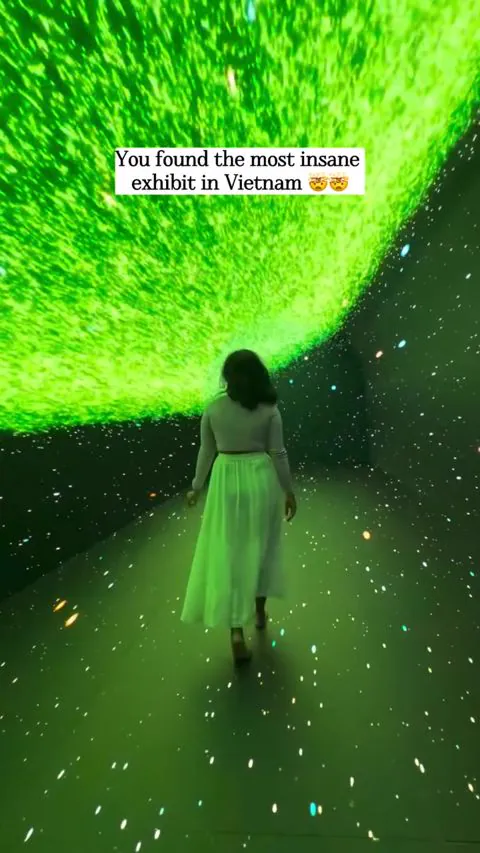
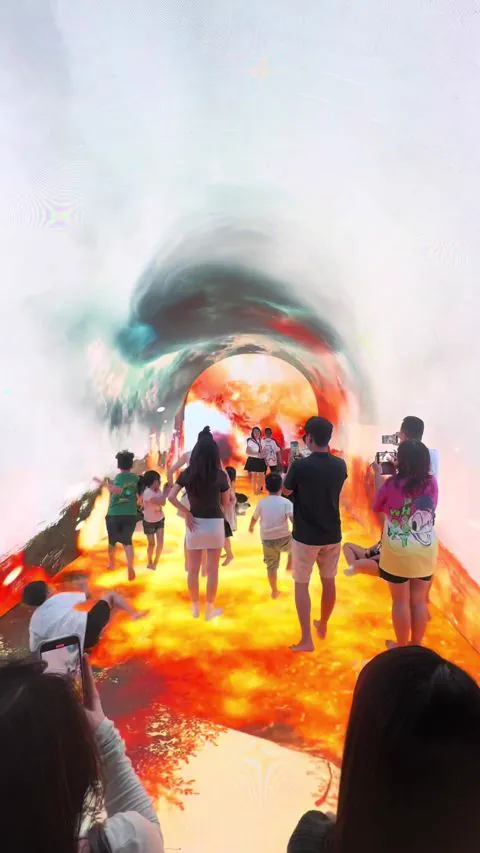
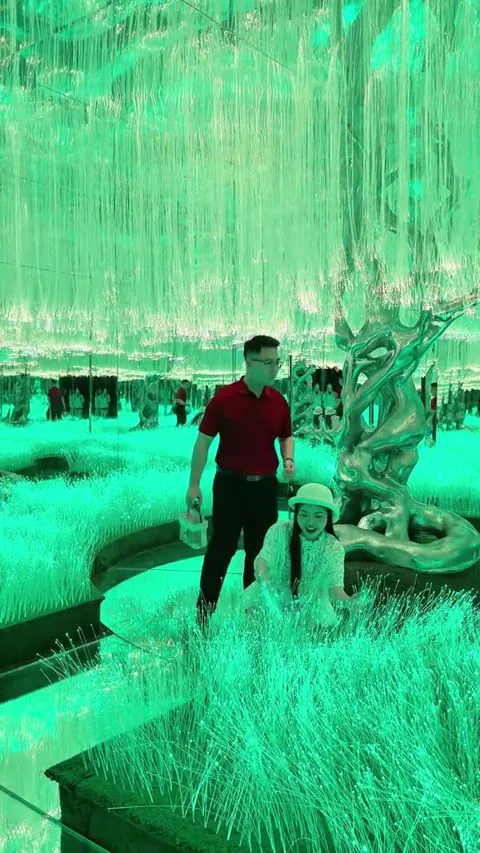
Experience X Space Immersive – Continue Your Cultural Journey Through Immersive Technology
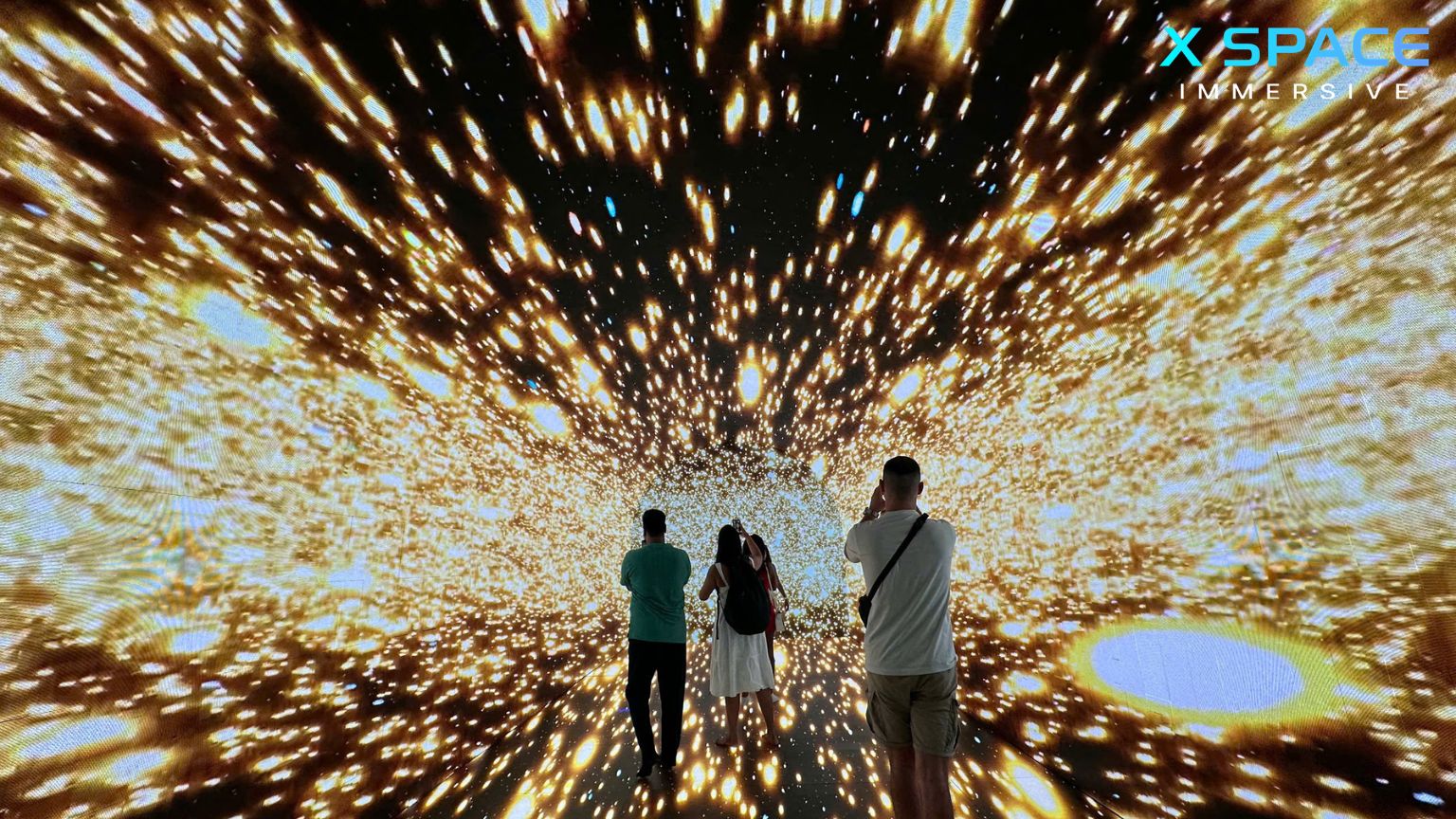
Visitors enjoying the X Space Immersive experience in Hanoi
A visit to the Vietnam Museum of Ethnology offers a fascinating introduction to Vietnam’s rich cultural heritage through authentic artifacts, traditional architecture, and carefully curated exhibitions. But what if you could go one step further—not just observe history, but feel as though you were part of it?
That’s where Experience X Space Immersive offers a different perspective on cultural exploration.
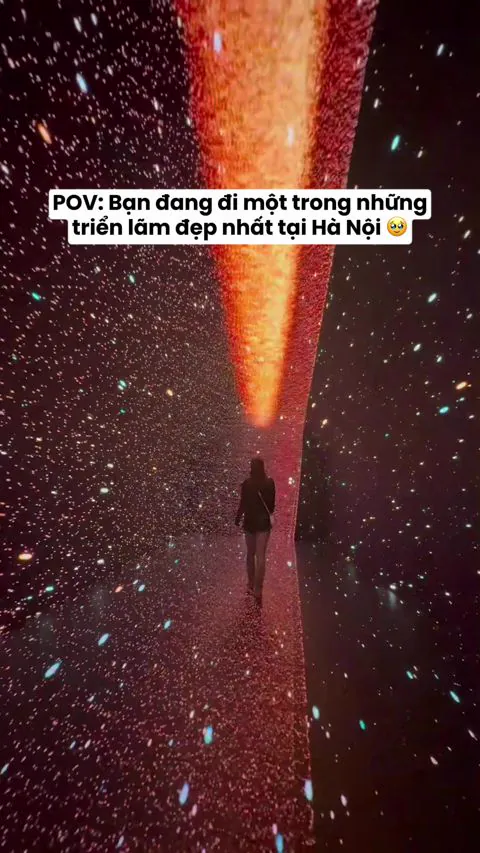
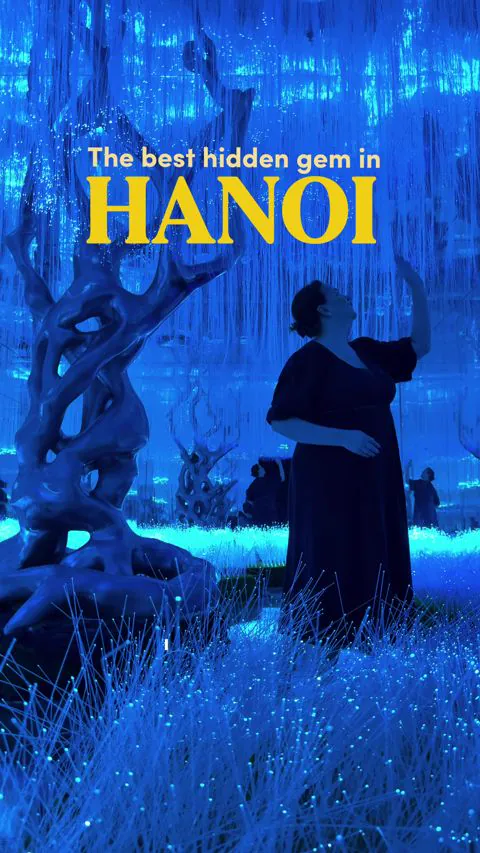
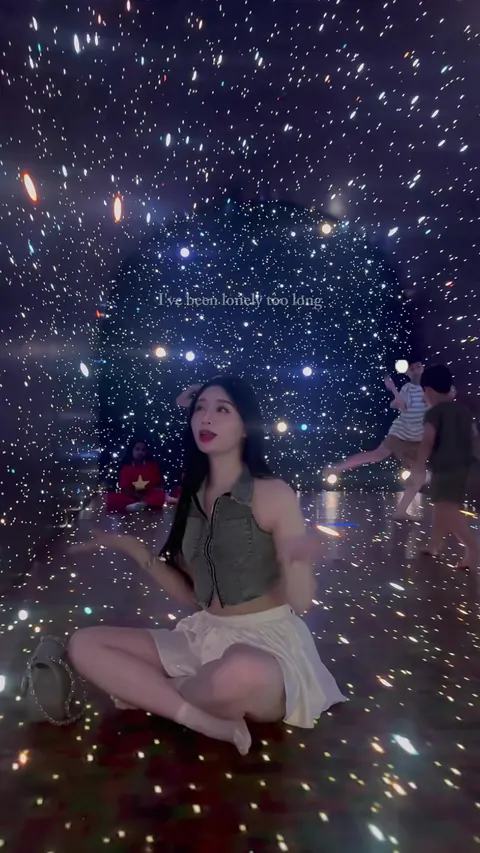
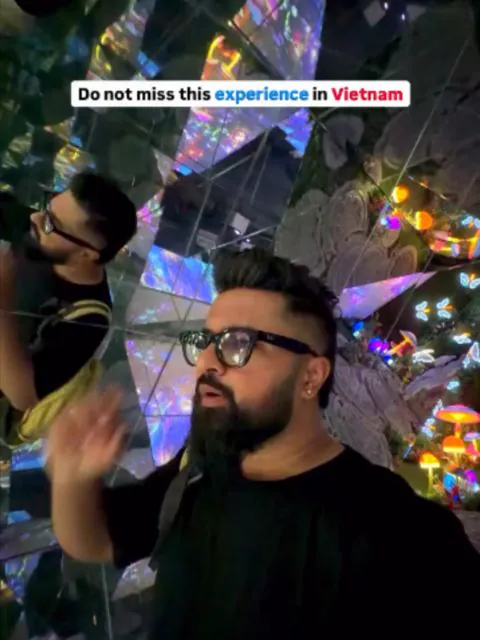
Rather than presenting history through display cases, immersive technology transforms storytelling into a multi-sensory journey. With large-scale digital projections, synchronized soundscapes, and interactive visual effects, visitors can experience art, history, and culture in a way that feels vivid, engaging, and memorable.
While traditional museums preserve the authenticity of the past, immersive spaces reinterpret cultural stories using cutting-edge technology, creating an experience that appeals to visitors of all ages.
For travelers planning a cultural itinerary in Hanoi, combining both experiences provides a unique balance:
- Explore authentic artifacts and traditional ethnic architecture at the Vietnam Museum of Ethnology.
- Discover how digital innovation can reimagine cultural storytelling at Experience X Space Immersive.
- Enjoy two complementary perspectives on Vietnam’s heritage—one rooted in preservation, the other in immersive interpretation.
Whether you’re traveling with family, friends, or exploring Hanoi on your own, experiencing both destinations allows you to appreciate how history and technology can work together to inspire curiosity, creativity, and a deeper connection with culture.
Final Thoughts
The Vietnam Museum of Ethnology is far more than a museum—it’s a gateway to understanding the diverse communities that have shaped Vietnam’s identity for generations. From fascinating indoor exhibitions and life-sized traditional houses to interactive cultural activities, every visit offers new insights into the country’s rich heritage.
Whether you’re a history enthusiast, a culture lover, or simply looking for one of the best things to do in Hanoi, this remarkable museum deserves a place on your itinerary.
And if you’re inspired to continue your journey beyond traditional exhibitions, pairing your visit with Experience X Space Immersive offers a fresh, modern way to explore cultural storytelling through immersive technology. Together, these two experiences create a richer and more memorable cultural adventure in Hanoi—one that connects the past, the present, and the future.
Was this article helpful?
Thanks for your feedback!