Hanoi Historical Sites: 15 Must-Visit Landmarks for Every Traveler

Hanoi is a city where history comes alive. From ancient temples and UNESCO heritage sites to colonial architecture and wartime landmarks, every corner reflects the rich cultural legacy of Vietnam’s thousand-year-old capital.
Whether you’re visiting for the first time or returning to explore more, discovering Hanoi historical sites is one of the best ways to experience the city’s unique character. In this guide, you’ll explore 15 must-visit landmarks, travel tips, and hidden gems that bring Hanoi’s fascinating history to life.
In this guide
Why Hanoi Historical Sites Belong on Every Vietnam Itinerary
Unlike many modern capitals, Hanoi has managed to preserve its historic identity while embracing contemporary life.
Walking through the city means traveling across different centuries within just a few kilometers. Ancient temples stand beside French colonial villas. Traditional markets continue to flourish near modern cafés. Every neighborhood reflects a unique chapter of Vietnam’s remarkable history.
Exploring Hanoi historical sites allows travelers to:
- Understand over 1,000 years of Vietnamese civilization.
- Experience authentic cultural traditions.
- Discover UNESCO-recognized heritage.
- Learn about Vietnam’s wartime resilience.
- Admire one of Asia’s best-preserved colonial districts.
- Enjoy beautiful lakes, parks, and spiritual landmarks.
No matter your travel style – history enthusiast, photographer, architecture lover, or family traveler – Hanoi offers unforgettable cultural experiences.
Top 15 Hanoi Historical Sites You Shouldn’t Miss
1. Ho Chi Minh Mausoleum
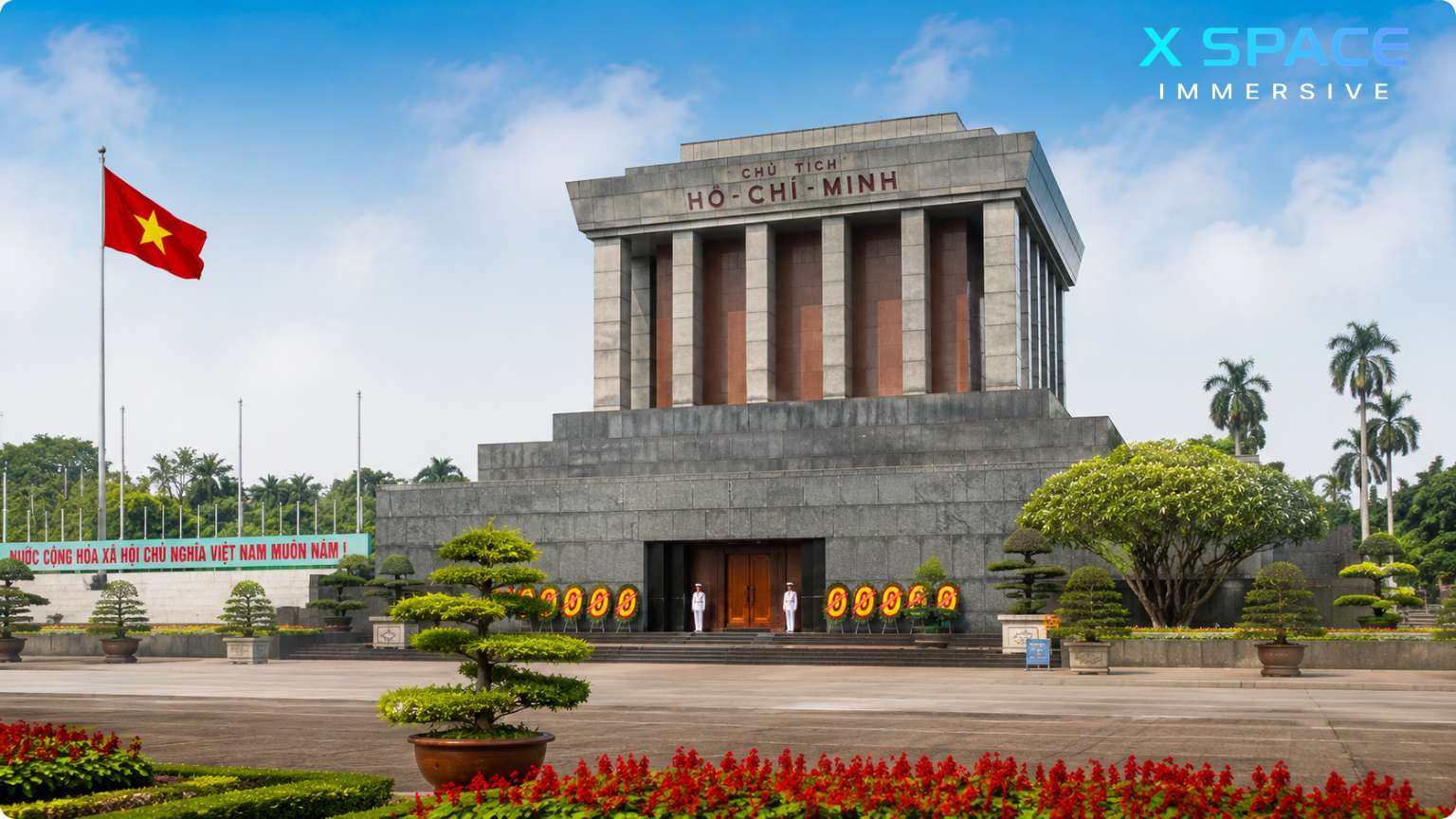
Ho Chi Minh Mausoleum in Hanoi – Vietnam’s iconic national monument
The Ho Chi Minh Mausoleum is one of Vietnam’s most iconic national monuments. Visitors come here to pay respects to President Ho Chi Minh, whose legacy shaped modern Vietnam.
The surrounding Ba Dinh Square, Presidential Palace, and museums provide deeper insights into the country’s revolutionary history.
Highlights
- National historical landmark
- Ho Chi Minh Museum
- Presidential Palace
- Ba Dinh Square
- Beautiful gardens
Travel Tip
Arrive early in the morning to avoid long queues and wear respectful clothing.
2. Temple of Literature (Van Mieu)
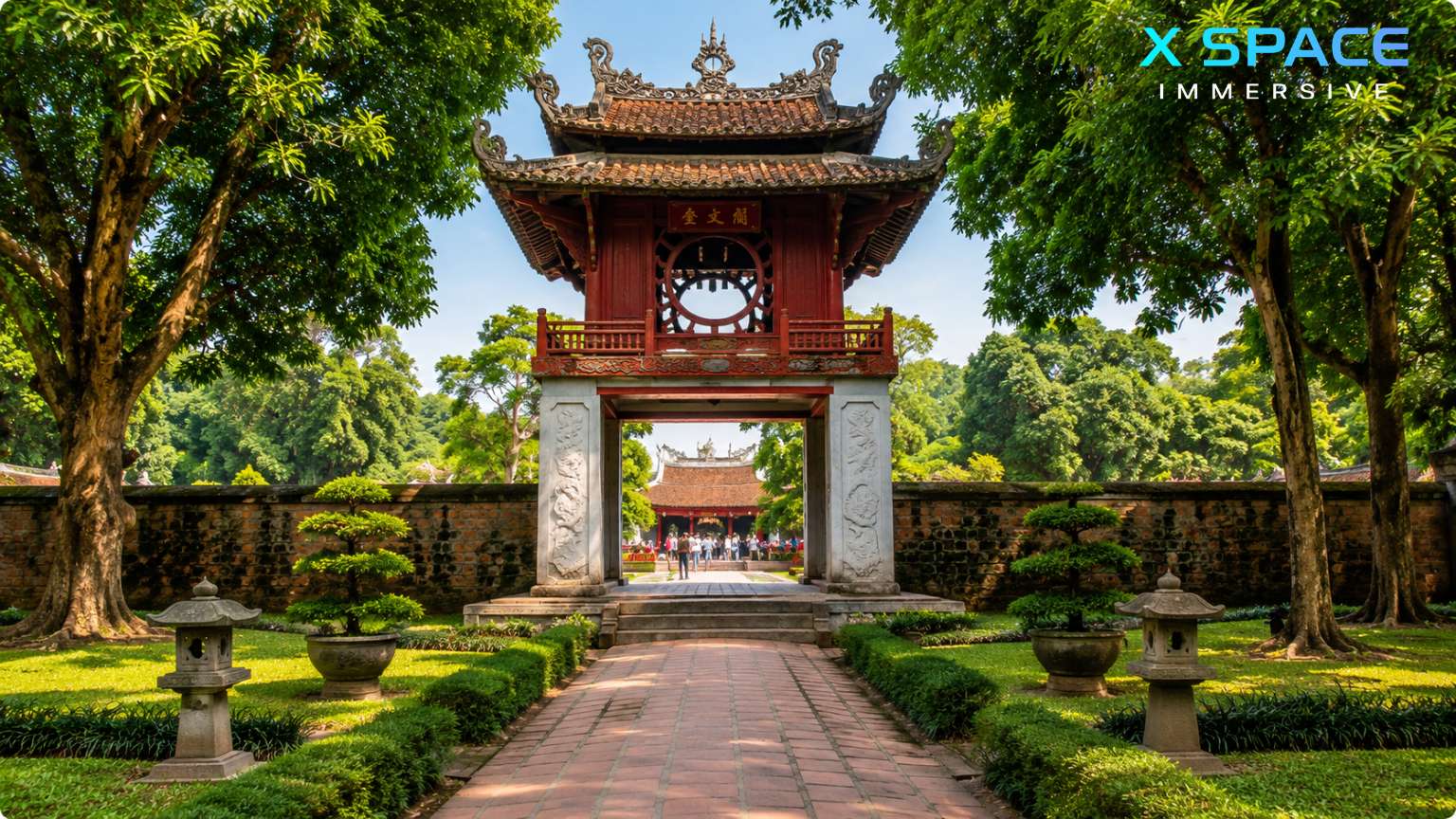
Temple of Literature in Hanoi – Vietnam’s first national university
Founded in 1070, the Temple of Literature is Vietnam’s first national university and one of the finest preserved historical sites in Hanoi.
Ancient courtyards, stone steles, lotus ponds, and traditional Vietnamese architecture create a peaceful atmosphere that reflects centuries of scholarship.
Many students still visit before important examinations to pray for academic success.
Why Visit
- Beautiful traditional architecture
- Rich educational history
- Excellent photography location
- Cultural performances during festivals
3. Imperial Citadel of Thang Long
Recognized among the most important Hanoi UNESCO sites, the Imperial Citadel of Thang Long represents over thirteen centuries of political history.
Archaeological discoveries beneath the palace reveal foundations from multiple dynasties, offering visitors a fascinating glimpse into Vietnam’s imperial past.
The site combines ancient gates, royal palaces, military headquarters, and underground command bunkers from the Vietnam War, making it one of the city’s most unique attractions.
4. Hoa Lo Prison – A Powerful Window into Hanoi’s Wartime History
Among all Hanoi war sites, Hoa Lo Prison is perhaps the most emotional place to visit. Built by the French colonial government in the late 19th century, it originally held Vietnamese revolutionaries before later becoming known internationally during the Vietnam War.
Today, the museum tells two intertwined stories: the struggle for Vietnamese independence and the experiences of American prisoners of war. Through preserved prison cells, artifacts, photographs, and personal testimonies, visitors gain a deeper understanding of the resilience and determination that shaped modern Vietnam.
Highlights
- Original prison blocks
- Historical exhibitions
- Multimedia displays
- One of the most significant Hanoi war sites
5. Hoan Kiem Lake and Ngoc Son Temple
No list of Hanoi historical sites is complete without Hoan Kiem Lake. According to Vietnamese legend, Emperor Le Loi returned a magical sword to the Golden Turtle God here after defeating foreign invaders.
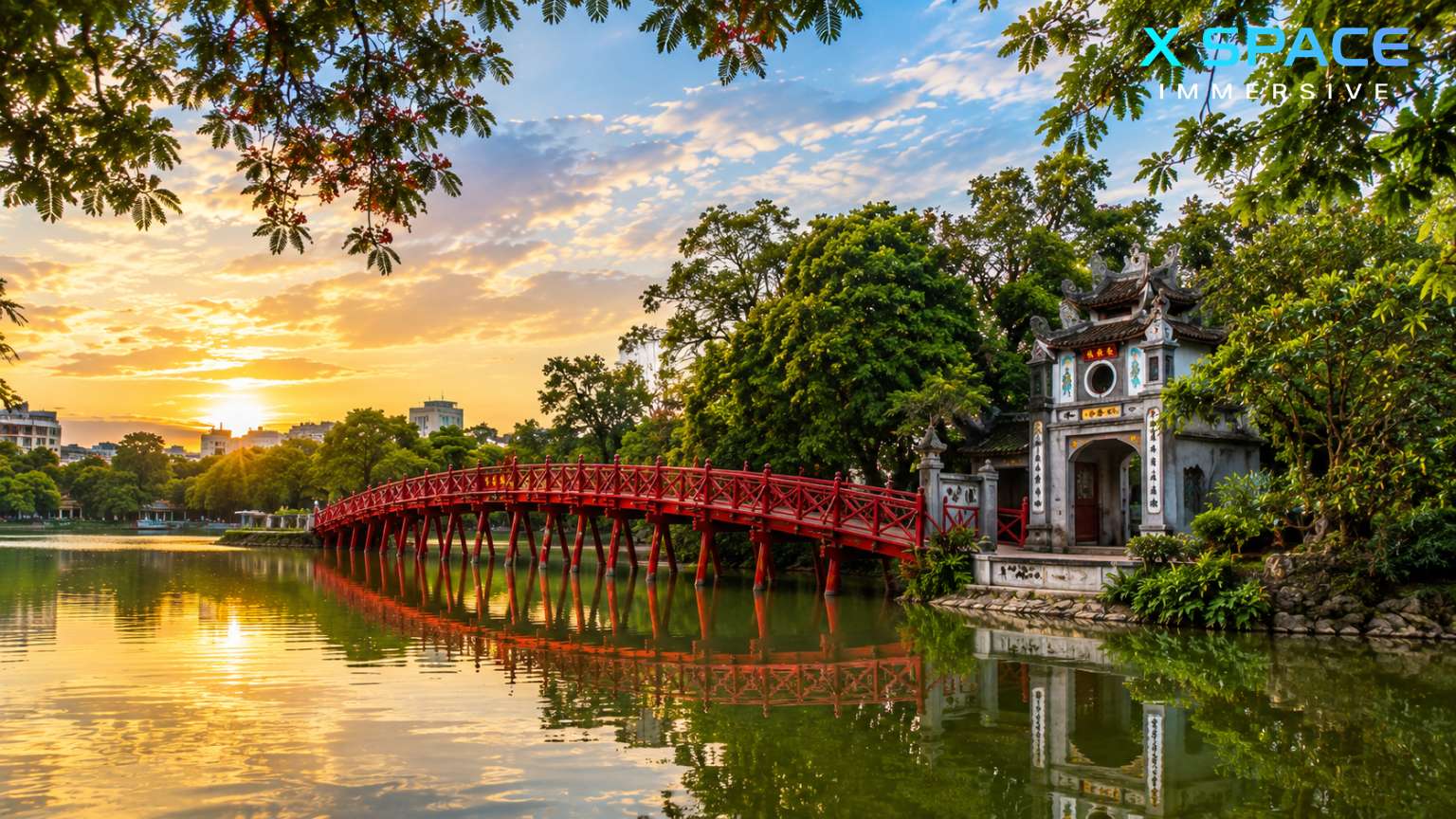
Hoan Kiem Lake and Ngoc Son Temple in Hanoi at sunset
At the center of the lake sits Ngoc Son Temple, connected by the iconic red Huc Bridge. The peaceful scenery contrasts beautifully with the bustling Old Quarter, making it one of Hanoi’s most photographed locations.
Travel Tip: Visit early in the morning to experience local tai chi sessions and a quieter atmosphere.
6. One Pillar Pagoda
Built in 1049 during the Ly Dynasty, One Pillar Pagoda is one of Vietnam’s most recognizable religious monuments. Designed to resemble a lotus blossom rising from the water, the pagoda symbolizes purity and enlightenment.
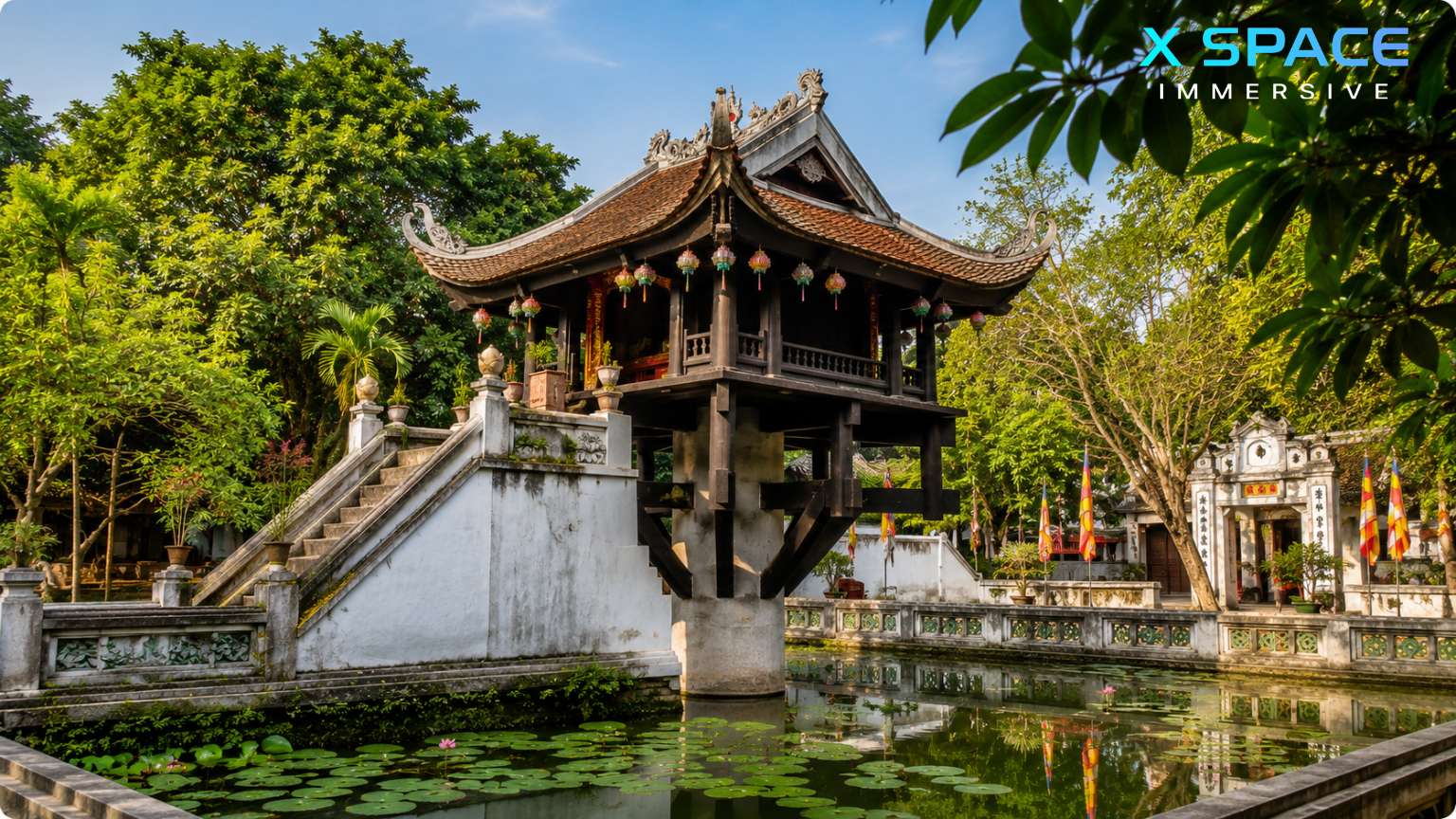
One Pillar Pagoda in Hanoi – Iconic Buddhist temple of Vietnam
Despite being small, it carries immense cultural and historical significance and is often included in every itinerary featuring Hanoi historical sites.
7. Long Bien Bridge
Crossing the Red River since 1903, Long Bien Bridge has witnessed wars, reconstruction, and the daily rhythm of Hanoi life. Designed during the French colonial era, it remains a symbol of endurance.
Walking across the bridge offers panoramic views of the river, local markets, and traditional neighborhoods—perfect for travelers seeking authentic experiences away from the city’s busiest streets.
8. St. Joseph’s Cathedral
Inspired by Gothic architecture, St. Joseph’s Cathedral stands as one of Hanoi’s oldest Catholic churches. Its impressive façade, stained-glass windows, and lively surrounding cafés create a unique blend of European heritage and Vietnamese urban life.
The cathedral also forms part of many walking tours connecting the Old Quarter with nearby French Quarter Hanoi attractions.
9. West Lake – Where History Meets Tranquility
When people search for West Lake Hanoi attractions, they often expect beautiful lakeside cafés and sunset views. While those experiences are certainly part of its charm, West Lake is also one of the city’s oldest cultural landscapes.
Covering more than 500 hectares, West Lake has witnessed centuries of Hanoi’s transformation. Ancient villages, royal retreats, and sacred temples have flourished along its shoreline, creating a destination where history and everyday life exist side by side.
Unlike the energetic atmosphere of the Old Quarter, West Lake invites visitors to slow down. A morning walk along Thanh Nien Road, the scent of lotus flowers in summer, or a peaceful bicycle ride around the lake reveals a softer side of Vietnam’s capital.
Must-Visit West Lake Hanoi Attractions
Tran Quoc Pagoda
Standing on a small island connected by a picturesque causeway, Tran Quoc Pagoda is the oldest Buddhist temple in Hanoi, with origins dating back nearly 1,500 years.
Its elegant red pagoda, ancient Bodhi tree, and peaceful gardens make it one of the most photographed spiritual landmarks in Vietnam. Travelers interested in architecture, Buddhism, or photography should not miss this iconic destination.
Quan Thanh Temple
Just a short walk from the lake, Quan Thanh Temple is one of the Four Sacred Temples protecting ancient Thang Long.
Dedicated to Tran Vu, the guardian deity of the north, the temple features impressive bronze statues, intricate wood carvings, and centuries-old religious traditions that continue today.
Lotus Season at West Lake
Between May and July, West Lake transforms into one of Hanoi’s most beautiful natural attractions.
Visitors can admire blooming lotus ponds, rent traditional Vietnamese costumes for photography, or simply enjoy tea made from locally harvested lotus flowers.
10. Hanoi Opera House
Inspired by the Palais Garnier in Paris, the Hanoi Opera House is one of Vietnam’s finest examples of French colonial architecture.
Completed in 1911, the building has hosted royal ceremonies, political events, and world-class performances for more than a century.
Today, visitors can attend classical concerts, traditional Vietnamese performances, or guided architectural tours.
11. Presidential Palace
Painted in bright yellow and surrounded by lush gardens, the Presidential Palace reflects Hanoi’s colonial past while representing an important chapter in Vietnam’s modern history.
Although visitors cannot enter the palace itself, they can explore the surrounding grounds, Ho Chi Minh’s stilt house, and peaceful fish ponds that reveal the modest lifestyle of Vietnam’s beloved leader.
12. Vietnam Military History Museum
For travelers wanting to better understand Vietnam’s turbulent past, this museum is among the most significant Hanoi war sites.
Large outdoor exhibits display tanks, aircraft, and military equipment, while indoor galleries explain major historical conflicts through photographs, personal stories, and rare artifacts.
The Flag Tower of Hanoi, one of the city’s oldest surviving monuments, stands proudly within the museum complex.
13. French Quarter Hanoi Attractions
After exploring temples and imperial monuments, continue your journey into the elegant French Quarter Hanoi attractions district.
Wide tree-lined boulevards, grand villas, and magnificent public buildings reveal the city’s French colonial heritage.
Don’t miss:
- Hanoi Opera House
- Vietnam National Museum of History
- Hoa Lo Prison
- St. Joseph’s Cathedral
- Trang Tien Street
- Luxury cafés and boutique hotels
Compared with the bustling Old Quarter, the French Quarter offers a slower pace, making it ideal for leisurely walks and architectural photography.
14. Vietnam National Museum of History
Located inside a stunning French-Indochinese building, this museum presents Vietnam’s story from prehistoric civilizations to the Nguyen Dynasty.
Beautiful ceramics, royal artifacts, sculptures, and archaeological discoveries help visitors understand how Hanoi became the cultural heart of Vietnam.
15. Hanoi Old Quarter
No exploration of Hanoi historical sites is complete without wandering through the famous Old Quarter.
Its famous “36 Streets” preserve centuries-old craft traditions, family businesses, and vibrant local markets.
Every narrow alley reveals another surprise—hidden temples, traditional tube houses, historic cafés, and street food vendors whose recipes have been passed down for generations.
Whether you spend one hour or an entire day here, the Old Quarter captures the timeless spirit of Hanoi unlike anywhere else.
Hanoi UNESCO Sites: Discover the City’s Timeless Heritage
Beyond its vibrant streets and famous landmarks, Hanoi is home to remarkable heritage sites that preserve more than a thousand years of Vietnamese civilization. Exploring these Hanoi UNESCO sites allows travelers to understand how the capital evolved from the ancient city of Thang Long into the cultural heart of modern Vietnam.
Unlike ordinary tourist attractions, these destinations are living monuments where history, religion, education, and architecture continue to shape everyday life.
Imperial Citadel of Thang Long – A UNESCO World Heritage Site
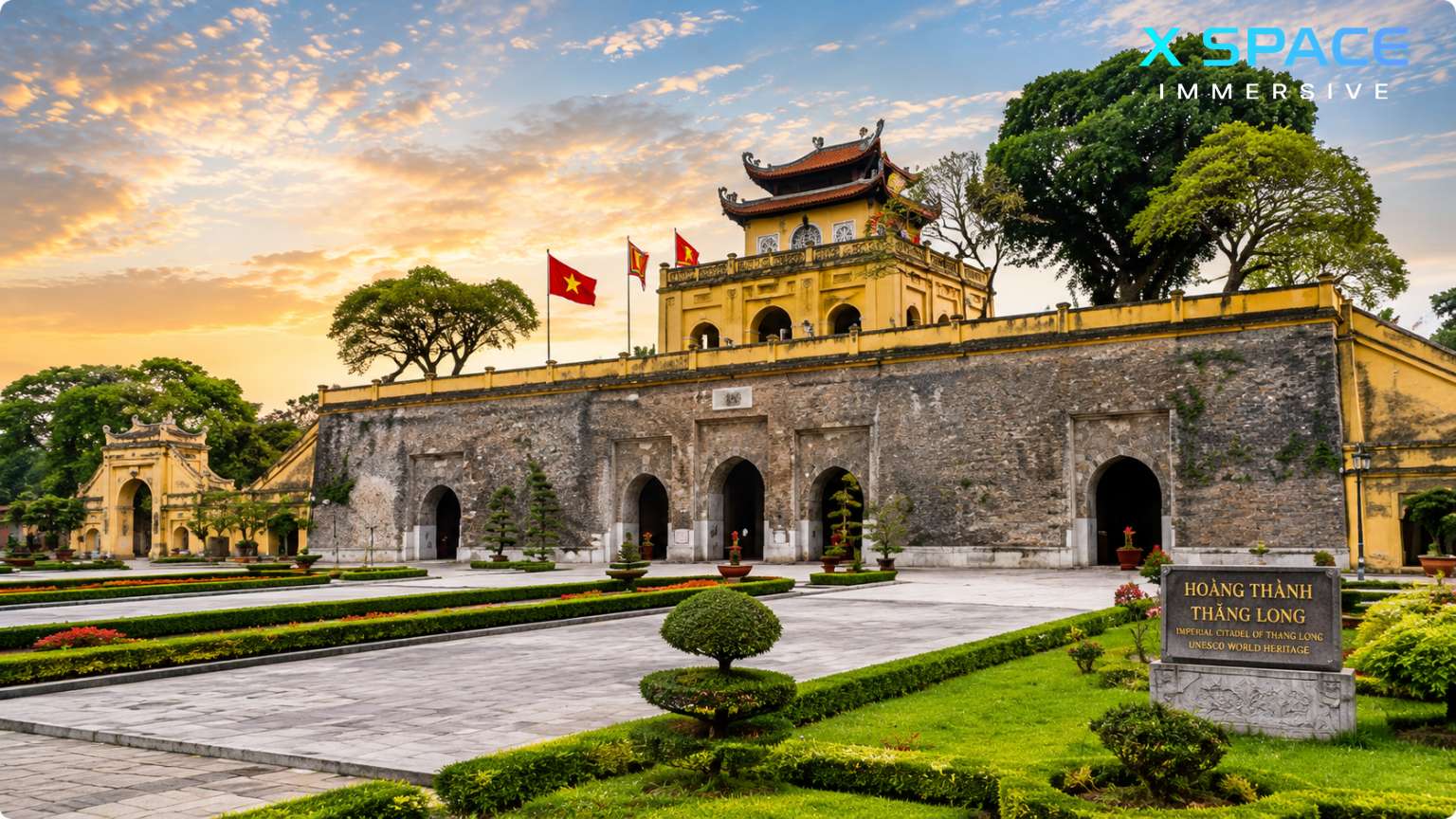
Imperial Citadel of Thang Long – UNESCO World Heritage Site in Hanoi
Recognized as a UNESCO World Heritage Site in 2010, the Imperial Citadel of Thang Long is undoubtedly the most significant among all Hanoi UNESCO sites.
For over thirteen centuries, this vast complex served as Vietnam’s political and military center. Archaeological excavations have uncovered royal palaces, ancient wells, decorative ceramics, and foundations from the Ly, Tran, Le, and Nguyen dynasties.
Walking through Doan Mon Gate, Kinh Thien Palace ruins, and the underground command bunker offers a fascinating journey across multiple eras of Vietnamese history.
Why Visit
- UNESCO World Heritage recognition
- More than 1,300 years of history
- Outstanding archaeological discoveries
- Royal architecture and military heritage
- Interactive exhibitions for history lovers
Temple of Literature – Vietnam’s First National University
Although not officially designated as a UNESCO World Heritage Site, the Temple of Literature is one of Hanoi’s most treasured cultural landmarks and is often included in heritage-focused itineraries.
Founded in 1070, this peaceful complex honors Confucius and symbolizes Vietnam’s long-standing respect for education.
Five elegant courtyards, lotus ponds, ancient pavilions, and stone turtles carrying doctoral steles create one of Hanoi’s most beautiful historical settings.
Every spring, thousands of students visit to pray for academic success, continuing traditions that have lasted for centuries.
Thang Long’s Living Heritage
Hanoi’s heritage extends far beyond individual monuments.
Traditional craft villages, ancient pagodas, communal houses, festivals, and culinary traditions all contribute to the city’s unique cultural identity.
Whether exploring the Old Quarter, walking around Hoan Kiem Lake, or visiting West Lake’s centuries-old temples, travelers experience a city where history remains part of everyday life rather than simply preserved behind museum walls.
Hanoi War Sites: Understanding Vietnam’s Resilient Spirit
While Hanoi is celebrated for its peaceful lakes and ancient temples, it also preserves powerful reminders of Vietnam’s modern history.
Visiting Hanoi war sites provides meaningful insight into the nation’s determination, resilience, and journey toward independence.
Hoa Lo Prison Museum
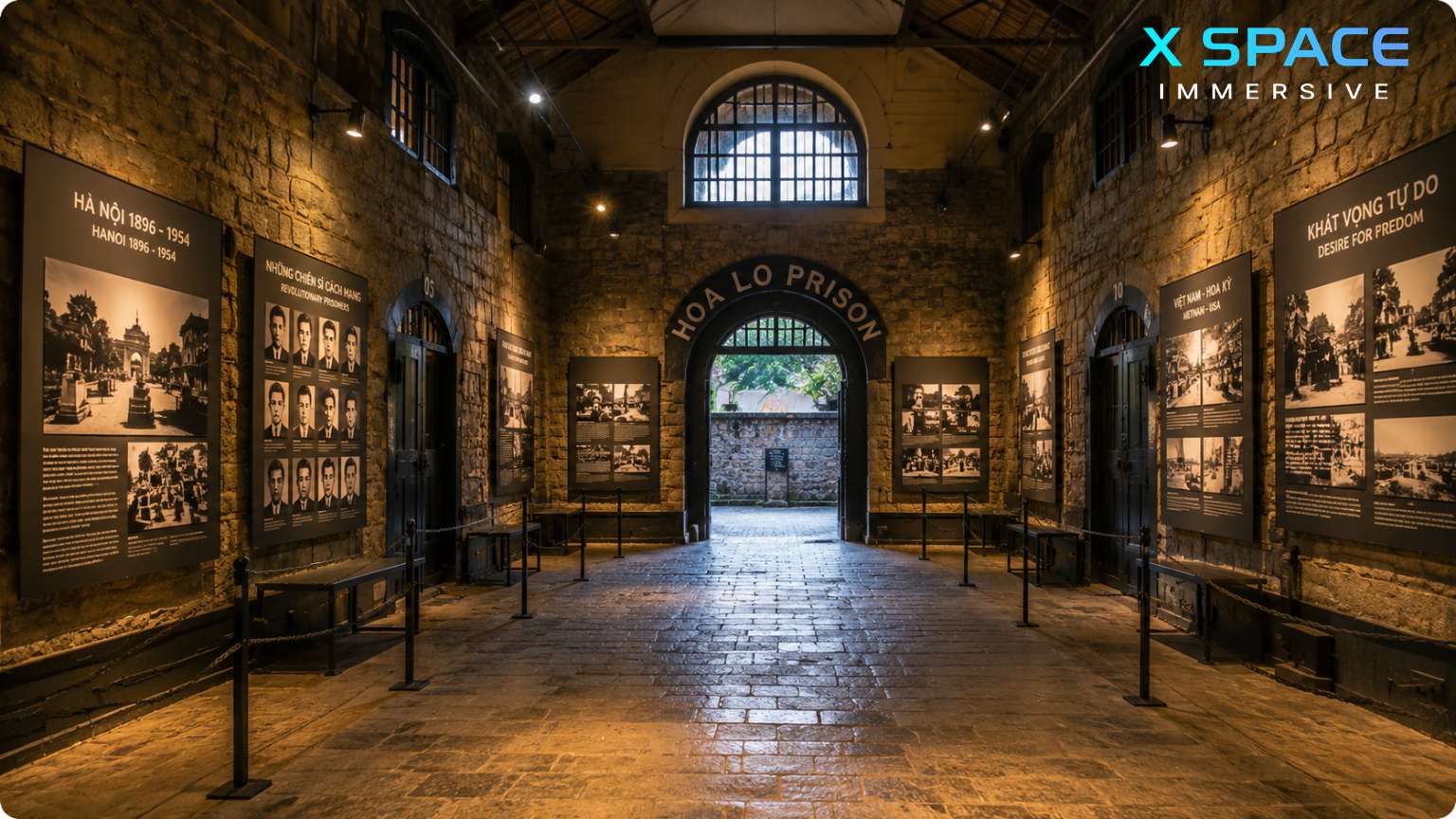
Hoa Lo Prison Museum in Hanoi – Historic wartime prison and museum
Originally built during French colonial rule, Hoa Lo Prison later became internationally recognized during the Vietnam War.
Today, carefully curated exhibitions combine historical documents, preserved prison cells, personal belongings, and multimedia presentations that help visitors understand different chapters of Vietnam’s past.
Rather than focusing solely on conflict, the museum emphasizes courage, endurance, and the human stories behind historical events.
Vietnam Military History Museum
Another essential stop among Hanoi war sites is the Vietnam Military History Museum.
Its impressive outdoor collection includes fighter aircraft, tanks, artillery, and military vehicles, while indoor galleries document Vietnam’s long struggle for independence.
The iconic Hanoi Flag Tower standing within the museum complex remains one of the capital’s oldest surviving monuments.
B52 Victory Museum
Often overlooked by first-time visitors, the B52 Victory Museum tells the story of the “Dien Bien Phu in the Air” campaign.
Fragments of aircraft, military artifacts, and documentary photographs help visitors better understand one of the most significant periods in Hanoi’s wartime history.
For travelers interested in modern history, combining this museum with Hoa Lo Prison creates a comprehensive picture of Hanoi’s remarkable resilience.
West Lake Hanoi Attractions: Discover the Peaceful Side of the Capital
While Hanoi’s Old Quarter buzzes with scooters, cafés, and vibrant street life, West Lake Hanoi attractions offer a completely different atmosphere. Here, history unfolds at a slower pace. Ancient pagodas rise beside calm waters, tree-lined roads invite leisurely walks, and local neighborhoods preserve traditions that have lasted for centuries.
For many travelers, West Lake is more than a scenic destination—it is where Hanoi’s spiritual heritage and natural beauty come together.
Tran Quoc Pagoda – The Spiritual Heart of West Lake
No visit to West Lake Hanoi attractions is complete without stopping at Tran Quoc Pagoda. Believed to be the oldest Buddhist temple in Hanoi, its origins date back to the 6th century.
The pagoda’s striking red tower reflects beautifully on the lake, creating one of the city’s most iconic views. Inside the peaceful grounds, visitors will find ancient Bodhi trees, carefully maintained gardens, and sacred statues that continue to attract worshippers and travelers alike.
Early morning is the best time to visit, when the soft sunlight and quiet surroundings create a truly tranquil atmosphere.
Thanh Nien Road – Hanoi’s Most Scenic Walk
Connecting West Lake with Truc Bach Lake, Thanh Nien Road is often considered one of Hanoi’s most picturesque streets.
Whether you choose to walk, cycle, or simply enjoy a coffee overlooking the water, this tree-lined boulevard provides spectacular sunrise and sunset views.
The road also connects several important historical landmarks, making it an excellent addition to any cultural itinerary.
Quan Thanh Temple
As one of the Four Sacred Temples built to protect ancient Thang Long, Quan Thanh Temple has welcomed visitors for centuries.
Its impressive bronze statue of Tran Vu, intricate wood carvings, and peaceful courtyards provide a fascinating glimpse into traditional Vietnamese beliefs.
Unlike larger tourist attractions, the temple offers a quieter experience where visitors can appreciate local spiritual practices.
Enjoy Local Culture Around West Lake
Beyond historical monuments, West Lake is famous for its relaxed lifestyle.
Travelers can:
- Rent a bicycle and circle the lake.
- Enjoy lotus tea during summer.
- Visit local cafés overlooking the water.
- Discover traditional seafood restaurants.
- Photograph blooming lotus ponds between May and July.
These simple experiences reveal another side of Hanoi that many visitors never have time to explore.
French Quarter Hanoi Attractions: Elegant Architecture and Colonial Heritage
If the Old Quarter represents Hanoi’s ancient soul, the French Quarter Hanoi attractions showcase the city’s European influence.
Wide boulevards, grand villas, elegant hotels, and magnificent public buildings create an entirely different atmosphere from the maze-like streets nearby.
The district emerged during the French colonial period and remains one of Hanoi’s most beautiful neighborhoods for walking tours.
Hanoi Opera House
The centerpiece of the French Quarter is the Hanoi Opera House.
Inspired by the famous Palais Garnier in Paris, this architectural masterpiece has hosted concerts, ballets, and cultural performances for more than a century.
Even if you don’t attend a performance, the exterior alone is worth admiring for its elegant neoclassical design.
Vietnam National Museum of History
Housed in a beautiful French-Indochinese building, this museum presents thousands of artifacts tracing Vietnam’s development from prehistoric times to the Nguyen Dynasty.
Its impressive architecture is as captivating as the exhibitions inside.
St. Joseph’s Cathedral
Although located near the Old Quarter, St. Joseph’s Cathedral perfectly complements a walking route through the French Quarter.
Its Gothic façade, stained-glass windows, and lively square filled with cafés make it one of Hanoi’s favorite gathering places.
Why Explore the French Quarter?
Compared with the busy Old Quarter, the French Quarter feels spacious, elegant, and refined.
Travelers interested in architecture, photography, history, and leisurely city walks will find this district one of the highlights of Hanoi historical sites.
Best Time to Visit Hanoi Historical Sites
One of the best things about exploring Hanoi historical sites is that every season offers a different perspective on the city. Whether you prefer cool weather for long walking tours or vibrant cultural festivals, planning your visit at the right time can make your experience even more memorable.
Spring (February – April)
Spring is widely considered the ideal season to explore Hanoi. Mild temperatures, blooming flowers, and comfortable humidity make it perfect for walking between historical landmarks such as the Temple of Literature, the Imperial Citadel of Thang Long, and Hoan Kiem Lake.
Many traditional festivals also take place during this period, allowing visitors to experience local customs alongside the city’s historical attractions.
Autumn (September – November)
If you ask locals about their favorite season, many will immediately answer autumn.
Golden sunlight, cool breezes, and tree-lined boulevards transform the city into one of Southeast Asia’s most photogenic destinations.
This is also the perfect season to explore the Old Quarter, stroll around West Lake, and admire the elegant streets of the French Quarter.
Suggested One-Day Hanoi Historical Sites Itinerary
If you only have one day in Hanoi, this route allows you to experience the city’s most iconic landmarks while minimizing travel time.
Morning
- Ho Chi Minh Mausoleum
- One Pillar Pagoda
- Temple of Literature
- Imperial Citadel of Thang Long
Lunch
Enjoy authentic Vietnamese cuisine in the Old Quarter before continuing your journey.
Afternoon
- Hoa Lo Prison Museum
- Hanoi Opera House
- St. Joseph’s Cathedral
- French Quarter
Evening
Finish your day with a peaceful walk around Hoan Kiem Lake before heading to West Lake for sunset.
Experience X Space Immersive – A Modern Ending to Hanoi’s Historical Journey
After spending the day exploring centuries of Vietnamese history, why not discover how modern technology brings creativity to life?
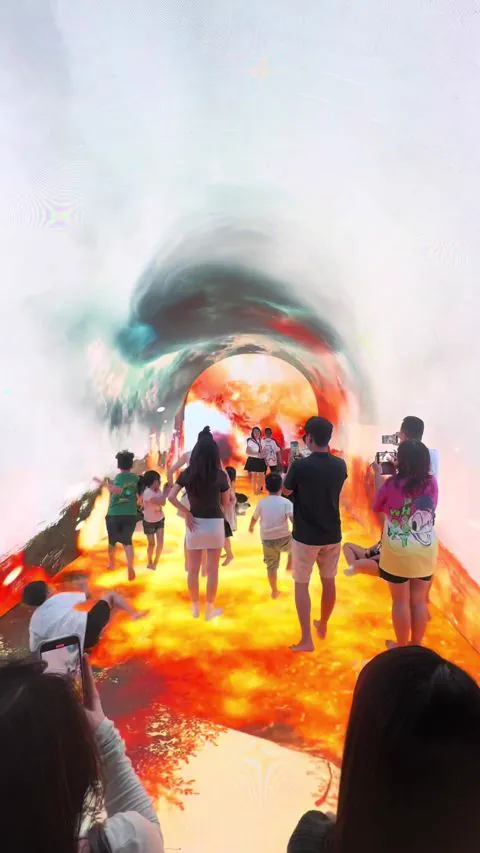
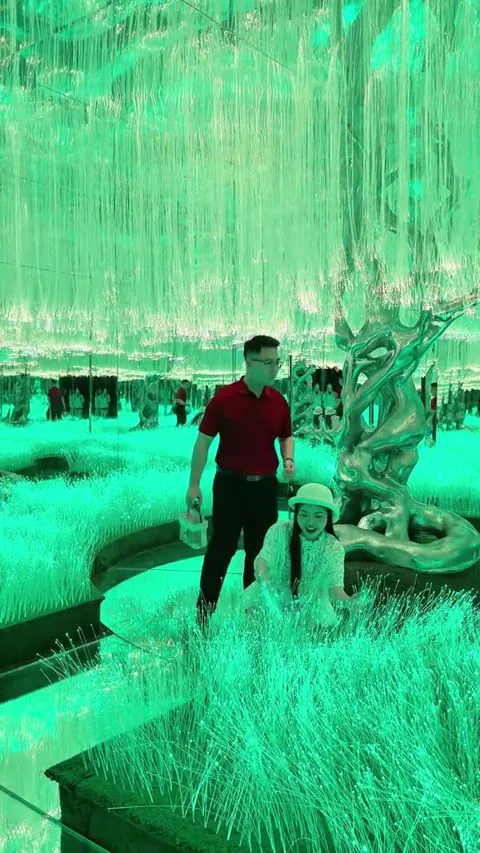
Experience X Space Immersive offers a completely different perspective on Hanoi. Instead of ancient temples and colonial architecture, visitors step into immersive digital environments where light, sound, motion, and interactive art combine to create unforgettable experiences.
Families, couples, solo travelers, and photography enthusiasts can explore themed rooms designed to inspire curiosity and imagination. It is an excellent indoor activity after visiting Hanoi’s outdoor historical attractions.
For travelers looking to balance heritage with innovation, combining Hanoi historical sites with Experience X Space Immersive creates a full-day itinerary that showcases both the city’s rich past and its creative future.
Final Thoughts
From UNESCO-recognized landmarks and peaceful pagodas to wartime museums, colonial boulevards, and vibrant local neighborhoods, Hanoi tells a story unlike any other destination in Southeast Asia.
Whether you’re fascinated by ancient history, architecture, culture, or everyday local life, these Hanoi historical sites reveal the heart and soul of Vietnam’s thousand-year-old capital.
Add West Lake, the French Quarter, and a visit to Experience X Space Immersive, and you’ll leave Hanoi with memories that beautifully connect the past, present, and future.
Was this article helpful?
Thanks for your feedback!