Ho Chi Minh Mausoleum Tours: Visitor Tips, Tickets and Highlights

Ho Chi Minh Mausoleum Tours offer one of the best ways to discover the history and cultural heritage of Vietnam’s capital. Located in the heart of Ba Dinh Square, the Ho Chi Minh Mausoleum is a must-visit landmark where travelers can pay tribute to President Ho Chi Minh while exploring iconic attractions such as the Presidential Palace, One Pillar Pagoda, and Ho Chi Minh Museum. Whether you’re visiting Hanoi for the first time or looking to learn more about Vietnam’s past, this guide covers everything you need to know, including visitor tips, opening hours, ticket information, and the official Ho Chi Minh Mausoleum dress code to help you plan a smooth and memorable experience.
In this guide
Why Choose Ho Chi Minh Mausoleum Tours?
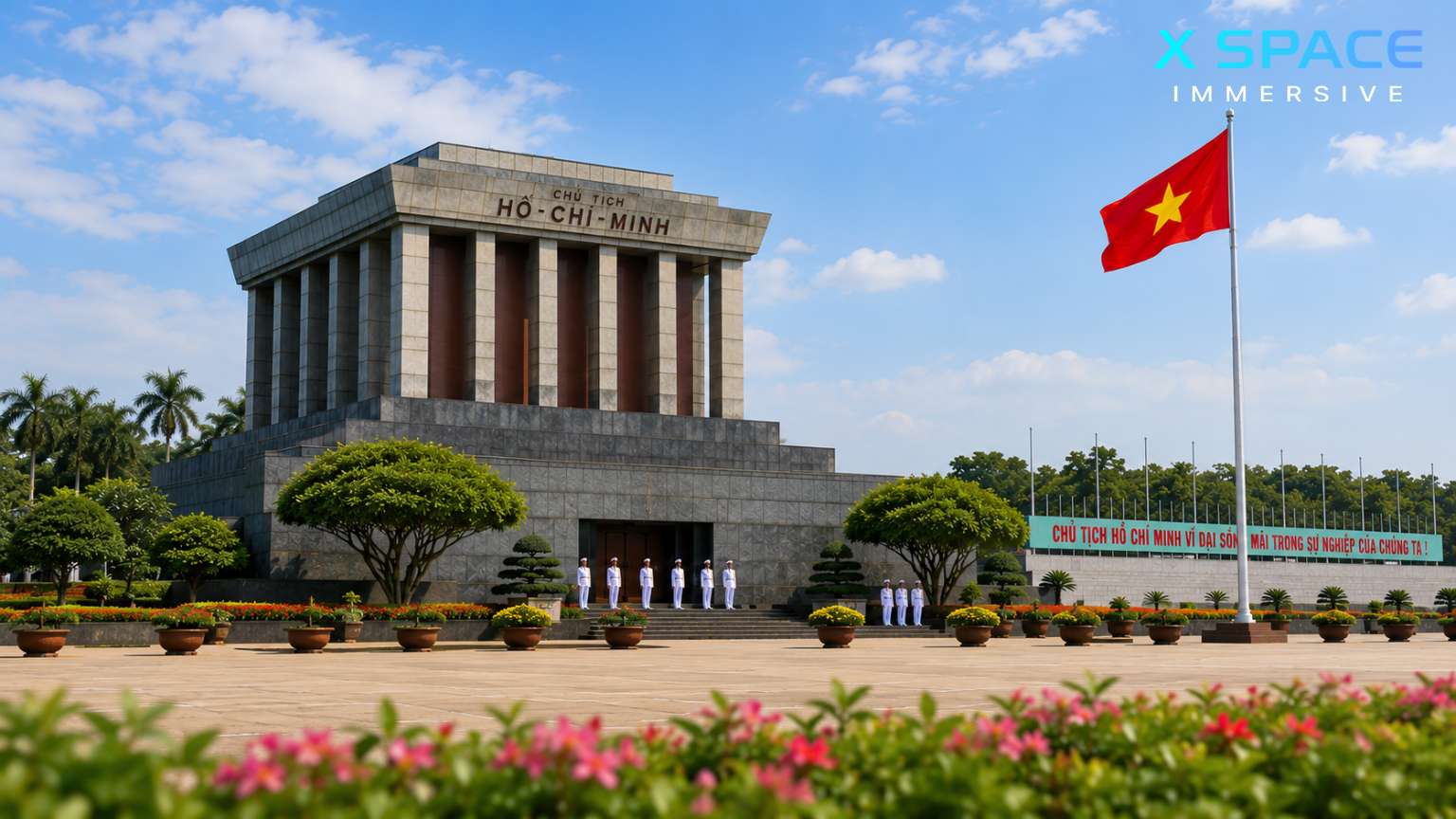
Ho Chi Minh Mausoleum at Ba Dinh Square in Hanoi, Vietnam
Visiting the Ho Chi Minh Mausoleum independently is certainly possible, but joining a guided experience allows you to understand the deeper historical significance behind every stop. The site is much more than a building housing the preserved body of Vietnam’s founding leader—it represents decades of struggle, independence, and national pride.
A well-designed Ho Chi Minh Mausoleum Tour transforms a simple sightseeing visit into a meaningful cultural experience.
What Makes the Mausoleum a Must-Visit in Hanoi
Every great capital city has a landmark that tells its national story. For Hanoi, that place is undoubtedly the Ho Chi Minh Mausoleum.
Completed in 1975, the granite mausoleum stands on the historic Ba Dinh Square, where President Ho Chi Minh read Vietnam’s Declaration of Independence on September 2, 1945. This event marked the birth of the Democratic Republic of Vietnam and forever changed the nation’s history.
Today, the mausoleum remains one of Vietnam’s most respected political and cultural symbols. Visitors from every corner of the world come not only to admire its impressive architecture but also to gain a deeper appreciation of the country’s remarkable journey.
Unlike many historical attractions that focus solely on architecture or artifacts, this complex combines several significant sites within walking distance, including:
- Ho Chi Minh Mausoleum
- Ba Dinh Square
- Ho Chi Minh Museum
- Presidential Palace
- Ho Chi Minh’s Stilt House
- One Pillar Pagoda
Together, these attractions provide a complete narrative of Ho Chi Minh’s life, leadership, and enduring legacy.
Benefits of Joining Guided Ho Chi Minh Mausoleum Tours
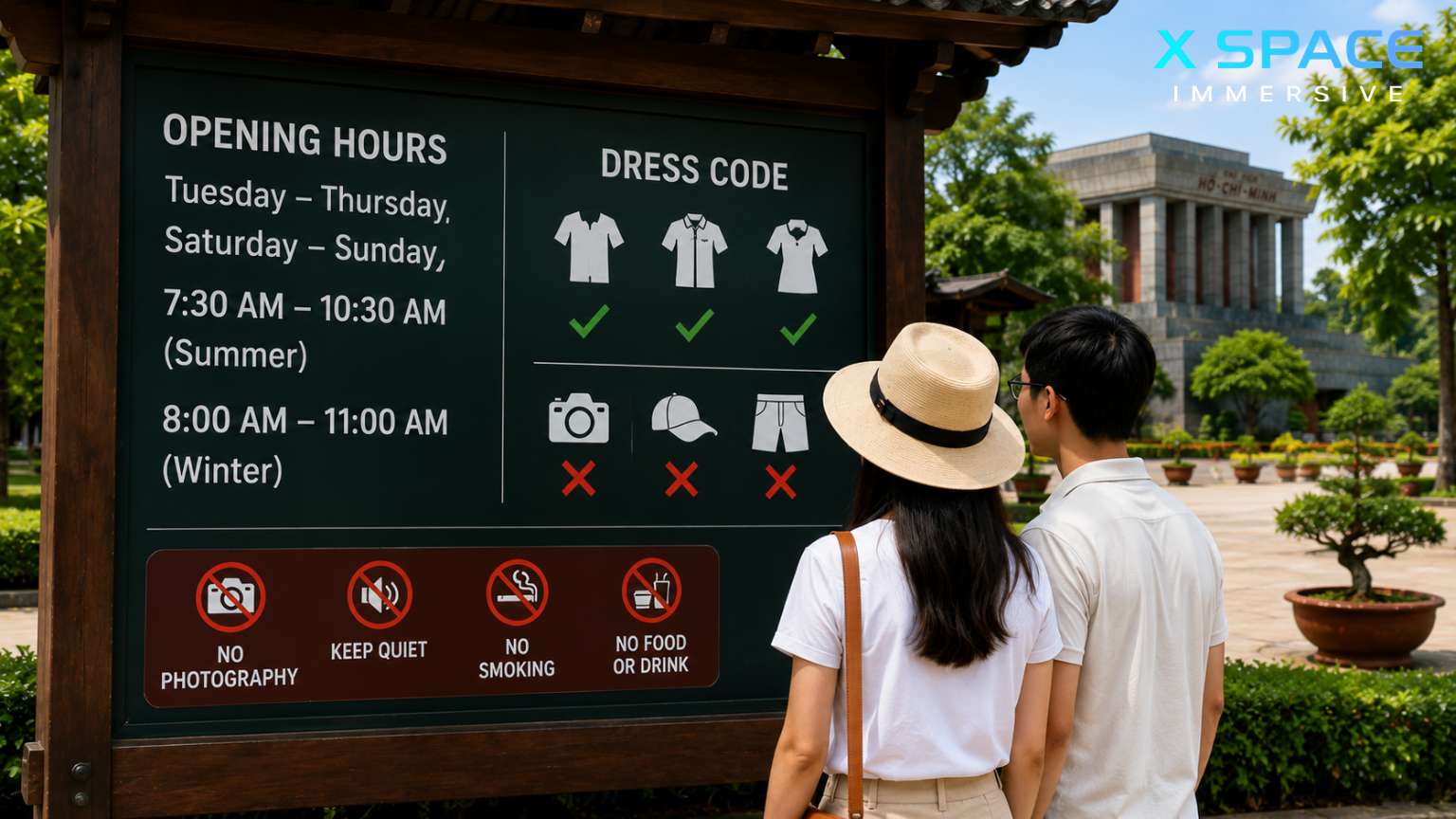
Visitors checking Ho Chi Minh Mausoleum opening hours and dress code before entering
Many travelers initially believe they can explore the mausoleum in less than an hour. While technically true, they often miss the fascinating stories hidden behind each location.
Professional guides enrich the experience by explaining historical events, cultural traditions, and symbolic details that are easily overlooked.
Some key benefits include:
Rich Historical Context
Instead of simply seeing buildings, you’ll understand why each structure exists and how it contributed to Vietnam’s modern history.
For example, your guide may explain why Ho Chi Minh chose to live in a modest wooden stilt house rather than the grand Presidential Palace—a decision that reflected his lifelong commitment to simplicity.
Time Efficiency
Hanoi can be overwhelming for first-time visitors.
Joining organized Ho Chi Minh Mausoleum Tours eliminates the stress of navigating opening hours, security checkpoints, and walking routes, allowing you to focus entirely on the experience.
Local Insights
Experienced guides often share fascinating stories unavailable in guidebooks, such as:
- Daily flag-raising and flag-lowering ceremonies
- The preservation process inside the mausoleum
- National holidays celebrated at Ba Dinh Square
- Vietnamese customs when paying respects
These details transform a sightseeing stop into a memorable cultural encounter.
Convenient Transportation
Many tours include hotel pickup, air-conditioned transportation, entrance arrangements, and visits to additional landmarks across Hanoi.
This convenience is especially valuable for travelers with limited time.
Who Should Take These Tours?
One of the greatest strengths of Ho Chi Minh Mausoleum Tours is their appeal to a wide variety of travelers.
First-Time Visitors
If it’s your first visit to Hanoi, this tour provides an excellent introduction to Vietnam’s history and political heritage.
You’ll gain valuable context before exploring other historical sites throughout the city.
Families
Children often find history more engaging when experienced through storytelling rather than textbooks.
Many guides present historical events in accessible ways, making the visit educational for younger travelers while remaining meaningful for adults.
History Enthusiasts
For those fascinated by twentieth-century history, the mausoleum offers unique insights into Vietnam’s independence movement, the country’s reunification, and Ho Chi Minh’s leadership.
Cultural Travelers
Visitors interested in authentic cultural experiences will appreciate the solemn atmosphere, local traditions, and respectful etiquette observed throughout the complex.
Watching hundreds of Vietnamese citizens quietly queue to honor their beloved leader is an experience unlike any other in Southeast Asia.
Photographers
Although photography is prohibited inside the mausoleum itself, the surrounding gardens, Ba Dinh Square, and nearby monuments provide countless opportunities for stunning images.
Early morning light is particularly beautiful, creating dramatic contrasts against the mausoleum’s grey granite façade
What to Expect on Ho Chi Minh Mausoleum Tours
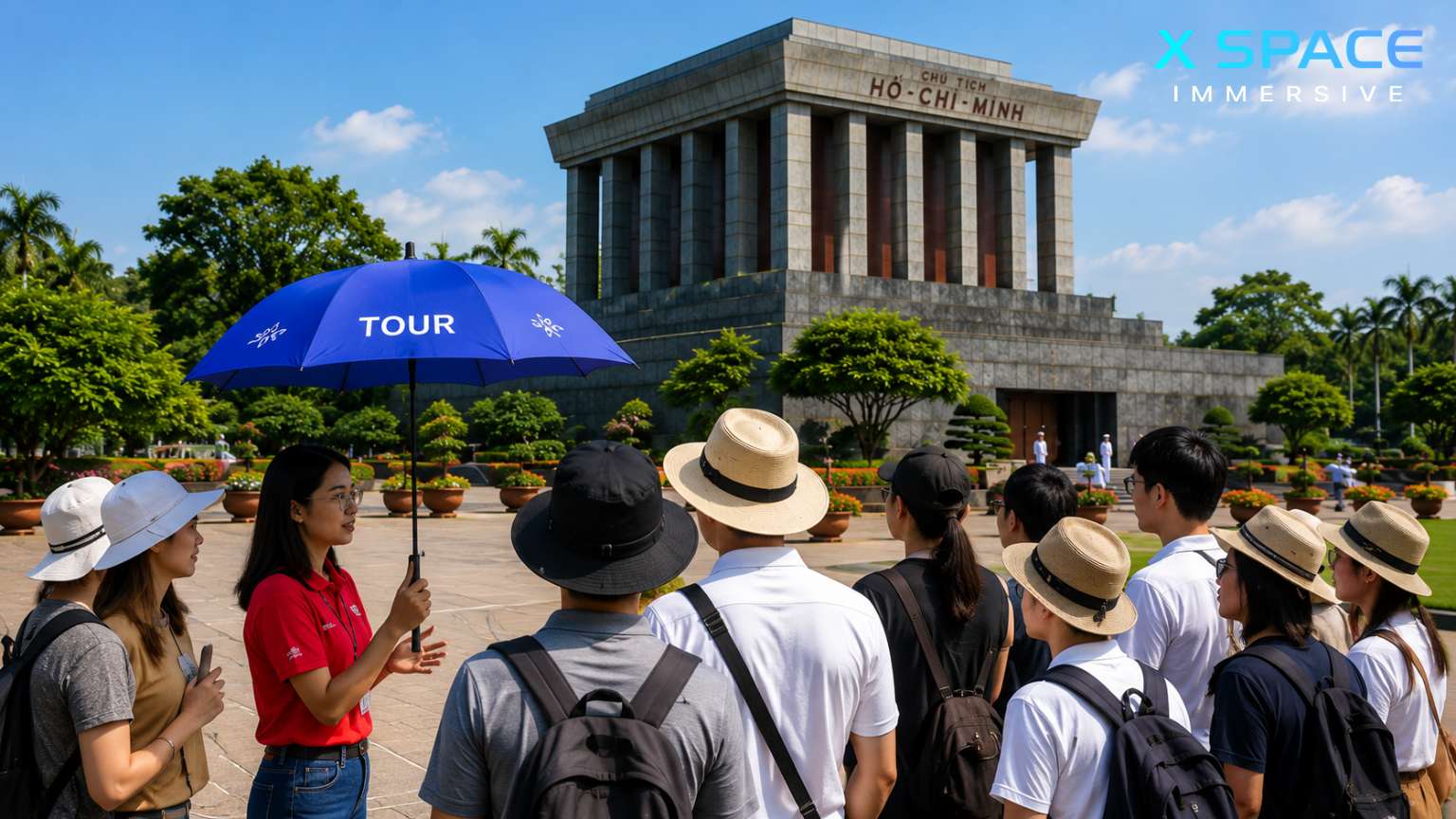
Guided Ho Chi Minh Mausoleum tour with visitors exploring Ba Dinh Square in Hanoi
Understanding what awaits you before arriving helps ensure a smooth and enjoyable experience.
Most Ho Chi Minh Mausoleum Tours follow a carefully planned route that combines historical landmarks, museums, gardens, and cultural sites into one enriching itinerary.
Although individual tours vary slightly, the highlights remain largely the same.
Visiting Ho Chi Minh’s Preserved Body
The emotional centerpiece of the tour is undoubtedly the mausoleum itself.
Inside lies the embalmed body of President Ho Chi Minh, preserved under carefully controlled conditions and displayed in a glass sarcophagus.
Visitors enter quietly, following a designated route while maintaining complete silence.
Security staff ensure that everyone observes the site’s strict rules, which include:
- Walking continuously without stopping
- Keeping hands out of pockets
- Removing hats
- No photography or video recording
- Speaking only in whispers, if necessary
The visit lasts only a few minutes, yet many travelers describe it as one of the most memorable moments of their journey through Vietnam.
Regardless of personal political views, the respect shown by visitors creates a deeply moving atmosphere.
Ba Dinh Square and Its Historical Importance
Immediately outside the mausoleum stretches Ba Dinh Square—one of the largest public squares in Vietnam.
Its beautifully maintained lawns and symmetrical pathways create an impressive setting for one of the nation’s most significant historical landmarks.
More importantly, this is where Ho Chi Minh proclaimed Vietnam’s independence before tens of thousands of citizens in 1945.
Standing here today offers a powerful sense of connection between Vietnam’s past and present.
Visitors often spend time taking photographs while guides explain the historical events that unfolded on this very ground.
Early mornings are especially lively as local residents gather for exercise and visitors witness the ceremonial changing of the guard.
One Pillar Pagoda
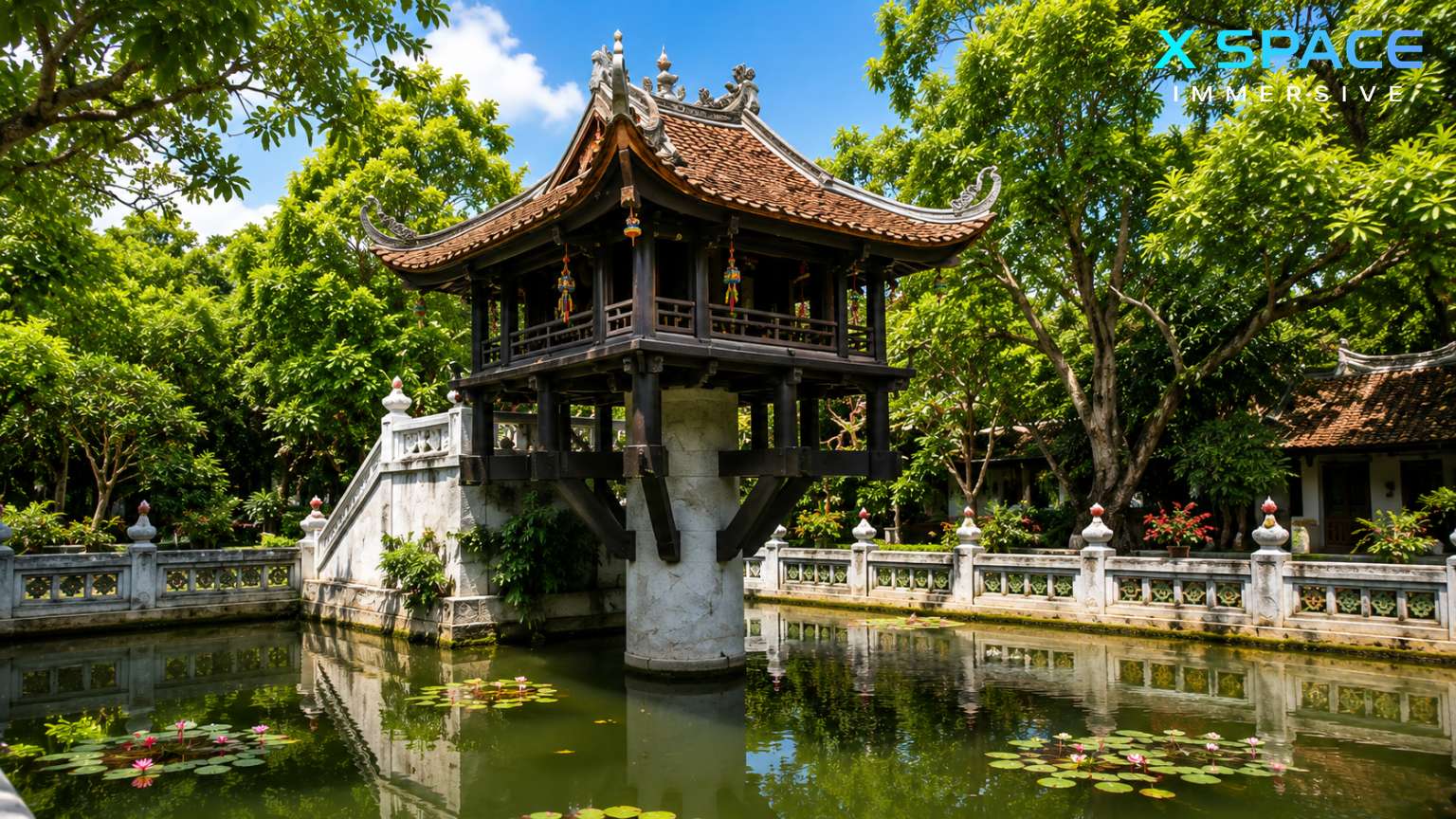
One Pillar Pagoda near Ho Chi Minh Mausoleum in Hanoi, Vietnam
Only a short walk away stands one of Vietnam’s most recognizable religious landmarks.
Originally built in the 11th century during the Ly Dynasty, the One Pillar Pagoda is famous for its unique lotus-inspired architecture.
According to legend, Emperor Ly Thai Tong dreamed of the Goddess of Mercy presenting him with a son while seated on a lotus flower.
After his wish came true, he ordered the construction of this extraordinary pagoda to express his gratitude.
Although compact in size, the pagoda remains one of Hanoi’s most photographed cultural attractions and beautifully complements the historical atmosphere surrounding the mausoleum.
Ho Chi Minh Museum
The Ho Chi Minh Museum offers visitors a broader understanding of the leader’s life, philosophy, and influence.
Rather than functioning as a traditional museum filled only with chronological exhibits, it combines:
- Historical photographs
- Personal belongings
- Revolutionary documents
- Multimedia displays
- Contemporary art installations
- Symbolic exhibitions representing Ho Chi Minh’s ideals
Visitors interested in Vietnam’s modern history often find this museum particularly rewarding, as it places the mausoleum within a wider historical context.
Presidential Palace and Ho Chi Minh’s Stilt House
One of the most fascinating stops on Ho Chi Minh Mausoleum Tours is the contrast between the magnificent Presidential Palace and Ho Chi Minh’s humble wooden residence.
Although he had access to the elegant French colonial palace, Ho Chi Minh deliberately chose to live in a simple stilt house surrounded by peaceful gardens and fish ponds.
The modest home reflects values that many Vietnamese continue to admire today:
- Simplicity
- Humility
- Discipline
- Closeness to nature
Walking through the tranquil grounds offers a refreshing contrast to the solemn atmosphere of the mausoleum and provides a more personal glimpse into the daily life of Vietnam’s most influential leader.
Typical Tour Duration and Itinerary
Most Ho Chi Minh Mausoleum Tours last between three and four hours, making them ideal for a half-day itinerary.
A typical schedule includes:
- Hotel pickup in Hanoi
- Arrival at Ba Dinh Square
- Visit to Ho Chi Minh Mausoleum
- Walk through the Presidential Palace gardens
- Explore Ho Chi Minh’s Stilt House
- Visit the One Pillar Pagoda
- Tour the Ho Chi Minh Museum
- Return to the hotel or continue with additional Hanoi attractions
Some full-day city tours combine these sites with the Temple of Literature, Tran Quoc Pagoda, the Imperial Citadel of Thang Long, or Hanoi’s vibrant Old Quarter, allowing visitors to experience both Vietnam’s political heritage and its rich cultural traditions in a single day.
By the end of the tour, travelers leave with far more than photographs—they gain a deeper appreciation of the people, history, and values that have shaped modern Vietnam.
Ho Chi Minh Mausoleum Opening Hours and Ticket Information
Planning your visit in advance is the best way to enjoy a smooth and hassle-free experience. Since the Ho Chi Minh Mausoleum operates on a limited schedule and occasionally closes for maintenance, checking the latest opening hours before your trip is highly recommended.
If you’re joining one of the many Ho Chi Minh Mausoleum Tours, your tour operator will usually arrange the itinerary according to the mausoleum’s opening schedule, saving you the trouble of planning every detail yourself.
Opening Days and Visiting Hours
The Ho Chi Minh Mausoleum is generally open during the morning on selected days of the week.
Typical opening schedule:
- Tuesday to Thursday: Morning only
- Saturday and Sunday: Morning only
- Closed on Mondays and Fridays
Visiting hours may vary depending on the season:
Summer (April – October)
- Around 7:30 AM – 10:30 AM
Winter (November – March)
- Around 8:00 AM – 11:00 AM
During national holidays such as National Day (September 2) and Ho Chi Minh’s Birthday (May 19), opening hours may be extended to accommodate larger numbers of visitors.
The mausoleum is also closed annually for several weeks, usually between June and August, when Ho Chi Minh’s preserved body undergoes scheduled maintenance. During this period, visitors can still explore Ba Dinh Square, the Presidential Palace grounds, Ho Chi Minh Museum, and other nearby attractions.
Entrance Fees
One of the best things about visiting the mausoleum is that admission to the Ho Chi Minh Mausoleum itself is free.
However, some attractions within the complex may charge a small entrance fee, including:
- Ho Chi Minh Museum
- Presidential Palace historical site
- Ho Chi Minh’s Stilt House
The combined admission fee for these attractions is affordable, making the entire complex an excellent value for travelers interested in Vietnam’s history.
Guided Tour Prices
While independent visits are popular, many travelers choose guided Ho Chi Minh Mausoleum Tours for the convenience and historical insights they provide.
Tour prices vary depending on what’s included:
- Half-day group tours
- Private guided experiences
- Full-day Hanoi city tours
- Luxury cultural tours with hotel transfers
Many packages also include transportation, English-speaking guides, bottled water, and visits to other famous landmarks such as the Temple of Literature or Tran Quoc Pagoda.
How to Book Ho Chi Minh Mausoleum Tours
Booking a tour is simple and can be done through:
- Local travel agencies
- Hotel concierge services
- Online travel platforms
- Licensed Hanoi tour operators
If you’re traveling during weekends, public holidays, or Vietnam’s peak tourism seasons, it’s wise to reserve your tour in advance to secure your preferred departure time.
Ho Chi Minh Mausoleum Dress Code: What You Need to Wear
When visiting one of Vietnam’s most respected national landmarks, dressing appropriately is more than just following regulations—it is a sign of respect for the country’s history and culture.
Understanding the official Ho Chi Minh Mausoleum dress code before your visit will help you avoid being denied entry and ensure a smooth experience.
Official Ho Chi Minh Mausoleum Dress Code
Visitors are expected to wear neat, modest clothing that covers the shoulders and knees.
Suitable attire includes:
- T-shirts or shirts with sleeves
- Long trousers
- Jeans
- Maxi dresses
- Midi skirts
- Polo shirts
- Closed-toe shoes or sandals
The dress code applies to both men and women, regardless of nationality.
Security staff carefully monitor visitor attire at the entrance, especially during busy periods.
Clothing That Is Not Allowed
To maintain the solemn atmosphere inside the mausoleum, certain clothing is considered inappropriate.
Avoid wearing:
- Sleeveless tops
- Tank tops
- Crop tops
- Transparent clothing
- Short shorts
- Mini skirts
- Ripped clothing exposing large areas of skin
- Swimwear
- Clothing with offensive images or slogans
If your outfit does not meet the Ho Chi Minh Mausoleum dress code, security personnel may refuse entry.
Choosing respectful clothing beforehand saves both time and inconvenience.
Dress Tips for International Visitors
Hanoi’s weather can be hot and humid, especially during summer.
Fortunately, you can remain comfortable while respecting local customs.
Recommended clothing includes:
- Lightweight cotton shirts
- Breathable linen trousers
- Comfortable walking shoes
- Sun hats (remove them before entering)
- Sunglasses for outdoor areas
- Light jackets during winter mornings
Neutral-colored clothing is also ideal for taking photographs around Ba Dinh Square and other nearby attractions.
Other Visitor Rules and Etiquette
Besides following the Ho Chi Minh Mausoleum dress code, visitors should observe several important etiquette rules.
Inside the mausoleum:
- Remain completely silent.
- Walk slowly in the designated direction.
- Do not stop in front of the glass chamber.
- Keep your hands out of your pockets.
- Remove hats before entering.
- Photography and video recording are strictly prohibited.
- Smoking, eating, and drinking are not permitted.
These regulations help preserve the respectful atmosphere that makes visiting the mausoleum such a meaningful experience.
Essential Visitor Tips Before Your Tour
A little preparation can make your visit significantly more enjoyable.
Whether you’re joining organized Ho Chi Minh Mausoleum Tours or exploring independently, the following tips will help you make the most of your day.
Best Time to Visit
The ideal time to arrive is early in the morning, shortly before opening.
Benefits of an early visit include:
- Cooler temperatures
- Shorter waiting times
- Better lighting for photographs
- More peaceful surroundings
If possible, avoid arriving late in the morning, especially during weekends and Vietnamese public holidays when queues can become considerably longer.
The months from October to April are generally considered the most comfortable for sightseeing thanks to the cooler weather.
Security Procedures
Security around the mausoleum is understandably strict.
Before entering, visitors should expect:
- Bag inspections
- Metal detector screening
- Security checkpoints
- Queue management by staff
Large backpacks or bulky luggage may need to be stored outside the mausoleum.
Arriving with only essential belongings helps speed up the process.
Photography Rules
Photography is welcome throughout much of the surrounding complex.
Excellent photo locations include:
- Ba Dinh Square
- The mausoleum exterior
- Presidential Palace gardens
- One Pillar Pagoda
- Ho Chi Minh’s Stilt House
However, photography is strictly forbidden inside the mausoleum.
Visitors should also avoid using drones unless they have obtained official permission.
Items You Shouldn’t Bring
To avoid unnecessary delays, leave the following items at your hotel whenever possible:
- Large backpacks
- Selfie sticks
- Drones
- Loudspeakers
- Food and beverages
- Oversized luggage
Traveling light allows you to move comfortably between the various attractions included in most Ho Chi Minh Mausoleum Tours.
Accessibility Information
The Ho Chi Minh Mausoleum complex features wide walkways and spacious public areas that are generally accessible for visitors with limited mobility.
However, because of security procedures and historical architecture, certain sections—such as Ho Chi Minh’s Stilt House—may involve stairs or uneven pathways.
If accessibility is a concern, consider booking a private guided tour. Many local operators can tailor the itinerary to suit seniors, families with young children, or travelers with mobility needs.
With the right preparation, your visit to the Ho Chi Minh Mausoleum can be both comfortable and rewarding, allowing you to fully appreciate one of Hanoi’s most iconic historical landmarks before continuing your journey through the city’s rich cultural heritage.
Best Ho Chi Minh Mausoleum Tours for Different Travelers
With so many tour options available in Hanoi, choosing the right one depends on your travel style, schedule, and interests. Some visitors simply want to see the mausoleum, while others prefer a more comprehensive journey through Hanoi’s rich history and culture.
Whether you’re traveling solo, with family, or as part of a group, there’s a Ho Chi Minh Mausoleum Tour designed to suit your needs.
Half-Day Ho Chi Minh Mausoleum Tours
If you have limited time in Hanoi, a half-day tour is the most practical option.
Typically lasting between three and four hours, these tours focus on the city’s most significant historical landmarks while leaving you plenty of time to explore other attractions later in the day.
A typical itinerary includes:
- Ho Chi Minh Mausoleum
- Ba Dinh Square
- Presidential Palace
- Ho Chi Minh’s Stilt House
- One Pillar Pagoda
- Ho Chi Minh Museum
Most half-day Ho Chi Minh Mausoleum Tours also include hotel pickup within Hanoi’s Old Quarter, an English-speaking guide, and transportation between attractions.
This option is ideal for:
- First-time visitors
- Cruise passengers on tight schedules
- Business travelers
- Weekend city breaks
If you’re visiting Hanoi for only one or two days, a half-day tour offers an excellent introduction to Vietnam’s modern history without taking up your entire itinerary.
Full-Day Hanoi City Tours
For travelers who want a deeper understanding of Hanoi, a full-day city tour offers exceptional value.
These experiences combine the mausoleum complex with several of the capital’s most famous cultural and historical attractions, creating a well-rounded overview of the city’s past and present.
Popular stops often include:
- Temple of Literature
- Imperial Citadel of Thang Long
- Tran Quoc Pagoda
- Hoa Lo Prison Relic
- Hoan Kiem Lake
- Hanoi Old Quarter
Many tours also include lunch at a traditional Vietnamese restaurant, allowing visitors to sample authentic local cuisine between sightseeing stops.
Because transportation, entrance tickets, and logistics are arranged in advance, full-day Ho Chi Minh Mausoleum Tours are especially convenient for international travelers who want to maximize their time.
Private Guided Tours
If you prefer a more personalized experience, a private tour is an excellent choice.
Unlike larger group tours, private experiences allow you to travel at your own pace and spend more time at the attractions that interest you most.
Benefits of private tours include:
- Flexible schedules
- Personalized commentary
- Private transportation
- Hotel pickup and drop-off
- More opportunities for photography
- Custom itineraries
Private guides can also tailor the experience based on your interests.
For example, history enthusiasts may spend additional time exploring Ho Chi Minh Museum, while photographers might arrive early to capture Ba Dinh Square in the soft morning light.
Although private Ho Chi Minh Mausoleum Tours generally cost more than group tours, many travelers find the added comfort and flexibility well worth the investment.
Small Group Cultural Tours
Travelers looking for a balance between affordability and a personalized experience often choose small group tours.
These tours typically accommodate between six and fifteen participants, creating a more relaxed atmosphere than larger coach tours.
Advantages include:
- More interaction with the guide
- Easier movement between attractions
- Smaller waiting groups
- Better opportunities to ask questions
- More authentic cultural discussions
Because group sizes are limited, these tours often sell out quickly during Vietnam’s peak travel seasons.
Booking a few days in advance is recommended.
Family-Friendly Tours
Families traveling with children often appreciate tours designed with a slower pace and more flexible schedules.
Many family-oriented Ho Chi Minh Mausoleum Tours include additional breaks, shorter walking distances, and engaging storytelling to keep younger visitors interested.
Experienced guides frequently explain historical events in simple, easy-to-understand language, making Vietnam’s history accessible for children without overwhelming them with dates or political details.
Parents should remember that the mausoleum requires visitors to remain quiet and respectful, so preparing children beforehand helps ensure a pleasant visit for everyone.
Tips for Choosing the Right Tour
With numerous operators offering similar itineraries, it’s worth comparing a few key factors before making a reservation.
Look for tours that include:
- Licensed English-speaking guides
- Transparent pricing
- Hotel pickup if available
- Small group sizes
- Positive customer reviews
- Flexible cancellation policies
Reading recent traveler feedback can also provide valuable insights into the quality of the guide, transportation, and overall experience.
Ultimately, the best Ho Chi Minh Mausoleum Tour is one that matches your interests, schedule, and preferred travel style.
Nearby Attractions to Visit After the Mausoleum
The Ho Chi Minh Mausoleum is located in one of Hanoi’s most historically significant districts, making it easy to continue exploring after your visit.
Many of the city’s top attractions are just a short walk or drive away, allowing you to experience both Vietnam’s political history and its rich cultural heritage in a single day.
Here are some of the best places to include in your itinerary.
Ho Chi Minh Museum
Located next to the mausoleum, the Ho Chi Minh Museum provides a deeper understanding of the life, philosophy, and achievements of Vietnam’s beloved leader.
Unlike traditional history museums, many of its exhibitions use symbolic architecture, multimedia displays, and artistic installations to illustrate Ho Chi Minh’s vision for the nation.
Visitors interested in Vietnam’s revolutionary history should plan at least one hour to explore the museum.
Ho Chi Minh’s Stilt House
Nestled within peaceful gardens behind the Presidential Palace, Ho Chi Minh’s Stilt House offers a fascinating glimpse into his daily life.
Despite serving as Vietnam’s president, Ho Chi Minh chose to live in this modest wooden residence rather than the grand colonial palace nearby.
The house has been carefully preserved and still contains many of his personal belongings, including his study, bedroom, and simple meeting room.
The surrounding fish pond and lush gardens create one of the most tranquil areas within the historical complex.
Presidential Palace
Built during the French colonial period, the Presidential Palace is one of Hanoi’s finest examples of European architecture.
Although visitors cannot enter the building itself, they can explore the beautifully landscaped gardens, historic pathways, and nearby buildings that once served as Ho Chi Minh’s workplace.
Its striking yellow façade provides an impressive contrast to the solemn granite structure of the mausoleum.
One Pillar Pagoda
One of Hanoi’s oldest and most recognizable temples, the One Pillar Pagoda is just a few minutes’ walk from the mausoleum.
Constructed in 1049, the pagoda is designed to resemble a lotus blossom rising from the water—an important symbol of purity in Buddhist culture.
Although relatively small, it remains one of the city’s most photographed religious landmarks and is often included in every Ho Chi Minh Mausoleum Tour.
Early morning visits provide the best lighting and a quieter atmosphere for photography.
Imperial Citadel of Thang Long
Just over one kilometer from the mausoleum stands the Imperial Citadel of Thang Long, a UNESCO World Heritage Site that served as Vietnam’s political center for more than thirteen centuries.
Visitors can explore ancient gates, archaeological excavations, underground military command bunkers, and centuries-old royal structures that reveal the evolution of Vietnamese civilization.
History enthusiasts often combine the citadel with the mausoleum for a comprehensive journey through both ancient and modern Vietnam.
Temple of Literature
Founded in 1070, the Temple of Literature is Vietnam’s first national university and one of Hanoi’s most treasured cultural landmarks.
Its peaceful courtyards, elegant pavilions, and traditional architecture offer a striking contrast to the modern political symbolism of the Ho Chi Minh Mausoleum.
The temple remains a favorite destination for students, scholars, and visitors seeking a deeper appreciation of Vietnam’s long-standing educational traditions.
Hoan Kiem Lake and Hanoi Old Quarter
After spending the morning exploring Hanoi’s historical sites, many travelers head to Hoan Kiem Lake and the nearby Old Quarter.
Here, the atmosphere shifts dramatically from solemn national monuments to lively streets filled with cafés, local restaurants, traditional shops, and vibrant markets.
It’s the perfect place to:
- Enjoy authentic Vietnamese coffee
- Sample local street food
- Shop for handcrafted souvenirs
- Watch everyday life unfold
- Experience Hanoi’s unique blend of history and modern culture
Ending your day here creates a memorable balance between Vietnam’s historical heritage and its dynamic contemporary lifestyle.
FAQ About Ho Chi Minh Mausoleum Tours
Planning your first visit to the Ho Chi Minh Mausoleum often comes with a few practical questions. Below are answers to some of the most frequently asked questions to help you prepare for a smooth and respectful experience.
Is the Ho Chi Minh Mausoleum worth visiting?
Absolutely. The Ho Chi Minh Mausoleum is one of Hanoi’s most iconic landmarks and an essential stop for anyone interested in Vietnam’s history, politics, and culture. Beyond seeing the preserved body of President Ho Chi Minh, visitors can explore Ba Dinh Square, the Presidential Palace, Ho Chi Minh’s Stilt House, the Ho Chi Minh Museum, and the One Pillar Pagoda—all within the same historical complex.
For travelers who want to understand the stories behind these landmarks, joining one of the many Ho Chi Minh Mausoleum Tours offers a richer and more meaningful experience.
How long does a visit to the Ho Chi Minh Mausoleum take?
The time spent inside the mausoleum itself is relatively short, usually around 10 to 15 minutes depending on the queue.
However, most visitors spend two to four hours exploring the entire historical complex, including nearby attractions.
If you’re joining a guided tour, expect the itinerary to last:
- Half-day tours: approximately 3–4 hours
- Full-day Hanoi city tours: around 7–9 hours
Is there an entrance fee for the Ho Chi Minh Mausoleum?
No. Admission to the Ho Chi Minh Mausoleum is free of charge.
Some nearby attractions, such as the Ho Chi Minh Museum and the Presidential Palace historical site, may require a small entrance fee.
Many organized Ho Chi Minh Mausoleum Tours include these tickets in the overall tour price, making the experience more convenient for visitors.
What is the Ho Chi Minh Mausoleum dress code?
The official Ho Chi Minh Mausoleum dress code requires visitors to dress modestly and respectfully.
Appropriate clothing includes:
- Shirts or T-shirts with sleeves
- Long trousers
- Dresses or skirts below the knee
- Comfortable walking shoes
Avoid wearing:
- Tank tops
- Crop tops
- Short shorts
- Mini skirts
- Transparent clothing
- Beachwear
Visitors who do not follow the dress code may be refused entry by security staff.
Can visitors take photos inside the mausoleum?
No. Photography and video recording are strictly prohibited inside the mausoleum to preserve the solemn atmosphere and respect for President Ho Chi Minh.
However, visitors are welcome to take photographs in the outdoor areas surrounding the complex, including:
- Ba Dinh Square
- Presidential Palace gardens
- One Pillar Pagoda
- Ho Chi Minh’s Stilt House
- Ho Chi Minh Museum (subject to museum regulations)
What is the best time to visit?
Early morning is generally the best time to visit.
Arriving shortly before opening allows you to:
- Avoid long queues
- Enjoy cooler temperatures
- Take better photographs
- Experience the peaceful atmosphere around Ba Dinh Square
For pleasant weather, many travelers choose to visit Hanoi between October and April, when temperatures are cooler and more comfortable for walking.
Can children visit the mausoleum?
Yes. Children are welcome to visit the Ho Chi Minh Mausoleum.
Parents should ensure that children understand the importance of remaining quiet and respectful while inside the building.
Family-friendly Ho Chi Minh Mausoleum Tours often include engaging historical stories that make the visit enjoyable and educational for younger travelers.
Are guided tours better than visiting independently?
It depends on your travel style.
Independent visitors enjoy greater flexibility and can explore at their own pace.
However, guided Ho Chi Minh Mausoleum Tours offer several advantages:
- Historical context from knowledgeable local guides
- Easier navigation through the complex
- Hotel pickup on many tours
- Well-planned itineraries
- Visits to multiple nearby attractions in one trip
For first-time visitors to Hanoi, a guided tour is often the easiest and most rewarding option.
Continue Your Journey with Experience X Space Immersive

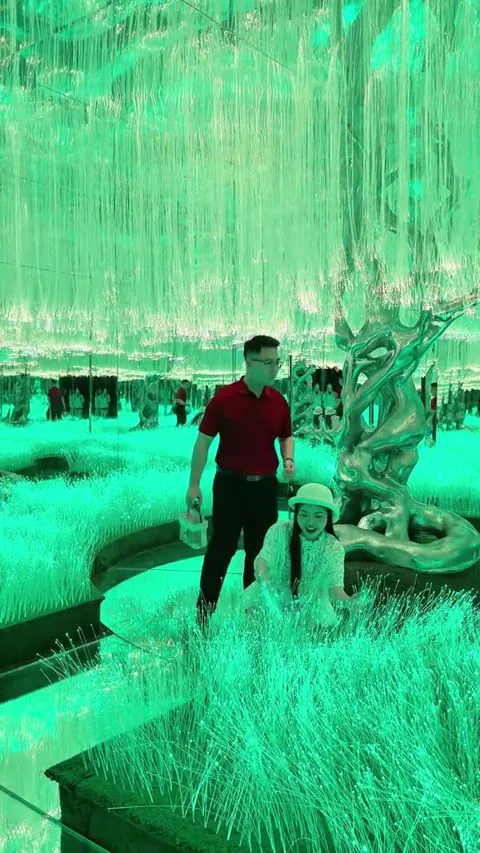
Visitors exploring X Space Immersive digital art exhibition in Hanoi
After exploring the historical heart of Hanoi, why not discover another side of Vietnam through innovative digital storytelling?
Located in the city, Experience X Space Immersive combines art, technology, and culture to create interactive experiences that complement a traditional sightseeing itinerary. While the Ho Chi Minh Mausoleum offers a deeper understanding of Vietnam’s past, Experience X Space Immersive provides a fresh perspective through immersive visual installations, multimedia exhibitions, and engaging digital experiences.
It’s an excellent addition for travelers looking to balance historical exploration with modern cultural attractions during their stay in Hanoi.
Whether you’re traveling with family, friends, or on your own, combining both destinations offers a more diverse and memorable journey through the capital.
Final Thoughts
Whether you’re passionate about history or simply exploring Hanoi’s top attractions, Ho Chi Minh Mausoleum Tours offer a meaningful way to discover Vietnam’s cultural and historical heritage. By planning ahead, following the official dress code, and choosing the right tour, you’ll enjoy a respectful and memorable visit to one of the country’s most iconic landmarks.
Was this article helpful?
Thanks for your feedback!