Tran Quoc Pagoda: Top Things to See at Hanoi’s Sacred Temple

Tran Quoc Pagoda is one of Hanoi’s most iconic landmarks, attracting visitors with its rich history, peaceful atmosphere, and beautiful lakeside setting. Located on a small island in West Lake, this ancient Buddhist temple has stood for more than 1,500 years and remains an important symbol of Vietnamese culture and spirituality.
Whether you’re interested in history, architecture, or simply looking for a quiet escape from the city’s busy streets, Tran Quoc Pagoda offers a memorable experience. In this guide, you’ll discover its fascinating history, must-see highlights, opening hours, dress code, and practical tips to help you make the most of your visit.
In this guide
Why Tran Quoc Pagoda Is a Must-Visit Landmark in Hanoi
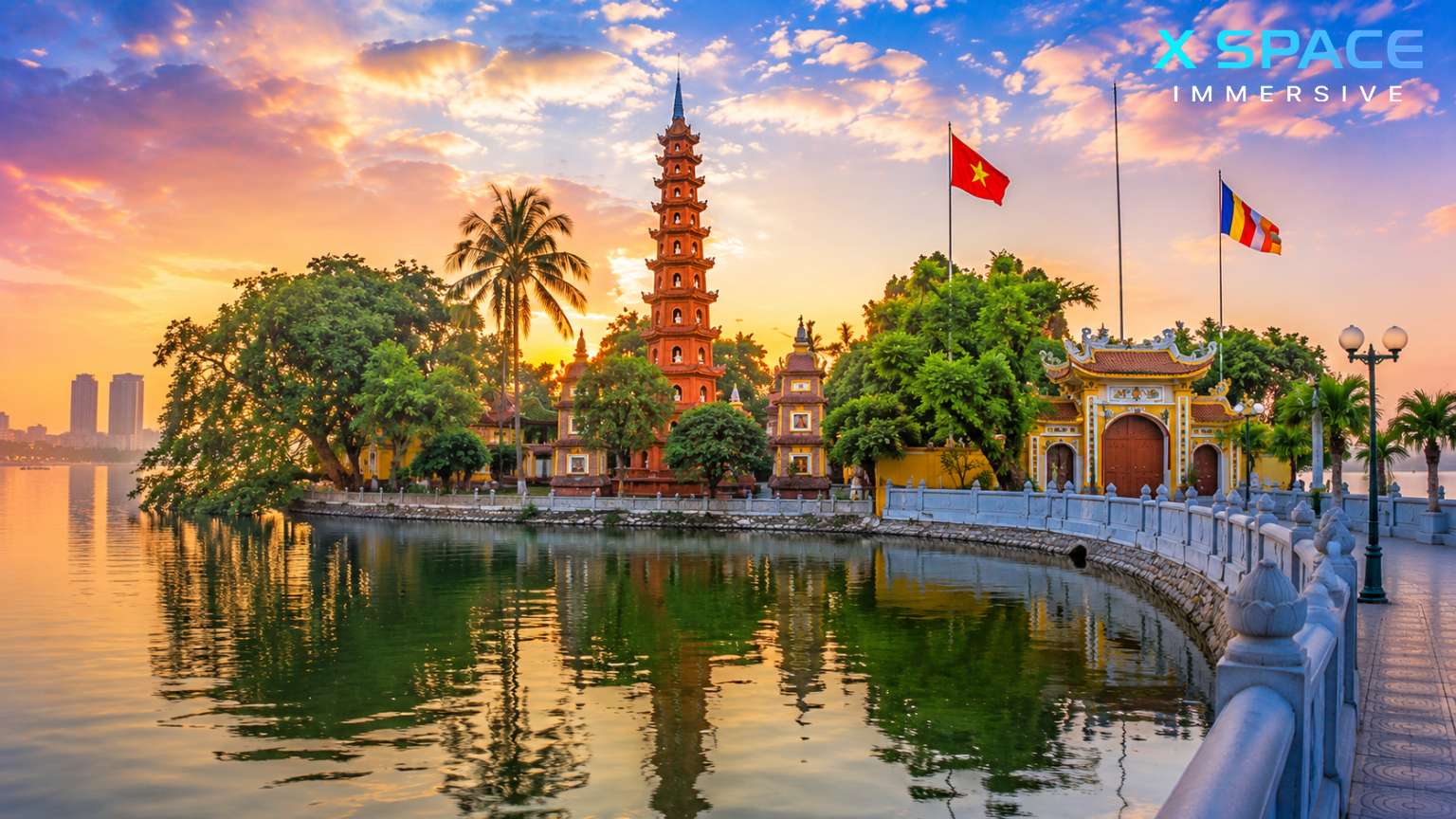
Panoramic view of Tran Quoc Pagoda on West Lake in Hanoi, Vietnam
Among hundreds of temples and pagodas scattered across Vietnam, Tran Quoc Pagoda enjoys a unique reputation. It is not only one of Hanoi’s most photographed attractions but also one of the country’s most important religious sites.
Located on a small peninsula connected to the eastern edge of West Lake by a graceful stone causeway, the pagoda immediately captivates visitors with its harmonious blend of architecture and nature. Ancient trees sway gently beside lotus ponds, colorful Buddhist flags flutter in the breeze, and the shimmering lake creates a peaceful backdrop that changes beautifully throughout the day.
Unlike bustling tourist attractions, Tran Quoc Pagoda invites travelers to slow their pace. The atmosphere is remarkably calm, even when visitors are present. Soft chants from worship halls, the scent of incense drifting through the air, and the sound of bells create a sense of serenity that many travelers describe as one of the highlights of their time in Hanoi.
The pagoda also serves as an important center of Vietnamese Buddhism. Local residents regularly come here to pray for health, prosperity, and peace, especially during Lunar New Year and major Buddhist festivals. Watching these daily rituals offers international visitors a meaningful glimpse into Vietnam’s spiritual traditions beyond the typical sightseeing experience.
Another reason why the pagoda attracts travelers from around the world is its accessibility. Situated only a short drive from Hanoi’s Old Quarter, it can easily be combined with nearby attractions such as West Lake, Quan Thanh Temple, Truc Bach Lake, and Ho Chi Minh Mausoleum, making it an ideal stop on a one-day cultural itinerary.
Whether you are visiting Hanoi for the first time or returning to explore the city more deeply, Tran Quoc Pagoda Hanoi Vietnam represents the perfect balance between history, culture, religion, architecture, and natural beauty.
The Fascinating History of Tran Quoc Pagoda
More Than 1,500 Years of Buddhist Heritage
The story of Tran Quoc Pagoda begins in the sixth century during the reign of Emperor Ly Nam De. Originally built around 541 AD, the temple was first known as Khai Quoc Pagoda, meaning “Founding the Nation.” Even its earliest name reflected the close relationship between Buddhism and the development of Vietnam’s national identity.
At the time, the pagoda stood along the banks of the Red River. However, the river’s strong currents gradually threatened the structure, prompting its relocation in the early seventeenth century to the peaceful island where it remains today. This careful move ensured the preservation of one of Vietnam’s oldest religious monuments while giving the pagoda its iconic setting on West Lake.
Throughout the Ly, Tran, Le, and Nguyen dynasties, Tran Quoc Pagoda became an important destination for emperors, scholars, monks, and pilgrims. Members of the royal court frequently visited to perform religious ceremonies, celebrate important Buddhist festivals, and seek spiritual guidance. As a result, the pagoda gradually evolved into one of the country’s most respected centers of Buddhist practice.
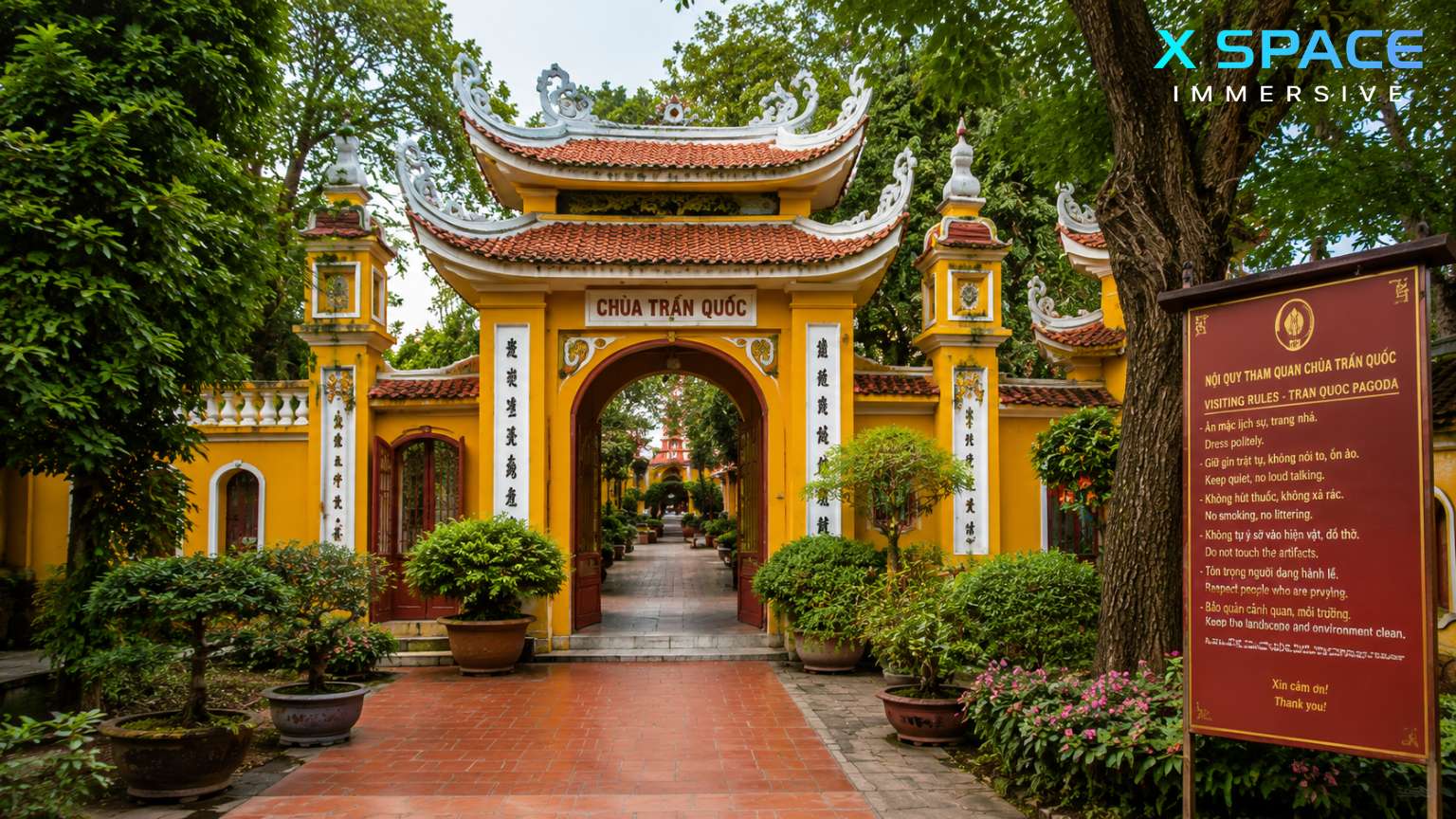
Main entrance gate of Tran Quoc Pagoda in Hanoi with traditional Vietnamese architecture
Its current name, Tran Quoc, meaning “Protecting the Nation,” reflects the belief that Buddhism contributes to national peace, prosperity, and harmony. This symbolic meaning continues to resonate today, making the pagoda not only a historical monument but also a place of living faith.
Over the centuries, the temple has undergone careful restoration while preserving its original character. Visitors today can still admire ancient architectural elements, centuries-old statues, traditional wooden carvings, and sacred relics that connect modern Hanoi with its distant past.
Walking through the temple grounds feels like stepping into a living museum where every courtyard, stone path, and prayer hall tells part of Vietnam’s remarkable cultural story.
Why Is It Also Known as Pagoda de Tran Quoc?
International travelers may occasionally encounter another name while researching Hanoi’s famous temple: Pagoda de Tran Quoc.
Although less commonly used by local residents, this phrase frequently appears in older French guidebooks, historical documents, and travel publications dating back to the colonial period. “Pagoda de” simply translates to “Pagoda of,” making Pagoda de Tran Quoc another way of referring to the same historic Buddhist temple.
Today, both names lead visitors to the same extraordinary destination overlooking West Lake. However, “Tran Quoc Pagoda” remains the internationally recognized English name and is the term most commonly used by travel websites, maps, and tourism authorities.
Understanding this alternative name can be especially helpful when reading historical materials or older travel resources. It also highlights another fascinating aspect of Hanoi’s multicultural past, where Vietnamese traditions, Buddhist heritage, and French colonial influences intersect in subtle but meaningful ways.
Regardless of the name visitors encounter, the essence of the destination remains unchanged. Tran Quoc Pagoda continues to stand as a symbol of resilience, spirituality, and Vietnamese identity—a place where centuries of history quietly coexist with the rhythm of modern Hanoi.
As visitors stroll beneath the shade of ancient Bodhi trees or pause to admire the reflection of the red stupa across West Lake, it becomes easy to understand why this sacred landmark has remained one of Vietnam’s most treasured cultural destinations for over fifteen centuries.
Top Things to See at Tran Quoc Pagoda
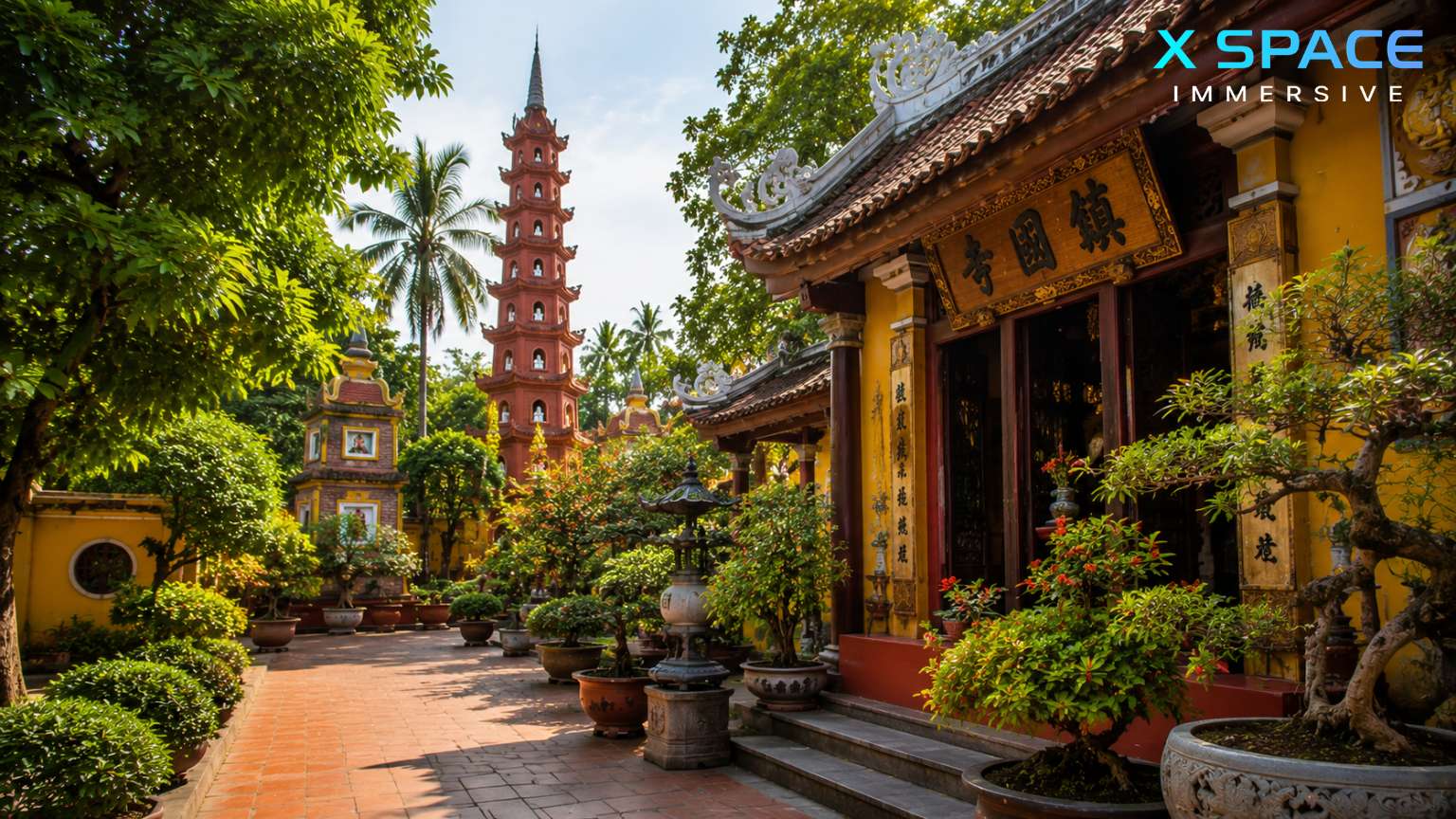
Peaceful courtyard at Tran Quoc Pagoda featuring Buddhist architecture and gardens
Although Tran Quoc Pagoda is not a large temple complex, every corner reflects centuries of Buddhist culture, traditional Vietnamese architecture, and peaceful natural beauty. Taking the time to explore each area will help you appreciate why this sacred site remains one of the most visited attractions in Hanoi.
The Iconic Eleven-Story Stupa
The first structure that catches almost every visitor’s attention is the magnificent eleven-story stupa standing prominently near the entrance. Rising approximately 15 meters above the temple grounds, the bright red tower has become the defining symbol of Tran Quoc Pagoda.
Each level of the stupa features arched niches housing white Amitabha Buddha statues, representing enlightenment and compassion in Mahayana Buddhism. At the top sits a precious gemstone-shaped lotus, symbolizing purity and spiritual awakening.
Surrounded by lush gardens and overlooking the calm waters of West Lake, the stupa is particularly stunning during sunrise and sunset, when the changing light casts a warm glow across its red brick façade. It is no surprise that this spot is considered one of the most photographed locations in Hanoi.
Whether you are interested in architecture or photography, the stupa offers countless opportunities to admire the harmony between religion, craftsmanship, and nature.
The Sacred Bodhi Tree
A short walk from the stupa leads visitors to one of the most meaningful treasures within the temple grounds—the sacred Bodhi tree.
Unlike ordinary trees, this Bodhi tree carries profound religious significance. It was grown from a cutting of the original Bodhi tree in Bodh Gaya, India, where Siddhartha Gautama is believed to have attained enlightenment and become the Buddha. The tree was presented to Vietnam by the President of India in 1959 as a symbol of friendship and shared Buddhist heritage.
Today, pilgrims and visitors often pause beneath its broad canopy to meditate, pray, or simply enjoy a few quiet moments away from the city’s fast pace.
The peaceful setting reminds visitors that Tran Quoc Pagoda is more than a sightseeing destination. It remains an active place of worship where spirituality continues to play an important role in everyday life.
Ancient Worship Halls and Buddhist Statues
Stepping inside the main worship halls reveals another side of Tran Quoc Pagoda’s timeless beauty.
The interiors are decorated with intricately carved wooden beams, lacquered altars, hanging lanterns, and centuries-old Buddhist statues that have been carefully preserved through generations. The gentle fragrance of incense and the soft glow of candlelight create a tranquil atmosphere that encourages quiet reflection.
Among the most treasured artifacts is the statue of Shakyamuni Buddha entering Nirvana, recognized as one of Vietnam’s finest examples of Buddhist sculpture. Visitors will also find statues dedicated to Amitabha Buddha, Avalokitesvara (the Bodhisattva of Compassion), and other revered figures in Mahayana Buddhism.
While exploring these sacred spaces, remember that local worshippers often come here to pray. Speaking softly, removing hats, and respecting religious ceremonies will help preserve the peaceful atmosphere for everyone.
The Tranquil Beauty of West Lake
One of the reasons Tran Quoc Pagoda feels so unique is its extraordinary location on the edge of West Lake—the largest freshwater lake in Hanoi.
The surrounding scenery changes beautifully throughout the day. Early mornings bring gentle mist rising from the water, while evenings offer spectacular sunsets reflected across the lake’s calm surface.
Many visitors choose to walk around the nearby promenade after exploring the temple. The lakeside path provides panoramic views, cool breezes, and countless opportunities to capture memorable photographs.
In spring, blooming flowers and fresh greenery make the surroundings even more picturesque. During autumn, Hanoi’s cool weather transforms West Lake into one of the city’s most romantic destinations.
The combination of sacred architecture and natural beauty creates an atmosphere that is difficult to find elsewhere in the capital.
Traditional Vietnamese Buddhist Architecture
Every structure inside Tran Quoc Pagoda reflects the elegance of traditional Vietnamese temple design.
Visitors will notice gently curved tiled roofs, carved wooden doors, decorative dragon motifs, lotus-shaped ornaments, and harmonious courtyards designed according to ancient Feng Shui principles. Rather than overwhelming visitors with grandeur, the architecture emphasizes balance, simplicity, and spiritual harmony.
Many of the decorative details carry symbolic meanings. Dragons represent strength and protection, lotus flowers symbolize purity rising above worldly distractions, while ancient bells and incense burners remind visitors of Buddhist teachings on mindfulness and compassion.
The careful integration of architecture with surrounding gardens, ponds, and trees creates an environment where nature and spirituality coexist peacefully.
Instead of dominating the landscape, the buildings blend naturally into it—a defining characteristic of traditional Vietnamese Buddhist architecture.
Tran Quoc Pagoda Opening Hours and Entrance Information
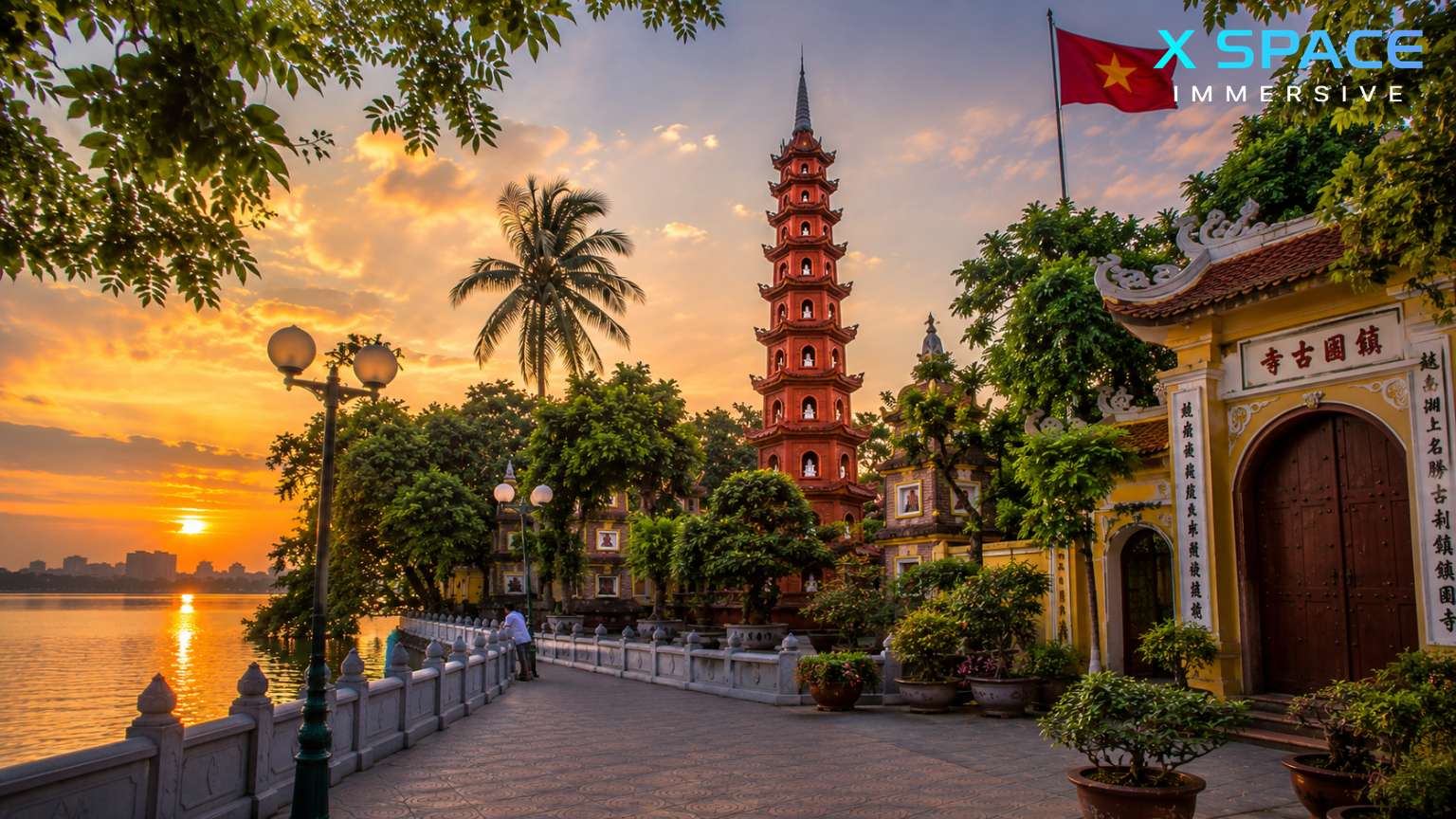
Sunset view of Tran Quoc Pagoda overlooking West Lake in Hanoi, Vietnam
Planning your visit in advance allows you to experience the temple at its most peaceful.
The official Tran Quoc Pagoda opening hours are generally:
- Daily: 8:00 AM – 4:00 PM
Although the temple welcomes visitors throughout the week, arriving early in the morning is highly recommended. The atmosphere is quieter, temperatures are cooler, and the soft morning light makes photography particularly rewarding.
Late afternoon is another excellent time to visit, especially if you want to combine your temple tour with a sunset walk around West Lake.
One of the best things about visiting Tran Quoc Pagoda is that admission is completely free. There is no entrance ticket, making it an accessible attraction for every type of traveler. Donation boxes are available for visitors who wish to contribute to the preservation of this historic religious site, but donations are entirely voluntary.
Keep in mind that opening hours may occasionally vary during important Buddhist festivals or special religious ceremonies. If you’re visiting during Lunar New Year or Vesak celebrations, expect larger crowds and allow extra time for your visit.
Tran Quoc Pagoda Dress Code and Temple Etiquette
As an active place of worship, visitors should dress respectfully and follow basic temple etiquette during their visit.
What Should You Wear?
Understanding the Tran Quoc Pagoda dress code is simple.
Visitors are encouraged to wear modest clothing that covers both the shoulders and knees. Lightweight shirts, long trousers, maxi dresses, or skirts below the knee are all appropriate choices, especially during Hanoi’s warmer months.
Avoid wearing:
- Sleeveless tops
- Crop tops
- Short shorts
- Mini skirts
- Transparent clothing
- Swimwear
Comfortable walking shoes are recommended since you’ll be exploring stone pathways and outdoor gardens.
If you’re visiting directly from another attraction and your outfit is too revealing, bringing a lightweight scarf or shawl is an easy way to cover your shoulders before entering the temple grounds.
Essential Temple Etiquette
Respectful behavior helps preserve the peaceful atmosphere that makes Tran Quoc Pagoda so special.
Before entering the worship halls, visitors should speak quietly, silence their mobile phones, and avoid unnecessary noise. Photography is generally permitted outdoors, but flash photography inside sacred spaces should be avoided unless permission is clearly given.
When observing local worshippers, it’s best to maintain a respectful distance and avoid interrupting prayers. Refrain from touching religious statues, climbing onto monuments, or pointing your feet toward Buddha images while sitting.
Simple gestures of courtesy—such as walking calmly, keeping the surroundings clean, and following posted signs—allow everyone to enjoy the temple respectfully.
By observing the Tran Quoc Pagoda dress code and basic etiquette, visitors not only show respect for local traditions but also gain a deeper appreciation for Vietnam’s living Buddhist culture.
Best Time to Visit Tran Quoc Pagoda Hanoi Vietnam
One of the reasons Tran Quoc Pagoda Hanoi Vietnam remains a favorite destination throughout the year is its ever-changing beauty. Each season offers a different atmosphere, making every visit feel unique. Choosing the right time to go can greatly enhance your experience, whether you’re interested in sightseeing, photography, or simply enjoying a peaceful moment by West Lake.
Spring (February to April)
Spring is widely considered the best season to visit Hanoi Tran Quoc Pagoda. The weather is pleasantly cool, flowers begin to bloom, and the temple grounds are especially vibrant after the Lunar New Year.
During this time, many local people visit the pagoda to pray for health, happiness, and good fortune. While the atmosphere can be busier during major festivals, it also offers visitors a wonderful opportunity to witness traditional Vietnamese Buddhist customs.
If you’re interested in cultural experiences, spring is an excellent time to explore the temple.
Summer (May to August)
Summer in Hanoi is hot and humid, with temperatures often exceeding 35°C (95°F). Although midday can be uncomfortable, early mornings remain peaceful and enjoyable.
The lush greenery surrounding West Lake is at its most vibrant during summer, creating beautiful reflections across the water. Sunrise photography is particularly rewarding, as the soft golden light illuminates the temple before the crowds arrive.
If you visit during this season, remember to bring water, sunscreen, and a hat.
Autumn (September to November)
Many travelers consider autumn the most beautiful season in Hanoi.
The cooler temperatures, blue skies, and gentle breeze create ideal conditions for exploring both the pagoda and the surrounding West Lake area. The comfortable weather also makes it easier to combine your visit with nearby attractions without feeling rushed.
This season is especially popular among photographers, thanks to the warm afternoon light that enhances the colors of the temple’s red stupa and ancient buildings.
Winter (December to January)
Winter brings cooler temperatures and occasional mist, giving Tran Quoc Pagoda a quiet and almost mystical atmosphere.
Although the skies may sometimes be overcast, fewer tourists visit during this period, allowing for a more peaceful experience. The gentle fog drifting over West Lake often creates dramatic photographs that capture the temple’s timeless beauty.
The Best Time of Day to Visit
Regardless of the season, the timing of your visit can make a significant difference.
Early morning (8:00–10:00 AM) is ideal for visitors seeking tranquility. The temple is quieter, the air is cooler, and the morning sunlight creates beautiful natural lighting for photography.
Late afternoon (4:00–6:00 PM) is another excellent choice. As the sun begins to set over West Lake, the surrounding scenery becomes incredibly picturesque, making it one of the most romantic times to explore the area.
If possible, avoid visiting during midday, especially in summer, when temperatures are highest and tour groups tend to arrive.
How to Get to Hanoi Tran Quoc Pagoda
Conveniently located near Hanoi’s city center, Hanoi Tran Quoc Pagoda is easy to reach from most popular tourist areas.
From Hanoi Old Quarter
The temple is approximately 3 kilometers from the Old Quarter, making it a short journey by almost any means of transportation.
Taxi or Ride-Hailing Apps
Using Grab or a local taxi is the quickest and most convenient option. Depending on traffic, the journey usually takes between 10 and 15 minutes.
Bicycle
Many travelers enjoy cycling from the Old Quarter to West Lake. The route is relatively flat and passes several charming streets, offering an opportunity to experience everyday life in Hanoi.
Walking
If you enjoy long walks, reaching Tran Quoc Pagoda on foot takes around 35 to 45 minutes. Along the way, you’ll pass Truc Bach Lake, local cafés, and quiet residential neighborhoods that reveal another side of the city.
From Hoan Kiem Lake
Starting from Hoan Kiem Lake, visitors can reach the pagoda in approximately 15 minutes by taxi or around 20 minutes by motorbike.
Many travelers combine both destinations in a single day, exploring Hanoi’s historic center in the morning before heading toward the peaceful surroundings of West Lake in the afternoon.
Nearby Attractions Worth Visiting
Because of its excellent location, Tran Quoc Pagoda fits easily into a full-day sightseeing itinerary.
Popular nearby attractions include:
- West Lake (Ho Tay) – Hanoi’s largest freshwater lake, perfect for walking, cycling, or enjoying lakeside cafés.
- Truc Bach Lake – A smaller and quieter lake with beautiful waterfront views.
- Quan Thanh Temple – One of Hanoi’s Four Sacred Temples, dedicated to Tran Vu, the guardian deity of the north.
- Ho Chi Minh Mausoleum – One of Vietnam’s most significant historical landmarks.
- Presidential Palace and One Pillar Pagoda – Located just a short drive away.
Combining these attractions allows visitors to experience both the spiritual and historical sides of Vietnam’s capital.
Tran Quoc Pagoda Reviews: What Visitors Should Expect
Reading Tran Quoc Pagoda reviews before your visit reveals a common theme: visitors consistently praise the temple for its peaceful atmosphere, stunning architecture, and beautiful lakeside location.
Many international travelers describe the pagoda as one of Hanoi’s most photogenic landmarks. The contrast between the vibrant red stupa, lush green gardens, and shimmering waters of West Lake creates countless opportunities for memorable photographs.
Another aspect frequently highlighted in Tran Quoc Pagoda reviews is the sense of tranquility. Despite being one of the city’s most popular attractions, the temple still provides quiet spaces where visitors can pause, observe local worshippers, and appreciate the calm surroundings.
History enthusiasts often mention how fascinating it is to explore a temple that has existed for more than fifteen centuries. The combination of ancient architecture, religious artifacts, and living Buddhist traditions offers an experience that goes beyond ordinary sightseeing.
However, reviews also mention a few practical considerations.
During weekends, public holidays, and major Buddhist festivals, the pagoda can become quite crowded. Narrow pathways around the temple may feel busy, particularly near the iconic stupa and the Bodhi tree.
Some visitors also note that the temple complex is relatively compact. Although you can explore the main highlights in under an hour, many recommend taking your time to enjoy the peaceful setting and nearby West Lake rather than rushing through the visit.
Overall, the overwhelming majority of Tran Quoc Pagoda reviews are highly positive, making it one of the highest-rated cultural attractions in Hanoi.
Photography Tips for Capturing Tran Quoc Pagoda
Photography is one of the biggest reasons many travelers visit Tran Quoc Pagoda.
Whether you’re using a professional camera or simply taking photos with your smartphone, a few simple tips can help you capture the beauty of this historic temple.
Arrive Early for Soft Natural Light
Morning light creates gentle shadows and warm colors, making the temple appear even more elegant. It also allows you to photograph the stupa before large tour groups arrive.
Include West Lake in Your Composition
Rather than focusing only on the temple buildings, step back and use West Lake as part of your composition. The reflections across the water add depth and create a stronger visual story.
Capture Architectural Details
Don’t overlook the smaller elements that make Tran Quoc Pagoda unique.
Intricate roof carvings, ancient wooden doors, lotus decorations, prayer incense, and traditional lanterns all provide excellent close-up photography opportunities.
Respect Worship Areas
While outdoor photography is generally welcomed, remember that the temple remains an active religious site.
Avoid using flash inside worship halls, do not block pathways used by worshippers, and always ask permission before photographing monks or religious ceremonies.
Being respectful not only creates a better experience for everyone but also helps preserve the peaceful atmosphere that makes the temple so special.
Useful Tips Before Visiting Tran Quoc Pagoda
A little preparation can make your visit more comfortable and enjoyable.
Here are a few practical tips to keep in mind before exploring Tran Quoc Pagoda:
- Visit early in the morning for fewer crowds and cooler temperatures.
- Wear modest clothing that follows the Tran Quoc Pagoda dress code.
- Bring drinking water, especially during Hanoi’s hot summer months.
- Carry a small amount of cash if you’d like to make a voluntary donation.
- Wear comfortable walking shoes suitable for stone pathways.
- Plan around 45 to 60 minutes to explore the temple at a relaxed pace.
- Combine your visit with nearby attractions such as West Lake and Quan Thanh Temple for a more complete cultural experience.
- Keep noise to a minimum and respect local worshippers during prayer times.
- Check the weather forecast before visiting if you hope to photograph the temple during sunrise or sunset.
With its remarkable history, peaceful surroundings, and convenient location, Tran Quoc Pagoda is much more than a sightseeing stop. Taking the time to explore it slowly will allow you to appreciate the spiritual atmosphere and cultural heritage that have made this temple one of Hanoi’s most treasured landmarks for over 1,500 years.
FAQ About Tran Quoc Pagoda
Is Tran Quoc Pagoda Free to Enter?
Yes. Tran Quoc Pagoda is open to the public free of charge, making it one of the best cultural attractions to visit in Hanoi without an entrance fee. While admission is free, donation boxes are placed around the temple for visitors who wish to support the preservation of this historic Buddhist site.
What Are the Tran Quoc Pagoda Opening Hours?
The official Tran Quoc Pagoda opening hours are generally 8:00 AM to 4:00 PM daily. Visiting early in the morning is highly recommended, as the temple is quieter and the soft natural light creates ideal conditions for sightseeing and photography.
What Is the Tran Quoc Pagoda Dress Code?
The Tran Quoc Pagoda dress code encourages visitors to wear modest clothing out of respect for this active place of worship. Shirts should cover the shoulders, while trousers, skirts, or dresses should extend below the knees. Avoid revealing clothing, hats inside worship halls, and loud behavior that may disturb people who are praying.
How Long Should You Spend at Tran Quoc Pagoda?
Most visitors spend 45 minutes to one hour exploring the temple grounds. If you plan to walk around West Lake, enjoy nearby cafés, or visit neighboring attractions such as Quan Thanh Temple, you may want to allow two to three hours for a more relaxed experience.
Is Hanoi Tran Quoc Pagoda Worth Visiting?
Absolutely. Hanoi Tran Quoc Pagoda is one of the city’s most iconic cultural landmarks, offering visitors a unique combination of history, Buddhist architecture, spiritual traditions, and scenic views over West Lake. Whether you’re visiting Hanoi for the first time or returning to explore its hidden gems, the pagoda is well worth adding to your itinerary.
Can You Visit Pagoda de Tran Quoc With Children?
Yes. Families with children are welcome to visit Pagoda de Tran Quoc, provided everyone follows the temple’s etiquette. The peaceful gardens, open courtyards, and lakeside setting make it a pleasant destination for travelers of all ages. Parents are encouraged to remind children to speak quietly and respect the sacred environment.
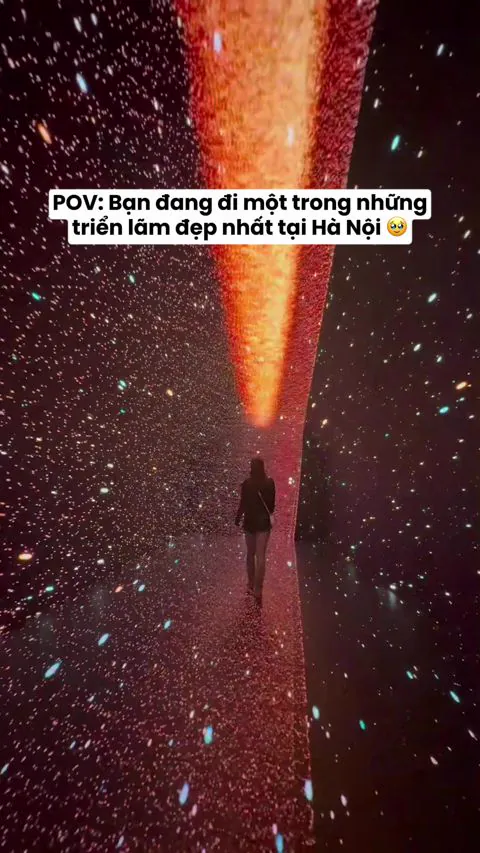
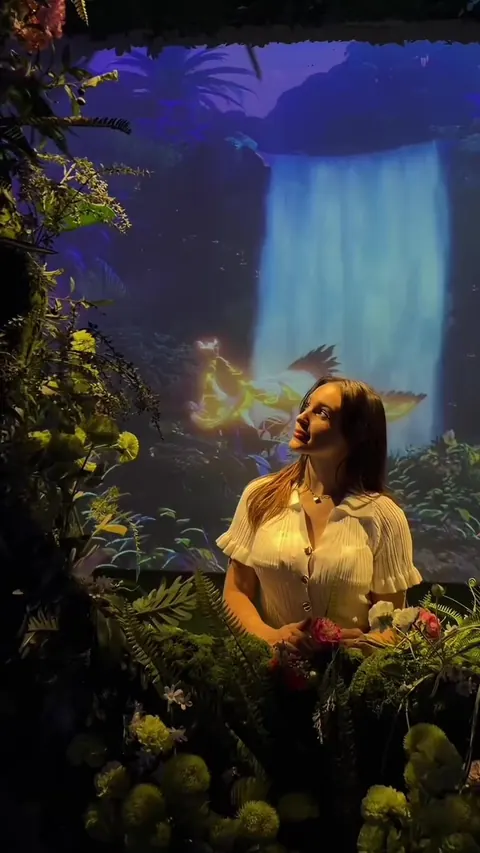
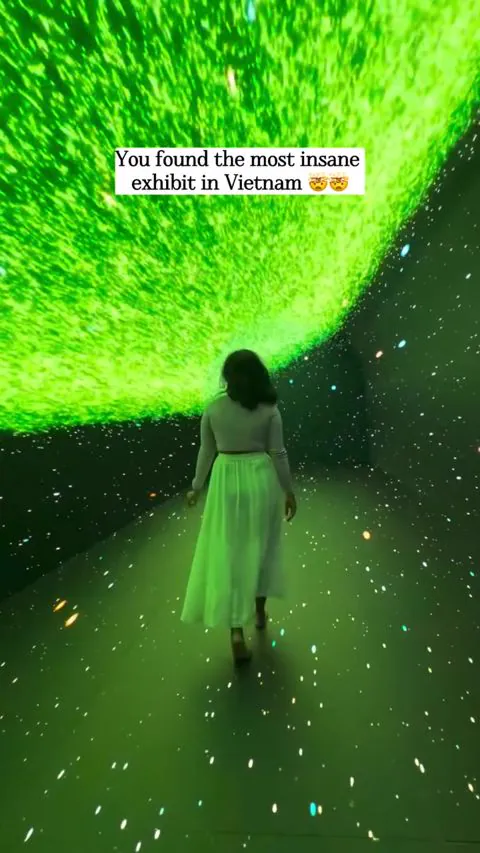
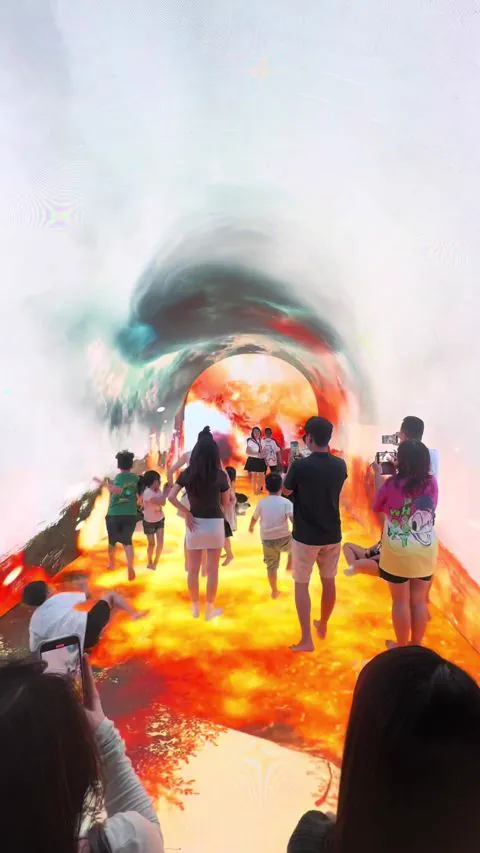
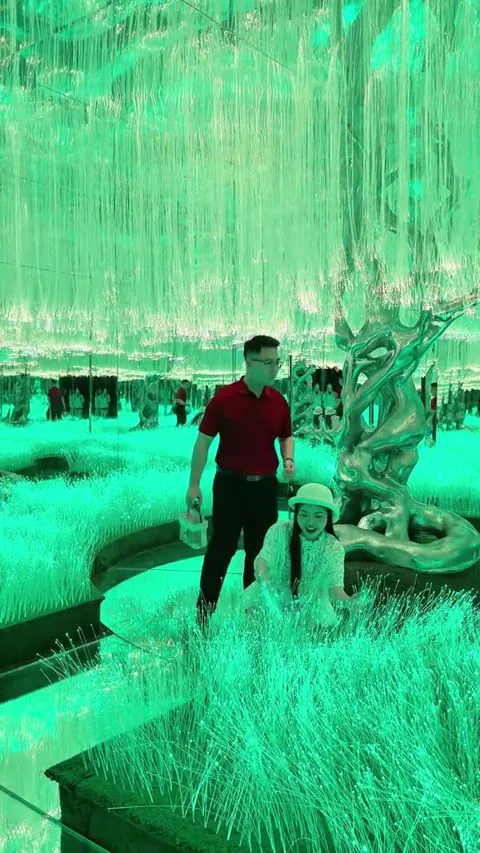
Experience X Space Immersive After Visiting Tran Quoc Pagoda
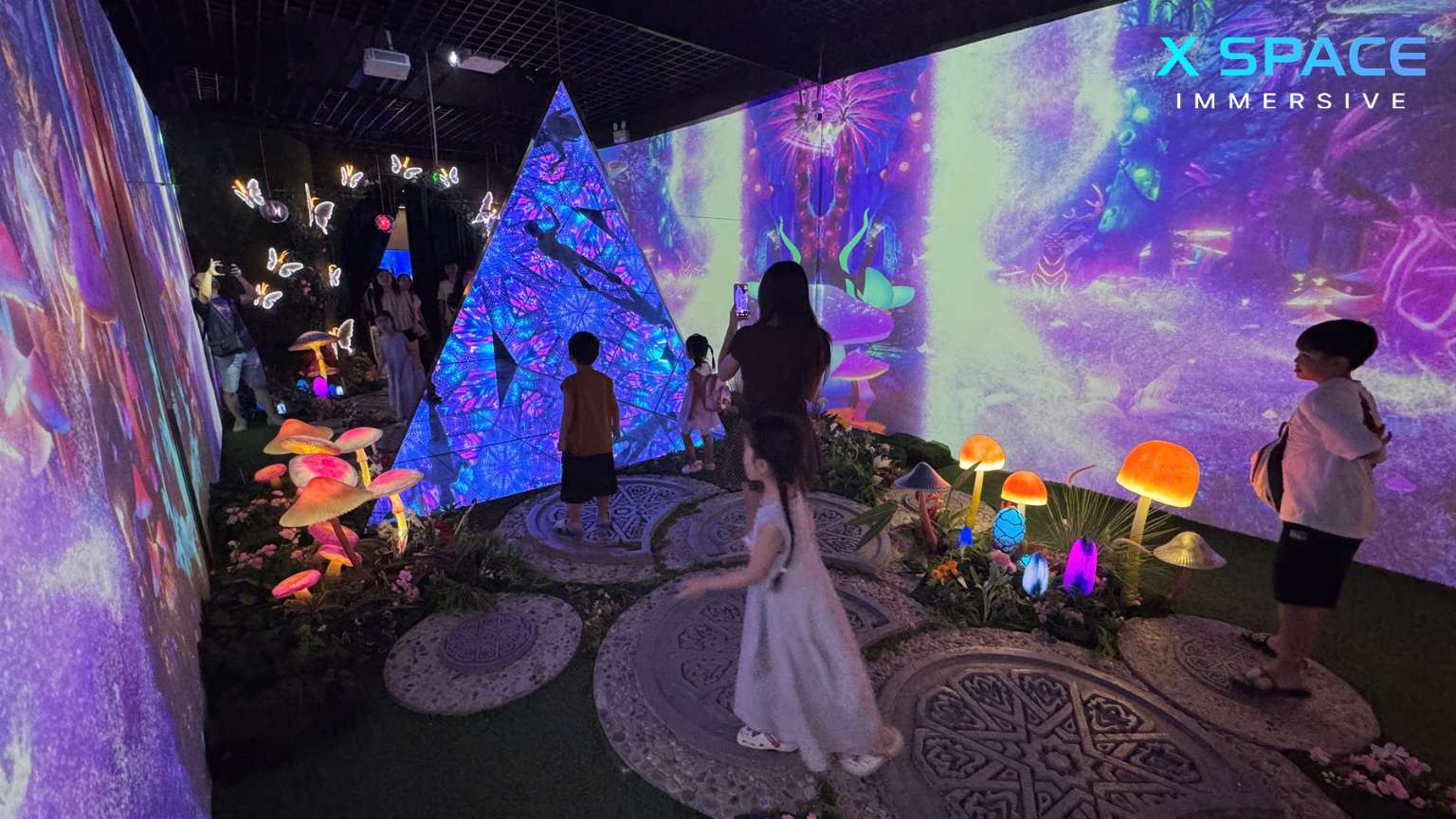
Experience X Space Immersive digital art exhibition in Hanoi
After discovering the timeless beauty of Tran Quoc Pagoda, why not experience another side of Hanoi that celebrates creativity through technology and interactive art?
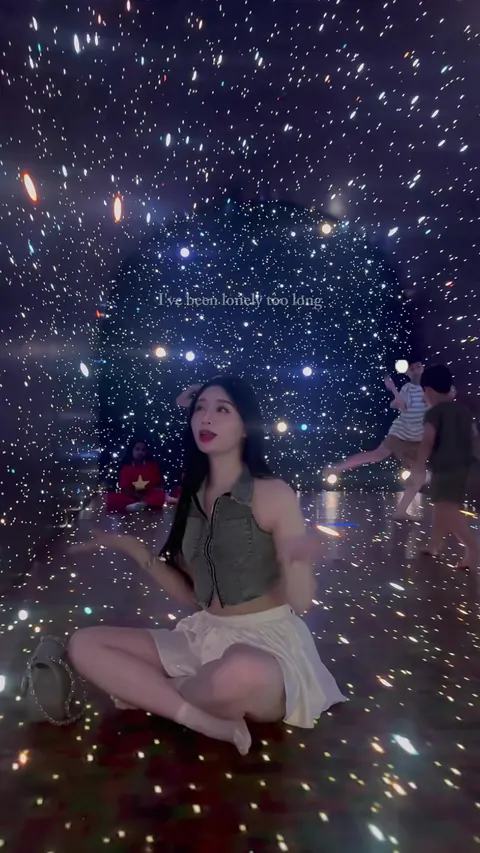
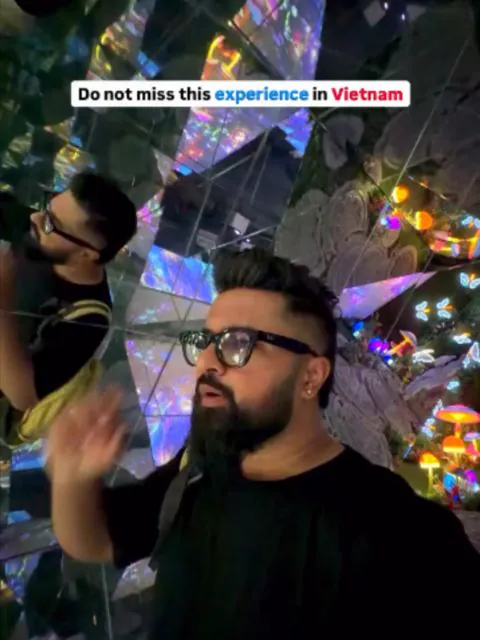
Located within easy reach of many of the city’s popular attractions, X Space Immersive offers a completely different yet complementary experience. While Tran Quoc Pagoda invites visitors to reflect on Vietnam’s rich cultural and spiritual heritage, X Space Immersive showcases the country’s growing creative scene through immersive digital installations, projection mapping, interactive storytelling, and multisensory exhibitions.
Instead of observing history, visitors become part of the experience.
Each exhibition combines light, sound, motion, and visual effects to create captivating spaces that encourage exploration and interaction. Whether you’re traveling as a couple, with family, or with friends, every room offers unique opportunities to engage, create memorable photos, and experience art from a fresh perspective.
For photography enthusiasts and content creators, X Space Immersive is especially appealing. Dynamic lighting, vibrant digital environments, and constantly changing visuals provide endless inspiration for both professional photography and social media content.
Combining these two attractions in one day offers a fascinating contrast between Hanoi’s past and present.
Start your morning by wandering through the peaceful courtyards of Tran Quoc Pagoda, admiring its centuries-old architecture and serene lakeside atmosphere. Spend the afternoon exploring nearby cafés around West Lake before ending the day surrounded by cutting-edge digital art and immersive technology at X Space Immersive.
Together, they represent two very different but equally memorable experiences—one rooted in centuries of history and spirituality, the other celebrating innovation, imagination, and modern creativity.
If you’re planning a cultural itinerary in Hanoi, adding both destinations to your schedule allows you to experience the city from two unique perspectives.
Final Thoughts
Tran Quoc Pagoda is more than just a historic temple—it’s a place where Vietnam’s rich history, Buddhist traditions, and natural beauty come together. Whether you’re exploring its ancient architecture, enjoying the peaceful views of West Lake, or learning about its 1,500-year heritage, every visit offers a memorable cultural experience.
If you’re planning a trip to Hanoi, be sure to add Tran Quoc Pagoda to your itinerary. It’s a must-visit landmark that perfectly captures the city’s timeless charm and spiritual heritage.
Was this article helpful?
Thanks for your feedback!