Temple of Literature and National University Visitor Guide

The Temple of Literature and National University is one of Hanoi’s most iconic cultural landmarks and a must-visit destination for anyone interested in Vietnam’s history, architecture, and educational heritage. As the country’s first national university, this centuries-old complex offers visitors a unique journey through ancient traditions, peaceful courtyards, and remarkable architecture. In this guide, you’ll discover everything you need to know about the Temple of Literature and National University, from its fascinating history and top attractions to practical travel tips for an unforgettable visit.
In this guide
What Is the Temple of Literature and National University?
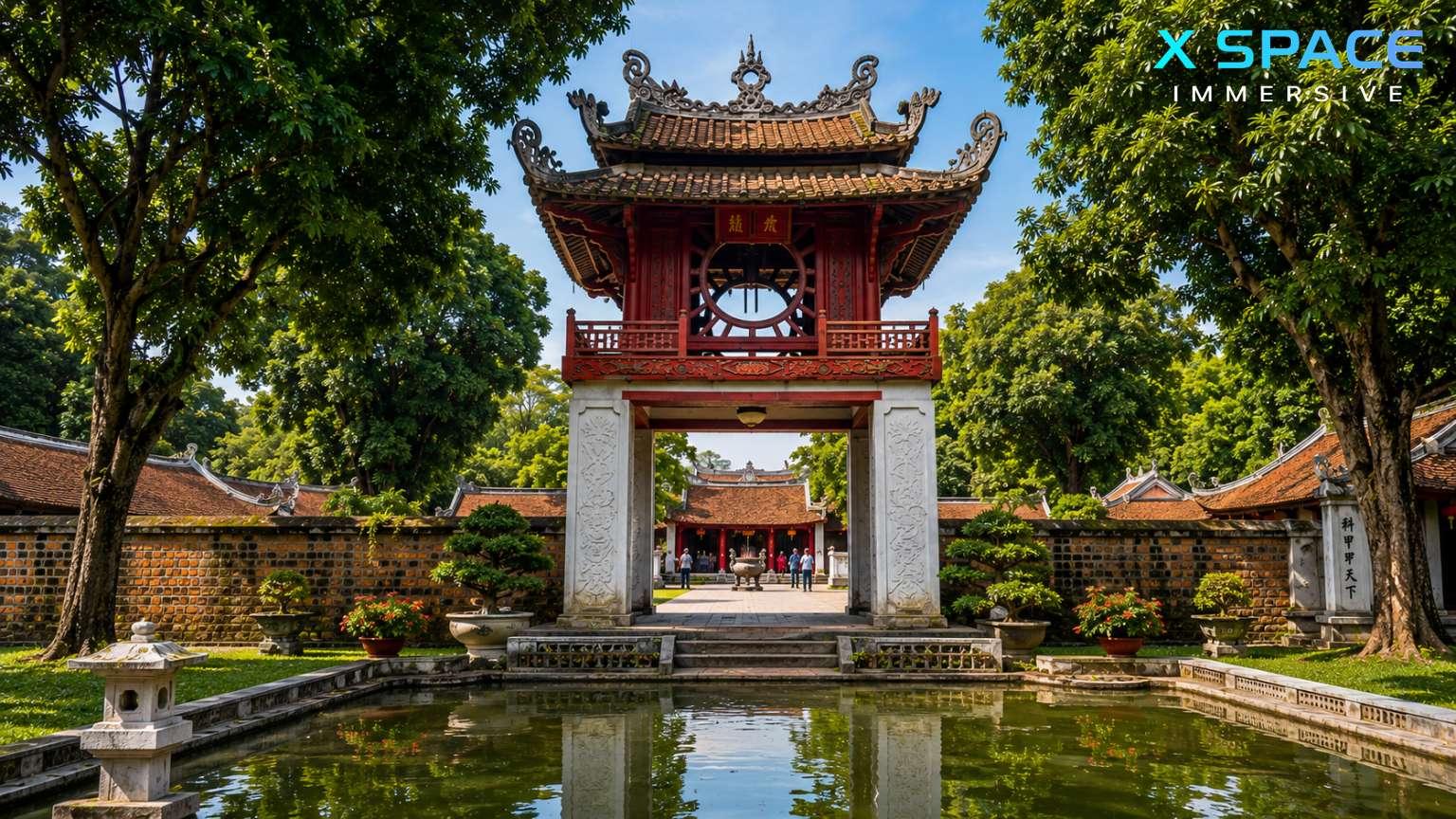
Khue Van Pavilion at the Temple of Literature and National University in Hanoi
The Temple of Literature and National University is a historic complex dedicated to Confucius, scholars, and the educational traditions of Vietnam.
The Temple of Literature was founded in 1070 during the reign of Emperor Lý Thánh Tông. It was created as a place to honor Confucius, whose teachings placed great importance on education, morality, responsibility, and social harmony.
Six years later, in 1076, Emperor Lý Nhân Tông established Quốc Tử Giám, commonly translated as the Imperial Academy or National University. It became the country’s most important center of higher learning and is widely recognized as Vietnam’s first national university.
At first, the academy mainly educated princes, members of the royal family, nobles, and children of high-ranking officials. Over time, access was gradually expanded to talented students who demonstrated exceptional academic ability, regardless of whether they came from powerful families.
This development carried an important message: education was not only a privilege but also a path through which talent, discipline, and knowledge could be recognized.
Today, the Temple of Literature & National University is one of Hanoi’s most treasured cultural sites. It no longer operates as a university, but it remains closely connected to learning. Students often visit before important examinations, graduates come here to take photographs, and cultural events continue to celebrate Vietnam’s scholarly traditions.
For travelers, the complex offers something rare: a historic site that feels both monumental and intimate. It tells the story of a nation through quiet courtyards rather than grand displays.
Temple of Literature Hanoi History: From 1070 to Today
Understanding the Temple of Literature Hanoi history makes every gate, pavilion, statue, and stone inscription more meaningful.
The complex has existed for more than nine centuries. During that time, it witnessed the rise and fall of dynasties, the development of Vietnam’s examination system, the movement of the royal capital, periods of war, and many restoration efforts.
The Founding of the Temple of Literature
The Temple of Literature was built in 1070 under Emperor Lý Thánh Tông.
Its original purpose was to worship Confucius and honor respected figures associated with Confucian learning. Confucian philosophy had a strong influence on traditional education, government administration, family relationships, and social ethics throughout many periods of Vietnamese history.
The temple was therefore more than a religious structure. It represented a vision of an orderly society shaped by moral conduct, intellectual discipline, and responsible leadership.
Although visitors sometimes assume that the entire complex began as a university, the temple and academy were established at different times. The temple came first in 1070, while the Imperial Academy was founded in 1076.
This distinction helps explain the site’s two connected identities: one spiritual and ceremonial, the other educational.
The Establishment of Vietnam’s First National University
When the Imperial Academy was established beside the temple, it created a formal environment for educating future officials and scholars.
Students studied classical literature, history, philosophy, ethics, political thought, and principles associated with effective governance. Their education required patience, memorization, interpretation, writing ability, and a deep understanding of classical texts.
Success in the imperial examination system could transform a student’s life. Those who achieved high results might be appointed to important government positions and gain great respect within society.
However, the academic journey was demanding. Students often studied for many years, and only a small number reached the highest level.
The academy initially served elite families, but talented learners from other social backgrounds were later accepted. This gradual expansion strengthened the idea that intellectual ability could contribute to national development.
For centuries, Quốc Tử Giám trained people who would become teachers, administrators, historians, poets, and officials. Its legacy continues to shape the way the site is understood today.
Development Under Different Dynasties
The complex changed under the Lý, Trần, Lê, Mạc, and Nguyễn dynasties.
Buildings were repaired, expanded, relocated, or reconstructed depending on political conditions and the needs of each era. Educational policies also evolved, as did the structure of imperial examinations.
One of the most important developments occurred in 1484, when Emperor Lê Thánh Tông ordered the creation of stone steles to honor successful doctoral candidates. The first steles recorded examination results beginning in 1442.
Today, 82 doctoral steles remain at the Temple of Literature. They preserve information about examinations conducted between the 15th and 18th centuries and are among the complex’s most historically valuable objects.
In the early 19th century, the Nguyễn dynasty established its capital in Huế. The main imperial academy was subsequently moved there, while the Hanoi complex continued to function as an important cultural and educational symbol.
Over the centuries, conflict, weather, and changing political circumstances damaged parts of the original architecture. Several structures visible today have been restored or reconstructed. Even so, the spatial organization and symbolic atmosphere of the historic complex remain remarkably powerful.
The Temple in Modern Hanoi
Today, the Temple of Literature is protected as a major heritage site and welcomes both domestic and international visitors.
It also continues to play a meaningful role in Vietnamese cultural life. Educational ceremonies, exhibitions, poetry events, calligraphy activities, and student visits are often associated with the complex.
During the Lunar New Year period, calligraphers traditionally create meaningful characters representing wishes such as wisdom, success, happiness, health, and peace. This custom connects ancient scholarly traditions with modern hopes.
The site is therefore not a frozen monument. It remains active in public memory.
History Temple University: Vietnam’s Ancient Education System
The phrase history temple university may sound unusual in everyday English, but it reflects the three elements that make this Hanoi landmark so distinctive: its religious origins, educational function, and long historical journey.
The Imperial Academy was built around the Confucian belief that education should develop both knowledge and character.
Students were not only expected to understand classical works. They were also encouraged to cultivate discipline, loyalty, integrity, responsibility, and respect for social order.
The curriculum focused heavily on Confucian texts, literature, history, poetry, philosophy, and administrative thought. Learning required close reading and the ability to write structured essays that demonstrated knowledge, logic, and moral judgment.
The examination system was highly competitive. Candidates progressed through different levels, often beginning with regional examinations before advancing to higher royal examinations.
Passing the most prestigious examinations brought honor not only to the individual but also to the student’s family and hometown. Successful candidates could become mandarins or scholars who advised the royal court and managed public affairs.
The doctoral steles at the temple remind visitors that these achievements were intended to be remembered across generations.
However, the inscriptions celebrate more than personal success. They also communicate the belief that talented, ethical people were essential to the strength of a nation.
That idea remains relevant today. This is one reason Vietnamese students and families continue to feel emotionally connected to the Temple of Literature.
Architecture of the Temple of Literature & National University
The architecture of the Temple of Literature & National University is graceful rather than overwhelming.
Instead of one enormous building, the site is arranged as a sequence of courtyards, gates, gardens, ponds, pavilions, worship halls, and educational spaces.
Visitors move gradually from the outer entrance toward the most sacred areas. This progression creates a physical and symbolic journey away from the noise of everyday life and toward knowledge, reflection, and spiritual respect.
The Five Courtyards
The complex is traditionally divided into five main courtyards.
Each courtyard has its own atmosphere and purpose. Together, they create a sense of movement and discovery.
The first spaces introduce visitors to landscaped gardens and long pathways. As you continue deeper into the complex, the architecture becomes more formal and ceremonial.
This layered design encourages visitors to slow down. Rather than seeing everything at once, you experience the site step by step.
Trees soften the red walls and tiled roofs. Small architectural details gradually appear. Gates frame each new view like scenes in a carefully composed painting.
The Great Portico and Main Entrance
The journey begins at the main entrance, where traditional architecture immediately separates the temple grounds from the busy city outside.
The gate establishes the dignified character of the site. Its proportions, decorative elements, and historical appearance prepare visitors for the courtyards beyond.
Once you enter, the traffic noise begins to fade. Shaded pathways and green gardens replace the movement of Hanoi’s streets.
This contrast is one of the most memorable parts of the visit.
Khue Van Pavilion
Khue Van Pavilion, or Khuê Văn Các, is the architectural symbol most closely associated with the Temple of Literature.
Built in the early 19th century, the elegant red pavilion stands above a square gateway. Its circular windows and balanced proportions make it one of the most photographed structures in Hanoi.
The name refers to the Khuê star, traditionally associated with literature and scholarly brilliance.
Its design also carries symbolic meaning. Circular forms may represent heaven, while square forms are often associated with the earth. Together, they express balance, harmony, and intellectual enlightenment.
Although the pavilion is not the oldest structure in the complex, it has become an enduring emblem of Hanoi’s cultural identity.
The Well of Heavenly Clarity
Beyond Khue Van Pavilion lies a square pond known as Thiên Quang Well, often translated as the Well of Heavenly Clarity.
The water creates a calm center within the courtyard. On quiet mornings, trees, roofs, and the sky reflect across its surface.
Its square shape complements the circular details of Khue Van Pavilion, continuing the symbolic relationship between earth and heaven.
Benches and shaded areas nearby allow visitors to pause and absorb the atmosphere. It is one of the best places in the complex to step away from a rushed itinerary and simply observe.
The Doctoral Steles and Stone Turtles
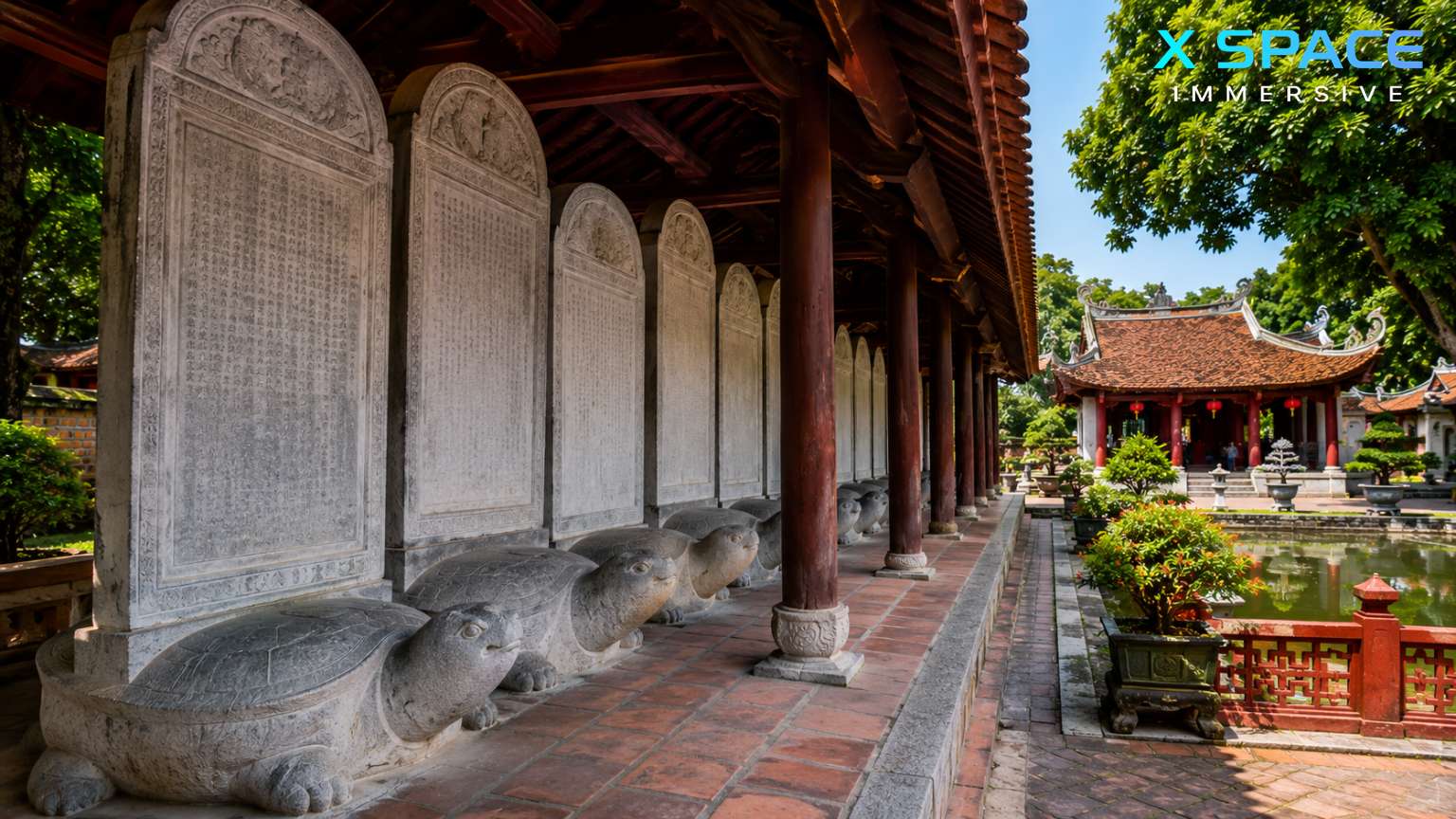
Doctoral steles on stone turtles at the Temple of Literature and National University
On both sides of the Well of Heavenly Clarity stand rows of stone steles mounted on sculpted turtles.
These steles record the names and achievements of scholars who passed royal doctoral examinations. Of the larger number originally created, 82 have survived.
The steles provide valuable information about successful candidates, examination events, educational ideals, and the historical administration of learning. Their inscriptions offer important evidence about Vietnam’s imperial examination system.
The collection was recognized through UNESCO’s Memory of the World program in 2010.
The turtles beneath the steles are equally significant. In Vietnamese culture, the turtle is associated with longevity, wisdom, stability, and endurance.
Together, the stone slabs and turtles suggest that knowledge should last beyond the lifetime of an individual.
Visitors should avoid touching, rubbing, climbing on, or sitting beside the steles. Although touching the turtles was once considered a good-luck tradition among students, protecting the stone surfaces is now more important.
The Dai Thanh Sanctuary
The Dai Thanh Sanctuary is one of the most sacred parts of the complex.
It is dedicated to Confucius and other respected figures connected to Confucian learning. The space feels more ceremonial than the open courtyards, with altars, dark wooden structures, red and gold decorative details, and the gentle scent of incense.
Visitors should speak quietly and behave respectfully here.
Even travelers who do not follow Confucian traditions can appreciate the sanctuary as a space of gratitude toward teachers, knowledge, and ethical guidance.
The Thai Hoc House
The Thai Hoc area stands on the former site associated with the Imperial Academy.
Some original structures were lost over time, and the present buildings were reconstructed to honor the educational history of Quốc Tử Giám.
Inside, visitors can learn more about distinguished teachers, important scholars, and the development of Vietnamese education.
The area also helps connect the spiritual role of the Temple of Literature with the practical academic role of the National University.
For many travelers, this is where the full meaning of the site becomes clear. It was not only a place of worship and not only a school. It was a national institution where education, ethics, and public service were closely connected.
Top Things to See at the Temple of Literature and National University
A complete visit should not feel like a race from one monument to another. Give yourself time to notice the smaller details.
Begin by walking slowly through the five courtyards. Observe how the atmosphere changes as you pass through each gate.
Stop at Khue Van Pavilion and view it from different angles. The classic photograph is taken from the courtyard, but reflections, trees, and framed gateway views can create more personal compositions.
Spend time near the Well of Heavenly Clarity. The symmetrical layout around the pond offers one of the best opportunities to appreciate the complex as a complete architectural space.
Examine the doctoral steles without touching them. Look closely at the shapes of the stone turtles, which vary in expression, posture, and carving style.
Visit the Dai Thanh Sanctuary to understand the ceremonial heart of the temple.
Continue to the Thai Hoc area to learn more about Vietnam’s ancient academic traditions and the scholars associated with the university.
Also pay attention to the gardens, tiled roofs, wooden doors, carved motifs, incense holders, bells, and old trees. These elements may not appear in every guidebook, but they contribute greatly to the character of the site.
Temple of Literature and National University Visitor Information
Practical details can change, particularly during public holidays, festivals, restoration periods, or special events. Visitors should confirm the latest information through the official venue before traveling.
Location and How to Get There
The Temple of Literature is located at 58 Quốc Tử Giám Street in Đống Đa District, Hanoi.
It is relatively close to several central attractions and can be reached by taxi, ride-hailing service, public bus, bicycle, or on foot, depending on your starting point.
From the Old Quarter, the journey generally takes around 10 to 20 minutes by car or motorbike, depending on traffic.
Walking is possible for travelers who enjoy exploring local streets, though Hanoi’s heat, humidity, and traffic may make a ride more comfortable during the middle of the day.
When using a map application, search for “Văn Miếu – Quốc Tử Giám” or “Temple of Literature Hanoi.”
Opening Hours
Recent visitor information commonly lists daily opening hours around 8:00 a.m. to 5:00 p.m., with some seasonal variations. Summer schedules may begin earlier and close slightly later.
Because operating times can change, especially during holidays or special cultural programs, check the official website or ticket information shortly before your visit.
Arriving close to opening time is usually the best choice for a more peaceful experience.
Entrance Fee
Recent published information lists the standard adult admission price at approximately VND 70,000, with reduced rates available for certain eligible visitors, including students.
Bring appropriate identification if you plan to request a discounted ticket.
Admission policies and prices may be updated, so treat these figures as a planning reference rather than a permanent rate.
How Long Should You Spend Here?
Most visitors need between one and two hours.
One hour is enough for a relaxed walk through the main courtyards and important buildings. Allow closer to two hours if you enjoy history, architecture, exhibitions, photography, or reading interpretive displays.
A guided tour may also take longer, but it can provide valuable context that is easy to miss during an independent visit.
Best Time to Visit the Temple of Literature
Early morning is generally the best time to visit.
The temperature is cooler, the courtyards are quieter, and the soft light works beautifully for photography. Arriving early also gives you a better chance of enjoying Khue Van Pavilion and the steles without large tour groups.
Weekdays are often calmer than weekends, although school trips and educational events may still bring groups of students.
Hanoi’s autumn months are especially pleasant, with milder temperatures and a softer atmosphere. Spring can also be lovely, though the period around Lunar New Year may be busier because of cultural activities and calligraphy traditions.
Summer in Hanoi can be hot and humid. Wear breathable clothing, bring water, and avoid spending too long in direct midday sun.
Rain should not automatically cancel your visit. The red walls, tiled roofs, wet stone paths, and green gardens can look particularly atmospheric after a shower.
Essential Tips for First-Time Visitors
Wear comfortable shoes because you will spend most of the visit walking or standing.
Choose clothing that is respectful and suitable for a cultural and spiritual site. There is no need to dress formally, but extremely revealing outfits may feel inappropriate around the sanctuary.
Bring water during warm weather, but avoid eating in sacred areas.
Do not touch the doctoral steles, sculptures, altars, or historic architectural details.
Take your time. The beauty of the Temple of Literature and National University lies in its atmosphere as much as in its famous structures.
Consider using an audio guide or joining a knowledgeable guided tour. Without historical context, some courtyards may appear simply beautiful. With context, they become parts of a much larger story about education, ambition, social responsibility, and national identity.
Keep your admission ticket until you have completed your visit, and follow any local instructions regarding restricted areas or temporary exhibitions.
Cultural Etiquette and Visitor Rules
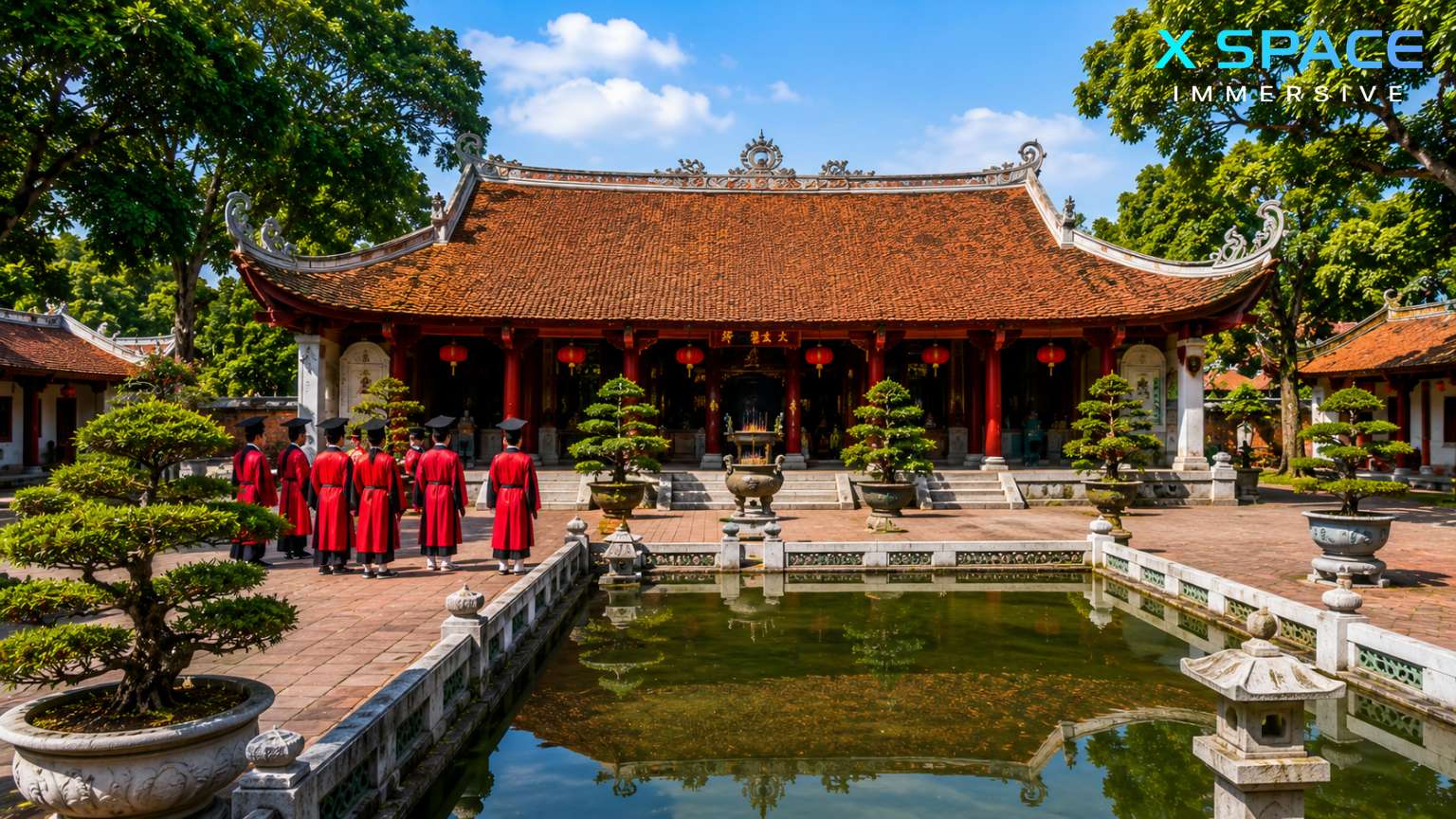
Visitors exploring the courtyard of the Temple of Literature and National University
The Temple of Literature is both a tourist destination and a respected heritage space.
Speak softly near altars, ceremonial halls, and worship areas.
Do not climb on walls, gates, statues, stone turtles, or raised platforms.
When taking photographs, avoid blocking pathways or disturbing people who are praying, participating in ceremonies, or taking graduation pictures.
Ask permission before photographing individuals at close range.
Incense and religious objects should be handled only where permitted. Follow posted guidance and observe how local visitors behave.
Parents should supervise young children around ponds, stone monuments, and sacred spaces.
Most importantly, approach the complex with curiosity rather than treating it only as a background for photographs. A respectful visit is usually a more memorable one.
Photography Guide for the Temple of Literature
The temple is one of the most photogenic historic attractions in Hanoi.
Khue Van Pavilion is the most famous subject. For a balanced image, position the pavilion between trees or photograph it through another gate to create a natural frame.
The Well of Heavenly Clarity offers reflections when the water is calm. A low angle can capture both the architecture and the sky.
The corridors beside the doctoral steles provide strong lines, repetition, and shadow. Be careful not to lean on the stone monuments while composing your image.
Traditional red doors, mossy walls, roof tiles, lanterns, carved wood, and old trees are excellent details for storytelling photographs.
Morning light is soft and gentle. Late-afternoon light can add warmth to the red buildings, although visitor numbers may be higher.
Cloudy days are also useful because the even light reduces harsh shadows and brings out architectural details.
Avoid using large equipment that blocks other visitors unless you have received permission. Commercial photography, professional shoots, or tripods may be subject to separate rules.
Nearby Attractions to Add to Your Hanoi Itinerary
The Temple of Literature can easily be combined with other cultural attractions.
The Vietnam Fine Arts Museum is located nearby and offers a deeper look at the country’s artistic traditions.
The Ho Chi Minh Mausoleum Complex, One Pillar Pagoda, and Presidential Palace area can also be included in a broader historical itinerary.
The Imperial Citadel of Thăng Long is another important destination for travelers interested in Vietnam’s royal and political history.
Later, continue toward Hoan Kiem Lake and the Old Quarter for street food, cafés, traditional shops, markets, and colonial-era architecture.
A balanced day might begin at the Temple of Literature in the morning, continue to a museum or historic complex at midday, and finish with a contemporary cultural or entertainment experience in the afternoon.
This creates a richer view of Hanoi: not only as an ancient capital, but also as a modern city where heritage and creativity continue to meet.
Frequently Asked Questions About the Temple of Literature and National University
Why Is the Temple of Literature Famous?
It is famous for being one of Hanoi’s oldest and most significant cultural monuments.
The temple was established in 1070, while the Imperial Academy was founded in 1076. Together, they represent Vietnam’s Confucian heritage, ancient examination system, respect for education, and long tradition of training scholars and officials.
The site is also known for Khue Van Pavilion, its five courtyards, and the 82 doctoral steles.
Was It Really Vietnam’s First University?
Quốc Tử Giám is widely recognized as Vietnam’s first national university.
It initially educated royal and elite students before gradually welcoming talented scholars from a wider range of backgrounds.
The modern complex should not be imagined as a university campus in the contemporary sense. It functioned according to the educational and administrative traditions of imperial Vietnam.
Is the Temple Still Used for Education?
It no longer operates as a formal university.
However, it remains an educational heritage site and hosts cultural programs, exhibitions, academic ceremonies, student activities, and events connected to traditional learning.
Many students also visit before examinations or after graduation because the temple symbolizes wisdom and academic achievement.
Is It Suitable for Families?
Yes.
The open courtyards and visual architecture make the site accessible to visitors of different ages. Children may enjoy the stone turtles, gardens, gates, pond, and colorful buildings.
Parents can make the experience more engaging by explaining that the complex was once a school for some of the country’s most talented students.
Supervision is important around monuments and sacred spaces.
Can Visitors Take a Guided Tour?
Guided tours, audio experiences, and private city tours may be available through local operators or the venue.
A guide is especially helpful for understanding the symbolism of the architecture, the examination system, and the meaning of the steles.
Check what languages are available before booking.
What Should Visitors Wear?
Light, comfortable clothing is suitable for most of the year.
Because the site includes worship areas, visitors should choose respectful clothing that covers the body appropriately.
Comfortable walking shoes, sun protection, and a light raincoat or umbrella may also be useful depending on the season.
Experience X Space Immersive

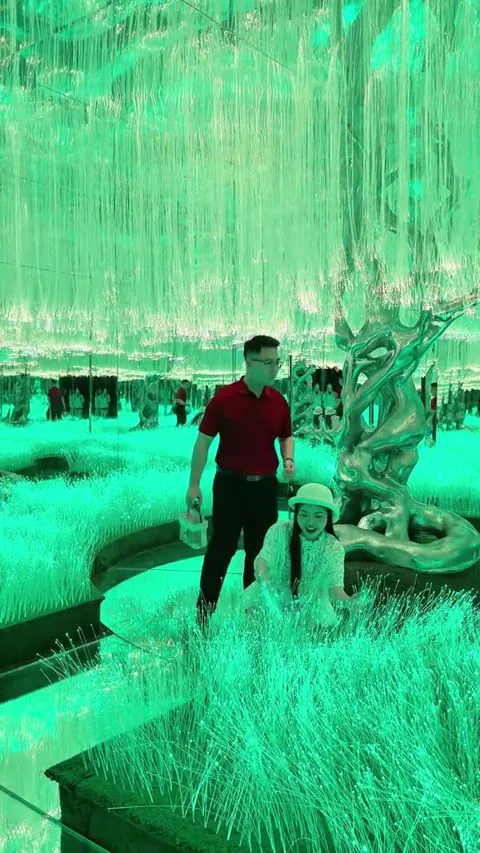
Visitors enjoying immersive digital art experience at X Space Hanoi
After exploring the ancient courtyards of the Temple of Literature and National University, you may be ready to see a completely different side of Hanoi.
X Space Immersive offers a journey from the world of traditional scholarship into a contemporary environment shaped by digital art, light, sound, projection, and interactive technology.
The experience is located at Vincom Mega Mall Royal City on Nguyễn Trãi Street in Thanh Xuân District, Hanoi.
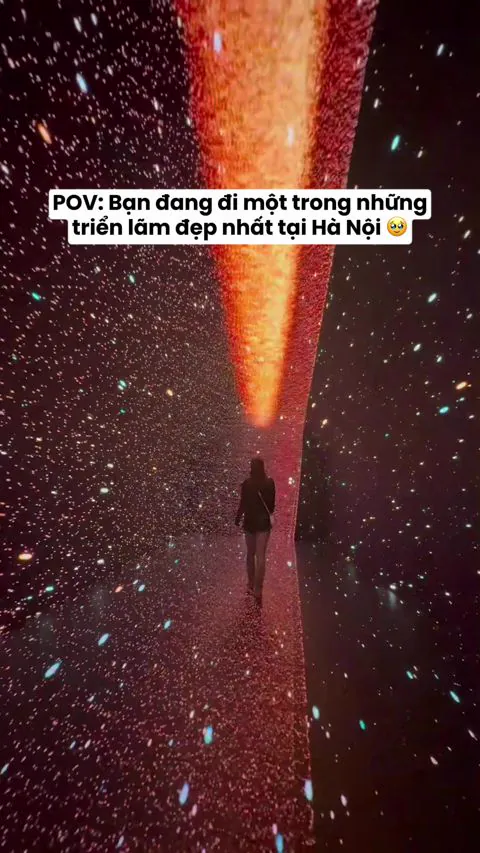
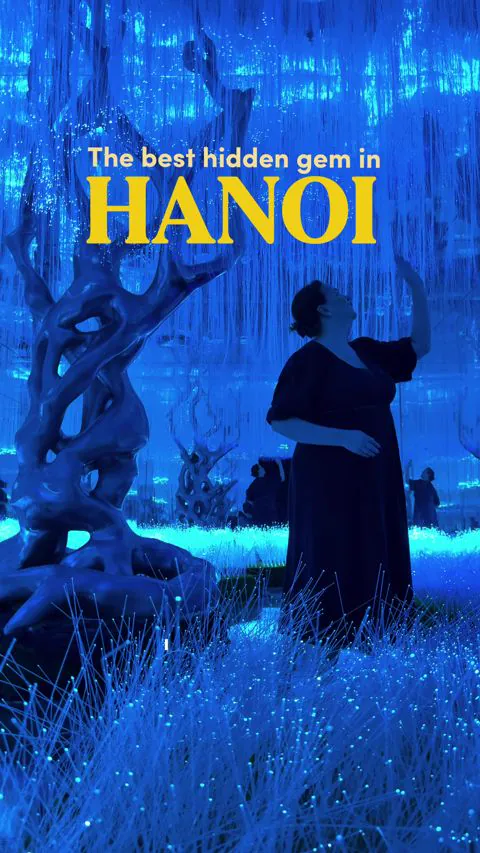
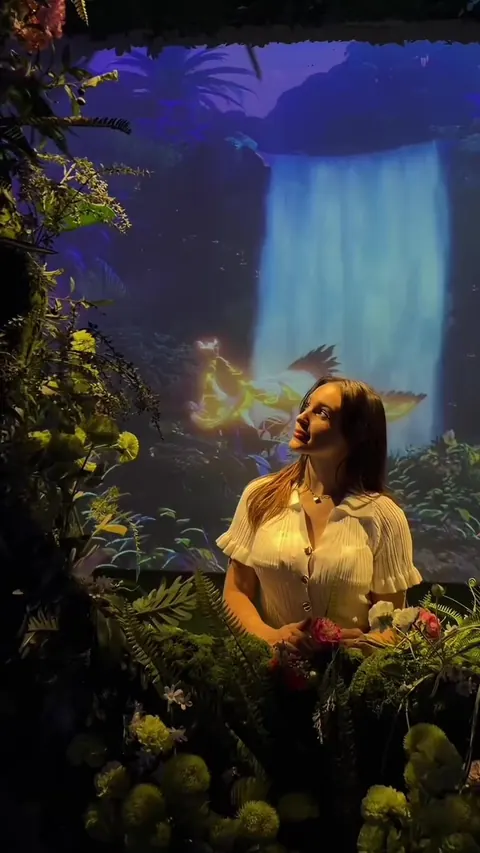
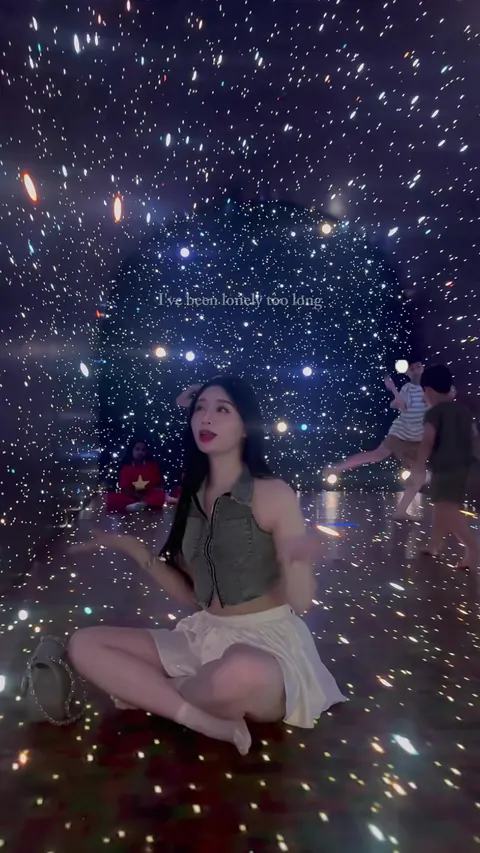
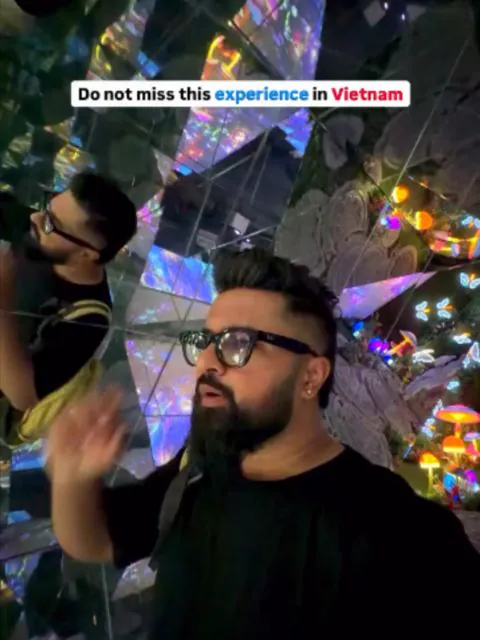
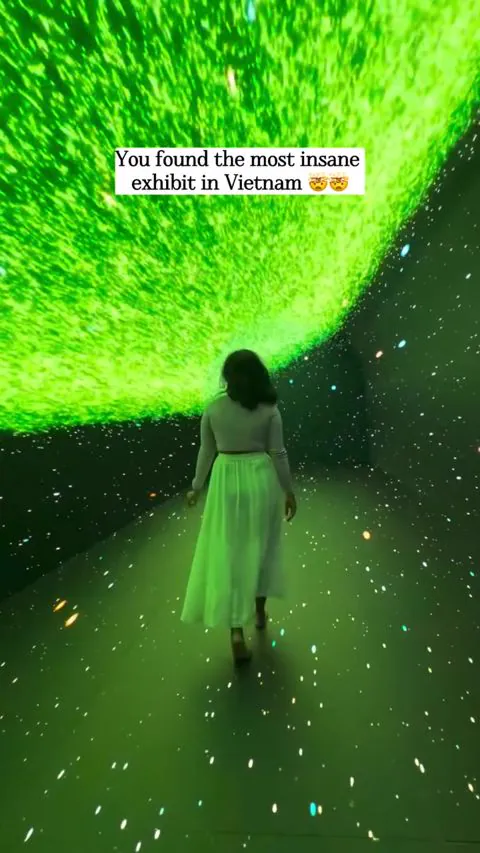
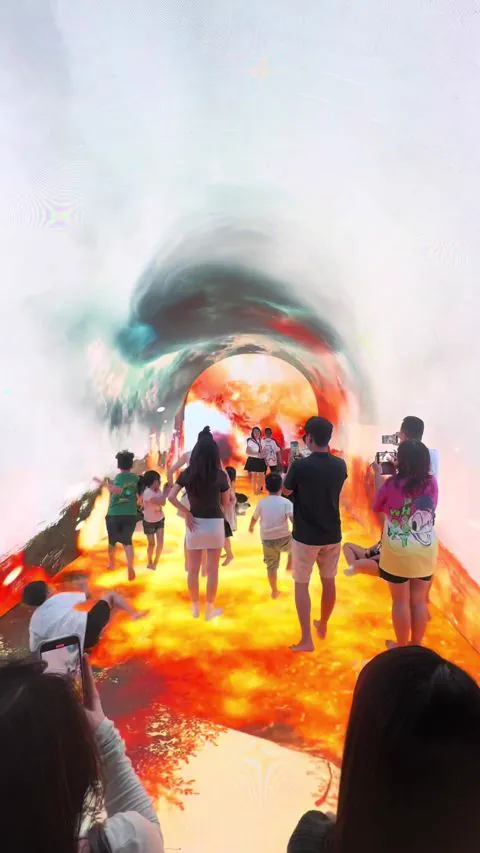
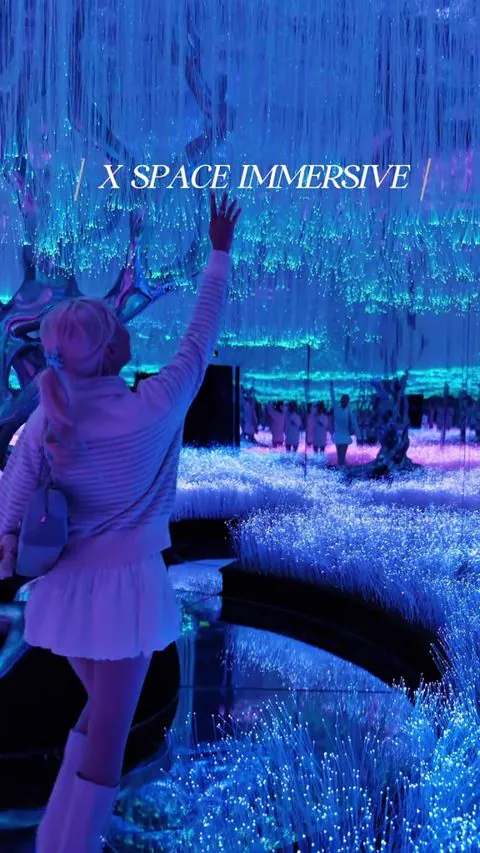
Instead of observing artworks from a distance, visitors are invited to step inside vivid visual environments. The official experience highlights attractions such as an immersive LED tunnel, an infinity light forest, a 360-degree projection dome, interactive 3D mapping, and a mirror tunnel filled with light and illusion.
The contrast creates an exciting Hanoi itinerary.
At the Temple of Literature, you walk through nearly a thousand years of academic heritage. You see stone records created to preserve the achievements of scholars.
At X Space Immersive, images move around you, light responds to interaction, and technology transforms physical rooms into imaginative worlds.
One experience looks toward the intellectual foundations of Vietnam’s past. The other reflects the creativity and technological possibilities of the present.
X Space Immersive can be particularly enjoyable for families, couples, groups of friends, international travelers, photography lovers, and anyone looking for an indoor activity away from Hanoi’s heat or rain.
Its colorful rooms also provide opportunities for playful photographs and short videos, while the dome projections and interactive environments offer a more sensory form of storytelling.
Combining these two destinations allows you to experience Hanoi through two different languages.
The first is the language of wooden architecture, classical education, stone inscriptions, and quiet courtyards.
The second is the language of digital movement, mirrored reflections, sound, color, and immersive design.
Together, they create a journey from heritage to imagination.
Begin your day by listening to the stories held within the Temple of Literature & National University. Then continue your exploration at X Space Immersive, where light and technology open the door to entirely new worlds.
It is a memorable way to discover how Hanoi protects its past while continuing to create its future.
Conclusion
A visit to the Temple of Literature and National University is more than exploring a historic site—it is an opportunity to experience the values of knowledge, culture, and tradition that have shaped Vietnam for centuries. Whether you’re drawn by its rich history, elegant architecture, or peaceful atmosphere, this remarkable landmark promises a memorable experience. To make your Hanoi journey even more special, consider pairing your visit with X Space Immersive, where cutting-edge digital art offers a fascinating contrast to the timeless beauty of the Temple of Literature and National University.
Was this article helpful?
Thanks for your feedback!